


40HQ FCL Best Route for Textiles from China to Czech Republic: 2025 Guide
Finding the 40HQ FCL best route for textiles from China to Czech Republic is a critical decision for fashion retailers and garment manufacturers looking to scale. Top China Freight provides the expertise needed to navigate these complex international lanes and ensure your cargo arrives safely. Moreover, optimizing this route can significantly reduce your landed costs and improve inventory turnover in the competitive European market.
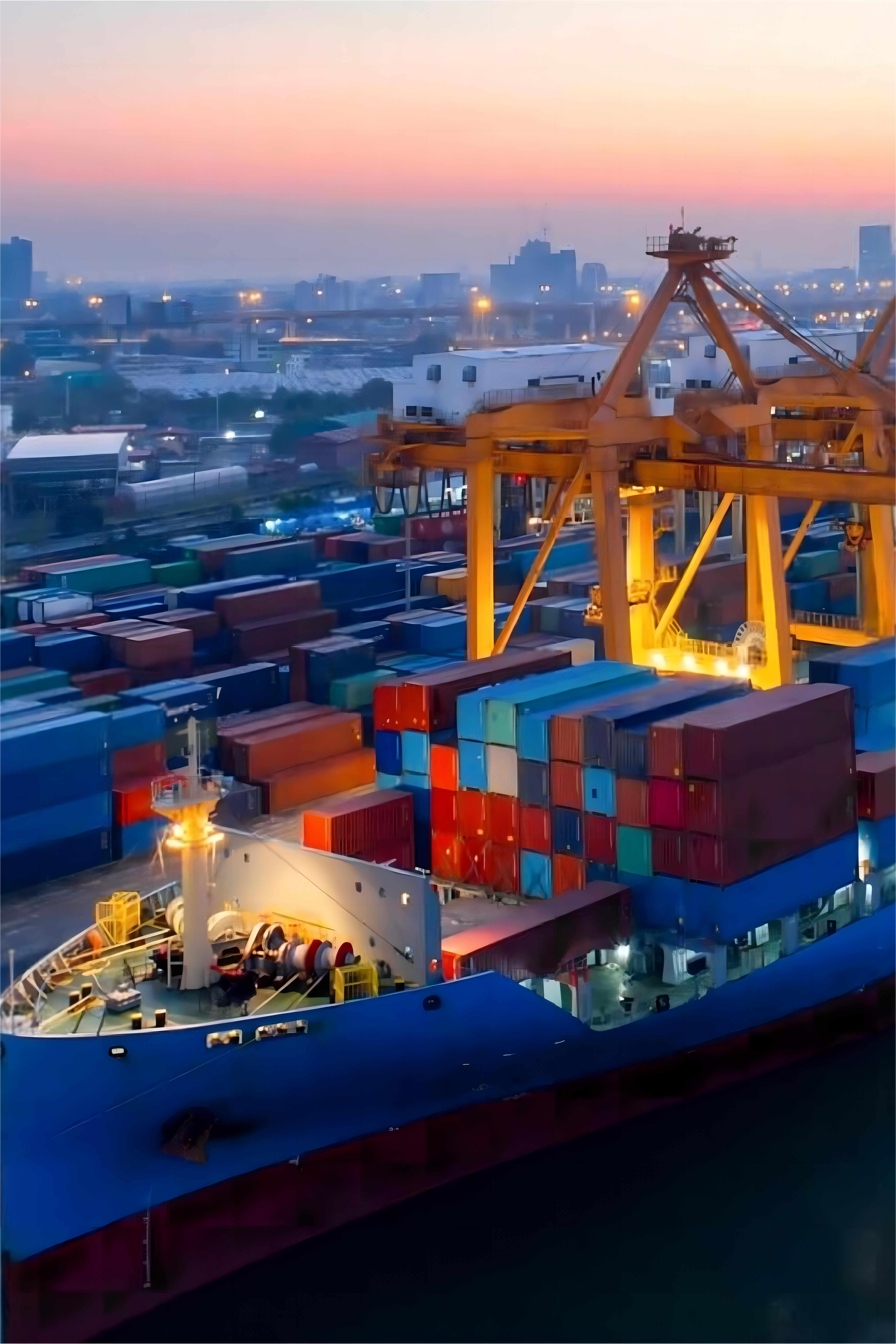
Why Choosing the 40HQ FCL Best Route for Textiles from China to Czech Republic Matters
Shipping textiles involves managing high volumes of lightweight but bulky goods, making the 40HQ container the industry standard. Consequently, selecting the most efficient path from Chinese manufacturing hubs to Central Europe determines your overall profitability.
Furthermore, the landlocked nature of the Czech Republic requires a multimodal approach involving major European gateways. Therefore, you must balance ocean transit times with inland haulage costs from ports like Hamburg, Koper, or Gdynia.
Additionally, sea freight remains the most popular choice for large-scale textile shipments due to its cost-effectiveness. Meanwhile, businesses must account for seasonal fluctuations and port congestion that can disrupt delivery schedules.
Indeed, a well-planned logistics strategy allows you to maintain consistent stock levels and respond to fast-fashion trends. Specifically, understanding the nuances of FCL (Full Container Load) shipping helps you maximize the 76 cubic meter capacity of a 40ft high cube container.
How Does Sea Freight Compare to Other Shipping Options?
Comparing different transport modes is essential for identifying the 40HQ FCL best route for textiles from China to Czech Republic. While ocean shipping offers the lowest price per unit, it also requires the longest lead times.
On the other hand, rail freight has emerged as a powerful middle-ground solution for the Eurasian corridor. It offers significantly faster transit than the sea while remaining much cheaper than air transport.
Specifically, the New Silk Road connects major Chinese cities like Xi’an and Chengdu directly to European rail terminals. Consequently, many textile importers prefer this method during peak seasons to avoid the long voyage around the Cape of Good Hope.
| Shipping Method | Cost Range (40HQ) | Transit Time | Best For |
|---|---|---|---|
| Sea Freight | $3,200 – $4,500 | 32-45 Days | High-volume budget orders |
| Rail Freight | $4,800 – $6,500 | 18-24 Days | Time-sensitive fashion |
| Air Freight | $18,000 – $25,000 | 5-8 Days | Urgent samples or high-value |
| Sea-Air Hybrid | $8,000 – $12,000 | 15-20 Days | Balanced cost and speed |

Evaluating Port Gateways for Czech Republic Textile Imports
Since the Czech Republic is landlocked, your sea freight will typically arrive at a major European port before moving by truck or rail. Notably, the Port of Hamburg in Germany serves as the primary gateway for Northern Chinese shipments.
Alternatively, the Port of Koper in Slovenia offers a shorter sea route for shipments originating from Southern China. This Adriatic route can save several days of transit time compared to sailing all the way to Northern Europe.
Moreover, the Port of Gdynia in Poland is increasingly used for textiles destined for the eastern parts of the Czech Republic. Each port has different handling fees and inland connection speeds that you must consider in your total landed cost calculation.
Cost Factors for Shipping a 40HQ Container of Textiles
Freight rates for the 40HQ FCL best route for textiles from China to Czech Republic are influenced by several market variables. For instance, fuel surcharges, peak season premiums, and container availability can cause prices to fluctuate weekly.
In addition to the base ocean freight, you must account for origin charges like terminal handling and documentation fees. Furthermore, destination charges in Europe, including port dues and customs clearance, can add significant costs to your invoice.
Typical rates as of early 2025 show a stabilization in the market, though geopolitical events continue to impact route availability. Importers should also consider the cost of moisture protection and specialized packing for delicate fabrics during the long voyage.
| Origin City | Destination Port | Average Transit | Est. Cost (40HQ) |
|---|---|---|---|
| Shanghai | Hamburg | 35 Days | $3,400 |
| Shenzhen | Koper | 30 Days | $3,600 |
| Ningbo | Gdynia | 38 Days | $3,550 |
| Qingdao | Hamburg | 40 Days | $3,300 |
Customs Brokerage and Compliance for Textile Shipments
Navigating European Union import regulations is a critical step in the 40HQ FCL best route for textiles from China to Czech Republic. You must ensure that all textile products comply with REACH regulations and labeling requirements.
Properly utilizing customs brokerage services prevents costly delays at the border. Specifically, your broker will help classify your goods under the correct HS codes to ensure accurate duty payments.
Moreover, textiles often face specific trade defense measures or quotas depending on their origin and material composition. Consequently, having a complete set of documents, including the commercial invoice, packing list, and certificate of origin, is non-negotiable.
Logistics Trends for Shipping from China to Europe in 2025
Digitalization is transforming how companies manage their Europe bound supply chains. Real-time tracking and automated documentation are becoming standard features for modern freight forwarders.
Sustainability is also a growing concern, with many Czech importers looking for ‘green’ shipping options to meet corporate social responsibility goals. As a result, rail freight is gaining traction as a lower-emission alternative to air and traditional sea routes.
Moreover, the rise of e-commerce has shifted demand toward more frequent, smaller shipments, though 40HQ FCL remains king for bulk inventory. Staying informed about these logistics trends helps you adapt your procurement strategy to the changing global landscape.
Real Case Studies: Textile Shipping Success Stories
Analyzing real-world examples provides valuable insights into the 40HQ FCL best route for textiles from China to Czech Republic. These scenarios illustrate how different businesses choose their methods based on specific needs.
Case Study 1: A Prague-based fashion retailer needed to transport 2,000 rolls of polyester fabric from Ningbo. They chose sea freight via Hamburg to minimize costs, resulting in a total door-to-door time of 42 days at a cost of $4,100.
Case Study 2: A garment manufacturer in Brno required urgent delivery of seasonal winter wear from Suzhou. By utilizing rail freight, they reduced transit time to 22 days, allowing them to hit the retail shelves on time despite a slightly higher cost of $5,400.
Case Study 3: An e-commerce startup used door to door service for a 40HQ container of cotton t-shirts from Shenzhen. This comprehensive solution handled everything from factory pickup to final delivery in Prague, simplifying their entire operation.
Which Option Should You Choose for Your Textiles?
Choosing the right path depends on your specific business priorities regarding budget, speed, and cargo volume. If your primary goal is cost reduction, the traditional sea route via Northern European ports is usually the winner.
However, if you are dealing with high-fashion items that lose value quickly, the speed of rail freight justifies the additional expense. You should also consider the location of your warehouse in the Czech Republic when selecting the discharge port.
For instance, western regions are better served by German ports, while southern regions benefit from Adriatic gateways. Ultimately, a flexible approach that uses different routes based on the season and market demand is often the most resilient strategy.

Mastering Your Textile Logistics
Successfully navigating the 40HQ FCL best route for textiles from China to Czech Republic requires a blend of strategic planning and local expertise. By understanding the trade-offs between sea and rail, you can build a more responsive supply chain.
Remember to stay updated on market rates and customs regulations to avoid unexpected costs. Partnering with a reliable freight forwarder ensures that your textile business remains competitive in the heart of Europe.
Ready to streamline your logistics?
Ready to optimize your supply chain? Contact us today to find the 40HQ FCL best route for textiles from China to Czech Republic and get a custom quote for your next shipment.
Request Quote