


20GP FCL Shipping Cost for Lighting from China to Georgia: 2025 Guide
Navigating the complexities of international logistics requires a clear understanding of current market trends and pricing structures. Top China Freight provides comprehensive solutions for businesses looking to optimize their supply chain. This guide explores the 20GP FCL shipping cost for lighting from China to Georgia, helping you make informed decisions for your next shipment. Whether you are importing decorative lamps or industrial LED systems, understanding the nuances of the Georgian market is essential.

What Defines the 20GP FCL Shipping Cost for Lighting from China to Georgia?
Determining the exact 20GP FCL shipping cost for lighting from China to Georgia depends on several dynamic variables. Primarily, the ocean freight rate fluctuates based on global fuel prices and carrier capacity. Furthermore, the specific port of loading in China, such as Shanghai or Shenzhen, significantly impacts the initial local charges. Consequently, importers must account for both sea freight and origin-side handling fees.
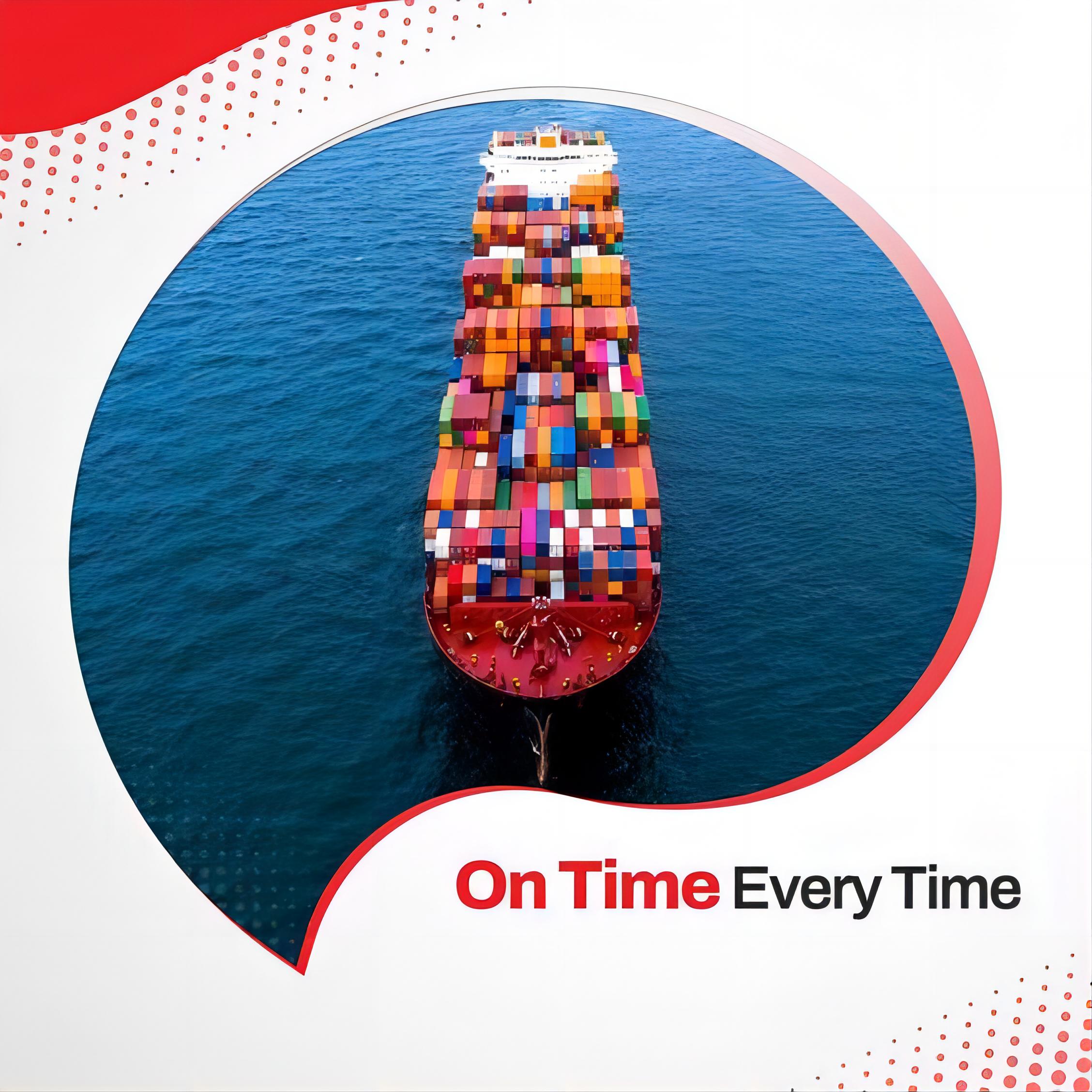
Lighting products often require specialized handling due to their fragile nature and electronic components. Therefore, packaging quality and container stuffing techniques are vital to prevent damage during the long transit across the Indian Ocean and through the Mediterranean. Additionally, seasonal demand spikes during the pre-holiday months can cause rates to rise by 20 percent or more. Meanwhile, the choice between direct routes and transshipment options will influence the final invoice.
Market data for early 2025 suggests that a standard 20GP container from China to Georgian ports like Poti or Batumi ranges between 2,500 and 4,000 USD. However, this figure is a baseline that does not include destination duties or inland haulage. Indeed, staying updated on these price shifts is crucial for maintaining a healthy profit margin in the competitive lighting industry.
How Does Sea Freight Compare to Other Shipping Options?
Choosing the right transport mode is a balancing act between speed and budget. While sea freight remains the most cost-effective method for bulk lighting orders, it is not always the best fit for urgent projects. On the other hand, air freight offers unmatched speed but comes at a significantly higher price point per kilogram.
Rail freight has emerged as a viable middle-ground solution via the Middle Corridor. This route connects China to Georgia through Central Asia and the Caspian Sea, offering faster transit than traditional sea routes. Nevertheless, the capacity for rail is more limited compared to massive container vessels. To summarize, each method serves a specific strategic purpose within your supply chain.
The following table provides an objective analysis of the primary shipping methods available for this route. It highlights the trade-offs between cost, time, and suitability for different types of lighting cargo.
| Shipping Method | Cost Range (USD) | Transit Time | Best For |
|---|---|---|---|
| Sea FCL (20GP) | 2,500 – 4,200 | 35 – 45 Days | Bulk Lighting Orders |
| Air Freight | 8,000 – 15,000 | 5 – 9 Days | Urgent/High-Value Samples |
| Rail Freight | 4,500 – 6,500 | 20 – 25 Days | Time-Sensitive Projects |
| Sea LCL | 80 – 150 per CBM | 40 – 50 Days | Small Inventories |
Which Option Should You Choose for Your Lighting Business?
Deciding on the optimal shipping strategy requires a deep dive into your specific business needs. If your priority is minimizing the 20GP FCL shipping cost for lighting from China to Georgia, sea freight is the undisputed winner. This is particularly true for heavy or bulky items like street lamps or large chandeliers. Accordingly, most established importers plan their inventory cycles several months in advance to utilize sea transport.
In contrast, if you are launching a new product line and need to hit a specific marketing window, air freight might be necessary. Although the cost is higher, the rapid delivery ensures you do not miss out on seasonal sales. For those seeking a balance, rail freight provides a competitive alternative that reduces transit time by nearly 50 percent compared to the sea. Without a doubt, a hybrid approach often yields the best results.
Cargo type also plays a significant role in this decision. High-end, fragile lighting fixtures may benefit from the smoother handling of air or rail transport. Conversely, standard LED bulbs and components are perfectly suited for the cost-effective environment of a 20GP container. Always consider the total landed cost rather than just the initial freight quote.
Key Factors Influencing Freight Rates in 2025
Several external factors continue to shape the logistics landscape between China and the Caucasus region. For instance, geopolitical stability in the Red Sea and surrounding areas can lead to route diversions and increased insurance premiums. Moreover, fluctuations in the price of crude oil directly impact the bunker adjustment factor applied by shipping lines. Therefore, shippers must remain flexible in their planning.
Capacity management by major carriers is another critical element. When carriers skip port calls or reduce vessel frequency, the resulting container shortage drives prices upward. Additionally, the efficiency of Georgian ports like Poti affects the overall turnaround time. Consequently, delays at the port of discharge can lead to unexpected demurrage and detention charges. Indeed, these hidden costs can quickly erode your budget.
Seasonal patterns in China, such as the Lunar New Year, create massive surges in export volume. During these periods, securing space in a 20GP container becomes difficult and expensive. To mitigate this, we recommend booking your shipments at least 3 to 4 weeks in advance. By doing so, you can lock in more favorable rates and ensure your lighting products arrive on schedule.
Maximizing Efficiency with Door-to-Door Solutions
For many importers, managing multiple logistics providers is a daunting task. Utilizing door to door services simplifies the entire process by providing a single point of contact. This comprehensive approach covers everything from the factory pickup in China to the final delivery at your warehouse in Tbilisi or Batumi. Furthermore, it often results in better coordination and fewer communication errors.
Professional freight forwarders handle the complexities of inland trucking and warehouse storage. As a result, you can focus on your core business activities while experts manage the movement of your lighting cargo. In addition, consolidated billing makes it easier to track your total 20GP FCL shipping cost for lighting from China to Georgia. This transparency is invaluable for accurate financial forecasting.
Choosing a provider with a strong local presence in both countries is essential. Such a partner understands the local infrastructure and can navigate potential bottlenecks more effectively. Meanwhile, they can offer tailored solutions like temporary warehousing if your facility is not ready to receive the shipment. Ultimately, a streamlined door-to-door service enhances your overall supply chain resilience.
Navigating Customs Brokerage for Lighting Imports
Importing lighting products into Georgia requires strict adherence to local regulations and documentation standards. Engaging a reliable customs brokerage service is the best way to ensure compliance and avoid costly delays. Georgian customs authorities require precise information regarding the technical specifications and energy efficiency of imported electronics. Consequently, any discrepancies in paperwork can lead to cargo seizures or heavy fines.
The classification of goods under the correct Harmonized System (HS) code is paramount. Different types of lighting, such as LED, halogen, or fluorescent, may carry different duty rates. Moreover, proof of origin is often required to benefit from any existing trade agreements between China and Georgia. Therefore, having a professional review your commercial invoice and packing list before the ship departs is a wise investment.
Typical documents required include the Bill of Lading, Commercial Invoice, Packing List, and any necessary certificates of conformity. In addition, some high-voltage lighting equipment may require specific safety certifications. By preparing these documents in advance, you can expedite the clearance process at the Georgian border. Indeed, efficient customs handling is a key component of a successful import strategy.
Transit Times and Delivery Schedules for 2025
Understanding the timeline for your shipment is crucial for inventory management. For those prioritizing speed, air freight remains the fastest option, typically taking less than 10 days from door to door. However, for most lighting importers, the 35 to 45-day window of sea freight is the standard expectation. This duration includes time for loading, ocean transit, and customs processing.
The route from China to Georgia often involves transshipment at major hubs like Istanbul or Piraeus. While this can sometimes lower the 20GP FCL shipping cost for lighting from China to Georgia, it may add several days to the total transit time. On the other hand, direct services to Poti are more predictable but may carry a slight premium. We recommend monitoring the delivery schedule closely to coordinate with your sales team.
The following table outlines typical transit times from major Chinese ports to Georgia. Use this data as a reference for your logistical planning throughout the 2025 fiscal year.
| Port of Loading | Port of Discharge | Transit Time (Sea) | Frequency |
|---|---|---|---|
| Shanghai | Poti | 38 – 42 Days | Weekly |
| Shenzhen | Batumi | 35 – 40 Days | Bi-weekly |
| Ningbo | Poti | 40 – 45 Days | Weekly |
| Qingdao | Poti | 42 – 48 Days | Weekly |

Real-World Case Studies: Lighting Shipments to Georgia
Examining real-world scenarios provides practical insights into the 20GP FCL shipping cost for lighting from China to Georgia. These examples reflect actual market conditions and highlight the importance of professional logistics management. By learning from these cases, you can avoid common pitfalls and optimize your own shipping routes.
Case Study 1: Large-Scale LED Project Route: Shanghai, China to Poti, Georgia Cargo: LED Street Lighting, 28 CBM, 12,500 kg Container: 20GP FCL Shipping Details: – Carrier/Service: COSCO Shipping – Port of Loading: Shanghai (CNSHA) – Port of Discharge: Poti (GEPTI) – Route Type: Transshipment via Piraeus Cost Breakdown: – Ocean Freight: $3,150 – Origin Charges: $450 – Destination Charges: $600 – Customs & Duties: $1,200 (Estimated) – Total Landed Cost: $5,400 Timeline: – Booking to Loading: 5 days – Sea Transit: 39 days – Customs Clearance: 3 days – Total Door-to-Door: 47 days Key Insight: Early booking allowed the client to secure a lower rate before the Q4 peak season surge.
Case Study 2: Boutique Interior Lighting Route: Guangzhou, China to Batumi, Georgia Cargo: Decorative Chandeliers and Wall Lamps, 25 CBM, 8,000 kg Container: 20GP FCL Shipping Details: – Carrier/Service: MSC – Port of Loading: Nansha (CNNSA) – Port of Discharge: Batumi (GEBUS) – Route Type: Direct Service Cost Breakdown: – Ocean Freight: $3,400 – Origin Charges: $500 – Destination Charges: $550 – Customs & Duties: $950 (Estimated) – Total Landed Cost: $5,400 Timeline: – Booking to Loading: 4 days – Sea Transit: 36 days – Customs Clearance: 2 days – Total Door-to-Door: 42 days Key Insight: Using a direct service reduced the risk of damage during transshipment for fragile glass components.
Note: Freight rates are subject to change based on fuel costs, carrier capacity, and seasonal demand. Contact us for a current quote tailored to your specific shipment.
Cost-Saving Strategies for 20GP FCL Shipments
Reducing your logistics expenses requires a proactive approach and attention to detail. One effective strategy is to optimize the space within your 20GP container. For example, palletizing your lighting products efficiently can maximize volume and reduce the risk of shifting during transit. Furthermore, negotiating long-term contracts with freight forwarders can provide price stability in a volatile market.
Another approach is to consider consolidated shipping if you are importing from multiple suppliers in China. By combining different orders into a single 20GP container, you can share the fixed costs of FCL shipping. Additionally, choosing the right Incoterms, such as FOB (Free on Board), gives you more control over the shipping process and costs. In contrast, EXW (Ex Works) may lead to higher inland costs in China.
Finally, always verify the energy efficiency ratings of your lighting products before shipping. Georgia, like many other countries in Europe and the surrounding regions, has specific standards that must be met. Non-compliant products may face additional inspections or disposal fees. Consequently, ensuring product quality at the source is a vital part of cost management.
Final Thoughts on Shipping Lighting to Georgia
Successfully managing the 20GP FCL shipping cost for lighting from China to Georgia requires a combination of market knowledge and strategic planning. By understanding the factors that influence freight rates and choosing the right transport mode, you can significantly reduce your overhead. Whether you opt for the cost-effectiveness of sea freight or the speed of air transport, a reliable logistics partner is essential.
As we look toward the remainder of 2025, staying informed about industry trends and customs regulations will remain a top priority. We hope this guide has provided the clarity needed to navigate the Georgian shipping corridor with confidence. Remember that the cheapest option is not always the most efficient, so prioritize reliability and safety for your valuable lighting cargo.

Ready to streamline your logistics?
Are you ready to optimize your supply chain and secure the most competitive 20GP FCL shipping cost for lighting from China to Georgia? Our team of experts is standing by to provide a tailored quote and professional logistics support. Contact us today to learn how we can streamline your imports and help your business grow. Send Inquiry link: https://Top China Freight.com/
Request Quote