
20GP FCL Transit Time for Lighting from China to Houston: 2025 Guide
Understanding the 20GP FCL transit time for lighting from China to Houston is essential for managing your supply chain effectively. At Top China Freight, we help importers navigate the complexities of international logistics to ensure timely arrivals. Consequently, knowing how long your cargo stays at sea allows for better inventory planning and customer satisfaction.
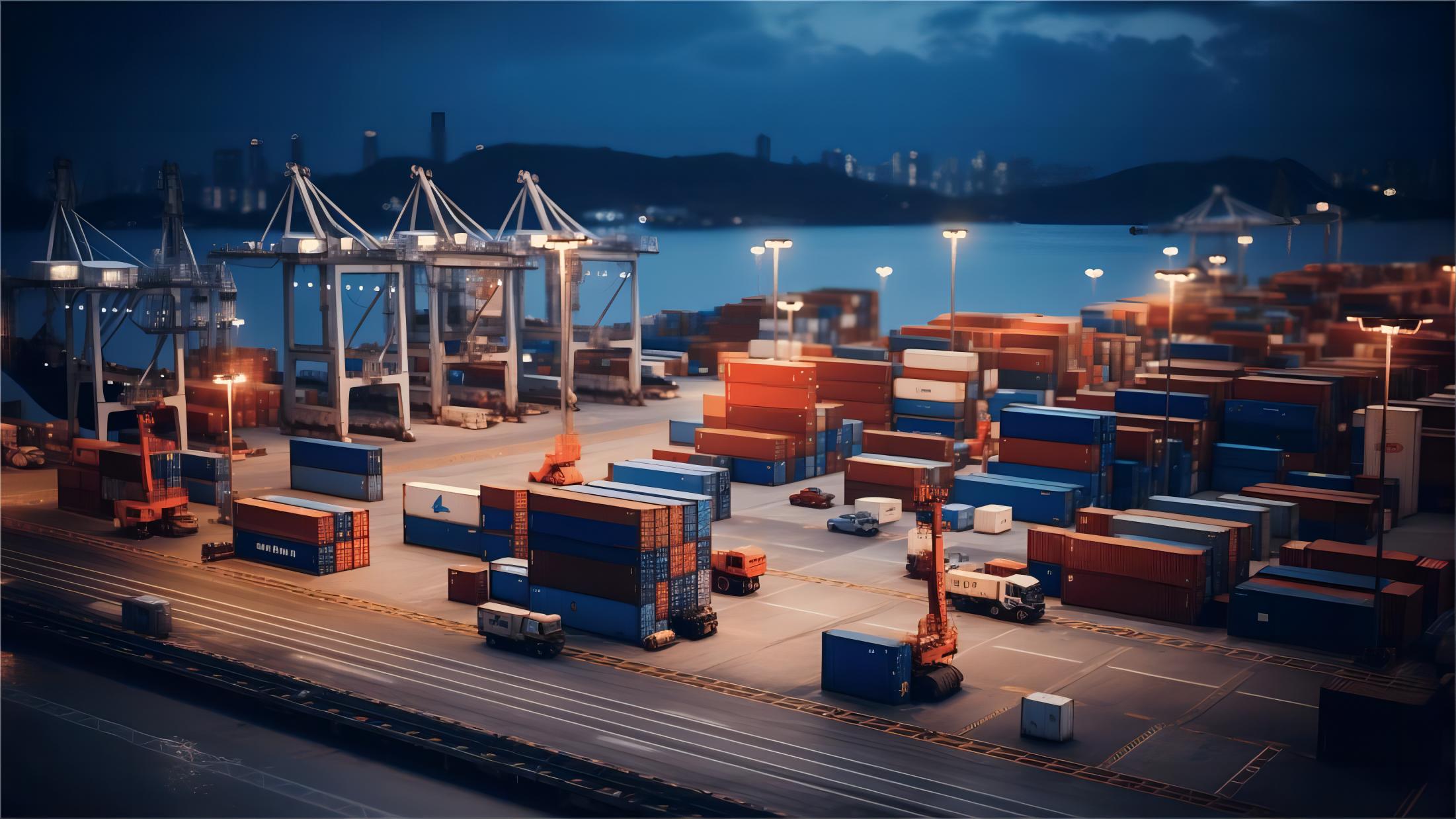
What is the Average 20GP FCL Transit Time for Lighting from China to Houston?
Shipping lighting fixtures involves calculating both port-to-port and door-to-door durations. Typically, the ocean transit time from major Chinese ports like Shanghai or Shenzhen to Houston ranges between 32 and 45 days.
Moreover, choosing sea freight for your 20GP container is the most cost-effective method for bulk lighting orders. While the journey is long, it provides the stability needed for fragile glass components and heavy metal housings.
Importers should note that vessels often travel through the Panama Canal to reach the Gulf Coast. However, any delays at the canal or congestion at the Port of Houston can extend the total timeline by several days.
Carriers provide different schedules based on their specific routes and transshipment points. Therefore, you must verify the estimated arrival dates with your forwarder before finalizing your sales contracts.
| Shanghai | Houston | 34-38 Days | 45-52 Days |
| Shenzhen | Houston | 36-42 Days | 48-55 Days |
| Ningbo | Houston | 35-40 Days | 46-53 Days |
| Qingdao | Houston | 38-45 Days | 50-58 Days |
Key Factors Influencing 20GP FCL Transit Time for Lighting from China to Houston
Weather conditions represent one of the most unpredictable variables in international shipping. For instance, typhoon seasons in the South China Sea or hurricanes in the Gulf of Mexico can force vessels to take longer routes.
Peak season demand also plays a significant role in how quickly your lighting fixtures arrive. During the months leading up to the holidays, port congestion often leads to berthing delays and slower cargo handling.
Additionally, the efficiency of the trucking network in Texas impacts the final leg of the journey. If you require door to door delivery, local labor availability will influence the total time.
Documentation accuracy is another critical factor that many importers overlook. Consequently, missing paperwork or incorrect HS codes for LED products can lead to lengthy customs hold-ups at the border.
How Does 20GP FCL Compare to Other Shipping Options?
Evaluating different transport methods is vital for balancing speed and budget. While a 20GP container offers security for your lighting products, it might not always be the fastest option available.
Furthermore, air freight provides a much quicker alternative for urgent samples or high-value designer lamps. However, the cost difference is substantial, often making it prohibitive for standard commercial orders.
LCL shipping serves as a middle ground for smaller volumes but often takes longer due to the consolidation process. In contrast, FCL shipping ensures your container remains sealed from the factory to your warehouse.
Hybrid solutions like sea-air combinations can sometimes offer a compromise between cost and speed. Nevertheless, for most lighting importers in Houston, the 20GP FCL remains the standard choice for bulk inventory.
| 20GP FCL | $3,000 – $4,500 | 35-45 Days | Bulk Lighting Orders |
| LCL Sea | $150 – $250/CBM | 40-55 Days | Small Shipments |
| Air Freight | $5 – $9/kg | 5-10 Days | Urgent Samples |
| Express | $9 – $15/kg | 3-6 Days | Prototypes |
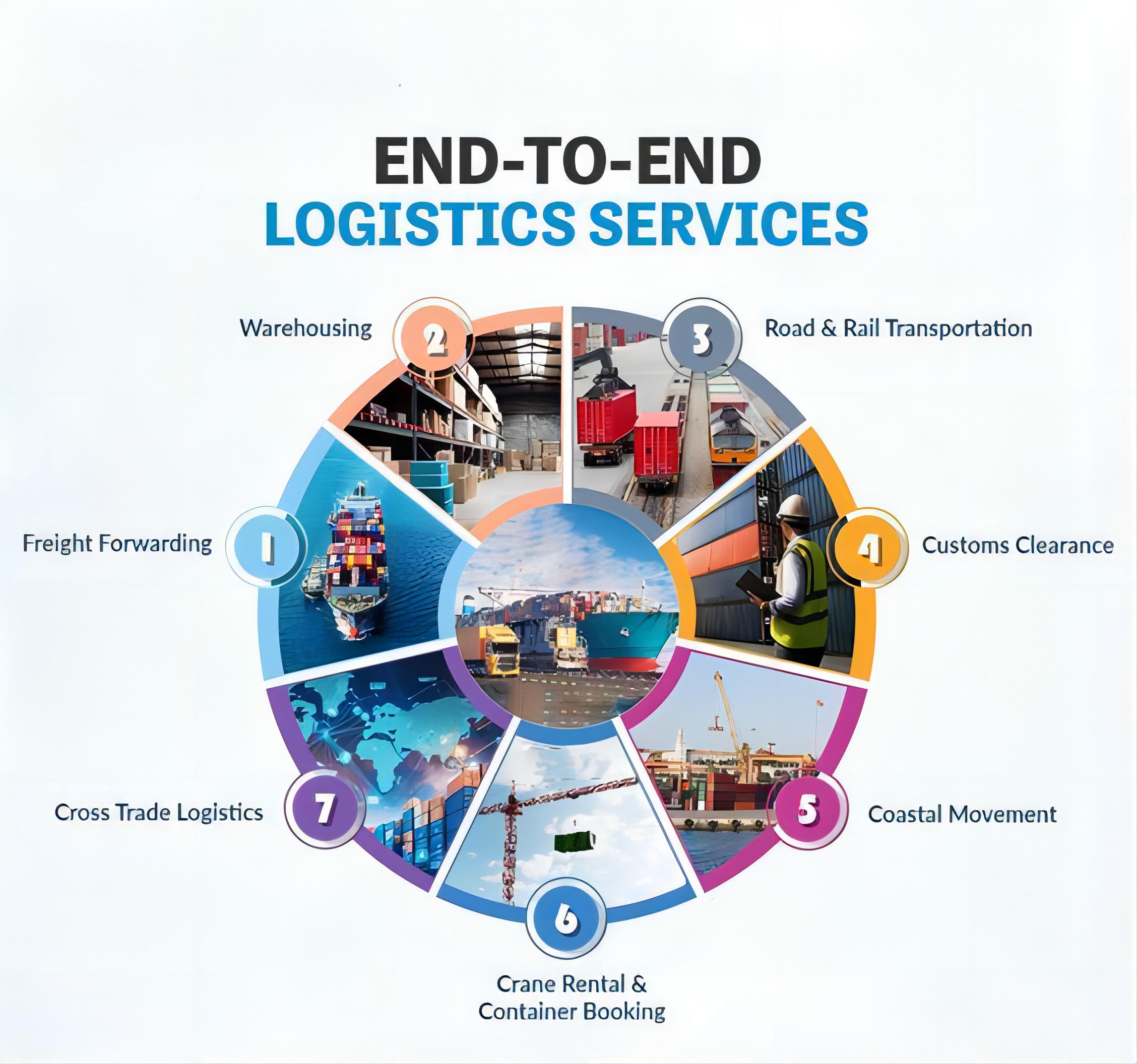
Understanding Shipping Costs for Lighting Fixtures
Freight rates fluctuate based on fuel surcharges, seasonal demand, and carrier capacity. Specifically, shipping lighting products into North America requires careful budgeting for both ocean freight and local drayage.
Importers must also account for destination charges such as terminal handling fees and customs clearance costs. If you are selling on e-commerce platforms, utilizing Amazon FBA services can streamline your distribution but adds another layer of logistics.
Notably, lighting products often attract specific duties depending on their energy efficiency ratings and country of origin. Therefore, working with a professional broker is essential to avoid unexpected financial penalties.
Note: Freight rates are subject to change based on fuel costs, carrier capacity, and seasonal demand. Contact us for a current quote tailored to your specific shipment.
Which Option Should You Choose for Your Lighting Cargo?
Budget priority dictates that you should stick with 20GP FCL for any shipment exceeding 15 cubic meters. This method offers the lowest cost per unit for lamps, chandeliers, and LED panels.
Speed priority requires a shift toward air freight or expedited ocean services. If your project deadline in Houston is less than 30 days away, sea freight will likely not meet your requirements.
Volume thresholds are the main deciding factor between LCL and FCL. Whenever your cargo fills more than 60 percent of a 20GP container, paying for the full container is usually more economical.
Cargo type considerations also matter because fragile lighting components benefit from the reduced handling found in FCL shipping. Since the container is not opened during transit, the risk of breakage decreases significantly.
Real-World Case Studies: Lighting Shipments to Houston
Case Study 1: LED Panel Import. Route: Ningbo to Houston. Cargo: 1,200 LED panels, 26 CBM. Container: 20GP. Ocean Freight: $3,250. Origin Charges: $450. Destination Charges: $600. Customs: $800. Total Landed Cost: $5,100. Sea Transit: 35 days. Total Door-to-Door: 46 days. Key Insight: Direct booking saved 4 days compared to transshipment.
Case Study 2: Industrial Lighting Project. Route: Shenzhen to Houston. Cargo: High-bay lamps, 22 CBM. Container: 20GP. Ocean Freight: $3,500. Origin Charges: $500. Destination Charges: $750. Customs: $1,100. Total Landed Cost: $5,850. Sea Transit: 39 days. Total Door-to-Door: 52 days. Key Insight: Heavy port congestion in Houston during Q4 added 6 days to the schedule.
Typical rates as of early 2025 suggest that while prices have stabilized, peak season surcharges still apply. Importers should plan for a 15 percent buffer in both time and budget during the autumn months.
Navigating Customs for Lighting Imports in Texas
Customs regulations for lighting fixtures are stringent due to safety and energy standards. Consequently, hiring a dedicated customs brokerage service ensures that your UL or ETL certifications are properly documented.
Texas ports have specific procedures for handling electrical goods. If your paperwork is incomplete, the 20GP FCL transit time for lighting from China to Houston can double due to intensive examinations.
Importers should prepare a detailed packing list and commercial invoice before the ship leaves China. Because Houston is a major hub, the customs officials are thorough and expect high levels of compliance.
Finally, ensure that all wooden packaging materials meet ISPM-15 heat treatment standards. Failure to comply with these environmental regulations can result in your entire container being rejected and sent back to China.
| Bill of Lading | Title of Goods | Carrier/Customs | Critical |
| Commercial Invoice | Valuation | CBP | High |
| Packing List | Cargo Verification | Warehouse | High |
| Certificates | Safety Compliance | Regulators | Mandatory |
Final Thoughts on Shipping Lighting to Houston
Managing the 20GP FCL transit time for lighting from China to Houston requires a proactive approach and a reliable logistics partner. By understanding the 35 to 45-day average window, you can align your marketing and sales efforts with actual inventory arrivals.
Although challenges like weather and port congestion are inevitable, proper planning and documentation significantly mitigate the risks. Always prioritize FCL shipping for larger volumes to ensure the safety and cost-efficiency of your lighting fixtures.
Ultimately, success in the Texas lighting market depends on your ability to maintain a consistent supply chain. Start your next shipment today with a clear understanding of the timelines and costs involved in this vital trade route.
Ready to streamline your logistics?
Ready to streamline your lighting imports? Contact Top China Freight today for a customized quote and expert guidance on managing your 20GP FCL transit time for lighting from China to Houston. Visit our website to start your inquiry and secure the best rates for the upcoming shipping season. Visit: https://Top China Freight.com/contact-us/
Request Quote