


20GP FCL shipping cost for medical equipment from China to Sweden
Navigating the complexities of international logistics requires a clear understanding of the 20GP FCL shipping cost for medical equipment from China to Sweden. As healthcare demands evolve, businesses must optimize their supply chains to ensure timely delivery of life-saving devices. Top China Freight provides the expertise needed to manage these delicate shipments across global borders. This guide explores current market rates, transit schedules, and strategic planning for medical importers.

What determines the 20GP FCL shipping cost for medical equipment from China to Sweden?
Understanding the primary drivers of freight rates is essential for accurate budgeting. Specifically, the base ocean freight rate fluctuates according to seasonal demand and carrier capacity. Moreover, medical equipment often requires special handling or priority stowage, which can influence the final quote.
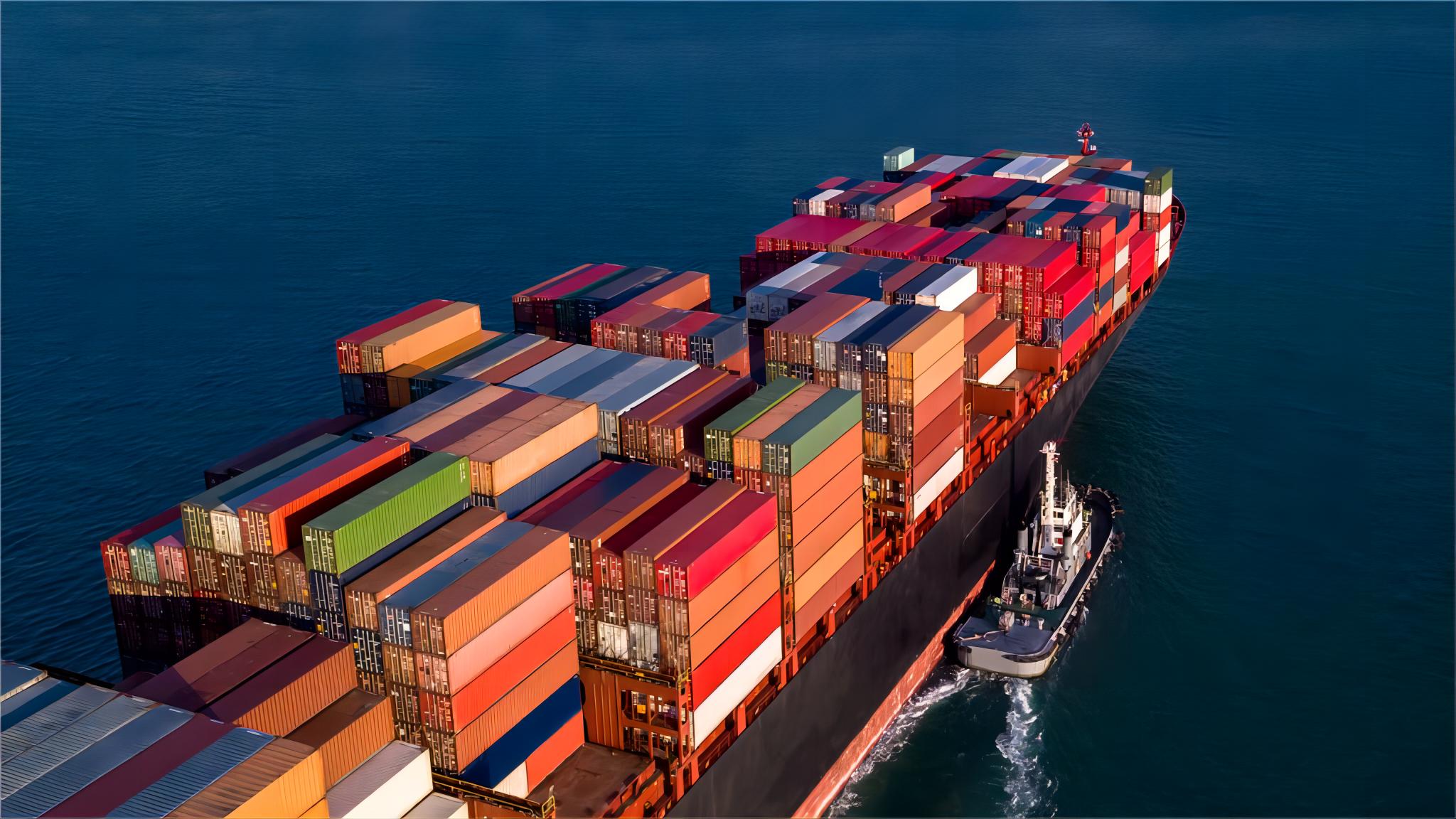
Choosing sea freight remains the most cost-effective method for transporting large volumes of healthcare products. Consequently, most importers prefer the 20GP container for its balance of capacity and price. Furthermore, fuel surcharges and currency adjustment factors play a significant role in monthly pricing shifts.
Reliable logistics partners help mitigate these costs by securing space during peak periods. Additionally, the point of origin in China significantly impacts the local trucking and port fees. Selecting a port like Shanghai or Ningbo might offer more competitive rates compared to smaller inland terminals.
Sweden imposes strict regulations on medical device imports, which necessitates thorough preparation. Therefore, administrative costs related to documentation and compliance should be factored into your total landed cost. Many businesses overlook these secondary expenses when calculating their initial shipping budget.
| Shanghai to Gothenburg | $1,900 – $2,300 | $350 | $2,250 – $2,650 |
| Shenzhen to Stockholm | $2,050 – $2,450 | $400 | $2,450 – $2,850 |
| Ningbo to Helsingborg | $1,950 – $2,350 | $380 | $2,330 – $2,730 |
| Qingdao to Malmo | $2,100 – $2,500 | $420 | $2,520 – $2,920 |
How Does Sea Freight Compare to Other Shipping Options?
Comparing different transport modes allows importers to balance speed and expenditure. While a 20GP container is economical, rail freight offers a faster alternative for time-sensitive medical supplies. Indeed, rail transit can save up to two weeks compared to traditional ocean routes.
Air freight represents the fastest but most expensive solution for urgent healthcare needs. Consequently, it is usually reserved for high-value diagnostic machinery or emergency PPE shipments. In contrast, sea freight provides the necessary volume for bulk items like hospital beds or dental chairs.
Hybrid solutions like sea-air combinations are gaining popularity among savvy logistics managers. Moreover, these strategies allow for a middle ground between high costs and long lead times. Nevertheless, for standard medical equipment, the 20GP container remains the industry benchmark for efficiency.
Sweden’s geographical location makes it accessible via multiple European hubs. Accordingly, some shipments might arrive at major ports like Rotterdam before being trucked north. This transshipment process can sometimes reduce costs but may add a few days to the total schedule.
| Sea Freight (FCL) | $2,000 – $2,800 | 30-40 Days | Bulk Medical Supplies |
| Rail Freight | $3,500 – $5,500 | 18-25 Days | Mid-value Equipment |
| Air Freight | $12,000 – $20,000 | 5-8 Days | Urgent/High-value |
| LCL (Per CBM) | $80 – $150 | 35-45 Days | Small Medical Kits |
Which Option Should You Choose?
Budget priority dictates that sea freight is the superior choice for non-urgent inventory replenishment. Specifically, when your lead times exceed 45 days, the savings from ocean transport significantly improve profit margins. However, if your medical facility faces an immediate shortage, air freight becomes a necessary investment.
Speed priority requires a shift toward rail or air logistics. Furthermore, rail freight is particularly effective for shipments originating in northern China. This method avoids the longer southern sea routes and provides a consistent schedule that bypasses potential maritime congestion.
Cargo type considerations often determine the container requirements. For instance, sensitive electronic medical devices might require climate-controlled reefers instead of standard 20GP units. Additionally, ensuring your door to door shipping service includes white-glove delivery is vital for fragile equipment.
Volume thresholds play a critical role in deciding between FCL and LCL. Usually, if your cargo exceeds 15 cubic meters, booking a full 20GP container is more economical than paying for individual space. Therefore, consolidating multiple smaller orders into one FCL shipment can drastically lower your per-unit cost.
Real-World Case Studies for Medical Equipment Shipping
Detailed analysis of past shipments provides valuable insights into current market conditions. Below are two realistic scenarios based on early 2025 logistics data. These examples highlight the total landed costs and typical transit challenges faced by Swedish importers.
Note: Freight rates are subject to change based on fuel costs, carrier capacity, and seasonal demand. Contact us for a current quote tailored to your specific shipment.
Case Study 1: High-Value Diagnostic Imaging Parts. Route: Shanghai, China to Gothenburg, Sweden. Cargo: MRI Components, 18 CBM, 4500 kg. Container: 20GP FCL. Shipping Details: Major carrier via direct route. Cost Breakdown: Ocean Freight $2,150, Origin Charges $300, Destination Charges $450, Customs $200. Total Landed Cost: $3,100. Timeline: 34 days door-to-door. Key Insight: Early booking secured a competitive rate before the Q1 peak.
Case Study 2: Bulk Surgical PPE Supplies. Route: Shenzhen, China to Stockholm, Sweden. Cargo: Surgical Masks and Gowns, 24 CBM, 3200 kg. Container: 20GP FCL. Shipping Details: Transshipment via Hamburg. Cost Breakdown: Ocean Freight $2,300, Origin Charges $350, Destination Charges $500, Customs $150. Total Landed Cost: $3,300. Timeline: 42 days door-to-door. Key Insight: Transshipment saved $200 compared to direct booking but added 6 days to transit.
Essential Customs Documentation for Swedish Imports
Navigating the Swedish Customs (Tullverket) requires precise paperwork to avoid costly delays. Initially, you must ensure all medical devices comply with EU Medical Device Regulation (MDR) standards. Consequently, failing to provide a valid CE Certificate can lead to immediate cargo seizure at the port.
Professional customs brokerage services are highly recommended for first-time importers. Moreover, your broker will handle the electronic filing of the Single Administrative Document (SAD). This ensures that VAT and duty calculations are accurate and paid promptly upon arrival.
Sweden utilizes the Integrated Tariff of the European Union (TARIC) to determine duty rates. Furthermore, medical equipment often qualifies for duty exemptions or reduced rates under specific trade agreements. Therefore, verifying the correct HS Code for your specific device is a critical step in the planning phase.
Documentation checklists should be verified at least one week before the vessel departs China. Indeed, missing a single commercial invoice or packing list can result in demurrage charges at the Swedish terminal. Always keep digital copies of all certificates to expedite the clearance process if physical inspections occur.
| Commercial Invoice | Customs | Valuation | Exporter |
| Packing List | Port Authority | Content Audit | Exporter |
| CE Certificate | EU Health Auth | Safety Compliance | Manufacturer |
| Bill of Lading | Carrier | Title Transfer | Freight Forwarder |

Market Trends Affecting Freight Rates in 2025
Logistics trends in 2025 indicate a stabilization of prices after previous global disruptions. Specifically, increased container availability has put downward pressure on the 20GP FCL shipping cost for medical equipment from China to Sweden. However, geopolitical factors in the Red Sea still necessitate longer routes around the Cape of Good Hope for some carriers.
Sustainability is becoming a major factor in shipping to Europe. Consequently, many Swedish companies now prioritize carriers that offer carbon offset programs or utilize bio-fuels. While these green options may carry a slight premium, they align with Scandinavia’s strict environmental policies.
Digitalization of the supply chain allows for real-time tracking of medical cargo. Moreover, advanced sensors can now monitor temperature and humidity inside a 20GP container throughout the journey. This technology is vital for maintaining the integrity of sensitive pharmaceutical-grade equipment during the long sea voyage.
Capacity management remains a challenge during the late summer months. Accordingly, rates typically increase by 15-20% between August and October due to the pre-holiday rush. Importers should aim to ship their healthcare inventory during the quieter Q1 or Q2 periods to maximize cost efficiency.
How to Reduce Your Shipping Costs for Medical Cargo
Strategic planning is the most effective way to lower your overall logistics expenses. For instance, optimizing your packaging can allow more units to fit within a single 20GP container. Additionally, negotiating long-term contracts with freight forwarders can protect you from sudden market volatility.
Consolidating shipments from multiple Chinese suppliers into one FCL unit reduces individual handling fees. Furthermore, choosing ports of discharge with lower terminal handling charges (THC) can save hundreds of dollars per container. Many Swedish importers find that Gothenburg offers better infrastructure and pricing than smaller regional ports.
Accurate weight declarations prevent overweight surcharges and safety delays. Consequently, investing in precise weighing equipment at the manufacturer’s site is a proactive cost-saving measure. Meanwhile, ensuring all labels are clear and compliant reduces the risk of expensive manual inspections by customs officers.
Insurance premiums can be lowered by demonstrating a history of secure and compliant shipping. Therefore, working with reputable carriers who have high safety ratings is a long-term financial benefit. Finally, always request multiple quotes to ensure you are receiving the most competitive market rate available.
Final Thoughts on Shipping Medical Equipment to Sweden
Managing the 20GP FCL shipping cost for medical equipment from China to Sweden involves balancing numerous variables from freight rates to customs compliance. By understanding the market trends of 2025 and selecting the right transport mode, importers can ensure their healthcare products arrive safely and within budget. Remember that transparency in documentation and strategic port selection are the keys to avoiding unnecessary delays. As the industry evolves, staying informed about logistics trends will remain a competitive advantage for medical equipment distributors across Sweden.

Ready to streamline your logistics?
Optimizing your 20GP FCL shipping cost for medical equipment from China to Sweden requires a partner who understands the nuances of healthcare logistics. At Top China Freight, we provide tailored solutions that balance speed, safety, and affordability for your critical medical cargo. Contact our expert team today to receive a comprehensive quote and streamline your Scandinavian supply chain. Visit our website to learn more about our specialized sea freight services for the medical industry.
Request Quote