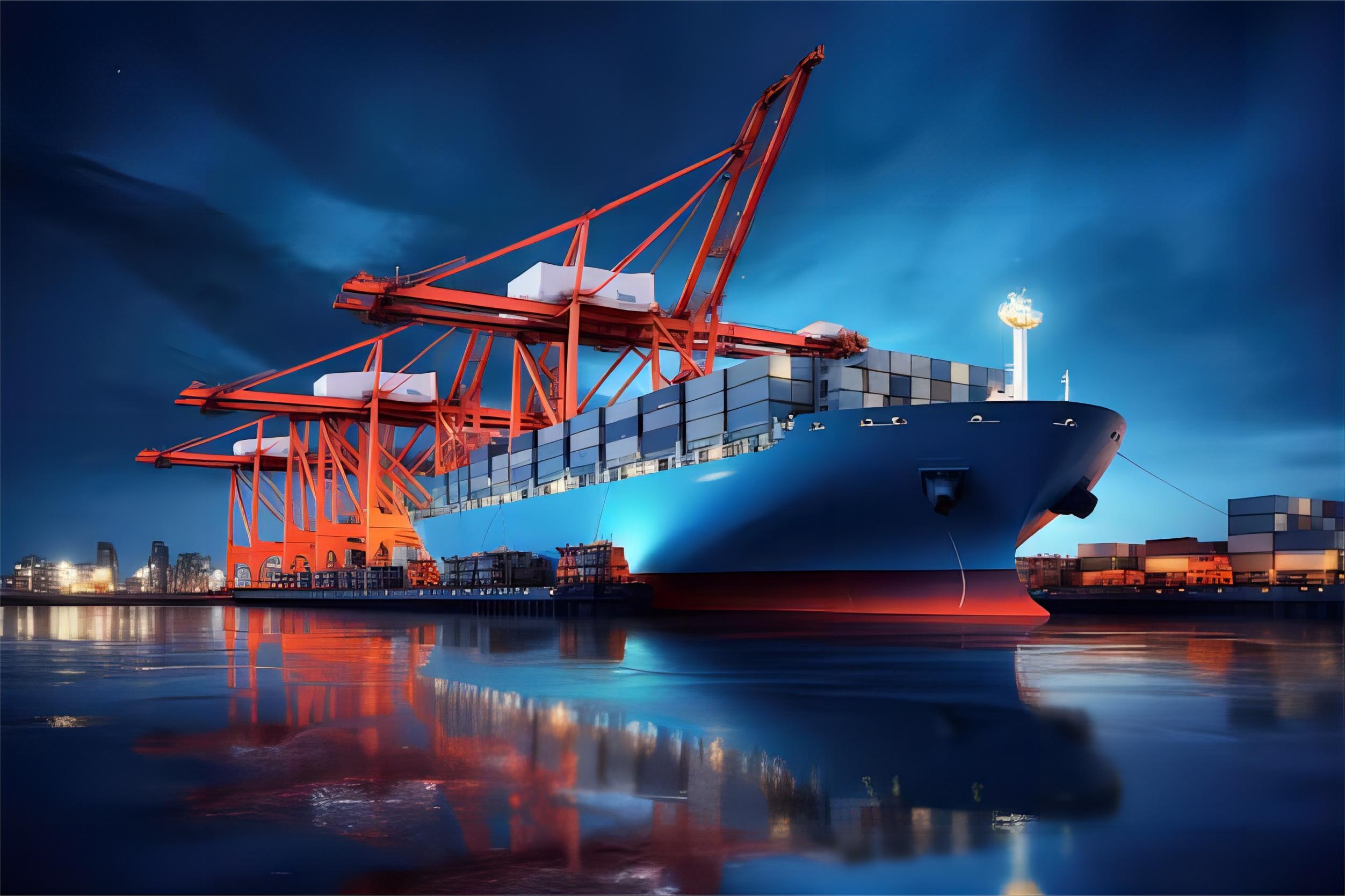
20GP FCL Shipping Cost for Solar Panels: China to Poland 2025
Calculating the 20GP FCL shipping cost for solar panels from China to Poland is a critical step for businesses involved in the European renewable energy market. Top China Freight offers specialized logistics solutions to ensure your PV modules arrive safely and cost-effectively at their destination. This guide provides a comprehensive breakdown of current market rates, transit options, and strategic advice for your next shipment.

Understanding the 20GP FCL shipping cost for solar panels from China to Poland
Determining the exact 20GP FCL shipping cost for solar panels from China to Poland involves analyzing several variable factors. Currently, the market reflects a stabilization in rates after the volatility of previous years, yet seasonal demand still creates fluctuations. Most shippers find that a 20GP container is ideal for smaller projects or when weight limits are a concern due to the density of PV modules.
Moreover, the ocean freight rate is only one component of the total landed cost you must consider. You also need to account for origin charges in China, terminal handling fees, and destination costs at Polish ports like Gdynia or Gdansk. Consequently, budgeting for these additional expenses is vital for maintaining your project margins.
Furthermore, the type of service you choose significantly impacts the final price. For instance, port-to-port rates are lower than comprehensive door to door solutions, but the latter provides much more convenience. Therefore, evaluating your internal logistics capabilities is necessary before selecting a service level.
Specifically, solar panels are classified as sensitive cargo due to their fragile nature and high value. This classification often requires specialized cargo handling and enhanced insurance coverage. Without a doubt, investing in quality logistics management prevents costly damage and delays during the long journey from East Asia to Central Europe.
Primary Factors Influencing Solar Freight Rates in 2025
Fuel prices remain a dominant factor in determining the 20GP FCL shipping cost for solar panels from China to Poland. As carriers adjust their bunker adjustment factors, shippers may see monthly changes in their total invoices. Additionally, global trade imbalances can lead to container shortages in major Chinese hubs like Ningbo or Shanghai.
Meanwhile, the time of year plays a significant role in pricing trends. For example, the months leading up to the Golden Week holiday and Chinese New Year typically see a spike in demand. Consequently, booking your shipments at least 3-4 weeks in advance is highly recommended to secure better rates.
Indeed, the choice of shipping line also affects the cost and transit time. Tier 1 carriers might offer more reliable schedules but at a premium price compared to smaller regional players. Nevertheless, for high-value solar equipment, the reliability of a major carrier often justifies the extra expense.
Consider sea freight as your primary method for large-scale solar installations. This method offers the most competitive pricing for full container loads. Furthermore, the infrastructure at Polish ports is well-equipped to handle large volumes of renewable energy technology efficiently.
How Does Sea Freight Compare to Other Shipping Options?
While ocean transport is the standard, businesses often explore alternatives to meet specific timeline requirements. Each method has distinct trade-offs regarding speed, cost, and reliability. In contrast to sea freight, rail transport has become a formidable competitor on the China-Poland route.
As a result, many importers now utilize the New Silk Road for urgent solar projects. Rail transport offers a middle ground, being faster than sea but significantly cheaper than air. However, the capacity for rail is more limited, and bookings can fill up quickly during peak seasons.
Without a doubt, air freight is the fastest but most expensive option available. It is typically reserved for urgent replacement parts or small-scale samples rather than full 20GP container volumes. To summarize, your choice depends on the balance between your budget and your project’s deadline.
| Shipping Method | Cost Range (20GP) | Transit Time | Best For |
|---|---|---|---|
| Sea Freight | $1,800 – $2,500 | 30-45 Days | Large volumes / Budget |
| Rail Freight | $3,500 – $5,200 | 18-24 Days | Mid-range speed / Balance |
| Air Freight | $12,000 – $18,000 | 5-8 Days | Urgent parts / Samples |
| Sea-Rail Hybrid | $2,800 – $3,800 | 25-32 Days | Cost optimization |
Navigating Customs and Import Duties for Polish Solar Projects
Properly managing customs brokerage is essential to avoid unexpected delays at the Polish border. You must ensure that all documentation, including the commercial invoice and packing list, accurately reflects the cargo. Additionally, providing the correct HS codes for solar panels is vital for determining the applicable duties.
Currently, Poland applies standard EU import regulations for solar modules. While some renewable energy products benefit from lower duty rates, VAT remains a significant consideration for importers. Therefore, working with an experienced broker ensures that you take advantage of any available tax incentives.
Moreover, you must verify that your solar panels meet all European Union technical standards and certifications. Failure to provide CE markings or other required safety documentation can lead to the seizure of your cargo. Consequently, thorough pre-shipment verification is a mandatory step in the logistics process.
Accordingly, the 20GP FCL shipping cost for solar panels from China to Poland should always include a buffer for potential customs-related expenses. These might include inspection fees or storage charges if the clearance process takes longer than anticipated. In addition, having your EORI number ready is a prerequisite for any import activity into Poland.
Packaging and Safety Standards for PV Module Shipments
Protecting your investment starts with professional packaging tailored for long-distance transport. Solar panels are susceptible to micro-cracks if they are subjected to excessive vibration or improper stacking. Therefore, using reinforced pallets and corner protectors is a standard requirement for international shipping.
Specifically, the way you load a 20GP container determines both safety and cost efficiency. You should aim to maximize the space without exceeding the weight limits of the container or the transport vehicles in Poland. Furthermore, securing the load with high-quality dunnage prevents shifting during rough sea conditions.
Additionally, many shippers opt for rail freight for its smoother ride compared to ocean vessels. While the costs are higher, the reduced risk of physical damage can sometimes offset the price difference. Nevertheless, regardless of the method, comprehensive cargo insurance is an absolute necessity.
Finally, ensure that your supplier in China understands the specific requirements for the Polish market. This includes labeling in the correct language and adhering to international wooden packaging standards (ISPM 15). Consequently, clear communication with your manufacturer prevents many common logistical hurdles.
Which Shipping Option Should You Choose?
Choosing the right logistics strategy depends entirely on your specific business priorities. If your primary goal is to minimize the 20GP FCL shipping cost for solar panels from China to Poland, sea freight is the clear winner. This method allows for the lowest per-unit transport cost, which is essential for large-scale commercial installations.
On the other hand, if you are facing tight construction deadlines, rail freight offers a necessary speed advantage. While you will pay a premium, the ability to start your project two weeks earlier can generate significant revenue. Therefore, the extra shipping cost is often viewed as an investment in project speed.
For those managing a complex supply chain, a hybrid approach might be the most effective solution. You can ship the bulk of your modules via sea while using rail or air for the final components needed to complete the installation. In addition, this strategy provides a safety net against unforeseen delays in any single transport lane.
| Priority | Recommended Method | Key Benefit | Trade-off |
|---|---|---|---|
| Lowest Cost | Sea Freight | Maximum savings | Longest transit |
| Speed | Rail Freight | Faster delivery | Higher cost |
| Reliability | Direct Rail | Consistent schedule | Limited capacity |
| Urgency | Air Freight | Immediate arrival | Very high price |
Real-World Case Studies for Solar Cargo
Examining real-world examples helps clarify the actual expenses and timelines involved in this route. These cases reflect typical scenarios encountered by importers in the current market environment.
+———————————————————+ | Case Study 1: Coastal Sea Freight Delivery | | Route: Ningbo, China to Gdansk, Poland | | Cargo: 20GP FCL, Tier 1 Solar Modules, 19,000 kg | | Carrier: Major Ocean Carrier | | Cost Breakdown: | | – Ocean Freight: $2,150 | | – Origin/Dest Charges: $850 | | – Total Landed: $3,000 | | Timeline: 38 Days Total | | Key Insight: Early booking saved $300 on freight. | +———————————————————+
+———————————————————+ | Case Study 2: Inland Rail Freight Solution | | Route: Xi’an, China to Warsaw, Poland | | Cargo: 20GP FCL, 540W Solar Panels | | Service: Direct Rail Link | | Cost Breakdown: | | – Rail Freight: $4,800 | | – Customs & Handling: $600 | | – Total Landed: $5,400 | | Timeline: 22 Days Total | | Key Insight: Saved 16 days vs sea for urgent project. | +———————————————————+
Note: Freight rates are subject to change based on fuel costs, carrier capacity, and seasonal demand. Contact us for a current quote tailored to your specific shipment.
Final Thoughts on Solar Logistics
In conclusion, managing the 20GP FCL shipping cost for solar panels from China to Poland requires a strategic approach that balances speed, safety, and budget. By understanding the various factors that influence freight rates, you can make informed decisions that protect your bottom line. Whether you choose the cost-effective sea route or the rapid rail connection, working with an experienced logistics partner is the key to success.
As the renewable energy sector continues to grow in Poland, staying ahead of logistics trends will provide a significant competitive advantage. Always prioritize high-quality packaging and thorough customs preparation to ensure your solar modules arrive in perfect condition. With the right planning, your international shipping process can be a seamless part of your business growth.
Ready to streamline your logistics?
Are you ready to optimize your renewable energy supply chain? Contact our team today to get a precise 20GP FCL shipping cost for solar panels from China to Poland tailored to your project requirements. Visit our inquiry page to start your quote: Visit https://Top China Freight.com/
Request Quote