


20GP FCL space availability for medical equipment from China to Europe
Securing 20GP FCL space availability for medical equipment from China to Europe is a critical task for healthcare distributors and manufacturers worldwide. As the global demand for reliable medical devices and diagnostic tools continues to grow, navigating the complexities of international shipping becomes more challenging. By partnering with a dedicated logistics provider like Top China Freight, you can streamline your supply chain and ensure timely delivery of essential goods. This guide provides a comprehensive analysis of current market trends, container availability, and strategic shipping solutions for the European market.
Understanding 20GP FCL space availability for medical equipment from China to Europe
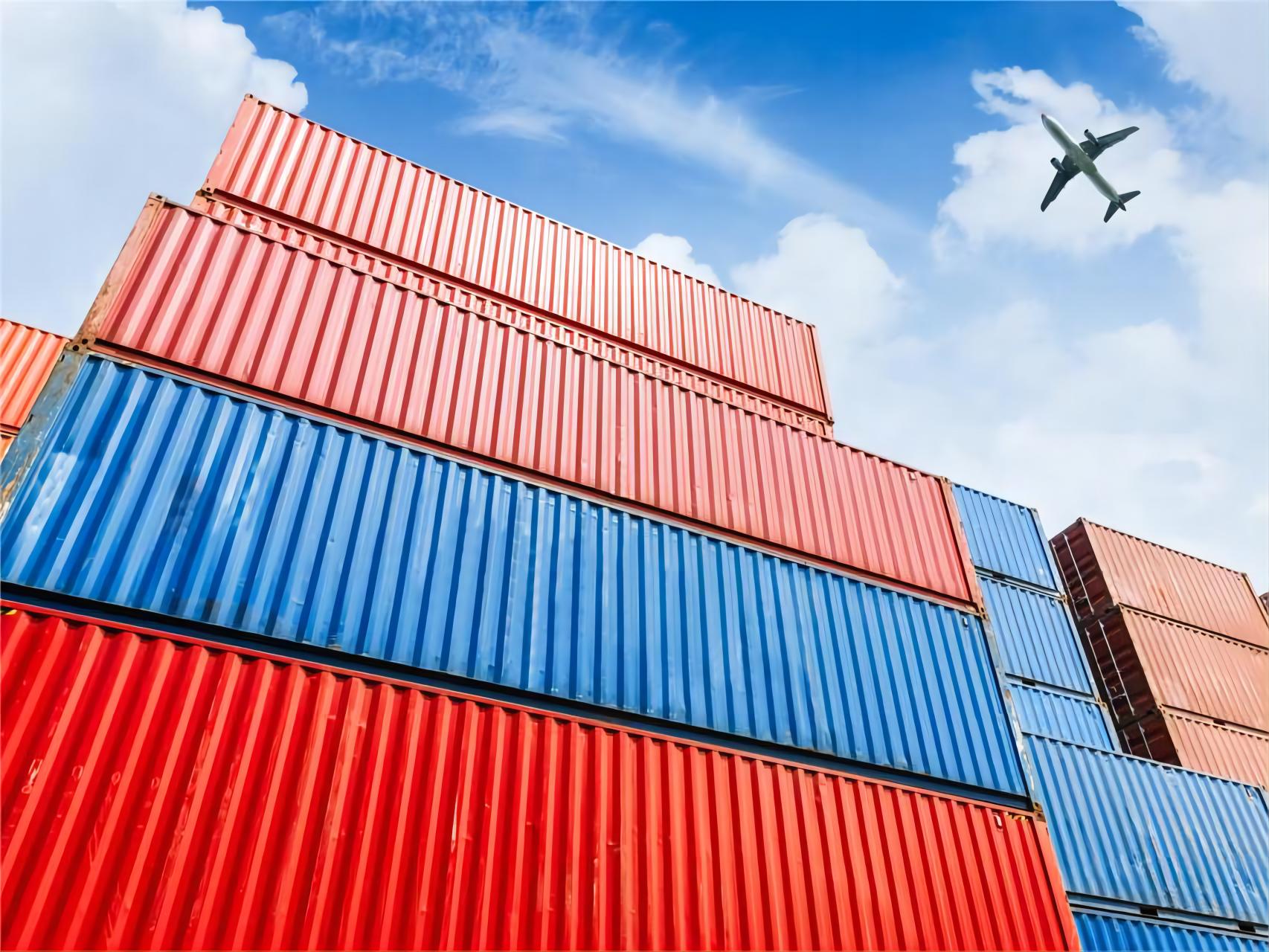
Current market conditions suggest that 20GP FCL space availability for medical equipment from China to Europe remains subject to seasonal fluctuations and global trade dynamics. Freight forwarders often prioritize medical cargo due to its high value and essential nature, yet securing space requires early booking. Moreover, the demand for 20ft General Purpose containers is particularly high for heavy medical machinery that does not require the volume of a 40ft container.
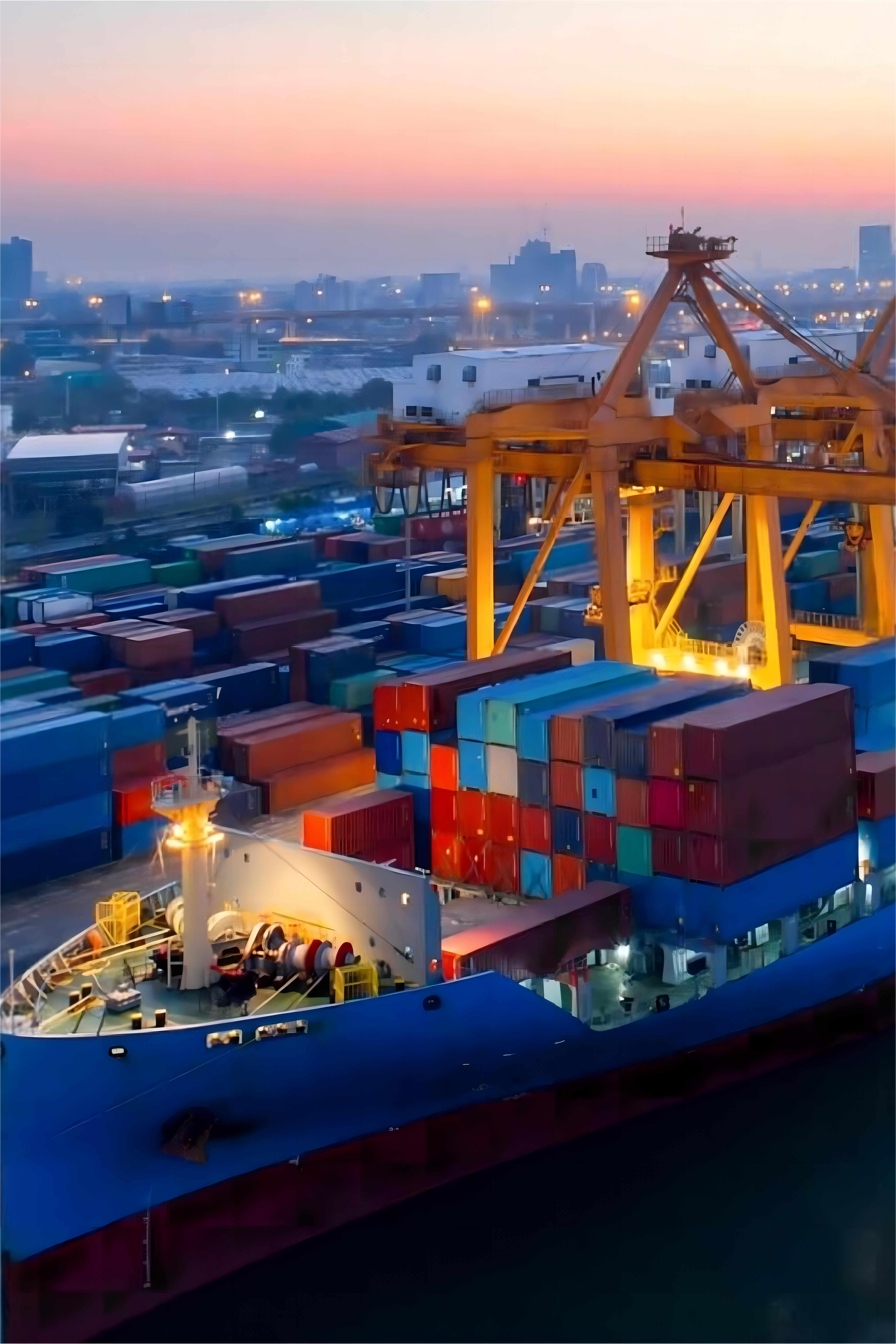
Logistics providers have observed that space availability often tightens during the peak shipping season from August to October. Consequently, importers should plan their procurement cycles at least six to eight weeks in advance to avoid delays. Furthermore, the stability of the supply chain depends heavily on the chosen carrier and the specific port of loading in China. Indeed, major hubs like Shanghai and Shenzhen offer more frequent departures but face higher congestion levels.
Reliable sea freight services are the backbone of this trade route, offering a balance between cost and capacity. Nevertheless, the recent shifts in maritime routes have impacted transit times and overall container availability. Importers must stay informed about carrier schedules and equipment repositioning trends to maintain a competitive edge in the European market.
How Does 20GP FCL Compare to Other Shipping Options?
Choosing the right shipping method is essential for managing medical equipment shipping costs and meeting delivery deadlines. While 20GP FCL is ideal for many scenarios, alternative methods such as LCL or rail freight might be more suitable depending on the volume. For instance, smaller shipments of laboratory consumables may not require a full container, making LCL a more economical choice.
On the other hand, urgent medical supplies often require the speed of air freight to meet hospital demands. Although air transport is significantly more expensive, it reduces transit time from weeks to days. Therefore, a hybrid approach combining different modes of transport can often optimize both cost and speed for complex medical projects.
The following table provides an objective comparison of the primary shipping methods available for the China-to-Europe route. This data helps logistics managers make informed decisions based on their specific cargo requirements and budget constraints.
| Shipping Method | Cost Range | Transit Time | Best For |
|---|---|---|---|
| 20GP FCL | $1,800 – $2,500 | 30 – 40 Days | Heavy Machinery |
| Rail Freight | $2,200 – $3,200 | 18 – 22 Days | Mid-range Speed |
| Air Freight | $5.00 – $8.00/kg | 5 – 7 Days | Urgent Supplies |
| LCL Sea | $50 – $90/CBM | 35 – 45 Days | Small Volumes |
Transit Times and Route Analysis for European Destinations
Transit times for 20GP FCL shipments from China to Europe vary significantly based on the destination port and the shipping line. Typically, direct services to major ports like Rotterdam or Hamburg are faster than transshipment routes. However, transshipment through hubs like Singapore can sometimes offer better space availability during peak periods.
Meanwhile, the northern rail route provides an increasingly popular alternative to traditional sea routes. This option is particularly effective for medical equipment manufacturers located in inland China who need to reach Central Europe quickly. Consequently, many businesses are diversifying their logistics strategies to include a mix of sea and rail transport.
As of early 2025, freight rates have stabilized, but fuel surcharges and port handling fees remain variable factors. It is advisable to consult with a freight expert to determine the most efficient route for your specific medical cargo. Note: Freight rates are subject to change based on fuel costs, carrier capacity, and seasonal demand. Contact us for a current quote tailored to your specific shipment.
Essential Customs and Compliance for Medical Equipment
Navigating the regulatory landscape is a critical component of shipping medical devices from China to Europe. Each shipment must comply with strict EU Medical Device Regulations (MDR) to ensure smooth entry into the market. Furthermore, accurate documentation is vital to prevent costly delays at the port of discharge.
Professional customs brokerage services can help importers manage the complex paperwork required for healthcare products. For example, certificates of conformity and detailed technical files must be presented to customs authorities upon arrival. Additionally, understanding the specific VAT and duty rates for different types of medical equipment can significantly impact the total landed cost.
Without a doubt, compliance is non-negotiable in the medical industry. Therefore, working with a logistics partner who understands both Chinese export regulations and European import requirements is essential. This ensures that your 20GP FCL space availability is not wasted due to documentation errors or regulatory hurdles.
Realistic Case Studies of Medical Equipment Shipments
Examining real-world examples provides valuable insights into the practicalities of shipping medical equipment. These cases illustrate how different strategies can be applied to overcome common logistics challenges. For instance, managing lead times and container loading can make a significant difference in overall project success.
The following case studies represent typical scenarios handled by our team in the 2024-2025 period. They highlight the importance of choosing the right container size and shipping method for specific types of medical cargo. These examples are based on actual market rates and transit times observed during recent operations.
Case Study 1: Shipping Diagnostic Imaging Machines
Route: Shenzhen, China to Hamburg, Germany. Cargo: Ultrasound machines, 18 CBM, 4,500 kg. Container: 20GP FCL. Shipping Details: Direct sea service via major carrier. Port of Loading: Shenzhen. Port of Discharge: Hamburg. Cost Breakdown: Ocean Freight: $2,150; Origin Charges: $350; Destination Charges: $420; Customs & Duties: $1,200; Total Landed Cost: $4,120. Timeline: Booking to Loading: 5 days; Sea Transit: 33 days; Customs Clearance: 2 days; Total Door-to-Door: 40 days. Key Insight: Early booking allowed the client to secure a 20GP container during a period of high demand, ensuring the clinic received equipment on schedule.
Case Study 2: Transporting Surgical Instruments
Route: Ningbo, China to Rotterdam, Netherlands. Cargo: Stainless steel surgical kits, 15 CBM, 3,200 kg. Container: 20GP FCL. Shipping Details: Rail freight service via the Silk Road. Port of Loading: Ningbo (Inland terminal). Port of Discharge: Rotterdam. Cost Breakdown: Rail Freight: $2,800; Origin Charges: $300; Destination Charges: $380; Customs & Duties: $950; Total Landed Cost: $4,430. Timeline: Booking to Loading: 4 days; Rail Transit: 20 days; Customs Clearance: 3 days; Total Door-to-Door: 27 days. Key Insight: Choosing rail freight reduced transit time by 13 days compared to sea freight, which was crucial for meeting a hospital tender deadline.
Cost-Saving Strategies for Medical Equipment Importers
Reducing logistics expenses without compromising cargo safety is a primary goal for most medical equipment importers. One effective strategy is to optimize container loading to maximize the use of available space. For example, using specialized dunnage and packing techniques can allow more units to fit into a single 20GP container.
Moreover, considering door to door services can simplify the process and often reduce hidden costs associated with multiple service providers. This comprehensive approach ensures that every stage of the journey, from the factory floor to the final destination, is managed efficiently. Additionally, negotiating long-term contracts with carriers can provide more stable pricing and better space guarantees.
Another alternative is to explore rail freight for shipments that require a faster turnaround than sea freight but cannot justify the cost of air transport. This middle-ground solution has become increasingly reliable for high-value medical cargo. Consequently, many businesses are now utilizing rail as a standard part of their European distribution strategy.
Which Option Should You Choose?
Selecting the best shipping method depends on several factors, including your budget, urgency, and the nature of the medical equipment. If cost is your primary concern and you have a flexible timeline, sea freight in a 20GP container is usually the most economical choice. This is particularly true for bulky items like hospital furniture or large diagnostic machines.
However, if speed is the priority due to an urgent healthcare need, air freight is the superior option despite the higher cost. For those seeking a balance, rail freight offers a compelling compromise with faster transit times than sea and lower costs than air. Furthermore, for very small shipments, LCL sea freight or express services might be the most practical way to maintain inventory levels.
Ultimately, the decision should be based on a thorough analysis of your supply chain requirements. We recommend consulting with a logistics professional to evaluate all available options and select the one that best aligns with your business objectives. Regardless of the method, ensuring 20GP FCL space availability for medical equipment from China to Europe requires proactive management and expert execution.
Conclusion
In summary, managing 20GP FCL space availability for medical equipment from China to Europe requires a combination of strategic planning, market awareness, and reliable partnerships. By understanding the differences between sea, rail, and air freight, importers can optimize their logistics for both cost and efficiency. Moreover, staying compliant with European regulations and utilizing professional customs services is essential for a smooth shipping experience.
As the market continues to evolve in 2025, the ability to adapt to changing conditions will be a key factor in successful medical equipment distribution. Whether you are shipping large diagnostic machines or small surgical tools, choosing the right container and route is vital. We encourage you to leverage the expertise of Top China Freight to navigate these complexities and ensure your vital medical supplies reach their destination safely and on time.
Ready to streamline your logistics?
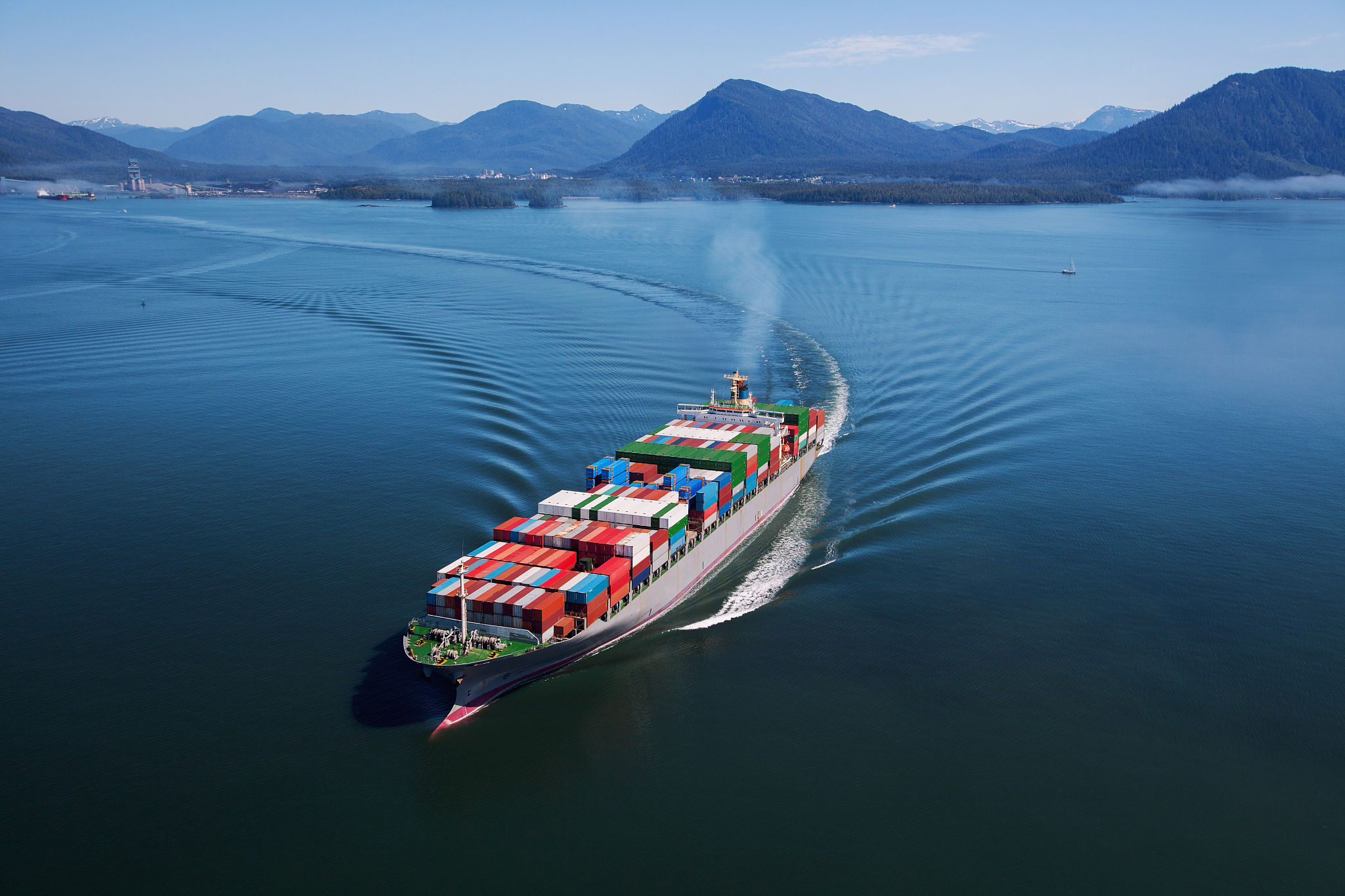
Ensure your healthcare supply chain remains uninterrupted by securing 20GP FCL space availability for medical equipment from China to Europe today. Our team at Top China Freight is ready to provide you with tailored logistics solutions and competitive rates. Send Inquiry: Visit https://Top China Freight.com/ to request your personalized quote and streamline your medical equipment imports.
Request Quote