20GP FCL tracking for machinery from China to Illinois: A Complete Guide
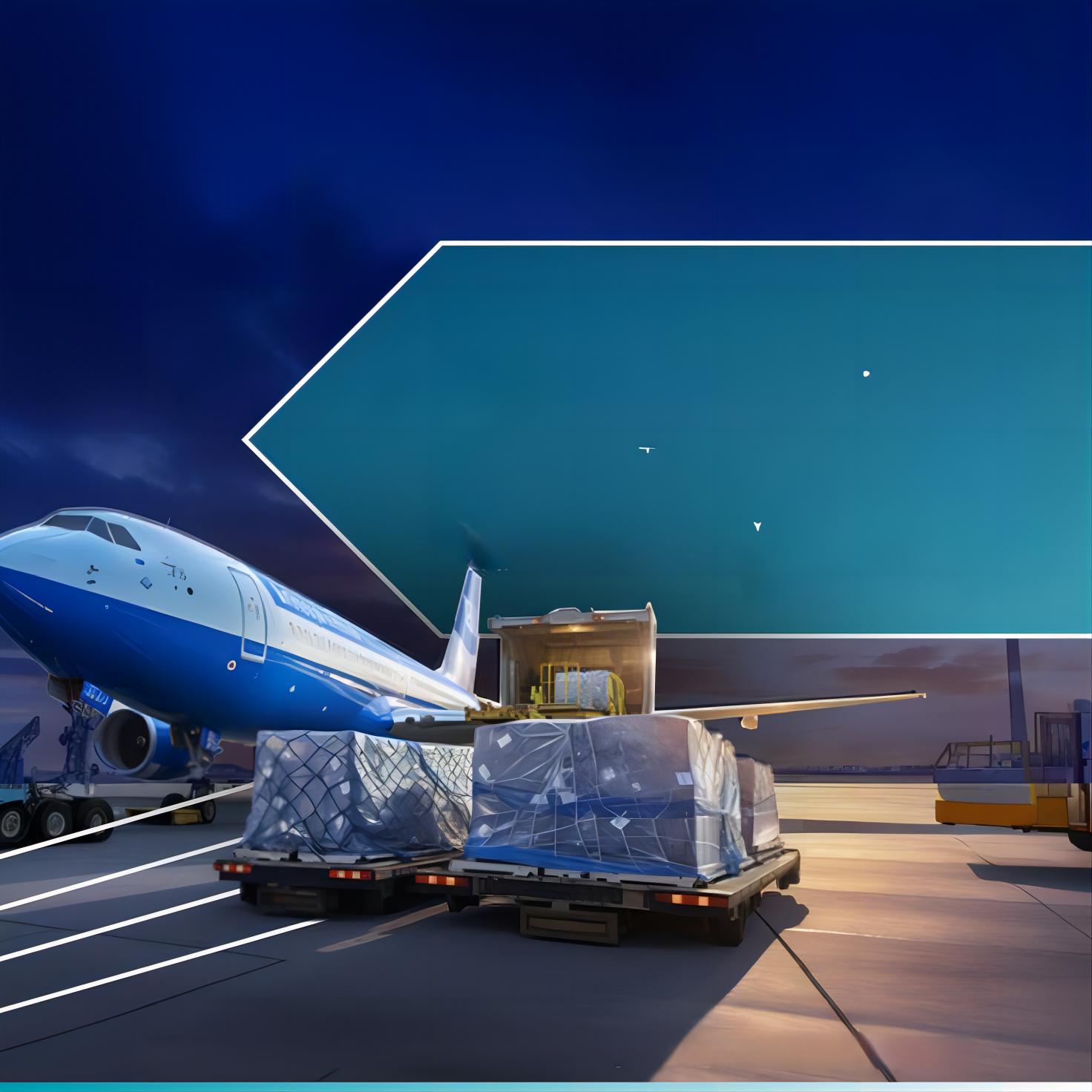
Shipping industrial equipment across the ocean requires meticulous planning and constant visibility. When managing 20GP FCL tracking for machinery from China to Illinois, businesses rely on Top China Freight to ensure their cargo arrives on schedule. This comprehensive guide explores the complexities of logistics management for heavy machinery shipments to the American Midwest.
What is 20GP FCL tracking for machinery from China to Illinois?
Tracking a 20GP container involves monitoring the movement of a full container load from the point of origin in China to the final destination in Illinois. This process provides transparency throughout the entire supply chain, allowing importers to anticipate arrival times accurately.
Moreover, specialized machinery often requires specific handling protocols during transit. Consequently, having access to real-time data ensures that any delays at transshipment hubs or ports are identified immediately.
Importers utilize various tools to maintain oversight of their sea freight shipments. Therefore, understanding the nuances of container status updates is vital for maintaining an efficient delivery schedule.
How Does 20GP FCL Compare to Other Shipping Options?
Choosing the right shipping method is a critical decision for any industrial business. While a 20GP container offers a dedicated space for your machinery, other alternatives might be more suitable depending on your specific volume and urgency.
Additionally, comparing costs and transit times helps in selecting the most economical route. For instance, air freight is significantly faster but comes with a much higher price tag compared to ocean transport.
Furthermore, businesses must weigh the benefits of FCL against Less than Container Load (LCL) options. In many cases, the security of a full container justifies the cost for sensitive machinery.
| Shipping Method | Cost Range (USD) | Transit Time | Best For |
|---|---|---|---|
| 20GP FCL | 2,500 – 3,500 | 30 – 40 Days | Industrial Machinery |
| LCL Shipping | 150 – 300 /CBM | 35 – 45 Days | Small Spare Parts |
| Air Freight | 8,000 – 15,000 | 5 – 8 Days | Urgent Components |
| Door to Door | Varies | 35 – 50 Days | Complete Solutions |
Which Option Should You Choose?
Budget priority dictates that sea freight is the most viable option for heavy machinery. However, if speed is your primary concern, air freight remains the only way to meet tight production deadlines.
Cargo type considerations also play a major role in this decision. For example, sensitive electronic machinery might benefit from door to door services to minimize handling risks.
Volume thresholds usually suggest that any shipment over 15 cubic meters should utilize a 20GP container. Consequently, FCL becomes more cost-effective than LCL at this specific volume level.
Key Steps in the 20GP FCL tracking for machinery from China to Illinois process
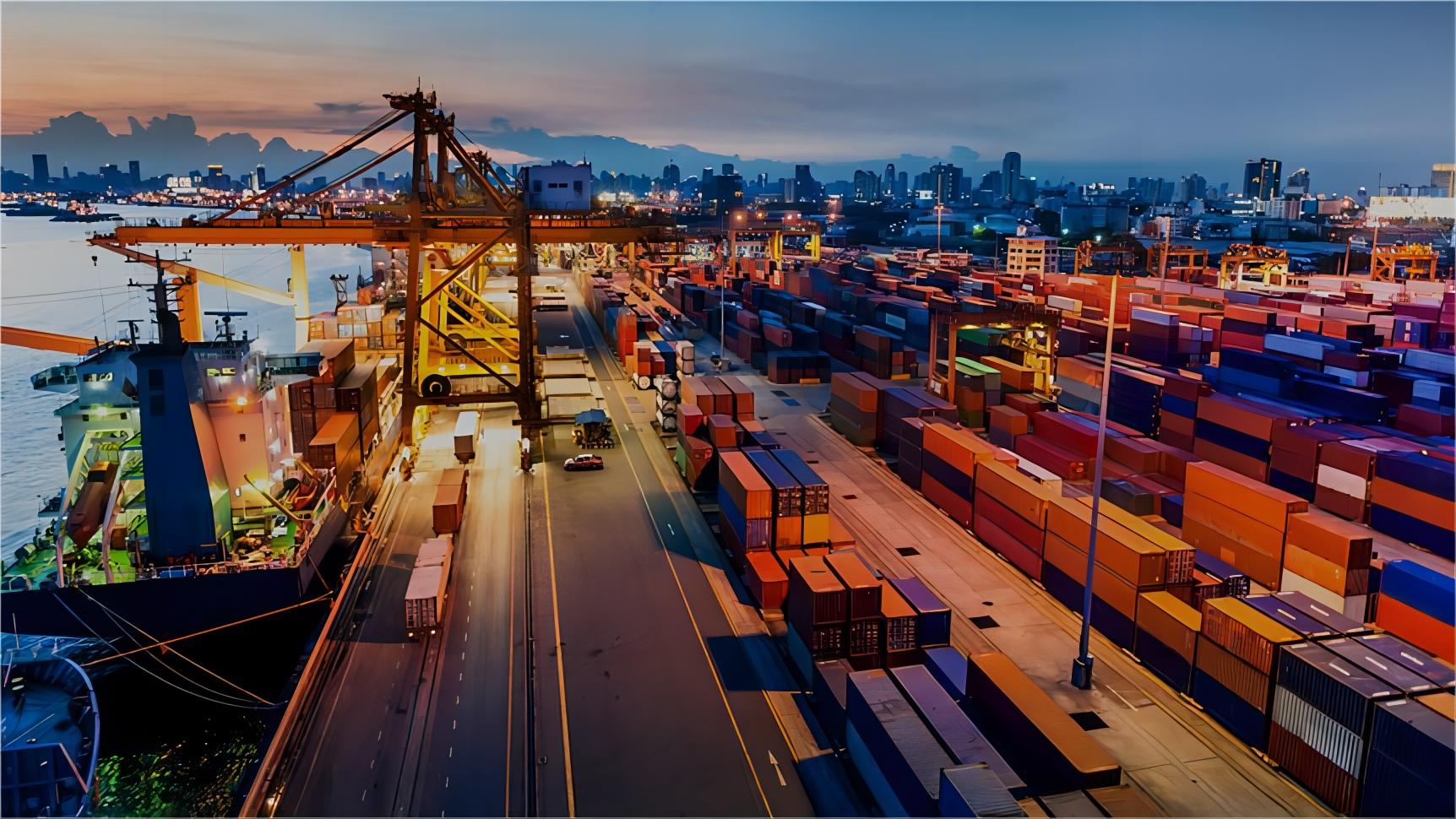
Effective tracking begins the moment the container is gated into the terminal in China. Carriers provide a Bill of Lading number which serves as the primary key for all tracking systems.
Subsequently, the container is loaded onto the vessel and begins its ocean voyage. During this phase, satellite tracking provides updates on the ship’s position and estimated time of arrival at the US port.
Professional customs brokerage services then take over once the vessel nears the United States. They ensure that all import duties and paperwork are processed to avoid delays at the port of discharge.
Cost Factors for Machinery Shipments to Illinois
Freight rates are influenced by several variables including seasonal demand and fuel surcharges. Generally, rates peak during the late summer months as retailers prepare for the holiday season.
Indeed, the inland transport from the port of arrival to the final Illinois destination adds a significant amount to the total landed cost. Therefore, choosing the right port of entry, such as Chicago or a West Coast port with rail transfer, is essential.
Market data suggests that ocean freight costs for a 20GP container have stabilized in early 2025. Nevertheless, importers should always account for potential terminal handling charges and documentation fees.
| Expense Category | Estimated Cost | Frequency | Impact Level |
|---|---|---|---|
| Ocean Freight | 2,500 – 3,200 | Per Container | High |
| Inland Trucking | 800 – 1,500 | Per Trip | Medium |
| Customs Duties | 3% – 25% of Value | Per Entry | Variable |
| Port Fees | 300 – 600 | Per Shipment | Low |
Transit Times and Route Options to Illinois
Shipping to Illinois typically involves two main route strategies. The first involves shipping to a West Coast port like Long Beach and then using rail transport to reach Chicago.
Alternatively, an all-water route through the Panama Canal to an East Coast port is possible, though less common for Illinois destinations. Most shipments to North America utilize the intermodal rail system for inland states.
Typical transit times range from 25 to 40 days depending on the chosen route. Factors such as port congestion and weather conditions can occasionally extend these timelines.
| Origin City | Route Type | Average Days | Reliability |
|---|---|---|---|
| Shanghai | Via LA / Rail | 28 – 32 Days | High |
| Shenzhen | Via LA / Rail | 30 – 35 Days | High |
| Ningbo | All-Water / East | 38 – 45 Days | Medium |
| Qingdao | Via LA / Rail | 32 – 36 Days | High |

Realistic Case Studies for Machinery Logistics
Reviewing real-world examples provides valuable insight into the actual costs and timelines involved in international shipping. These cases reflect typical scenarios encountered by industrial importers in Illinois.
Case Study 1: CNC Machine from Shanghai to Chicago. A manufacturer imported a 20GP container containing a precision milling machine. The shipment utilized a direct carrier service to Long Beach followed by intermodal rail transport.
Case Study 2: Industrial Lathe from Ningbo to Joliet. This shipment involved heavy cargo that required specialized blocking and bracing. Despite minor port congestion, the 20GP FCL tracking for machinery from China to Illinois allowed the client to adjust their installation schedule accordingly.
Case Study 3: Packaging Equipment from Shenzhen to Peoria. This door-to-door shipment included full customs clearance and final mile delivery. Total transit time was 34 days with a total landed cost of 5,400 dollars.
Case Study 1: Precision CNC Transport
Route: Shanghai, China to Chicago, Illinois. Cargo: CNC Milling Machine, 18 CBM, 4,500 kg. Container: 20GP. Shipping Details: Carrier: COSCO. Port of Loading: Shanghai. Port of Discharge: Long Beach (Intermodal to Chicago). Route Type: Transshipment via Rail. Cost Breakdown: Ocean Freight: 2,800 USD. Origin Charges: 450 USD. Destination Charges: 900 USD. Customs and Duties: 1,200 USD. Total Landed Cost: 5,350 USD. Timeline: Booking to Loading: 5 days. Sea Transit: 16 days. Rail Transit: 7 days. Customs Clearance: 3 days. Total Door-to-Door: 31 days. Key Insight: Using intermodal rail saved 10 days compared to the all-water route.
Case Study 2: Industrial Lathe Delivery
Route: Ningbo, China to Joliet, Illinois. Cargo: Industrial Lathe, 22 CBM, 6,200 kg. Container: 20GP. Shipping Details: Carrier: Maersk. Port of Loading: Ningbo. Port of Discharge: Savannah (All-water). Route Type: Direct. Cost Breakdown: Ocean Freight: 3,400 USD. Origin Charges: 500 USD. Destination Charges: 750 USD. Customs and Duties: 1,800 USD. Total Landed Cost: 6,450 USD. Timeline: Booking to Loading: 7 days. Sea Transit: 32 days. Customs Clearance: 4 days. Total Door-to-Door: 43 days. Key Insight: The all-water route was chosen to minimize rail vibration risks for the sensitive lathe.
Final Thoughts on Machinery Shipping to Illinois
Successfully managing 20GP FCL tracking for machinery from China to Illinois requires a combination of the right tools and experienced partners. By understanding the various route options and cost factors, businesses can significantly improve their supply chain visibility.
Furthermore, utilizing real-time tracking data allows for proactive problem-solving when delays occur. Therefore, investing in quality logistics services is essential for any company importing heavy equipment from China.
Note: Freight rates are subject to change based on fuel costs, carrier capacity, and seasonal demand. Contact us for a current quote tailored to your specific shipment.
Ready to streamline your logistics?
Ensure your industrial equipment arrives safely and on time. Contact our experts today for a personalized quote on 20GP FCL tracking for machinery from China to Illinois. Let us optimize your machinery transport solutions with our professional logistics management.
Request Quote