


40GP FCL Best Route for Auto Parts from China to Chicago
Establishing the 40GP FCL best route for auto parts from China to Chicago is a critical step for manufacturers seeking to optimize their North American supply chains. High-volume shipments of automotive components require a balance of cost-efficiency and reliable scheduling to prevent production delays. Top China Freight provides expert guidance and comprehensive logistics management to ensure your cargo moves seamlessly across the Pacific. By selecting the right combination of ocean carriers and inland transport, businesses can significantly reduce their landed costs.
Why Choose a 40GP FCL for Shipping Auto Parts?
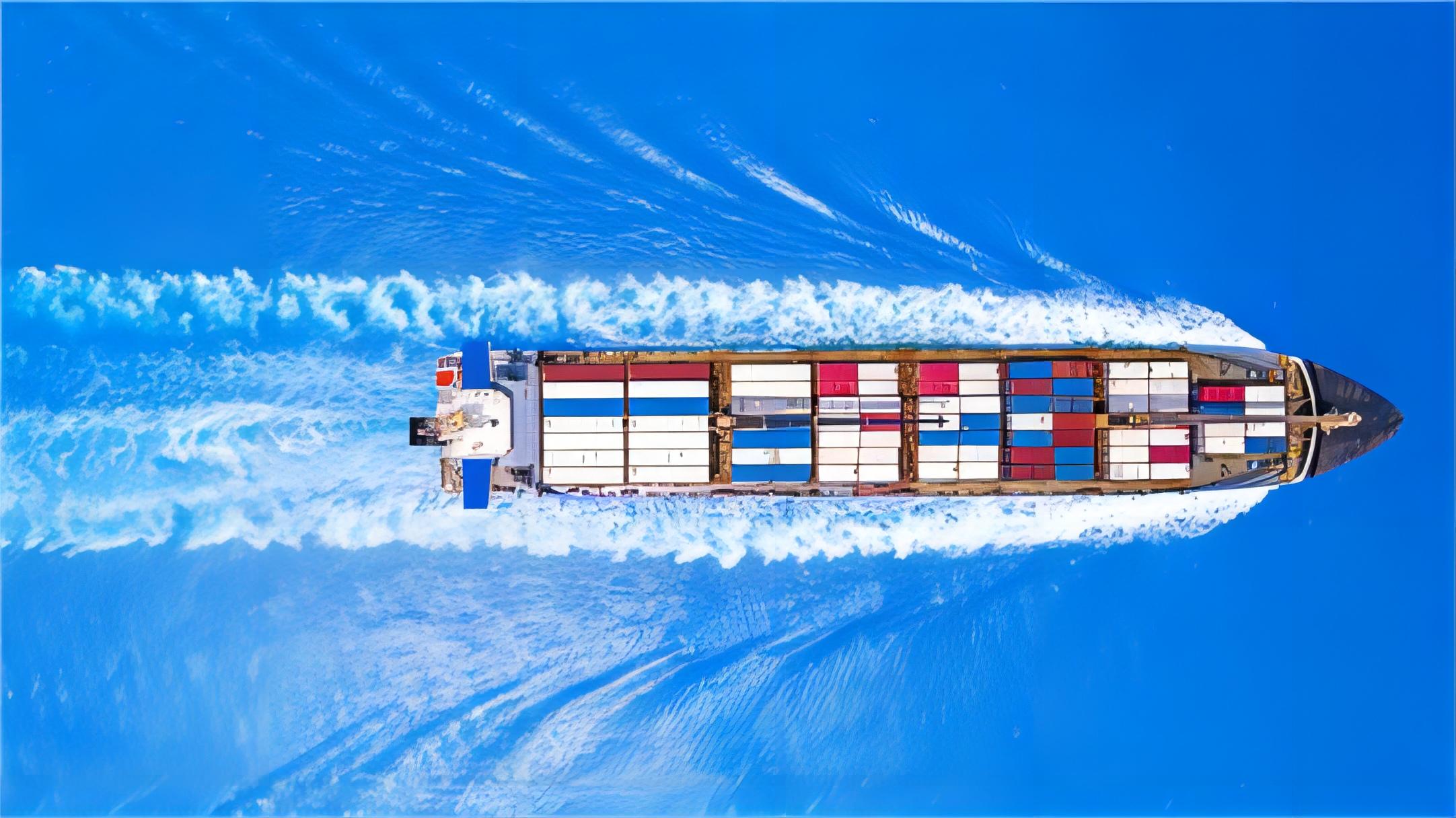
A 40GP container offers the ideal volume-to-weight ratio for most automotive components such as engines, transmissions, and body panels. Using sea freight in a Full Container Load (FCL) ensures that your goods remain undisturbed from the point of origin to the final destination. This method minimizes the risk of damage compared to Less than Container Load (LCL) shipments.
Furthermore, FCL shipping provides a faster transit time because the container does not need to be consolidated or deconsolidated at multiple hubs. Consequently, manufacturers can maintain tighter inventory controls and meet just-in-time production requirements. The 40GP size specifically accommodates large, bulky items while remaining compatible with standard rail and truck infrastructure in the United States.
What is the 40GP FCL Best Route for Auto Parts from China to Chicago?
The most efficient route typically involves shipping from major Chinese ports like Shanghai or Ningbo to a US West Coast port such as Los Angeles or Long Beach. From there, the container is transferred to a dedicated rail line for transport to the Chicago rail ramps. This intermodal approach is widely considered the 40GP FCL best route for auto parts from China to Chicago due to its balance of speed and cost.
Alternatively, some shippers prefer the All-Water route through the Panama Canal to East Coast ports like Savannah or New York. While this route avoids the potential for West Coast port congestion, it generally adds 10 to 15 days to the total transit time. Shipping to North America requires careful planning to account for seasonal fluctuations in carrier capacity and rail availability.
| Route Type | Port of Entry | Inland Mode | Est. Transit Time |
|---|---|---|---|
| Intermodal (IPI) | LA / Long Beach | Rail (BNSF/UP) | 18-24 Days |
| Intermodal (MLB) | Prince Rupert | Rail (CN/CP) | 20-26 Days |
| All-Water | Savannah / NY | Truck / Rail | 32-38 Days |
| Direct Rail (Future) | Inland Hubs | N/A | Not Applicable |
How Does 40GP FCL Compare to Other Shipping Options?
While FCL is the standard for high-volume auto parts, other methods may be more suitable depending on the urgency and size of the shipment. For example, rail freight options across Eurasia exist for European destinations but are not applicable for the China-US route. Shippers must decide between the speed of air freight and the economy of ocean transport.
Specifically, air freight is reserved for critical components like microchips or emergency replacement parts due to its high cost. In contrast, 40GP FCL remains the workhorse of the automotive industry because it supports heavy cargo loads at a fraction of the price. Hybrid solutions like sea-air are rarely used for Chicago-bound auto parts because the intermodal rail system is already highly optimized.
| Shipping Method | Cost Range (40GP) | Transit Time | Best For |
|---|---|---|---|
| 40GP FCL Sea | $3,500 – $5,500 | 22-35 Days | Bulk Auto Parts |
| LCL Sea Freight | $80 – $150 / CBM | 30-45 Days | Small Spare Parts |
| Air Freight | $15,000 – $25,000 | 3-7 Days | Urgent Components |
| Fast Boat (Matson) | $6,000 – $8,000 | 15-18 Days | Time-Sensitive FCL |
Understanding Transit Times for Chicago-Bound Cargo
Shipping from China to Chicago is not a single-step process but a multi-modal journey. The sea transit from Shanghai to Los Angeles typically takes 14 to 16 days under normal conditions. Once the container arrives, terminal handling and rail loading can take an additional 3 to 7 days depending on port fluidness.
The final rail leg from the West Coast to Chicago usually takes 5 to 7 days. Therefore, the total door-to-door transit time generally falls between 25 and 35 days. Using a door to door service provider can help streamline these transitions and reduce the likelihood of the container sitting idle at the port.
Navigating Customs and Documentation for Auto Parts
Importing automotive components into the United States requires strict adherence to Customs and Border Protection (CBP) regulations. You must ensure that all parts comply with Department of Transportation (DOT) standards and are correctly classified under the Harmonized Tariff Schedule (HTS). Failure to provide accurate documentation can lead to expensive delays and heavy fines.
Working with an experienced customs brokerage is essential for managing the ISF filing and entry process. Key documents include the Bill of Lading, Commercial Invoice, and Packing List. Additionally, you should be prepared for potential inspections if your cargo includes specialized electronic components or hazardous materials like lithium batteries.
| Document Name | Required By | Key Information | Timing |
|---|---|---|---|
| ISF (10+2) | US Customs | Importer/Supplier Info | 24hrs Before Loading |
| Bill of Lading | Carrier | Cargo Details/Title | Upon Sailing |
| Commercial Invoice | US Customs | Value/HTS Codes | At Entry Filing |
| Packing List | Warehouse/CBP | Weight/Dimensions | At Entry Filing |

Real Case Studies: China to Chicago Success Stories
Case Study 1: An auto parts distributor in Chicago needed to transport 40GP containers of brake rotors from Ningbo. By using the intermodal route through the Port of Prince Rupert and CN Rail, they achieved a transit time of 24 days. The total landed cost was $5,100 per container, representing a 15% saving compared to their previous East Coast route. This strategy allowed them to maintain stock levels during a period of high demand in the Midwest.
Case Study 2: A Tier 1 supplier required 40HQ containers for lightweight plastic interior components from Shanghai. They chose the IPI route via Long Beach to Chicago. Despite a minor 3-day delay at the port due to a rail car shortage, the shipment arrived in 31 days. The cost was $5,600 per container, including all origin and destination charges. This case highlights the importance of building a buffer into the delivery schedule for inland haulage.
Which Option Should You Choose for Your Auto Parts?
Choosing the best route depends heavily on your budget and delivery deadlines. If cost is your primary concern and you have a flexible schedule, the All-Water route to the East Coast may offer lower inland trucking fees once the ship arrives. However, for most businesses, the speed of the West Coast intermodal route justifies the slightly higher ocean freight rates.
Moreover, you should consider the volume of your shipments. For those moving more than 10 containers per month, negotiating a service contract with a carrier can provide more stable pricing. Smaller importers should leverage the rates of a freight forwarder who can offer competitive spot market pricing and better space protection during peak seasons.
Final Thoughts on Shipping Auto Parts to Chicago
In summary, identifying the 40GP FCL best route for auto parts from China to Chicago requires an understanding of both ocean and rail logistics. The West Coast intermodal path remains the most popular choice for its efficiency and frequency of service. By focusing on accurate documentation and choosing reliable carriers, you can mitigate the risks associated with international shipping.
As market conditions evolve in 2025, staying informed about port productivity and rail capacity will be vital. Partnering with a knowledgeable freight forwarder ensures that your auto parts supply chain remains resilient and cost-effective. Start planning your next 40GP FCL shipment today to secure the best possible rates and transit times.

Ready to streamline your logistics?
Optimizing your automotive supply chain starts with choosing the right logistics partner. Our team specializes in the 40GP FCL best route for auto parts from China to Chicago, ensuring your components arrive on time and within budget. Contact Top China Freight today for a customized quote and expert advice on your next shipment. Send Inquiry for a competitive rate.
Request Quote