

40GP FCL best route for lighting from China to Chicago: Top Shipping Guide
Shipping lighting equipment across the Pacific requires a strategic approach to balance speed and cost. Finding the 40GP FCL best route for lighting from China to Chicago is the primary goal for importers who want to maintain a healthy supply chain. Consequently, businesses must evaluate various intermodal and all-water options to ensure their fragile cargo arrives safely and on time. This comprehensive guide provides the market intelligence needed to navigate the complexities of international shipping from major Chinese hubs to the American Midwest.

Why the 40GP FCL best route for lighting from China to Chicago matters
Selecting the right path for your container significantly impacts your bottom line and delivery schedule. Lighting products are often high-volume but relatively lightweight, making the 40GP container an ideal choice for maximizing space efficiency. Moreover, Chicago serves as a massive inland hub, which means the final leg of the journey involves complex rail or truck logistics.
Therefore, choosing a route that minimizes transshipment delays is crucial for maintaining inventory levels. Indeed, the wrong choice can lead to port congestion issues or unexpected inland surcharges. By focusing on the most efficient corridors, you can reduce the total landed cost of your goods while ensuring product safety.
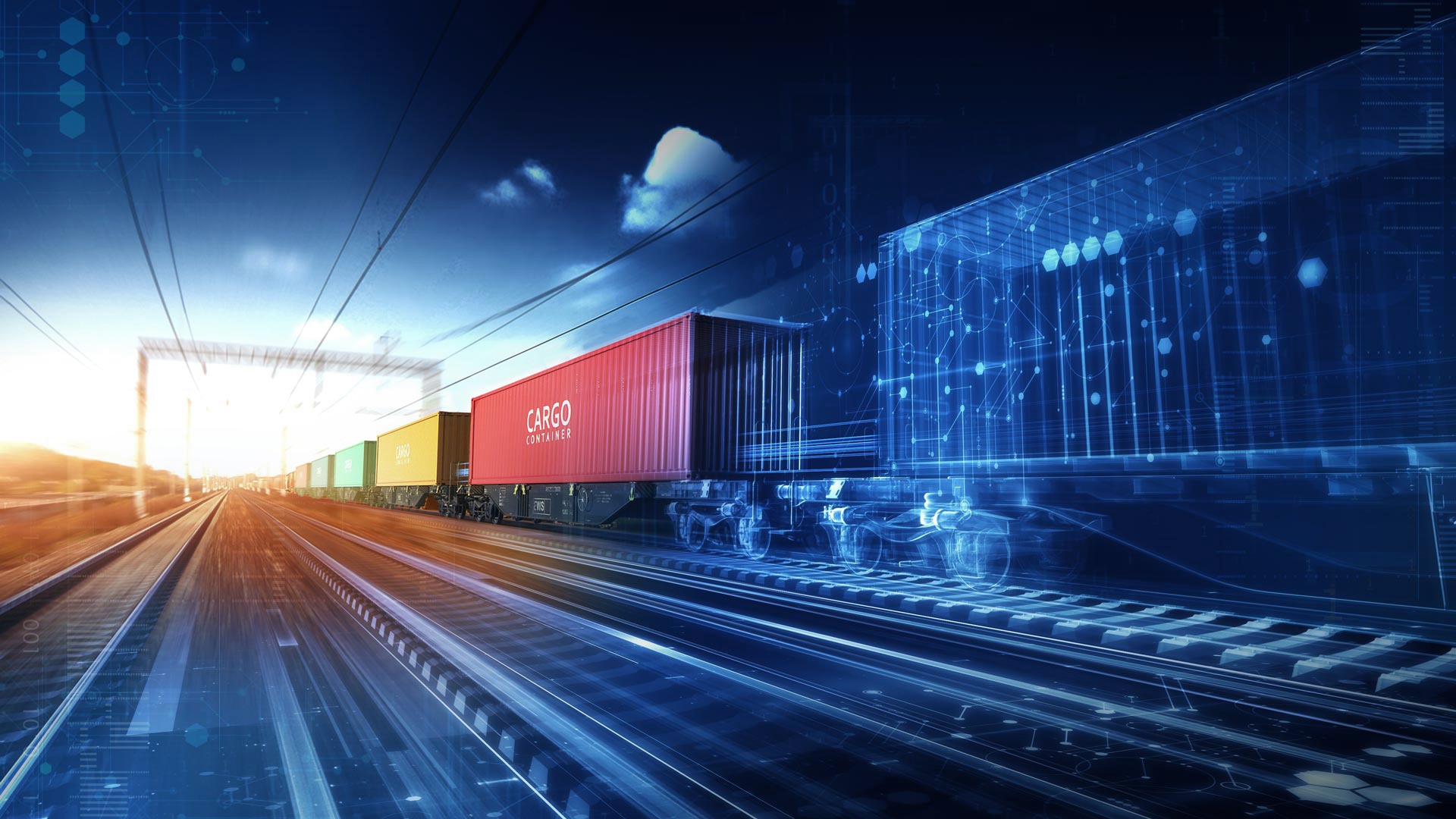
Additionally, the nature of lighting fixtures requires careful cargo handling to prevent breakage during transit. FCL shipments offer a distinct advantage here because the container remains sealed from the point of origin to the final destination. This reduces the risk of damage compared to LCL shipments where multiple cargoes are handled together.
Analyzing the Primary Shipping Routes to Chicago
Most importers consider the West Coast Intermodal (IPI) route as the standard choice for speed. This involves shipping via sea freight to ports like Los Angeles or Long Beach, followed by a rail journey to Chicago. Consequently, this route typically offers the fastest transit times, often ranging from 18 to 25 days.
On the other hand, the all-water route through the Panama Canal to East Coast or Gulf Coast ports is an alternative. While this path takes longer, usually 35 to 45 days, it can sometimes offer more stable freight rates during West Coast labor disputes. However, the additional time at sea must be factored into your supply chain planning.
Furthermore, the Prince Rupert route in Canada has gained popularity for its efficiency in reaching the Midwest. Ships dock in British Columbia, and containers are moved directly onto CN Rail lines heading straight to Chicago. This specific path often avoids the heavy congestion found in Southern California ports.
| Route Type | Transit Time | Cost Level | Reliability |
|---|---|---|---|
| West Coast IPI | 18-25 Days | Moderate | High |
| All-Water (East Coast) | 35-45 Days | High | Moderate |
| Prince Rupert (Canada) | 20-28 Days | Moderate | High |
| Suez Canal (Alternative) | 40-50 Days | Variable | Low |
How Does FCL Compare to Other Shipping Options?
When evaluating the 40GP FCL best route for lighting from China to Chicago, it is essential to look at alternatives. While FCL provides a dedicated space, some smaller shipments might benefit from different methods. Nevertheless, for a full 40-foot container of lighting, FCL remains the most economical choice per unit.
Specifically, air freight is significantly faster but comes with a much higher price tag. It is usually reserved for urgent prototypes or high-value designer lamps that need to reach the market immediately. In contrast, sea freight offers the volume capacity needed for mass-market distribution.
Hybrid solutions like sea-air are also available for those who need a middle ground. These involve shipping by sea to a hub like Dubai or Los Angeles and then flying the cargo the rest of the way. However, for most standard lighting orders, a well-planned FCL route is the most sustainable strategy.
| Method | Cost Range (40GP Equiv) | Transit Time | Best For |
|---|---|---|---|
| FCL Sea Freight | $4,000 – $6,000 | 20-40 Days | Bulk Inventory |
| LCL Sea Freight | $100 – $200 per CBM | 25-45 Days | Small Batches |
| Air Freight | $15,000 – $25,000 | 3-7 Days | Urgent/High Value |
| Express Service | Very High | 2-5 Days | Samples |

Cost Factors and Budgeting for Lighting Shipments
Understanding the components of your shipping quote is vital for accurate budgeting. Beyond the ocean freight rate, you must account for origin charges, terminal handling fees, and customs brokerage costs. Furthermore, inland drayage from the Chicago rail ramp to your warehouse can be a significant expense.
Typically, freight rates fluctuate based on seasonal demand and fuel surcharges. For example, the peak season from August to October often sees price spikes as retailers prepare for the holidays. Accordingly, booking your 40GP container several weeks in advance can help secure better rates.
Indeed, customs duties for lighting fixtures can vary depending on the specific HTS code and country of origin. You should consult with a professional to ensure your documentation is accurate to avoid costly delays. Note: Freight rates are subject to change based on fuel costs, carrier capacity, and seasonal demand. Contact us for a current quote tailored to your specific shipment.
Case Study 1: LED Fixtures from Shenzhen to Chicago
Case Study 1: High-Efficiency LED Panel Shipment
Route: Shenzhen, China to Chicago, USA via Los Angeles
Cargo: Professional LED panels, 65 CBM, 12,000 kg
Container: 40GP FCL
Shipping Details:
– Carrier: COSCO Shipping
– Port of Loading: Yantian (Shenzhen)
– Port of Discharge: Los Angeles (Intermodal to Chicago Rail)
– Route Type: Direct Sea to IPI Rail
Cost Breakdown:
– Ocean Freight: $4,250
– Origin Charges: $450
– Destination Charges: $850
– Total Landed Cost: $5,550 (excluding duties)
Timeline:
– Booking to Loading: 4 days
– Sea Transit: 15 days
– Rail Transit: 6 days
– Total Door-to-Door: 28 days
Key Insight: Using the Yantian to Los Angeles express service saved 5 days compared to standard transshipment routes.
Case Study 2: Decorative Lamps from Ningbo
Case Study 2: Residential Lighting Wholesale Order
Route: Ningbo, China to Chicago, USA via Prince Rupert
Cargo: Decorative floor lamps and shades, 60 CBM, 8,500 kg
Container: 40GP FCL
Shipping Details:
– Carrier: Maersk Line
– Port of Loading: Ningbo-Zhoushan
– Port of Discharge: Prince Rupert (CN Rail to Chicago)
– Route Type: Canadian Gateway
Cost Breakdown:
– Ocean Freight: $4,100
– Origin Charges: $400
– Destination Rail/Drayage: $1,100
– Total Landed Cost: $5,600
Timeline:
– Sea Transit: 14 days
– Customs Clearance: 2 days
– Rail to Chicago: 5 days
– Total Door-to-Door: 24 days
Key Insight: The Prince Rupert route avoided Southern California congestion, providing a reliable schedule for a time-sensitive product launch.
Optimizing Your Supply Chain for Lighting Imports
To maximize the efficiency of the 40GP FCL best route for lighting from China to Chicago, consider implementing door to door shipping. This service simplifies the process by managing every step from the factory floor to your Chicago warehouse. Consequently, you spend less time coordinating between different logistics providers.
In addition, diversifying your port of entry can mitigate risks associated with regional strikes or weather events. While Los Angeles is the primary gateway, having a backup plan involving Savannah or Houston can be a lifesaver. Moreover, maintaining clear communication with your supplier regarding packing lists and commercial invoices is essential.
Another effective strategy involves utilizing Amazon FBA services if you are selling directly to consumers. Many freight forwarders offer specialized prep services that ensure your lighting products meet Amazon’s strict requirements before they even reach the Midwest. This integration can significantly streamline your fulfillment process.
Which Option Should You Choose for Chicago Shipping?
Budget priority: If your primary concern is cost, the all-water route to the East Coast followed by trucking might offer savings during certain market cycles. However, you must be prepared for the longer lead times. Generally, sea freight is the baseline for budget-conscious lighting importers.
Speed priority: For those who need products quickly, the West Coast IPI route is the undisputed winner. By utilizing fast boat services and priority rail, you can get goods into Chicago in under three weeks. This is particularly useful for restocking popular items during high-demand periods.
Cargo type considerations: Fragile lighting fixtures require a route with the fewest touchpoints. FCL shipping via a direct rail link from the port is often safer than long-haul trucking across the country. Indeed, the stability of rail transport is often preferred for delicate glass components.
Final Thoughts on Choosing the Best Route
In conclusion, finding the 40GP FCL best route for lighting from China to Chicago requires a balance of speed, cost, and reliability. Whether you choose the fast-paced West Coast IPI route or the reliable Canadian gateway, understanding the nuances of intermodal transport is key. By leveraging professional logistics services and staying informed about market trends, you can ensure your lighting business thrives in a competitive market.
Moreover, remember that the cheapest option is not always the best if it leads to delays or damaged goods. Focus on building a resilient supply chain that can adapt to changing conditions. With the right partner and a clear strategy, your shipments from China to Chicago will be a cornerstone of your business success.
Ready to streamline your logistics?
Are you ready to optimize your logistics and secure the 40GP FCL best route for lighting from China to Chicago? Our team of experts is standing by to provide you with a customized quote and professional guidance. Contact Top China Freight today to streamline your supply chain and reduce your shipping costs. Visit our website to Send Inquiry and get started now.
Request Quote