

Flat Rack FCL Detention Prevention for Toys from China to Netherlands
Importing oversized toy equipment requires specialized logistics knowledge to avoid unexpected expenses. Managing your supply chain with a reliable partner like Top China Freight ensures that your cargo moves efficiently through international borders. Flat Rack FCL detention prevention for toys from China to Netherlands is a critical process for businesses looking to maintain high profit margins while delivering large-scale products to the European market. By understanding the nuances of specialized container handling, you can significantly reduce the risk of costly delays at the port of Rotterdam.

Why Do Large Toys Require Flat Rack FCL Shipping?
Shipping oversized items like large playground sets, massive plush displays, or electric ride-on vehicles often exceeds the dimensions of standard containers. Specifically, Flat Rack containers provide the necessary flexibility for cargo that is over-width or over-height. Choosing sea freight with Flat Rack equipment allows for easier side or top loading of these bulky toy products.
Moreover, utilizing a Full Container Load (FCL) ensures that your specific goods are not mixed with other shipments, reducing the risk of damage. Consequently, this method is the preferred choice for high-value toy manufacturers who need to transport large volumes from China to the Netherlands. However, the specialized nature of this equipment means that port authorities and carriers monitor return times very strictly.
Understanding the Risks of Detention and Demurrage
Demurrage and detention fees can quickly escalate if you do not manage your delivery schedule effectively. Specifically, demurrage refers to the time the container spends inside the port terminal after the free time expires. On the other hand, detention applies to the time the container is outside the port, usually while being unloaded at the warehouse.
Furthermore, Flat Rack containers are in high demand and short supply compared to standard units. Therefore, carriers often provide shorter free-time windows for this equipment to ensure rapid turnover. Indeed, failing to return a Flat Rack container on time can result in daily charges ranging from 150 to 300 USD per unit.
| Fee Type | Standard Free Time | Daily Penalty (USD) | Responsibility |
|---|---|---|---|
| Demurrage | 5-7 Days | 150 – 250 | Port Storage |
| Detention | 3-5 Days | 200 – 300 | Consignee/Warehouse |
| Combined | 7-10 Days | Varies | Total Turnaround |
Strategies for Flat Rack FCL Detention Prevention for Toys
Successful Flat Rack FCL detention prevention for toys from China to Netherlands starts with meticulous documentation. Additionally, you should engage a professional customs brokerage service to handle the complex paperwork required for Dutch imports. For instance, ensuring that all safety certificates for toys are ready before the ship docks can save several days of processing time.
Consequently, pre-clearing your cargo through the Port of Rotterdam is a highly effective strategy. Meanwhile, you must coordinate closely with your local trucking company to ensure they are equipped to handle Flat Rack trailers. Specifically, many standard trucks cannot transport oversized Flat Rack loads, which can lead to unexpected delays in picking up the container.

How Does Flat Rack Compare to Other Shipping Options?
While Flat Rack is essential for OOG cargo, you should always evaluate if other methods might be more cost-effective. For example, shipping from China to Europe via rail can sometimes be faster for standard toy shipments. However, rail freight often has stricter dimension limits than ocean vessels, making it unsuitable for very large items.
Additionally, air freight remains the fastest option but comes with significantly higher international shipping costs. Therefore, Flat Rack sea freight remains the most balanced solution for oversized toy shipments when you plan ahead. To summarize, each method has its own trade-offs regarding speed, cost, and cargo handling requirements.
| Method | Cost Range (USD) | Transit Time | Best For |
|---|---|---|---|
| Flat Rack Sea | 3,000 – 4,500 | 30-38 Days | Oversized Toys |
| Standard FCL | 1,800 – 2,800 | 28-35 Days | Bulk Toys |
| Rail Freight | 2,500 – 3,500 | 18-22 Days | Mid-size Volume |
| Air Freight | 12,000 – 20,000 | 5-8 Days | Urgent Samples |
Decision Framework: Which Option Should You Choose?
Budget priority: If your primary goal is to minimize costs, standard sea freight is the best choice, provided your toys fit in a 40HQ container. On the other hand, if your cargo is oversized, Flat Rack is a necessity regardless of the higher freight rates. Consequently, you must factor in the potential for detention fees when calculating your total landed cost.
Speed priority: When you need toys delivered for a specific holiday season in the Netherlands, consider hybrid solutions. For instance, you could use express shipping for a small portion of the stock while the bulk travels via Flat Rack FCL. Indeed, this approach ensures you have inventory on shelves while the main shipment completes its longer transit time.
Cargo type considerations: Specifically, fragile or complex toy structures require the stability of FCL. Furthermore, Flat Rack containers allow for specialized lashing and securing, which prevents damage during rough sea conditions. Therefore, always choose the equipment that prioritizes the safety of your specific product type.
Real Case Studies from China to the Netherlands
Case Study 1: Large Outdoor Play Sets. Route: Shenzhen to Rotterdam. Cargo: Outdoor playground equipment, 65 CBM. Container: 40FR. Carrier: COSCO. Port of Loading: Shenzhen. Port of Discharge: Rotterdam. Route Type: Direct. Ocean Freight: 4,100 USD. Origin Charges: 450 USD. Destination Charges: 600 USD. Customs: 1,200 USD. Total Landed Cost: 6,350 USD. Timeline: Booking to Loading: 4 days. Sea Transit: 33 days. Customs: 2 days. Total Door-to-Door: 42 days. Key Insight: Pre-booking a specialized trailer for the oversized load prevented 3 days of detention fees.
Case Study 2: Retail Display Units. Route: Ningbo to Rotterdam. Cargo: Large fiberglass toy displays, 28 CBM. Container: 20FR. Carrier: Maersk. Port of Loading: Ningbo. Port of Discharge: Rotterdam. Route Type: Transshipment via Singapore. Ocean Freight: 2,900 USD. Origin Charges: 380 USD. Destination Charges: 520 USD. Customs: 850 USD. Total Landed Cost: 4,650 USD. Timeline: Booking to Loading: 5 days. Sea Transit: 36 days. Customs: 3 days. Total Door-to-Door: 48 days. Key Insight: Accurate cargo handling descriptions ensured the transshipment port moved the container quickly, avoiding port congestion delays.
Based on Q1 2025 market rates, these examples reflect typical costs for specialized equipment. Note: Freight rates are subject to change based on fuel costs, carrier capacity, and seasonal demand. Contact us for a current quote tailored to your specific shipment.
Managing the Delivery Schedule in the Netherlands
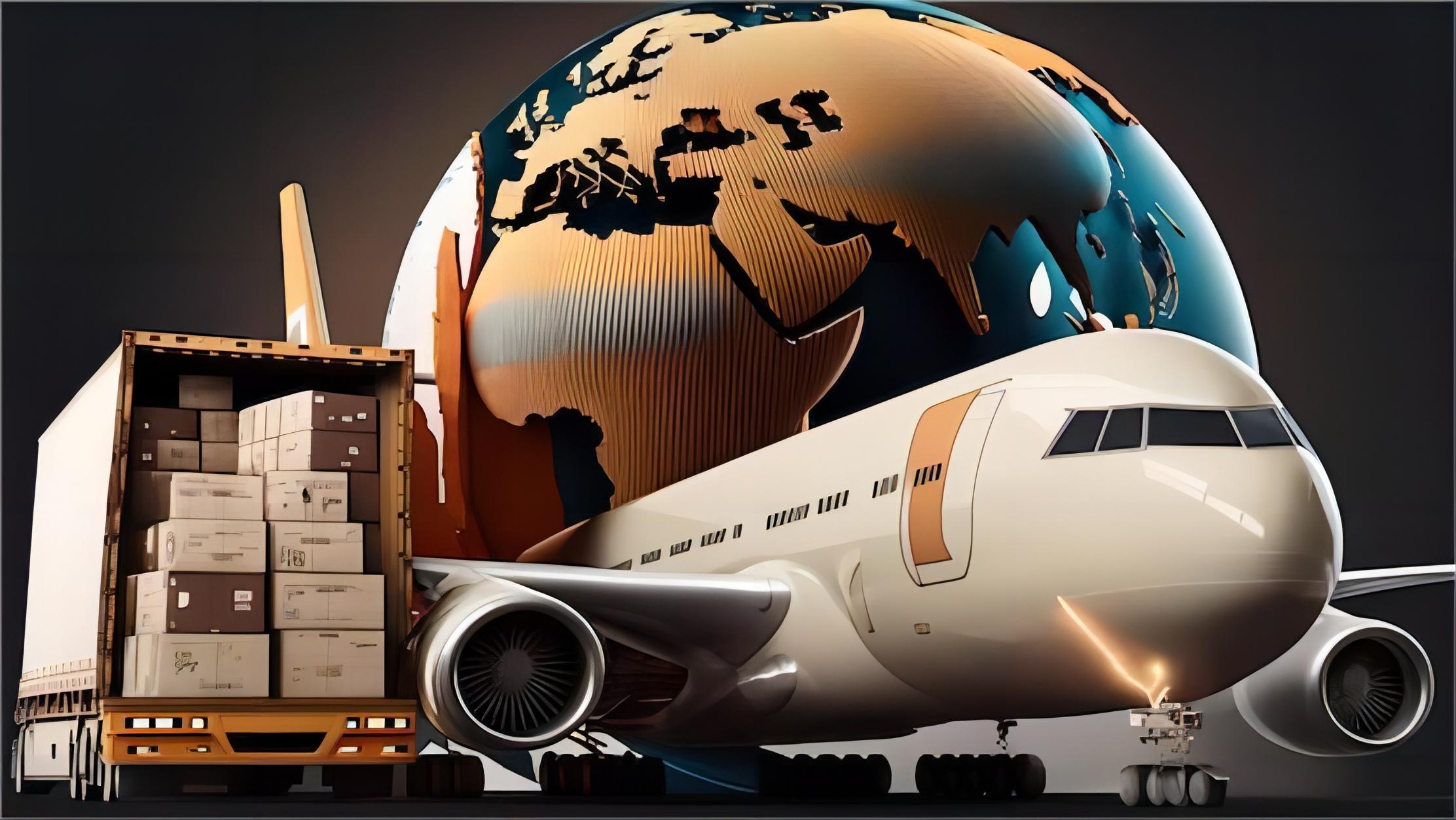
Once the container arrives at the Port of Rotterdam, the clock starts ticking on your free time. Specifically, you should utilize door to door services to streamline the movement from the port to your warehouse. By having a single provider manage the entire process, you reduce the communication gaps that often lead to detention.
Furthermore, ensure your warehouse team is prepared for the arrival of a Flat Rack container. Because these units are not enclosed like standard boxes, they require different unloading techniques and equipment. Consequently, having the right forklifts or cranes ready will allow you to return the empty container to the carrier well within the free-time limit.
Mastering Flat Rack Logistics for Toy Imports
Successfully navigating the complexities of international trade requires proactive planning and expert support. Specifically, Flat Rack FCL detention prevention for toys from China to Netherlands is achievable when you prioritize documentation and coordinate with specialized carriers. Furthermore, understanding the differences between demurrage and detention allows you to identify potential bottlenecks before they become expensive problems.
Indeed, by following the strategies outlined in this guide, you can ensure your oversized toy shipments arrive safely and on time. Always remember to factor in seasonal logistics trends and maintain clear communication with your freight forwarder. Ultimately, a well-managed supply chain is your best defense against unexpected costs and port delays.
Ready to streamline your logistics?
Avoid costly delays and optimize your toy imports today. Contact Top China Freight for a customized strategy on Flat Rack FCL detention prevention for toys from China to Netherlands. Our team provides expert guidance on sea freight, customs clearance, and efficient delivery schedules. Visit Top China Freight to request your competitive quote and secure your shipment for the upcoming season.
Request Quote