

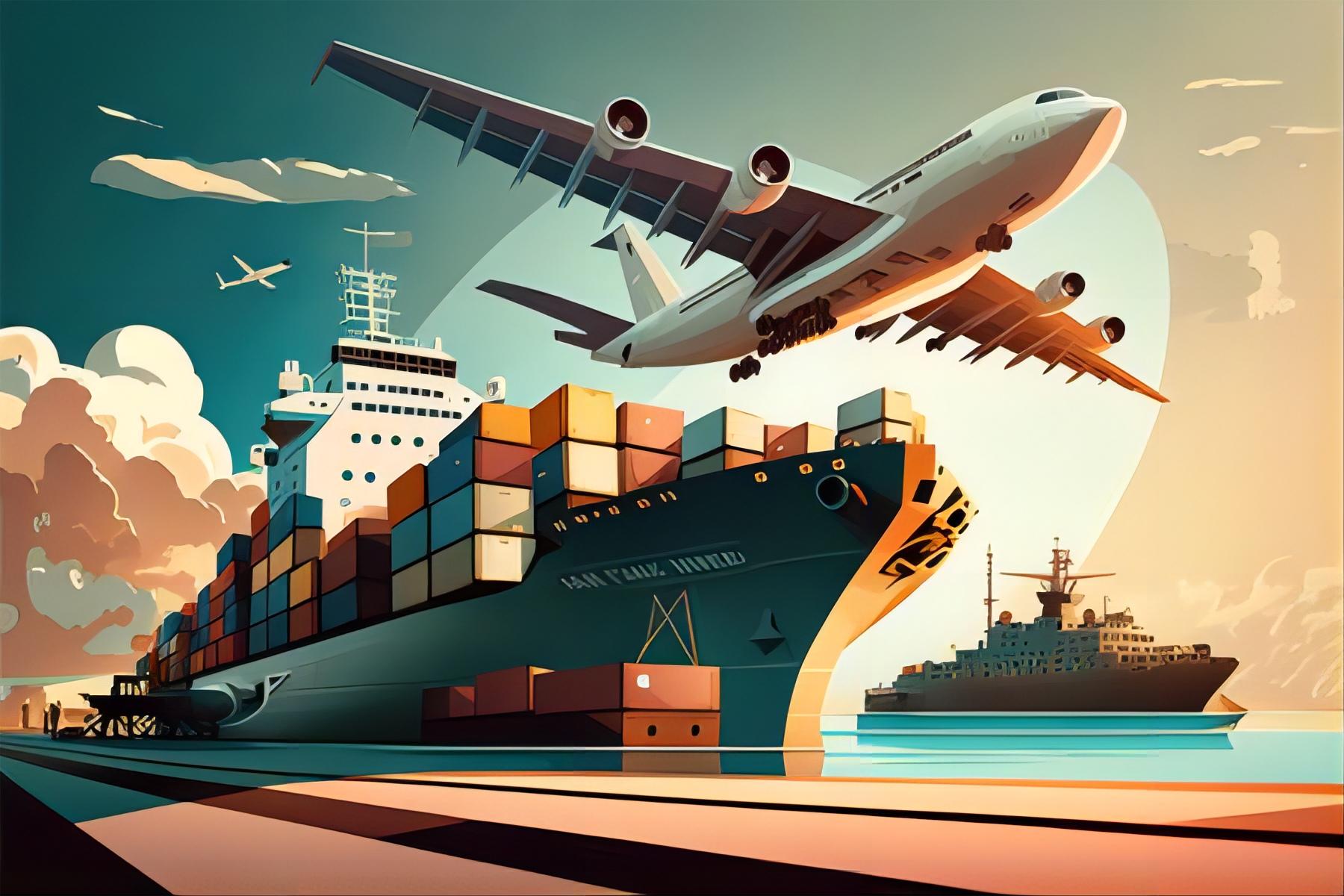
40GP FCL Best Route for Lighting from China to France
Finding the most efficient 40GP FCL best route for lighting from China to France is essential for maintaining a healthy profit margin in the competitive European market. As a leading provider of global logistics, Top China Freight helps businesses navigate the complexities of international trade with ease. Whether you are importing delicate chandeliers or bulk LED panels, selecting the right maritime path ensures your goods arrive safely and on schedule. This guide provides a comprehensive analysis of the shipping landscape, focusing on cost-effectiveness and reliability for your lighting supply chain.
Why 40GP FCL is the Best Route for Lighting from China to France
Lighting products often possess unique dimensions and fragility that require stable environments during long-haul transit. Consequently, choosing a Full Container Load (FCL) service provides the security of a dedicated space where only your goods are handled. This minimizes the risk of damage compared to Less than Container Load (LCL) shipments where multiple cargoes are mixed.
Moreover, the 40GP container offers an ideal balance of volume and weight capacity for lighting fixtures, which are typically high-volume but relatively low-weight. Therefore, you can maximize the internal dimensions of the container to lower the per-unit shipping cost significantly. Indeed, for large-scale commercial projects in Paris or Lyon, utilizing a 40GP container is often the most economical choice.
Additionally, the direct sea routes from major Chinese hubs like Ningbo or Shenzhen to French ports like Le Havre offer predictable schedules. By selecting sea freight, importers benefit from lower carbon footprints and stable pricing compared to volatile air cargo rates. This stability is crucial for long-term supply chain planning and budgeting.
How Does 40GP FCL Compare to Other Shipping Options?
While sea freight is the traditional choice, it is important to evaluate all available modes to determine the best fit for your specific deadline. For instance, air freight offers unmatched speed but comes at a premium price that might erode the margins of low-cost LED products. On the other hand, rail transport provides a middle ground in terms of both cost and speed.
Nevertheless, for the majority of lighting importers, the 40GP FCL remains the gold standard due to its capacity. Furthermore, the cost-per-cubic-meter in a full container is drastically lower than any other method. To help you decide, we have compiled a comparison of the primary shipping strategies below.
| Shipping Method | Cost Range (40GP/Equiv) | Transit Time | Best For |
|---|---|---|---|
| Sea Freight (FCL) | $3,200 – $4,500 | 30-40 Days | Bulk lighting orders |
| Rail Freight | $5,500 – $7,500 | 18-24 Days | Mid-range urgency |
| Air Freight | $25,000+ | 5-8 Days | High-value samples |
| Sea-Air Hybrid | $8,000 – $12,000 | 15-20 Days | Balanced speed/cost |
Primary Ports and Routes from China to France
The journey of your lighting cargo typically begins at one of China’s massive coastal gateways. For example, the Port of Shanghai and the Port of Ningbo-Zhoushan are frequent starting points for shipments destined for Europe. These ports offer the highest frequency of departures and the most competitive rates for shipping from China to Europe.
Upon reaching France, the two primary destinations are Le Havre in the north and Marseille in the south. Le Havre is generally preferred for cargo destined for Paris and northern industrial zones. Conversely, Marseille serves as the main entry point for the Mediterranean region and southern France, often offering shorter transit times for ships passing through the Suez Canal.
Accordingly, the choice of port depends heavily on your final delivery address within France. Using a door to door service can simplify this process by managing the transition from the port to your warehouse. This integrated approach reduces the administrative burden on your team.

Cost Breakdown for a 40GP Container to France
Understanding the total landed cost is vital for any lighting importer to ensure profitability. Beyond the base ocean freight rate, several surcharges and local fees contribute to the final invoice. For instance, you must account for Terminal Handling Charges (THC), documentation fees, and fuel adjustment factors (BAF).
Additionally, customs duties and VAT in France can significantly impact your bottom line. Lighting products often fall under specific HS codes that determine the applicable duty percentage. Therefore, consulting with a professional customs brokerage is highly recommended to avoid unexpected expenses at the border.
Note: Freight rates are subject to change based on fuel costs, carrier capacity, and seasonal demand. Contact us for a current quote tailored to your specific shipment.
| Fee Category | Estimated Cost (USD) | Description | Frequency |
|---|---|---|---|
| Ocean Freight | $3,500 – $4,200 | Port to port transit | Per Container |
| Origin Charges | $300 – $500 | Loading and export docs | Per Shipment |
| Destination Fees | $400 – $600 | Port handling in France | Per Shipment |
| Insurance | 0.3% – 0.5% | Cargo value protection | Optional |
Can Rail Freight be a Viable Alternative?
In recent years, the Trans-Eurasian rail network has emerged as a serious contender for European imports. Specifically, rail freight offers a faster alternative to sea shipping without the extreme costs of air transport. This is particularly useful for lighting manufacturers who need to restock inventory quickly to meet seasonal demand.
However, rail capacity is more limited than sea freight, and certain types of high-voltage lighting equipment may face stricter regulations. Furthermore, the route usually terminates in central European hubs like Duisburg or Liege, requiring final trucking into France. Consequently, you must weigh the time savings against the additional handling and slightly higher price point.
Case Study 1: Shipping LED Panels to Paris
Route: Shenzhen, China to Le Havre, France
Cargo: Commercial LED Panels, 65 CBM, 12,000 kg

Container: 40GP FCL
Shipping Details:
– Carrier: COSCO Shipping
– Port of Loading: Shenzhen (Yantian)
– Port of Discharge: Le Havre
– Route Type: Direct
Cost Breakdown:
– Ocean Freight: $3,850
– Origin Charges: $420
– Destination Charges: $550
– Customs & Duties: $1,200 (estimated)
– Total Landed Cost: $6,020
Timeline:
– Booking to Loading: 4 days
– Sea Transit: 33 days
– Customs Clearance: 2 days
– Total Door-to-Door: 42 days
Key Insight: By booking three weeks in advance, the client secured a fixed rate before the Golden Week peak season price hike. Based on Q3 2024 market rates.
Case Study 2: Decorative Lighting for a Marseille Hotel
Route: Ningbo, China to Marseille, France
Cargo: Decorative Lamps and Chandeliers, 58 CBM, 8,500 kg
Container: 40GP FCL
Shipping Details:
– Carrier: CMA CGM
– Port of Loading: Ningbo-Zhoushan
– Port of Discharge: Marseille (Fos-sur-Mer)
– Route Type: Direct via Suez Canal
Cost Breakdown:
– Ocean Freight: $4,100
– Origin Charges: $380
– Destination Charges: $620
– Customs & Duties: $950 (estimated)
– Total Landed Cost: $6,050
Timeline:
– Booking to Loading: 5 days
– Sea Transit: 28 days
– Customs Clearance: 3 days
– Total Door-to-Door: 38 days
Key Insight: Using a southern port saved four days of inland trucking from northern France. Typical rates as of early 2025.
Which Option Should You Choose for Your Lighting Cargo?
Choosing the right logistics strategy requires a clear understanding of your priorities. If your primary goal is cost reduction and you have a flexible timeline, the 40GP FCL sea route is undoubtedly the best choice. This method allows for the highest volume of goods at the lowest possible price per unit.
On the other hand, if you are facing a strict project deadline for a construction site in France, rail freight might be the better investment. Additionally, always consider the fragility of your lighting fixtures; FCL provides the best protection against the multiple handling stages found in LCL or air cargo environments.
Finally, ensure your supplier provides all necessary CE certifications and technical documentation. Without these, even the best shipping route will result in delays at French customs. A proactive approach to documentation is just as important as the physical transportation of the goods.
Mastering the 40GP FCL Best Route for Lighting from China to France
In summary, navigating the 40GP FCL best route for lighting from China to France requires a balance of timing, port selection, and cost management. By choosing sea freight for bulk shipments, you can significantly reduce your overhead while ensuring your delicate lighting products are protected. Transitioning to rail or air is always an option for urgent needs, but FCL remains the most reliable foundation for a lighting business.
Therefore, successful importing depends on partnering with a freight forwarder who understands the nuances of the China-France trade lane. With the right strategy, your lighting products will illuminate French homes and businesses efficiently and affordably.

Ready to streamline your logistics?
Optimizing your lighting supply chain starts with selecting the 40GP FCL best route for lighting from China to France. Our team of logistics experts is ready to provide you with a customized quote and a seamless shipping experience. Contact Top China Freight today to streamline your imports and grow your business in the French market. Visit our website or send an inquiry to get started.
Request Quote