
40GP FCL Best Route for Solar Panels from China to Spain
Finding the 40GP FCL best route for solar panels from China to Spain is essential for businesses looking to optimize their renewable energy supply chain. Navigating the complexities of international logistics requires a strategic approach to ensure that fragile photovoltaic modules arrive safely and on time. By partnering with a professional logistics provider like Top China Freight, importers can streamline their operations and reduce overhead costs significantly. This guide explores the most efficient maritime paths and provides actionable insights for your next shipment.
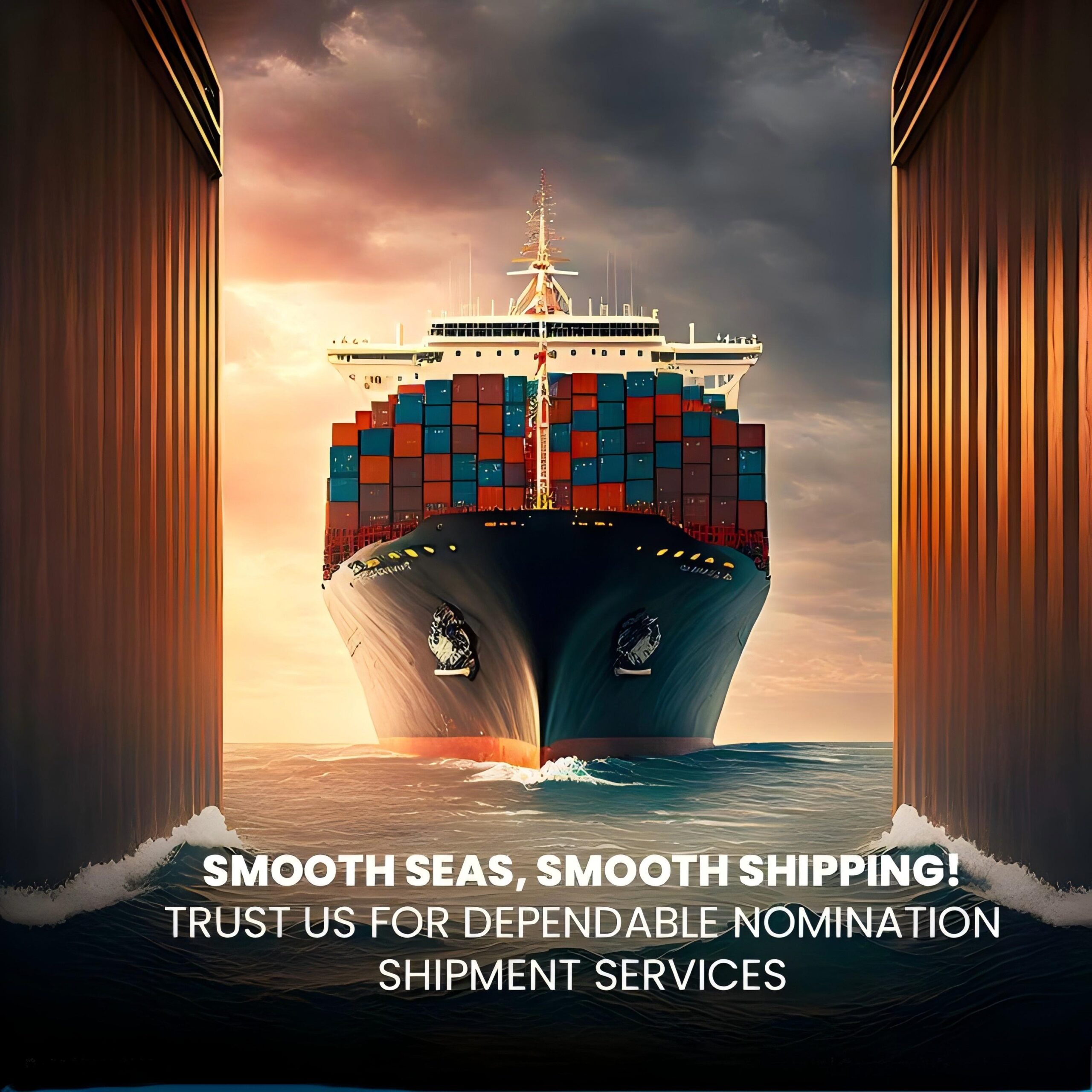
Why Choose 40GP FCL for Solar Panel Shipments?
Utilizing a 40GP container provides the ideal volume for large-scale solar projects while ensuring maximum cargo protection. Furthermore, the Full Container Load (FCL) model minimizes the risk of damage because the goods are not co-mingled with other shipments. This method is particularly beneficial for solar panels, which are sensitive to excessive handling and vibrations during transit.
Choosing sea freight for these shipments offers a cost-effective solution compared to other transport modes. Moreover, the standardized dimensions of a 40GP container allow for precise pallet loading, which maximizes the utilization of space. Consequently, importers can achieve a lower cost per watt by spreading freight expenses over a larger quantity of units.
Security remains a top priority when transporting high-value renewable energy equipment across the ocean. Additionally, FCL shipments are sealed at the point of origin and remain unopened until they reach their destination in Spain. This practice significantly reduces the likelihood of theft or loss during the long journey from Chinese manufacturing hubs.
Key Shipping Routes from China to Major Spanish Ports
Several maritime corridors connect major Chinese export hubs like Ningbo, Shanghai, and Shenzhen to Spanish gateways. Specifically, the route through the Suez Canal remains the primary choice for reaching Mediterranean ports such as Valencia and Barcelona. However, recent global events have led some carriers to consider alternative paths around the Cape of Good Hope to ensure schedule reliability.
Direct services to the Port of Valencia are often considered the most efficient for reaching central Spain. Meanwhile, the Port of Barcelona serves as an excellent entry point for distributions targeting the northern regions and neighboring European markets. Selecting the right port of discharge can save several days in inland transit time and reduce overall trucking costs.
Transshipment options via hubs like Tangier Med or Algeciras can sometimes offer lower freight rates. Nevertheless, these routes may involve longer transit times due to the additional handling required at the intermediate port. Therefore, businesses must weigh the trade-offs between cost savings and the urgency of their project timelines.
| Origin Port | Destination Port | Average Transit Time | Route Type |
|---|---|---|---|
| Ningbo | Valencia | 32-35 Days | Direct |
| Shanghai | Barcelona | 34-38 Days | Direct |
| Shenzhen | Algeciras | 28-32 Days | Direct |
| Qingdao | Valencia | 38-42 Days | Transshipment |
How 40GP FCL Best Route for Solar Panels from China to Spain Compares to Other Options
While sea freight is the standard for solar logistics, other methods like rail or air freight offer different benefits. For instance, rail freight via the Silk Road can cut transit times by nearly half compared to ocean transport. However, the higher cost of rail often makes it less viable for bulk shipments of solar modules.
Air freight is rarely used for full solar arrays due to the extreme expense and volume limitations. Indeed, this method is typically reserved for urgent replacement parts or critical components needed to meet a strict project deadline. In contrast, sea freight provides the capacity required for thousands of panels without breaking the budget.
Hybrid solutions such as sea-air combinations can provide a middle ground for specific logistics challenges. Nevertheless, for the vast majority of importers, the 40GP FCL sea route remains the most balanced choice for cost and safety. Understanding these alternatives helps managers make informed decisions during peak seasons or supply chain disruptions.
| Shipping Method | Cost Range (40GP) | Transit Time | Best For |
|---|---|---|---|
| Sea Freight FCL | $3,000 – $4,500 | 30-40 Days | Bulk Orders |
| Rail Freight | $6,000 – $8,500 | 18-22 Days | Urgent Projects |
| LCL Sea Freight | $50 – $120/CBM | 35-45 Days | Small Batches |
| Air Freight | $15,000+ | 5-8 Days | Emergency Parts |

Essential Documentation for Importing Solar Panels to Spain
Navigating Spanish customs requires a comprehensive set of documents to ensure compliance with European Union regulations. Specifically, you will need a commercial invoice, a detailed packing list, and a bill of lading from the carrier. Furthermore, certificates of origin are often required to determine the applicable tariff rates and trade agreements.
Importers must also provide technical specifications and CE marking documentation for solar equipment. Consequently, working with an experienced customs brokerage service is highly recommended to avoid costly delays at the port. They can help verify that all paperwork meets the specific requirements of the Spanish Tax Agency.
Anti-dumping duties or specific environmental regulations may apply to certain types of solar products. Therefore, it is vital to perform a thorough review of the current trade laws before the cargo leaves China. Proper preparation ensures a smooth transition through the port of entry and prevents unexpected storage fees.
Cost Breakdown: Shipping Solar Panels in a 40GP Container
The total cost of shipping a 40GP container involves more than just the ocean freight rate. For example, you must account for Terminal Handling Charges (THC), documentation fees, and insurance premiums. Additionally, inland haulage from the factory to the port of loading in China can vary based on distance.
Freight rates are subject to seasonal fluctuations and market demand shifts. As of early 2025, rates for the China to Spain route have stabilized, but peak season surcharges can still apply during the late summer months. To get the most accurate pricing, businesses should request a comprehensive door to door quote that includes all local charges.
Note: Freight rates are subject to change based on fuel costs, carrier capacity, and seasonal demand. Contact us for a current quote tailored to your specific shipment.
Which Option Should You Choose? Decision Framework
Choosing the best shipping strategy depends on your specific project requirements and budget constraints. If your primary goal is cost minimization for a large-scale installation, sea freight FCL is the undisputed winner. Conversely, if you are facing a strict construction deadline, rail freight might justify the additional expense.
For shipments smaller than 15 CBM, Less than Container Load (LCL) might seem attractive, but the risk of damage increases. Therefore, we generally recommend FCL for solar panels even if the container is not completely full, as it provides superior protection. Consider the total landed cost rather than just the initial freight quote when making your final decision.
Logistics trends in Europe suggest that port congestion can occasionally shift the ‘best’ route from one city to another. Consequently, staying flexible with your port of discharge can lead to faster delivery times during busy periods. Always consult with your freight forwarder to assess the current situation at Spanish terminals.
Real-World Case Studies: Solar Panel Logistics Success
Case Study 1: Utility Scale Project in Valencia
Route: Ningbo, China to Valencia, Spain
Cargo: Tier 1 Solar Modules, 68 CBM, 18,500 kg
Container: 40GP FCL
Shipping Details:
– Carrier: COSCO
– Port of Loading: Ningbo
– Port of Discharge: Valencia
– Route Type: Direct
Cost Breakdown:
– Ocean Freight: $3,350
– Origin Charges: $480
– Destination Charges: $620
– Customs and Duties: $1,300
– Total Landed Cost: $5,750
Timeline:
– Booking to Loading: 6 days
– Sea Transit: 33 days
– Customs Clearance: 2 days
– Total Door-to-Door: 41 days
Key Insight: Selecting a direct service to Valencia minimized the risk of handling damage and ensured the project started on schedule.
Case Study 2: Commercial Installation in Barcelona
Route: Shanghai, China to Barcelona, Spain
Cargo: Mono-crystalline Panels, 65 CBM, 17,200 kg
Container: 40GP FCL
Shipping Details:
– Carrier: Maersk
– Port of Loading: Shanghai
– Port of Discharge: Barcelona
– Route Type: Transshipment via Tangier Med
Cost Breakdown:
– Ocean Freight: $3,150
– Origin Charges: $420
– Destination Charges: $580
– Customs and Duties: $1,250
– Total Landed Cost: $5,400
Timeline:
– Booking to Loading: 5 days
– Sea Transit: 37 days
– Customs Clearance: 4 days
– Total Door-to-Door: 46 days
Key Insight: Using a transshipment route saved approximately $200 in freight costs with only a minor increase in transit time.
Mastering Solar Logistics from China to Spain
Successfully managing the 40GP FCL best route for solar panels from China to Spain requires balancing speed, cost, and safety. By choosing the right port and carrier, you can ensure your renewable energy products arrive in perfect condition. Remember to account for documentation and customs requirements early in the planning process to avoid delays.
Furthermore, staying informed about market trends and logistics alternatives allows you to adapt to changing global conditions. Whether you prioritize the lowest possible cost or the fastest transit time, a strategic logistics plan is your best tool for success. Partnering with experts will help you navigate the complexities of the international shipping landscape with confidence.
Ready to streamline your logistics?
Optimizing your 40GP FCL best route for solar panels from China to Spain is the key to a successful renewable energy project. Our team is ready to provide you with a competitive quote and expert guidance for your next shipment. Send Inquiry See: https://Top China Freight.com/ contact us today to get started.
Request Quote