

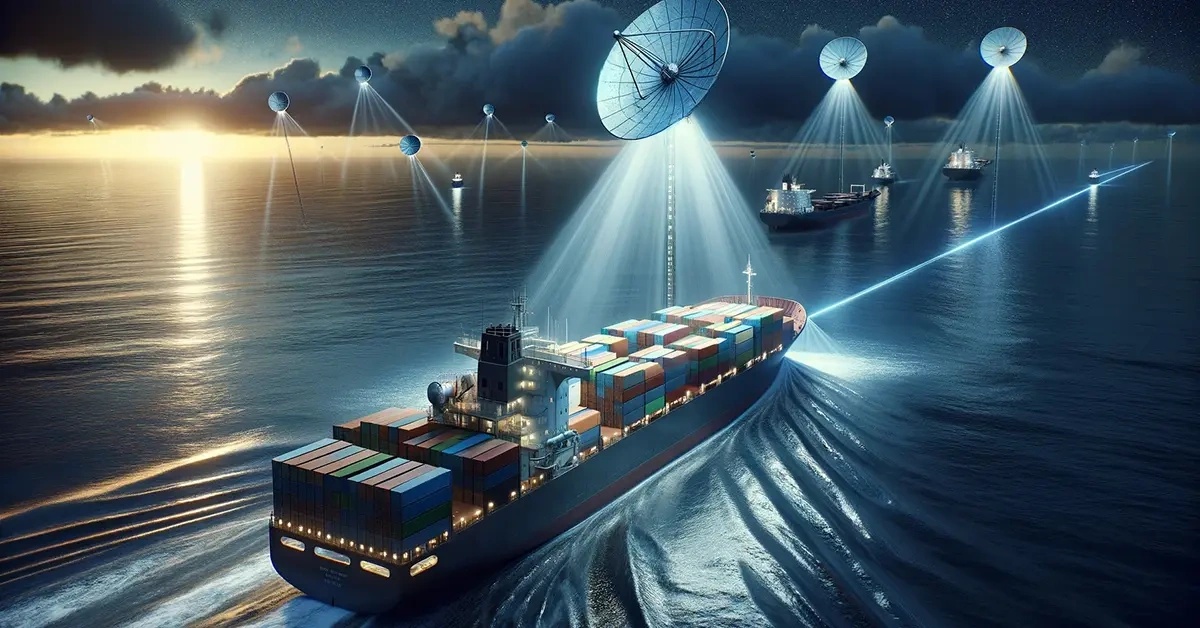
40GP FCL Best Route for Solar Panels from China to USA Guide
When planning your renewable energy projects, identifying the 40GP FCL best route for solar panels from China to USA is essential for maintaining your profit margins. Many importers struggle with rising freight costs and complex customs regulations that can delay critical installations. By partnering with Top China Freight, you can streamline your supply chain and ensure your photovoltaic modules arrive safely and on time. This comprehensive guide explores the most efficient shipping lanes, cost-saving strategies, and logistics trends for 2025.
Why 40GP FCL is the Industry Standard for Solar Panels
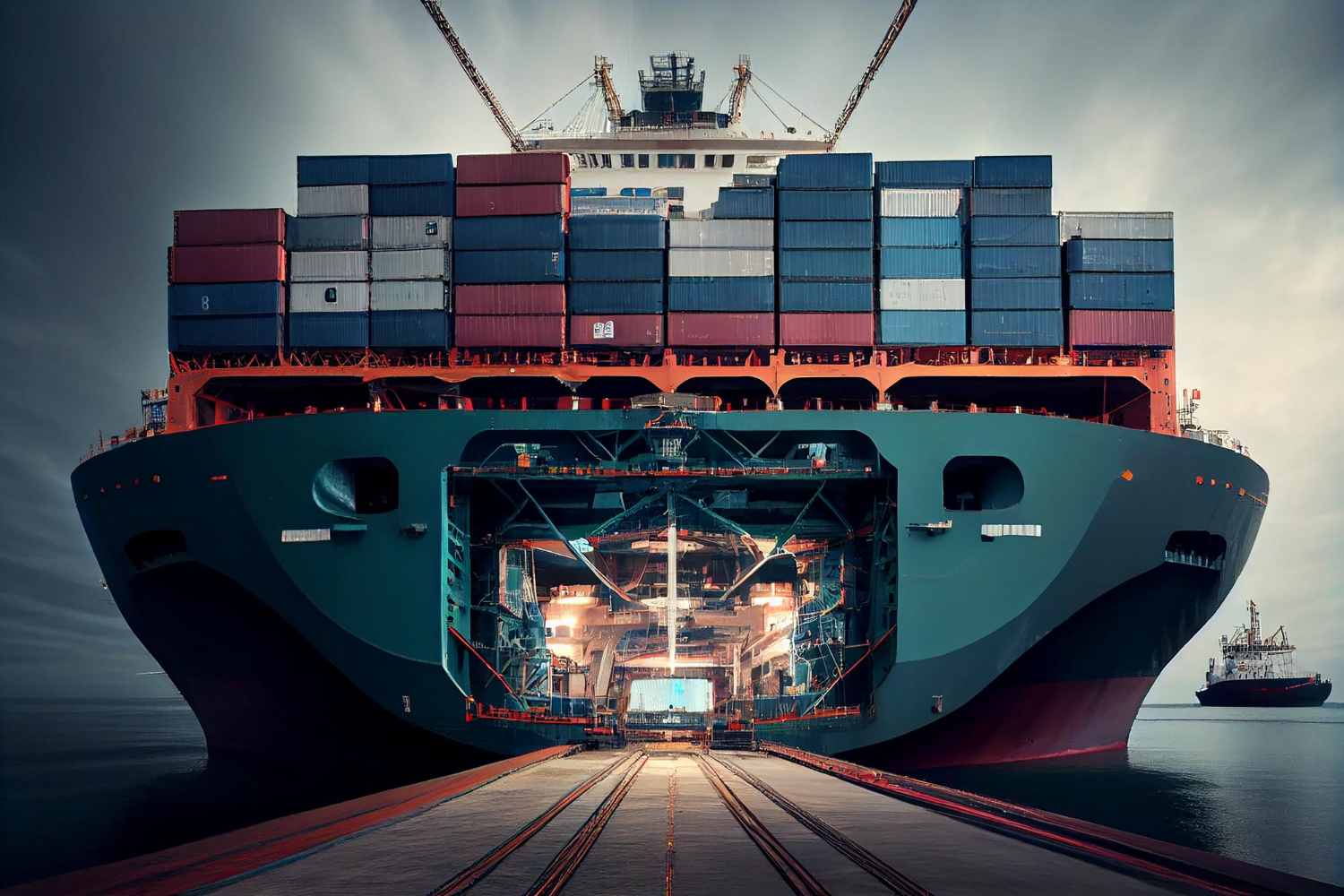
Shipping solar panels requires a balance of volume and protection that only specific container sizes can provide. The 40GP container offers a standard height and length that perfectly accommodates the palletized dimensions of modern high-efficiency solar modules. Consequently, most tier 1 solar manufacturers in China prefer this format for large-scale international exports.
Choosing a Full Container Load (FCL) ensures that your cargo remains undisturbed throughout the journey. Since the container is dedicated solely to your goods, the risk of handling damage or contamination from other shipments is virtually eliminated. Furthermore, sea freight remains the most economical method for transporting heavy renewable energy equipment across the Pacific.
Importers often find that the 40GP container provides the best value for money when compared to smaller 20GP units. While a 40GP is twice the length, the freight rate is usually only 20 to 30 percent higher than its smaller counterpart. Therefore, maximizing your container loading optimization is a key strategy for reducing the landed cost per watt of your solar components.
How to Identify the 40GP FCL Best Route for Solar Panels from China to USA
Determining the most efficient path depends heavily on your final destination within the United States. For shipments heading to the West Coast, the direct transpacific route to the Port of Los Angeles or Long Beach is typically the fastest option. These routes benefit from high frequency and competitive pricing due to the massive volume of trade between Shanghai and California.
If your project is located in the Midwest or East Coast, you must choose between an all-water route or an intermodal solution. All-water routes via the Panama Canal to ports like Savannah or New York provide stability but take significantly longer. Conversely, shipping to the West Coast and using rail transport to reach the interior can save time but often increases the total shipping cost.
Market data suggests that shipping from Ningbo or Shenzhen to the US West Coast currently offers the most reliable schedules. North America remains a primary market for Chinese solar exports, leading to a wide variety of carrier options. You should evaluate transit times and port congestion levels before finalizing your booking to avoid unnecessary delays.
| Route Type | Average Transit Time | Primary Ports | Suitability |
|---|---|---|---|
| Direct West Coast | 14-18 Days | LA, Long Beach, Seattle | Urgent West Coast Projects |
| All-Water East Coast | 30-38 Days | Savannah, New York, Norfolk | Cost-Sensitive East Coast |
| Intermodal (IPI) | 22-28 Days | Via LA to Chicago/Dallas | Inland US Destinations |
| Gulf Coast Route | 32-40 Days | Houston, Mobile | Southern US Installations |
Understanding Customs Duties and US Import Regulations
Navigating the regulatory landscape is perhaps the most challenging aspect of importing solar panels into the United States. You must account for Section 201 safeguards, Section 301 tariffs, and potential Anti-Dumping and Countervailing Duties (AD/CVD). Additionally, the Uyghur Forced Labor Prevention Act (UFLPA) requires rigorous supply chain documentation to prove that no forced labor was involved in the manufacturing process.
Engaging a professional customs brokerage service is highly recommended for solar importers. These experts help you classify your goods correctly under the Harmonized Tariff Schedule (HTS) to ensure you pay the correct duty rates. Moreover, they can assist in preparing the necessary paperwork to satisfy Customs and Border Protection (CBP) requirements during the entry process.
Documentation for solar shipments must be meticulous and include the Commercial Invoice, Packing List, Bill of Lading, and Certificate of Origin. In recent months, CBP has increased its focus on the traceability of polysilicon used in module production. Consequently, maintaining a transparent relationship with your Chinese supplier is vital for successful US customs clearance.

How Does 40GP FCL Compare to Other Shipping Options?
While FCL is the dominant method for solar logistics, other alternatives exist for different business needs. For instance, Less than Container Load (LCL) might seem attractive for small pilot projects or replacement parts. However, LCL involves more frequent handling and a higher risk of panel breakage during the consolidation and deconsolidation phases.
Air freight represents the fastest possible delivery method but comes at an astronomical price point. It is generally reserved for emergency repairs or critical components like specialized inverters that are needed to prevent project downtime. In contrast, door to door sea freight offers a balanced solution that manages the entire journey from the factory to the construction site.
Hybrid solutions like sea-air combinations are occasionally used to bypass port congestion, though they are rare for bulky solar modules. Most large-scale developers stick to FCL because it allows for standardized pallet loading and minimizes the cost per unit. Below is a detailed comparison of the primary shipping methods available for this route.
| Shipping Method | Cost Range (40GP) | Transit Time | Best For |
|---|---|---|---|
| Sea FCL (40GP) | $2,800 – $5,500 | 18-35 Days | Bulk Solar Orders |
| Sea LCL | $80 – $160 /CBM | 25-45 Days | Small Test Batches |
| Air Freight | $15,000 – $25,000 | 5-9 Days | Urgent Replacements |
| Express Service | $20,000+ | 3-6 Days | Small Critical Parts |
Which Option Should You Choose? Decision Framework
Choosing the right strategy requires a clear understanding of your project timeline and budget constraints. If your primary goal is cost minimization, the all-water route to the East Coast or a standard West Coast delivery is the best path. You should book your shipments at least 4-6 weeks in advance to secure the best ocean freight rates for 2025.
Speed becomes the priority when construction deadlines are looming or liquidated damages are at stake. In these cases, utilizing premium ocean services with guaranteed space and accelerated discharge at West Coast ports is the most effective tactic. Furthermore, you should consider the proximity of the discharge port to your final job site to reduce expensive drayage costs.
Cargo volume also dictates your choice, as shipments exceeding 15-20 CBM almost always justify a full 40GP container. For those managing e-commerce sales of smaller solar kits, Amazon FBA shipping services can provide a streamlined way to reach US consumers. Always weigh the trade-offs between transit speed and total landed cost before making a final decision.
Real Case Studies: Shipping Solar Panels from China
Case Study 1: West Coast Efficiency. Route: Shanghai, China to Los Angeles, USA. Cargo: 720 Photovoltaic Modules, 68 CBM, 18,500 kg. Container: 40GP FCL. Shipping Details: Direct service via major carrier. Port of Loading: Shanghai. Port of Discharge: Los Angeles. Timeline: 16 days sea transit, 3 days customs, 21 days total door-to-door. Key Insight: Early booking allowed the client to avoid a 15 percent peak season surcharge.
Case Study 2: East Coast All-Water Route. Route: Ningbo, China to Savannah, USA. Cargo: 680 Solar Panels, 65 CBM, 17,800 kg. Container: 40GP FCL. Shipping Details: All-water route via Panama Canal. Port of Loading: Ningbo. Port of Discharge: Savannah. Timeline: 34 days sea transit, 4 days customs, 42 days total door-to-door. Key Insight: Using an all-water route saved the client $1,200 in inland trucking costs compared to an intermodal route from the West Coast.
Market rates for these routes as of early 2025 show relative stability compared to the volatility of previous years. However, seasonal demand during the late summer months can still lead to space shortages and equipment imbalances. It is essential to monitor logistics trends and maintain flexible delivery schedules whenever possible.
Strategic Tips for Optimizing Solar Panel Logistics
Packaging plays a vital role in ensuring your solar modules survive the long transpacific journey. You must ensure that pallets are double-stacked only if the manufacturer’s guidelines permit it and that high-quality edge protectors are used. Additionally, using moisture-absorbing silica gel packs inside the container can prevent micro-cracks caused by humidity fluctuations.
Insurance is another non-negotiable component of a professional logistics strategy. Given the high value and fragile nature of solar panels, a comprehensive marine cargo insurance policy is necessary to protect against theft, damage, or loss at sea. Consequently, the small additional cost of insurance provides significant peace of mind for high-value clean energy investments.
Finally, digital tracking tools allow you to monitor your shipment in real-time, providing better visibility for your project planning team. Many modern carriers offer GPS tracking at the container level, allowing you to anticipate potential delays before they impact your installation schedule. Staying proactive is the best way to manage a complex international supply chain effectively.
Mastering Your Solar Panel Shipping Strategy
Successfully navigating the 40GP FCL best route for solar panels from China to USA requires a combination of technical knowledge and strategic planning. By understanding the differences between West Coast and East Coast routes, you can make informed decisions that protect your project’s bottom line.
Furthermore, staying compliant with US customs regulations and choosing the right container type will minimize risks and prevent costly delays. As the renewable energy sector continues to grow, having a reliable logistics partner becomes a competitive advantage for your business. Start planning your next shipment today to take advantage of current market rates and efficient shipping lanes.
Note: Freight rates are subject to change based on fuel costs, carrier capacity, and seasonal demand. Contact us for a current quote tailored to your specific shipment.

Ready to streamline your logistics?
Ready to optimize your solar supply chain? Contact our team today to secure the 40GP FCL best route for solar panels from China to USA and receive a customized quote for your next shipment. Visit our website to Send Inquiry and start your journey toward efficient renewable energy logistics.
Request Quote