


40GP FCL Booking Process for Machinery from China to Georgia: 2025 Logistics Guide
Shipping industrial equipment requires meticulous planning and a deep understanding of international logistics protocols. Navigating the 40GP FCL booking process for machinery from China to Georgia is essential for businesses looking to expand their manufacturing or construction capabilities in the Caucasus region. This comprehensive guide will walk you through every critical stage, from initial container selection to final delivery at your warehouse in Tbilisi or Poti. By following these industry-standard procedures, you can minimize risks, reduce transit delays, and ensure your high-value machinery arrives in pristine condition.
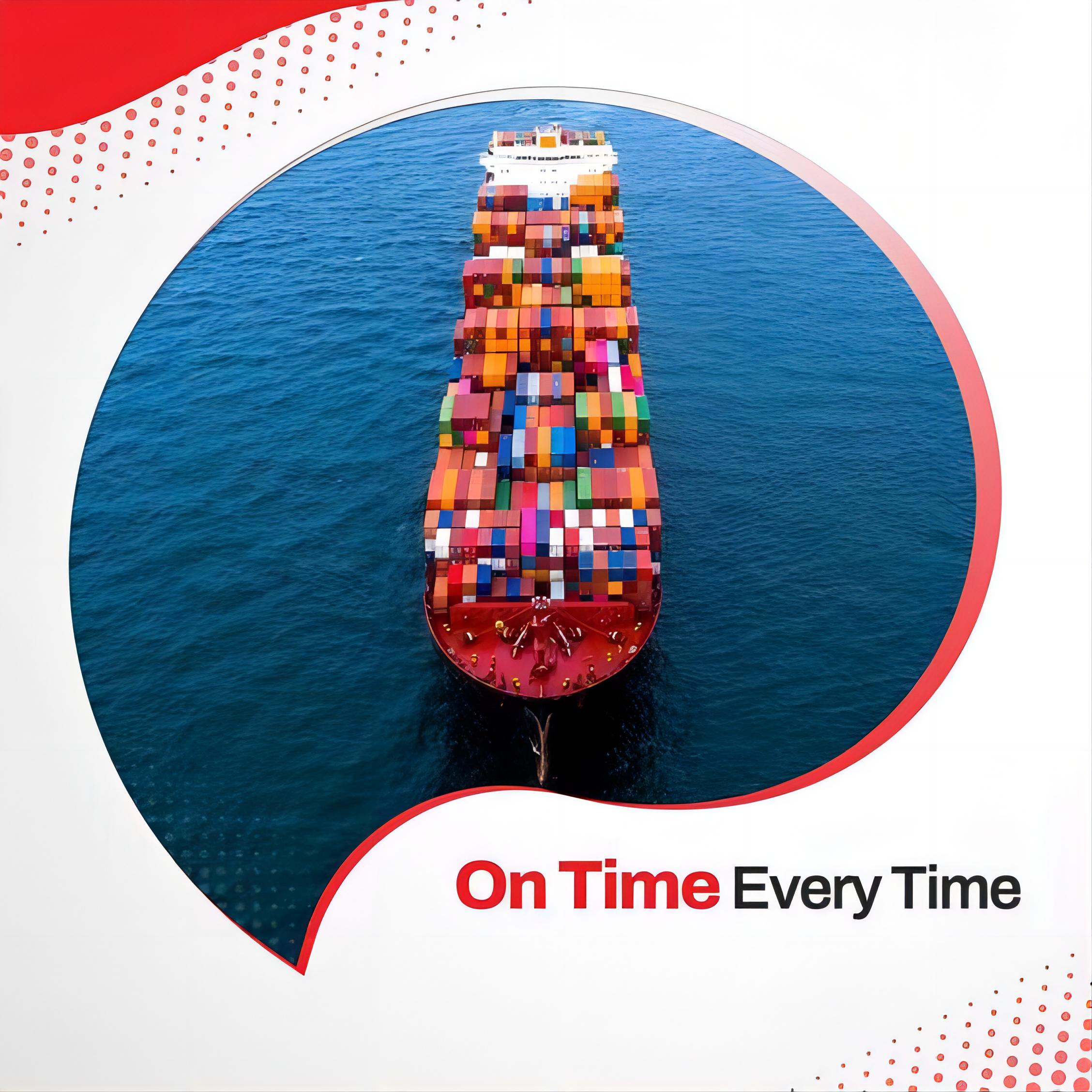
Understanding the 40GP FCL Booking Process for Machinery from China to Georgia
Specifically, the 40GP or 40-foot General Purpose container serves as the backbone of global machinery trade due to its versatile dimensions. Consequently, many importers prefer this container size when transporting lathes, CNC machines, or textile equipment that requires significant floor space. Therefore, the booking process begins with a detailed assessment of your cargo dimensions and weight to ensure the machinery fits within the standard 40GP internal limits.
Moreover, selecting the right freight forwarder is the most crucial step in ensuring a smooth transition from the Chinese factory to the Georgian destination. Furthermore, your logistics partner must have extensive experience in handling heavy equipment and a strong network at major Chinese ports like Ningbo, Shanghai, or Shenzhen. Additionally, they should provide insights into current market trends and potential congestion at the Port of Poti.
However, the booking itself is not merely a reservation of space on a vessel but a complex contractual agreement. Meanwhile, you must decide between different service levels, such as port-to-port or door-to-door, depending on your internal logistics capacity. Consequently, early communication with your supplier in China is vital to align the production schedule with the vessel departure dates.
Why Choose 40GP FCL for Your Machinery Shipments?
Primarily, Full Container Load (FCL) shipping offers a higher level of security compared to Less than Container Load (LCL) options. Because your machinery occupies the entire 40GP unit, the risk of damage from other shippers’ cargo is virtually eliminated. Therefore, sea freight remains the most cost-effective and secure method for transporting large industrial assets over long distances.
In addition, 40GP containers provide a cost-per-cubic-meter advantage when your shipment volume exceeds 15 to 20 cubic meters. Furthermore, the standardized nature of these containers allows for seamless handling by cranes and specialized equipment at both Chinese and Georgian terminals. Accordingly, this standardization reduces the likelihood of manual handling errors during the transshipment process.
Indeed, the 40GP container is particularly suitable for machinery that is long but not excessively tall. Nevertheless, if your equipment exceeds the standard height of 2.39 meters, you might need to consider a 40HQ (High Cube) container instead. Consequently, verifying the exact technical specifications of your machinery is a prerequisite for a successful booking.
Step-by-Step Guide to the Booking Workflow
Initially, you must request a formal quote from your freight forwarder by providing the pickup address, weight, and volume of the machinery. Subsequently, once you approve the quote, the forwarder will issue a booking note to the shipping line to secure space on the next available vessel. Therefore, obtaining this booking note is the first tangible confirmation that your shipment is on track.
Moreover, the forwarder will coordinate the empty container release from the port depot to the factory for loading. In contrast to standard consumer goods, machinery often requires specialized lashing and bracing to prevent movement during the sea voyage. Consequently, you should ensure the factory workers or a professional packing team uses high-quality steel wires and wooden blocks to secure the equipment.
Additionally, the packed container must be returned to the terminal before the designated ‘closing time’ to avoid missing the vessel. Meanwhile, the forwarder will handle the export customs declaration in China, ensuring all HS codes for the machinery are accurately reported. Furthermore, if you are looking for a faster alternative, rail freight via the Middle Corridor is increasingly popular for China-Georgia routes.

Essential Documentation for Shipping Machinery to Georgia
Significantly, documentation is the most common area where delays occur during the 40GP FCL booking process for machinery from China to Georgia. Therefore, you must prepare a comprehensive set of papers including the Commercial Invoice, Packing List, and Bill of Lading. Furthermore, a Certificate of Origin is often required to determine the applicable import duties upon arrival in Georgia.
Moreover, machinery often requires specific technical certificates or CE declarations to prove compliance with safety standards. Consequently, working with a professional customs brokerage service can help you navigate the specific requirements of the Georgian Revenue Service. Additionally, ensure that the description of the machinery on all documents is consistent to prevent discrepancies during inspection.
Accordingly, the Bill of Lading acts as the title of the goods and must be handled with extreme care. Whether you choose an original paper bill or a telex release, the timing of document transfer between the seller and buyer is critical. Therefore, electronic documentation systems are becoming the preferred method for modern supply chains to accelerate the clearance process.
Shipping Costs and Transit Times: What to Expect
Notably, freight rates for 40GP containers from China to Georgia fluctuate based on seasonal demand and fuel surcharges. During peak seasons, such as the months leading up to the Lunar New Year, prices can increase by 20% to 30%. Therefore, budgeting for these fluctuations is essential for maintaining your profit margins on industrial projects.
Furthermore, the transit time for sea freight from major Chinese ports to Poti typically ranges from 35 to 45 days. However, transshipment at ports like Istanbul or Piraeus can add several days to the total duration. Consequently, you should plan your equipment procurement at least two months in advance of the required installation date.
In addition, land-side costs in both China and Georgia must be included in your total landed cost calculation. These include terminal handling charges, trucking fees from Poti to Tbilisi, and customs clearance fees. Accordingly, a transparent breakdown of all costs will prevent unexpected invoices at the end of the journey.
| Route | Container Type | Est. Cost (USD) | Transit Time |
|---|---|---|---|
| Shanghai to Poti | 40GP FCL | $3,200 – $4,500 | 38-42 Days |
| Shenzhen to Poti | 40GP FCL | $3,000 – $4,200 | 35-40 Days |
| Ningbo to Batumi | 40GP FCL | $3,100 – $4,400 | 37-43 Days |
| Qingdao to Poti | 40GP FCL | $3,300 – $4,600 | 40-45 Days |
How Does 40GP FCL Compare to Other Shipping Options?
When analyzing the 40GP FCL booking process for machinery from China to Georgia, it is vital to consider alternative transport modes. While sea freight is the traditional choice, rail freight via the Trans-Caspian International Transport Route (TITR) offers a significant time advantage. Specifically, rail shipments can reach Georgia in 18 to 22 days, though the cost is generally 40% to 60% higher than ocean freight.
Moreover, for urgent spare parts or smaller components, air freight is the fastest but most expensive option. However, for full-sized industrial machinery, air transport is often cost-prohibitive unless the equipment is critical for preventing a factory shutdown. Therefore, most businesses utilize door to door sea freight for their primary machinery needs.
Consequently, the choice between FCL and LCL depends entirely on the volume of your cargo. If your machinery occupies more than 15 cubic meters, a 40GP FCL unit is almost always more economical than paying for LCL space. Furthermore, the reduced handling in FCL significantly lowers the risk of structural damage to sensitive mechanical parts.
| Method | Cost Range | Transit Time | Best For |
|---|---|---|---|
| Sea Freight (FCL) | Low to Mid | 35-45 Days | Large Machinery |
| Rail Freight | Medium | 18-25 Days | Time-Sensitive Gear |
| Air Freight | Very High | 5-8 Days | Urgent Spare Parts |
| Road Freight | High | 20-30 Days | Specific Locations |

Which Option Should You Choose? Decision Framework
If your primary goal is cost minimization and you have a flexible schedule, sea freight in a 40GP container is the optimal choice. Conversely, if you are facing a strict project deadline in Georgia, the higher cost of rail freight may be justified by the two-week time saving. Therefore, evaluate your project timeline before committing to a specific shipping mode.
Additionally, consider the nature of the machinery itself when making your decision. High-precision instruments may benefit from the smoother ride of rail freight compared to the potential moisture exposure and vibrations of a long sea voyage. Nevertheless, professional vacuum packing and moisture-absorbent materials can mitigate these risks in ocean containers.
Finally, the total volume of your order should dictate the container type. If you have enough machinery to fill 75% of a container, booking the full 40GP is safer and more efficient. Consequently, consolidating multiple smaller machines into a single FCL shipment is a common cost-saving strategy for experienced importers.
Case Studies: Successful Machinery Shipments to Georgia
Case Study 1: Heavy CNC Lathes from Ningbo to Poti. Route: Ningbo Port to Poti Port. Cargo: 3 CNC Lathes, 45 CBM, 18,000 kg. Container: 40GP FCL. Shipping Details: Direct sea service via MSC. Ocean Freight: $3,450. Origin Charges: $450. Destination Charges: $600. Total Landed Cost: $4,500. Timeline: 4 days booking, 38 days transit, 3 days clearance. Key Insight: Professional lashing prevented damage during a storm in the Indian Ocean.
Case Study 2: Agricultural Equipment from Shanghai to Tbilisi. Route: Shanghai Port to Tbilisi via Poti. Cargo: Harvester components, 52 CBM, 12,500 kg. Container: 40GP FCL. Shipping Details: Transshipment via Istanbul. Ocean Freight: $3,800. Origin Charges: $500. Destination Charges: $750. Total Landed Cost: $5,050. Timeline: 5 days booking, 42 days transit, 4 days clearance. Key Insight: Using a telex release for the Bill of Lading saved 3 days at the destination.
Note: Freight rates are subject to change based on fuel costs, carrier capacity, and seasonal demand. Contact us for a current quote tailored to your specific shipment.
Managing Customs and Compliance in Georgia
Subsequently, once the container arrives at the Port of Poti, the customs clearance process begins. Georgia has a relatively efficient customs system, but machinery often falls under ‘red channel’ inspection protocols due to its high value and technical nature. Therefore, having a pre-cleared status or a reliable customs representative in Tbilisi can significantly speed up the release of your goods.
Furthermore, you must be prepared to pay the Value Added Tax (VAT) and any applicable import duties before the goods are released for inland transport. In many cases, industrial machinery imported for manufacturing purposes may qualify for tax exemptions or deferrals under Georgian investment laws. Consequently, you should consult with a local tax advisor to maximize your financial benefits.
Moreover, the final leg of the journey involves trucking the 40GP container from the port to your facility. Georgia’s mountainous terrain requires experienced drivers and well-maintained trucks to transport heavy machinery safely. Accordingly, ensure your logistics provider includes comprehensive cargo insurance that covers this final inland segment.

Final Thoughts on Shipping Machinery to Georgia
To summarize, successfully managing the 40GP FCL booking process for machinery from China to Georgia requires a blend of technical knowledge, proactive planning, and reliable partnerships. By selecting the right container size and transport mode, you can significantly reduce the risks associated with international shipping. Furthermore, maintaining accurate documentation and understanding Georgian customs regulations will ensure a smooth arrival and installation of your equipment. As global trade routes evolve, staying informed about the latest logistics trends will continue to be a competitive advantage for your business.
Ready to streamline your logistics?
Streamline your industrial supply chain today by partnering with the experts at Top China Freight. Our team specializes in the 40GP FCL booking process for machinery from China to Georgia, ensuring your equipment arrives safely and on time. Contact us now for a customized quote and expert guidance on your next shipment. Send Inquiry: Visit Top China Freight.com
Request Quote