40GP FCL container shortage solution for solar panels from China to Ireland
Finding a reliable 40GP FCL container shortage solution for solar panels from China to Ireland is critical for maintaining your renewable energy project timeline. Many importers currently face significant delays due to equipment imbalances in major Chinese ports like Shanghai and Ningbo. By partnering with Top China Freight, you can access alternative equipment and strategic routing to keep your supply chain moving efficiently.
What Causes the 40GP FCL Container Shortage for Solar Panels?
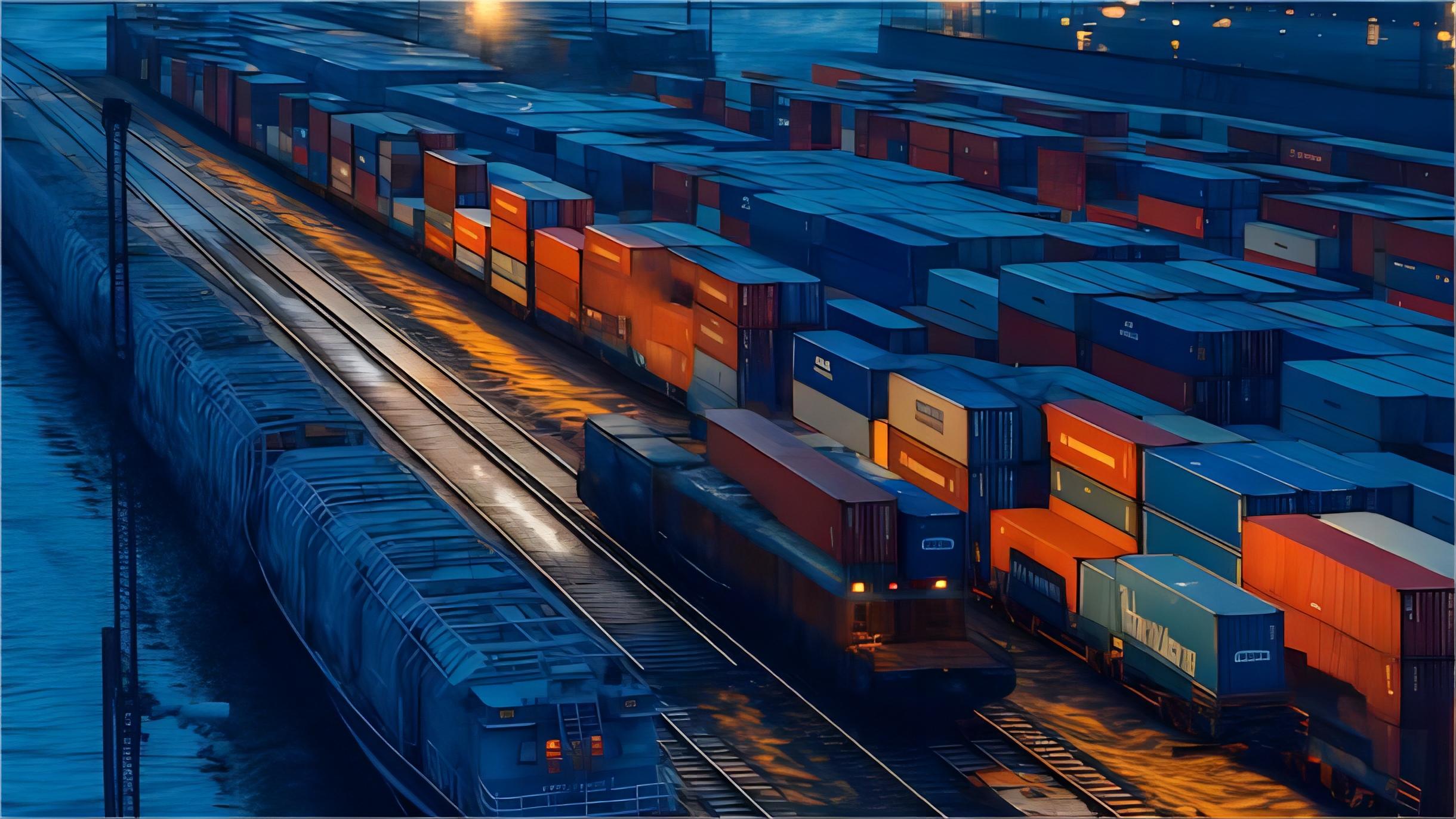
Global logistics networks are currently experiencing a severe equipment imbalance that affects the availability of standard 40-foot containers. This shortage often stems from the high demand for consumer electronics and renewable energy components during peak seasons. Consequently, solar panel manufacturers in China find it increasingly difficult to secure 40GP units for their European shipments.
Moreover, the physical dimensions of modern solar modules often make 40GP containers less efficient than their taller counterparts. Since 40GP containers have a lower internal height, they cannot always accommodate the double-stacked pallets used by Tier 1 manufacturers. Therefore, the demand for specific equipment remains high while the supply stays restricted.
Additionally, port congestion in transshipment hubs like Singapore can delay the return of empty containers to mainland China. This cycle creates a bottleneck that forces importers to wait weeks for a single booking. Indeed, understanding these market dynamics is the first step in finding a viable 40GP FCL container shortage solution for solar panels from China to Ireland.
How Can You Overcome the 40GP Container Shortage?
One of the most effective strategies involves switching your booking from a 40GP to a 40HQ (High Cube) container. Although 40HQ containers are slightly more expensive, they offer extra vertical space that allows for better cargo handling and protection. Furthermore, carriers often have better availability for High Cube units during periods when standard 40GP units are scarce.
On the other hand, you might consider sea freight consolidation as a temporary measure for smaller batches. If your shipment does not fill an entire 40-foot container, LCL shipping allows you to share space with other importers. Consequently, you avoid the equipment shortage entirely by utilizing whatever space is available in the carrier’s network.
Specifically, many logistics experts recommend booking at least 3-4 weeks in advance to secure equipment. By providing a longer lead time, you allow your freight forwarder to negotiate with multiple carriers for available slots. Without a doubt, proactive planning is essential when dealing with unpredictable equipment availability in the current market.
How Does FCL Compare to Other Shipping Options?
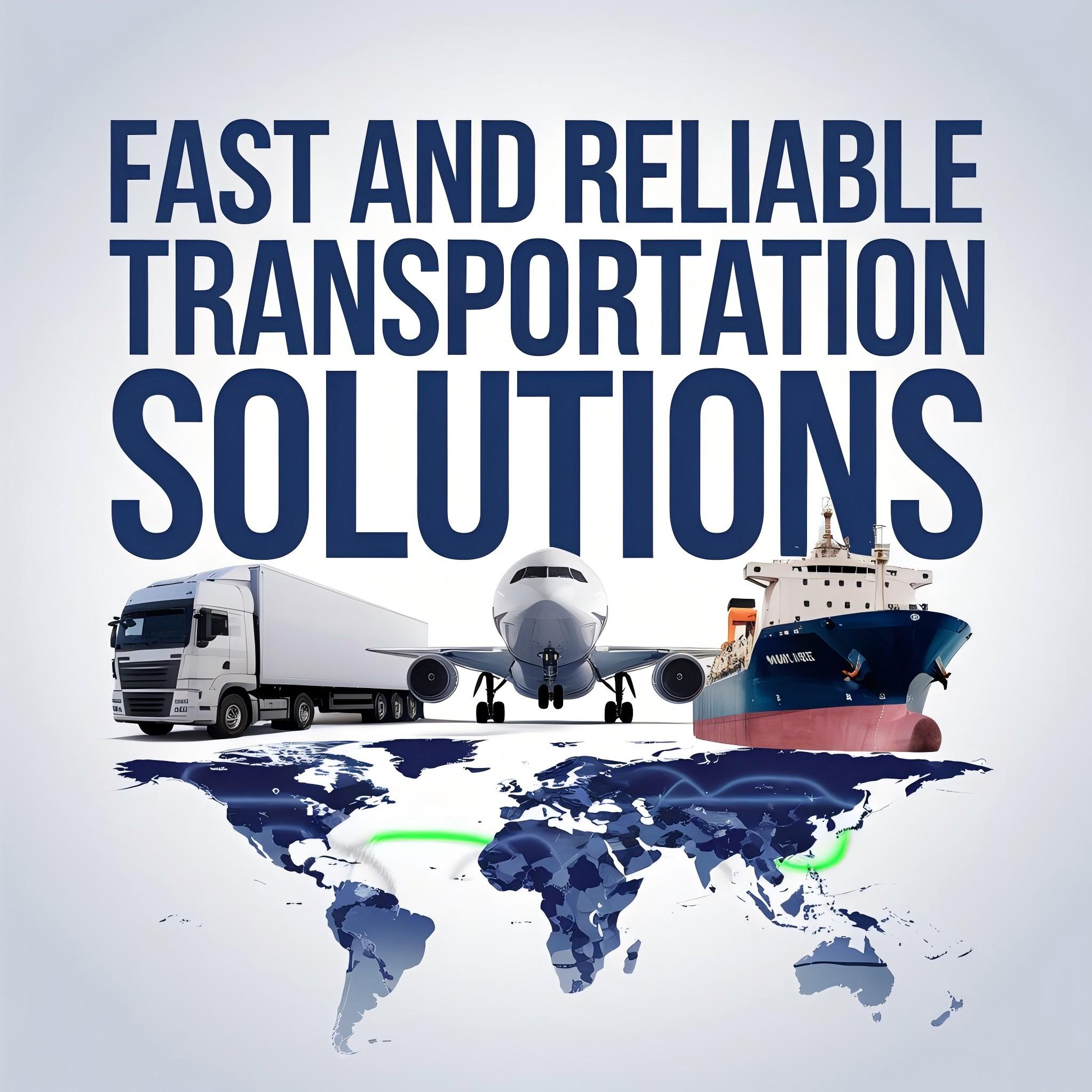
While FCL remains the standard for large-scale solar projects, alternative methods offer different benefits depending on your budget and timeline. For instance, air freight provides unmatched speed but comes at a significantly higher cost per kilogram. Meanwhile, multi-modal solutions combine the efficiency of rail with the cost-effectiveness of maritime transport.
In contrast, sea-air combinations can bypass congested ports by flying cargo to a regional hub before completing the journey by ship. This approach typically reduces transit time by 10-15 days compared to traditional ocean routes. Nevertheless, the cost-benefit analysis must favor the urgency of your solar installation schedule in Ireland.
| Shipping Method | Cost Range | Transit Time | Best For |
|---|---|---|---|
| Sea Freight FCL | $3,200 – $4,500 | 35-45 Days | Bulk Solar Shipments |
| Sea Freight LCL | $80 – $160/CBM | 40-50 Days | Small Batch Modules |
| Rail-Sea Hybrid | $4,500 – $6,200 | 25-32 Days | Urgent Project Deadlines |
| Air Freight | $15,000+ | 5-9 Days | Emergency Replacements |
Optimizing Customs Clearance and Documentation
Importing solar panels into Ireland requires meticulous attention to detail regarding European Union customs regulations. Specifically, you must ensure that all technical specifications and certificates of origin are accurately documented to avoid delays at the Port of Dublin. Utilizing professional customs brokerage services can streamline this process significantly.
Moreover, the Irish Revenue Commissioners require specific declarations for renewable energy products to qualify for potential tax incentives. Therefore, your commercial invoice must clearly state the wattage, cell type, and intended use of the panels. Consequently, accurate paperwork prevents your cargo from being held in storage, which would further increase your total landed cost.
Furthermore, you should verify the current VAT rates for solar equipment in Ireland, as these can fluctuate based on government policy. Indeed, a knowledgeable customs partner ensures that you comply with all local laws while minimizing your financial liability. As a result, your 40GP FCL container shortage solution for solar panels from China to Ireland becomes more cost-effective.
Transit Time and Pricing Benchmarks for 2024-2025
Shipping costs from China to Ireland have stabilized somewhat after the disruptions of previous years, but seasonal spikes still occur. For example, during the pre-Golden Week rush in September, rates often climb by 20% due to increased competition for space. Accordingly, importers should monitor logistics trends closely to time their purchases effectively.
Typically, a voyage from Shanghai to Dublin takes approximately 35 to 42 days, depending on the number of transshipment stops. Meanwhile, direct services from Shenzhen may offer slightly faster transit times to the Port of Cork. However, these direct routes often command a premium price compared to slower, multi-stop services via Rotterdam or Antwerp.
| Origin Port | Destination Port | Average Transit | Typical Rate (40HQ) |
|---|---|---|---|
| Shanghai | Dublin | 38 Days | $3,800 – $4,200 |
| Shenzhen | Dublin | 35 Days | $3,700 – $4,100 |
| Ningbo | Cork | 40 Days | $3,900 – $4,400 |
| Qingdao | Dublin | 42 Days | $4,000 – $4,500 |
Why Door to Door Logistics is Essential for Solar Projects
Managing the final mile of delivery in Ireland is just as important as the ocean crossing from China. Because solar panels are fragile and heavy, they require specialized cargo handling equipment for unloading at the site. Choosing a door to door service ensures that a single provider manages the entire chain of custody.
Furthermore, this integrated approach reduces the risk of damage during the transition from the port to the inland warehouse. If multiple carriers are involved, determining liability for broken modules becomes extremely difficult. Therefore, a comprehensive logistics solution provides peace of mind and simplifies the insurance claims process if an issue arises.
Additionally, your logistics provider can coordinate with Irish trucking companies to ensure that the delivery schedule aligns with your installation team’s availability. Consequently, you avoid paying for idle labor at the job site while waiting for the container to arrive. Indeed, this level of coordination is a vital component of any successful 40GP FCL container shortage solution for solar panels from China to Ireland.
Can Rail Freight Solve Ireland’s Solar Panel Shipping Delays?
While Ireland is an island, rail freight remains a viable part of a multi-modal strategy from China to Europe. You can ship solar panels via the China-Europe Railway Express to major hubs like Duisburg or Hamburg. From there, the cargo is transferred to a short-sea vessel for the final leg to Dublin or Belfast.
Specifically, this method is significantly faster than traditional sea freight, often cutting transit time down to 22-28 days. Although the cost is higher than ocean transport, it is much more affordable than air freight. As a result, rail-sea hybrid solutions serve as an excellent contingency plan when sea containers are unavailable.
Moreover, rail transport is less susceptible to the weather-related delays that often plague maritime routes during the winter months. Nevertheless, you must ensure that your packaging is robust enough to withstand the vibrations associated with long-distance rail travel. Consequently, reinforcing your pallets is a necessary step for this shipping mode.
Real Case Study: Shanghai to Dublin Solar Shipment
Case Study 1: Overcoming Equipment Shortage with 40HQ
Route: Shanghai, China to Dublin, Ireland
Cargo: Tier 1 Mono-crystalline Solar Panels, 68 CBM
Container: 1 x 40HQ (Substituted for 40GP)
Shipping Details:
– Carrier: COSCO Shipping
– Port of Loading: Shanghai Yangshan
– Port of Discharge: Dublin Port
– Route Type: Transshipment via Rotterdam
Cost Breakdown:
– Ocean Freight: $3,950
– Origin Charges: $450
– Destination Charges: $600
– Customs and Duties: $1,200
– Total Landed Cost: $6,200
Timeline:
– Booking to Loading: 5 days
– Sea Transit: 37 days
– Customs Clearance: 2 days
– Total Door-to-Door: 44 days
Key Insight: By switching to a 40HQ container, the client secured a booking within 48 hours, avoiding a 3-week wait for a standard 40GP unit. Based on Q4 2024 market rates.
Real Case Study: Shenzhen to Cork LCL Solution
Case Study 2: Managing Small Batch Imports During Shortages
Route: Shenzhen, China to Cork, Ireland
Cargo: Residential Solar Inverters and Panels, 12 CBM
Container: LCL (Less than Container Load)
Shipping Details:
– Carrier: Major Global Consolidator
– Port of Loading: Shenzhen Shekou
– Port of Discharge: Port of Cork
– Route Type: Direct via feeder vessel
Cost Breakdown:
– Ocean Freight: $1,440 ($120/CBM)
– Origin Charges: $250
– Destination Charges: $400
– Customs and Duties: $850
– Total Landed Cost: $2,940
Timeline:
– Booking to Loading: 3 days
– Sea Transit: 41 days
– Customs Clearance: 3 days
– Total Door-to-Door: 47 days
Key Insight: LCL allowed the importer to bypass the FCL container shortage entirely for a smaller residential project. Typical rates as of early 2025.
Decision Framework: Which Option Should You Choose?
Choosing the right logistics path depends on your specific volume and urgency requirements for Europe bound cargo. If your budget is the primary concern and you have a flexible timeline, waiting for a 40GP or 40HQ sea freight slot is the best approach. However, if your project installation begins in less than 30 days, a rail-sea hybrid is the only realistic choice.
Specifically, for shipments under 15 CBM, LCL is almost always more economical than paying for a half-empty 40-foot container. Conversely, if you are importing more than 25 CBM, the security and speed of FCL justify the equipment search. Therefore, you should evaluate your total volume before making a final booking decision.
Furthermore, consider the value of your cargo when selecting a method. High-efficiency solar panels represent a significant investment, so the added protection of a dedicated FCL container is often worth the extra effort. Indeed, balancing cost, speed, and safety is the hallmark of a professional supply chain strategy.
Summary of Solar Logistics Solutions
Navigating the 40GP FCL container shortage solution for solar panels from China to Ireland requires a combination of early booking, equipment flexibility, and professional expertise. By considering 40HQ alternatives, LCL consolidation, and multi-modal rail-sea routes, you can overcome current market bottlenecks.
Moreover, working with an experienced freight forwarder ensures that your documentation is accurate and your customs clearance is handled without delay. Consequently, your solar panels will arrive safely and on time to support Ireland’s green energy transition. Note: Freight rates are subject to change based on fuel costs, carrier capacity, and seasonal demand. Contact us for a current quote tailored to your specific shipment.
Ready to streamline your logistics?
Are you struggling to find equipment for your next solar shipment? Contact our experts today to secure a 40GP FCL container shortage solution for solar panels from China to Ireland. Visit our website to request a personalized quote and streamline your renewable energy logistics.
Request Quote