

FCL Shipping for Textiles from China to Ireland: The Ultimate Guide
Importing high volumes of fabric or garments requires a logistics partner that understands the nuances of the Irish market. Top China Freight offers specialized solutions to ensure your goods arrive safely and on time. Consequently, FCL shipping for textiles from China to Ireland remains the most efficient method for maintaining a steady supply chain while minimizing unit costs. This guide explores everything from port selection to customs documentation to help you optimize your shipping strategy.

What is FCL shipping for textiles from China to Ireland?
Full Container Load shipping involves dedicating an entire sea container to a single consignee. This method is particularly beneficial for the textile industry because it prevents cross-contamination with other types of cargo. Moreover, using sea freight for full containers provides a secure environment for delicate fabrics that might be sensitive to dust or odors from shared loads.
Importers typically choose between 20-foot and 40-foot containers based on their inventory needs and budget. Specifically, a 20GP container fits approximately 28 to 30 cubic meters of goods, while a 40HQ can accommodate up to 76 cubic meters. Therefore, choosing the right size is critical for maximizing your shipping budget and ensuring the safety of your textile rolls or boxed garments.
Textile logistics requires careful planning to avoid moisture damage during the long journey across the ocean. Consequently, professional shippers often use desiccant bags or specialized container liners to protect the integrity of the fabric. Furthermore, FCL shipments generally involve less handling compared to LCL, which significantly reduces the risk of physical damage during transit.
Irish businesses often prefer FCL because it simplifies the logistics chain from the factory door to the warehouse. Indeed, the container is sealed at the point of origin and remains unopened until it reaches its final destination in Ireland. This level of security is essential for high-value fashion items and specialized industrial textiles.
Why is FCL shipping for textiles from China to Ireland preferred by importers?
Economies of scale play a major role in the decision to use full containers for textile imports. Although the upfront cost of a full container is higher than a single pallet, the price per kilogram is significantly lower. For instance, shipping a full 40HQ container of cotton shirts often costs 40 percent less per unit than shipping the same volume via LCL.
Speed is another factor that makes FCL attractive for fashion brands with seasonal deadlines. Because the container does not need to be consolidated or de-consolidated at a warehouse, the transit process is much faster. Meanwhile, direct routes from major Chinese hubs like Ningbo or Shanghai to Dublin Port help maintain tight delivery schedules.
Safety and cleanliness are paramount when handling white fabrics or high-end silks. However, in an LCL environment, your textiles might be placed next to industrial machinery or chemical products. By choosing FCL, you ensure that your cargo is the only occupant of the container, maintaining the highest standards of hygiene.
Inventory management becomes more predictable when you control the entire container space. You can plan your warehouse intake more effectively because you know exactly when the full volume of your order will arrive. Consequently, this reliability allows Irish retailers to launch new collections with greater confidence in their supply chain.
How Does FCL Compare to Other Shipping Options?
Comparing different transport modes is essential for finding the right balance between cost and speed. While FCL is the standard for volume, air freight remains the fastest option for urgent restocking. Nevertheless, the cost difference is substantial, often making air freight ten times more expensive than sea transport.
LCL is a viable alternative for smaller boutiques that cannot fill a 20-foot container. On the other hand, the risk of delays is higher with LCL due to the multiple handling points required at the container freight station. For most medium-to-large Irish importers, FCL remains the superior choice for long-term sustainability.
Hybrid solutions like sea-air are also gaining popularity for shipments that need a middle ground. These routes might involve shipping from China to Dubai by sea and then flying the goods to Dublin. However, for the majority of standard textile orders, direct FCL sea routes provide the most predictable cost-to-benefit ratio.
| Shipping Method | Cost Range | Transit Time | Best For |
|---|---|---|---|
| FCL 20GP | $2,000 – $2,800 | 32-38 Days | Bulk fabric rolls |
| FCL 40HQ | $3,500 – $4,500 | 32-38 Days | High-volume garments |
| LCL (per CBM) | $80 – $150 | 40-45 Days | Small sample orders |
| Air Freight | $5.50 – $9.00/kg | 5-8 Days | Urgent fashion launches |
Key Transit Times and Port Routes for Irish Textile Trade
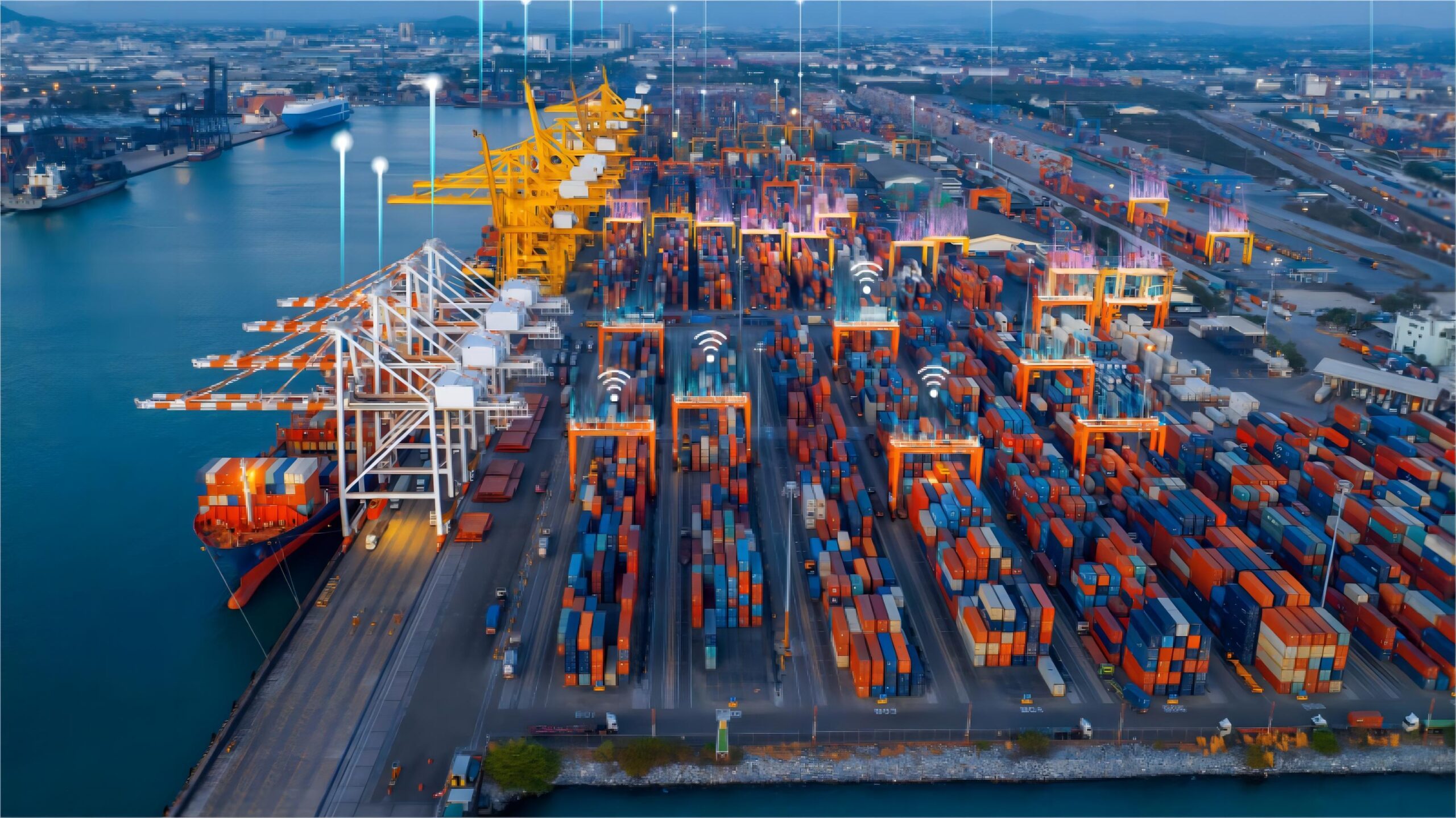
Transit times for FCL shipping for textiles from China to Ireland usually range from 30 to 40 days depending on the carrier. Most vessels depart from major eastern ports such as Shanghai, Ningbo, or Shenzhen. Subsequently, they travel through the Suez Canal before reaching major European transshipment hubs or sailing directly to Ireland.
Dublin Port is the primary gateway for most textile shipments entering the Republic of Ireland. It offers excellent infrastructure for handling large container volumes and provides quick access to the national motorway network. Additionally, the Port of Cork serves as a vital alternative for businesses located in the southern part of the country.
Weather conditions and seasonal peaks can influence the actual arrival dates of your containers. For example, the weeks leading up to the Chinese New Year often see increased congestion and higher freight rates. Therefore, we recommend booking your shipments at least 3 to 4 weeks in advance during these peak periods.
Major carriers like Maersk, COSCO, and MSC operate regular services on the China-Europe route. These carriers provide tracking tools that allow you to monitor your container’s progress in real-time. In addition, choosing a carrier with a direct call to a nearby European hub like Rotterdam can sometimes shave a few days off the total transit time.
| Origin Port | Destination Port | Average Transit | Route Type |
|---|---|---|---|
| Shanghai | Dublin | 34 Days | Direct / Transshipment |
| Shenzhen | Dublin | 32 Days | Direct |
| Ningbo | Cork | 36 Days | Transshipment |
| Qingdao | Dublin | 38 Days | Transshipment |
Essential Documents for FCL shipping for textiles from China to Ireland
Navigating the paperwork is often the most challenging part of international trade. You must ensure that your customs brokerage partner has all the necessary documents well before the ship arrives. Specifically, the Commercial Invoice and Packing List must accurately reflect the contents of the container to avoid delays.
The Bill of Lading (B/L) serves as the contract of carriage and the title to the goods. It is vital to check that the description of the textiles matches the Harmonized System (HS) codes used for Irish customs. Furthermore, a Certificate of Origin may be required to qualify for specific trade agreements or to verify the source of the materials.
Ireland’s Revenue Commissioners are strict regarding the valuation of imported textiles. You must provide proof of payment and insurance documents if requested during a customs audit. Consequently, maintaining organized digital records of all shipping documents is a best practice for every Irish importer.
Textile products may also be subject to specific labeling requirements under EU law. Ensure your manufacturer in China includes labels that specify fiber content and care instructions in English. Without a doubt, non-compliant labeling can lead to the seizure of goods at the port of entry.
Understanding Costs: Freight Rates and Surcharges
Freight rates for FCL shipping for textiles from China to Ireland fluctuate based on global demand and fuel prices. As of early 2025, rates have stabilized, but they remain sensitive to geopolitical events in the Red Sea region. Therefore, it is essential to get a current quote that includes all relevant surcharges.
Bunker Adjustment Factor (BAF) and Currency Adjustment Factor (CAF) are common additions to the base ocean freight. Moreover, you should account for local charges such as Terminal Handling Charges (THC) at both the loading and discharge ports. These fees can add several hundred dollars to your total landed cost.
Customs duties in Ireland for textiles typically range from 0% to 12% depending on the specific HS code. Value Added Tax (VAT) is also applied at the standard rate of 23% on the total value of the goods plus shipping and duty. However, many businesses can use postponed VAT accounting to improve their cash flow.
Note: Freight rates are subject to change based on fuel costs, carrier capacity, and seasonal demand. Contact us for a current quote tailored to your specific shipment.
Real-World Case Studies for Textile Shipments
Examining real scenarios helps importers understand the practicalities of the shipping process. These cases reflect typical shipments handled during the 2024-2025 period. By analyzing these examples, you can better estimate your own timelines and costs for FCL shipping for textiles from China to Ireland.
Case Study 1: High-Volume Garment Import Route: Shanghai, China to Dublin, Ireland Cargo: Finished polyester garments, 65 CBM, 12,000 kg Container: 40HQ Shipping Details: – Carrier: COSCO – Port of Loading: Shanghai – Port of Discharge: Dublin – Route: Direct via Suez Cost Breakdown: – Ocean Freight: $4,200 – Origin Charges: $350 – Destination Charges: $450 – Customs Duties: $2,100 (estimated) – Total Landed Cost: $7,100 Timeline: – Booking to Loading: 5 days – Sea Transit: 34 days – Customs Clearance: 2 days – Total Door-to-Door: 41 days Key Insight: Using a 40HQ allowed the importer to maximize volume and reduce the cost per garment to under $0.60 for shipping.
Case Study 2: Boutique Fabric Rolls Route: Ningbo, China to Cork, Ireland Cargo: Organic cotton fabric rolls, 25 CBM, 8,500 kg Container: 20GP Shipping Details: – Carrier: Maersk – Port of Loading: Ningbo – Port of Discharge: Cork – Route: Transshipment via Rotterdam Cost Breakdown: – Ocean Freight: $2,450 – Origin Charges: $300 – Destination Charges: $400 – Customs Duties: $1,200 (estimated) – Total Landed Cost: $4,350 Timeline: – Booking to Loading: 4 days – Sea Transit: 37 days – Customs Clearance: 1 day – Total Door-to-Door: 42 days Key Insight: The importer chose door to door service to simplify the final mile delivery to their rural warehouse.
Alternative Strategies for Irish Textile Logistics
While FCL is the standard, some situations require a different approach to maintain agility. For example, if your production is delayed, you might consider rail freight as a middle-ground solution. Although rail does not go directly to Ireland, shipping to a European hub and then using a short-sea ferry can save 10 to 15 days compared to pure sea freight.
Another alternative is the Sea-Air strategy, which is often used for high-fashion items with short lifecycles. Goods are shipped by sea to a major hub like Singapore or Dubai and then flown to Dublin. This method reduces the transit time to approximately 18-22 days while keeping costs lower than pure air freight.
For startups, LCL remains the most accessible way to enter the market without a massive capital investment. However, as soon as your volume exceeds 15 CBM, the cost of FCL becomes more attractive. Consequently, we recommend reviewing your volume every quarter to see if you are ready to transition to full containers.
Decision Framework: Which Option Should You Choose?
Choosing the right shipping method depends on your specific business priorities. If your primary goal is cost reduction, FCL sea freight is almost always the winner for shipments over 15 cubic meters. On the other hand, if you are chasing a trend and need goods in stores within two weeks, air freight is necessary despite the high cost.
Consider the nature of your textiles when making your decision. Heavy rolls of denim are best suited for 20GP containers due to weight limits, whereas lightweight silk scarves are perfect for 40HQ containers where volume is the priority. Furthermore, always factor in the cost of capital; slower shipping means your money is tied up in inventory for longer periods.
Finally, evaluate the reliability of your supplier’s packing capabilities. FCL provides a safer environment, but the goods must still be properly palletized or stacked to prevent shifting during rough seas. Working with an experienced freight forwarder ensures that these details are managed professionally from start to finish.
Summary of Textile Shipping to Ireland
Successful FCL shipping for textiles from China to Ireland requires a balance of cost management, timing, and regulatory compliance. By selecting the right container size and understanding the transit routes, Irish businesses can significantly reduce their overheads. Moreover, the security and cleanliness of FCL containers protect your valuable fabric investments from damage.
Always remember to stay updated on current freight rates and customs regulations to avoid unexpected costs. Partnering with a dedicated logistics provider like Top China Freight ensures that your cargo is handled with the expertise it deserves. Start planning your next shipment today to keep your textile business moving forward.
Ready to streamline your logistics?
Ready to streamline your textile supply chain? Contact our experts today for a competitive quote on FCL shipping for textiles from China to Ireland and experience seamless logistics.
Request Quote