


40GP FCL Shipping from China to Chicago: Rates and Guide
Managing 40GP FCL shipping from China to Chicago requires a deep understanding of complex inland logistics and ocean freight dynamics. Since Chicago serves as a massive rail hub, your cargo often moves through a combination of sea and rail transport. By partnering with Top China Freight, you can navigate these challenges with professional support and competitive pricing. This guide provides everything you need to optimize your supply chain for this specific route.
What is 40GP FCL Shipping from China to Chicago?
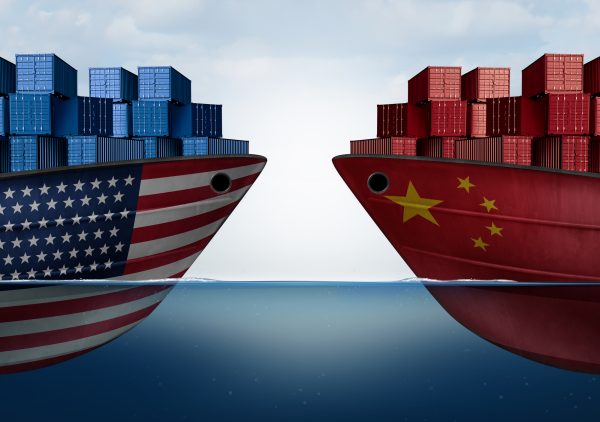
A 40GP or General Purpose container is the workhorse of international trade, offering substantial volume for various goods. Specifically, 40GP FCL shipping from China to Chicago involves booking an entire container for your exclusive use, ensuring better security and faster handling. This method is ideal for businesses moving large volumes of consumer goods, electronics, or machinery.
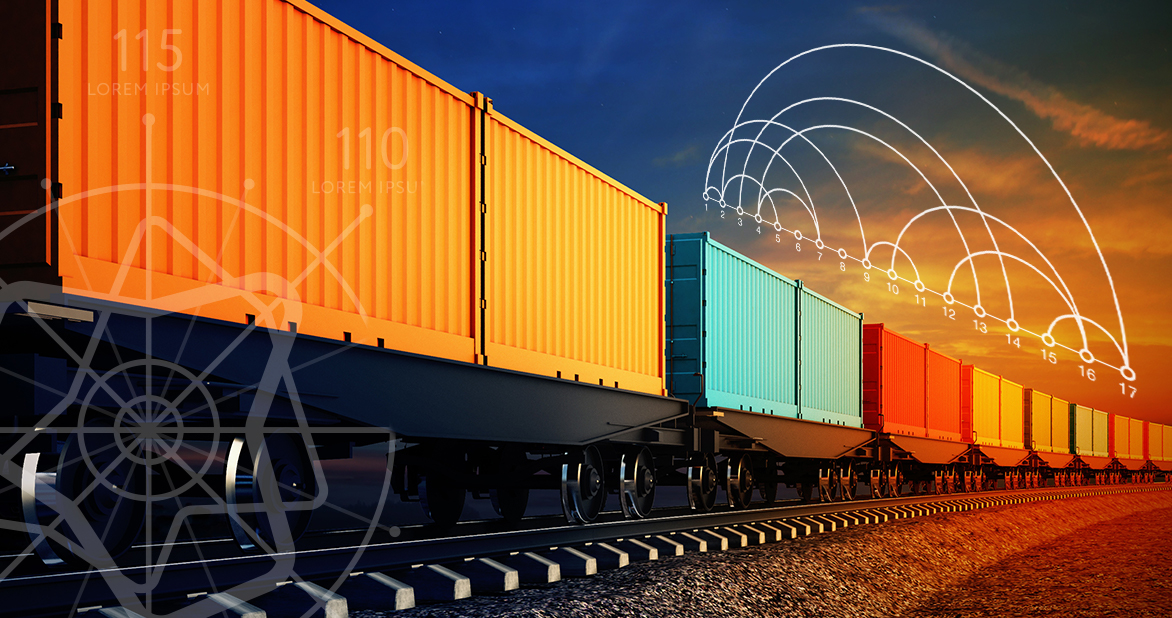
Chicago is a unique destination because it is an inland port, meaning containers must travel by rail from coastal hubs. Most shipments arrive at West Coast ports like Los Angeles or Prince Rupert before transferring to intermodal rail lines. Consequently, choosing the right carrier and rail partner is vital for maintaining a reliable delivery schedule.
Using sea freight for a full container load provides a fixed cost structure that is often more predictable than smaller shipments. Furthermore, FCL shipments face fewer delays during the consolidation process compared to LCL options. Therefore, many importers prefer this method for high-value or time-sensitive inventory.
How Does 40GP FCL Compare to Other Shipping Options?
Evaluating different transport methods is essential for optimizing your logistics budget and timeline. While 40GP containers offer excellent volume, you might also consider 40HQ containers for taller cargo or LCL for smaller batches. Additionally, air freight remains an option for extremely urgent items, though the cost difference is significant.
In contrast to air transport, 40GP FCL shipping from China to Chicago provides a massive cost advantage for heavy goods. However, the transit time is considerably longer, requiring careful inventory planning. Moreover, rail-sea combinations offer a balanced approach between speed and expenditure for inland destinations.
The following table provides an objective analysis of the primary shipping methods available for this specific route.
| Shipping Method | Cost Range | Transit Time | Best For |
|---|---|---|---|
| 40GP FCL | $3,500 – $5,500 | 22 – 35 Days | Bulk Shipments |
| 40HQ FCL | $3,800 – $6,000 | 22 – 35 Days | Tall Cargo |
| LCL Shipping | $150 – $300/CBM | 30 – 45 Days | Small Batches |
| Air Freight | $5 – $9 / kg | 5 – 10 Days | Urgent Goods |
Key Factors Influencing 40GP FCL Shipping Costs
Several variables dictate the final price of 40GP FCL shipping from China to Chicago, starting with the base ocean freight rate. Fuel surcharges, known as Bunker Adjustment Factors, fluctuate monthly based on global oil prices. Additionally, peak season surcharges often apply during the busy months from August to October.
Inland transit costs contribute significantly to the total expense because Chicago requires rail or truck transport from the coast. Specifically, intermodal fees and chassis surcharges can add hundreds of dollars to your final bill. Consequently, it is important to request a comprehensive quote that includes these door-to-door elements.
Market data suggests that rates for 2025 have stabilized compared to the volatility of previous years. Nevertheless, port congestion or rail strikes can still cause sudden spikes in pricing. Indeed, staying informed about current logistics trends is the best way to anticipate these changes.
Transit Times and Route Options to Chicago
The journey for 40GP FCL shipping from China to Chicago typically spans between 22 and 40 days depending on the route. Most carriers use the Pacific Southwest route, docking in Los Angeles or Long Beach before moving cargo onto the BNSF or Union Pacific rail lines. Alternatively, the Pacific Northwest route via Seattle or Prince Rupert can sometimes offer faster rail connections.
Transit times also vary based on the departure port in China, with Shenzhen and Guangzhou generally offering slightly faster sailings than northern ports. Meanwhile, shipments moving through the Panama Canal to East Coast ports like Savannah before heading to Chicago will take the longest. As a result, importers must weigh the trade-off between ocean transit time and rail efficiency.
Note: Freight rates and transit times are subject to change based on fuel costs, carrier capacity, and seasonal demand. Contact us for a current quote tailored to your specific shipment.
Navigating Customs and Documentation for Chicago Imports
Proper documentation is the backbone of a successful import process when moving goods into the United States. You must provide a Commercial Invoice, Packing List, and Bill of Lading to satisfy U.S. Customs and Border Protection requirements. Furthermore, an ISF 10+2 filing must be completed at least 24 hours before the ship departs from China.
Utilizing a professional customs brokerage service can prevent costly delays and penalties at the Chicago rail ramp. Specifically, brokers ensure that your goods are classified correctly under the Harmonized Tariff Schedule. Consequently, you can avoid overpaying duties and ensure compliance with all federal regulations.
Chicago customs clearance often happens at the initial port of entry or at a bonded warehouse within the city. Because Chicago is a major hub for North America, the local customs offices are highly experienced but very busy. Therefore, submitting your paperwork early is a critical step in the logistics chain.
Case Study 1: Electronics from Shenzhen to Chicago
Route: Shenzhen, China to Chicago, USA via Los Angeles. Cargo: Consumer Electronics, 65 CBM, 18,000 kg. Container: 40GP FCL. Carrier: COSCO. Port of Loading: Yantian. Port of Discharge: Los Angeles. Route Type: Intermodal Rail to Chicago.
Cost Breakdown: Ocean Freight: $3,200. Origin Charges: $450. Destination Rail and Handling: $1,200. Customs and Duties: $4,500. Total Landed Cost: $9,350. Timeline: Booking to Loading: 4 days. Sea Transit: 15 days. Rail Transit: 7 days. Customs Clearance: 2 days. Total Door-to-Door: 28 days.
Key Insight: Using a direct rail link from Los Angeles saved five days compared to traditional trucking methods. Based on Q4 2024 market rates, this shipment benefited from early booking before the holiday rush.
Case Study 2: Home Furniture from Ningbo to Chicago
Route: Ningbo, China to Chicago, USA via Prince Rupert. Cargo: Wooden Furniture, 60 CBM, 12,000 kg. Container: 40GP FCL. Carrier: Maersk. Port of Loading: Ningbo-Zhoushan. Port of Discharge: Prince Rupert, Canada. Route Type: CN Rail to Chicago.
Cost Breakdown: Ocean Freight: $3,500. Origin Charges: $400. Destination Rail and Handling: $1,100. Customs and Duties: $2,800. Total Landed Cost: $7,800. Timeline: Booking to Loading: 5 days. Sea Transit: 14 days. Rail Transit: 8 days. Customs Clearance: 3 days. Total Door-to-Door: 30 days.
Key Insight: Routing through Prince Rupert avoided the congestion often found at California ports during peak season. Typical rates as of early 2025 show this route remains a cost-effective alternative for Midwest destinations.
Which Option Should You Choose for Your Chicago Shipment?
Selecting the best strategy for 40GP FCL shipping from China to Chicago depends on your specific business priorities. If your primary goal is cost reduction, choosing a slower water route to the East Coast followed by rail might save money. However, if speed is the priority, the West Coast intermodal route is the superior choice.
For cargo volumes exceeding 15 CBM, FCL is almost always more economical than LCL. Additionally, consider door to door services if you lack the resources to manage inland trucking from the Chicago rail terminal. This comprehensive approach simplifies the process and places the responsibility for coordination on the freight forwarder.
If your cargo is exceptionally heavy, rail freight within the US is far more efficient than long-haul trucking. Specifically, intermodal containers are designed to move seamlessly between ships and trains. Consequently, this hybrid approach is the standard for most 40GP shipments heading to the Midwest.
Cost-Saving Strategies for FCL Shipments
One effective way to lower your 40GP FCL shipping from China to Chicago costs is to book your space at least three weeks in advance. This allows you to secure more favorable rates before capacity tightens. Moreover, choosing off-peak departure dates can help you avoid seasonal surcharges that drive up prices.
Another strategy involves optimizing your container loading to ensure you are utilizing the maximum available volume. Since you pay for the entire 40GP container regardless of how full it is, maximizing space reduces the cost per unit. Furthermore, negotiating long-term contracts with forwarders can provide price stability in a volatile market.
Finally, consider using a freight forwarder who offers consolidated billing for all origin and destination charges. This transparency prevents hidden fees from inflating your total landed cost. Indeed, clear communication with your logistics provider is the most effective tool for budget management.
Mastering Your Chicago Logistics Strategy
In summary, 40GP FCL shipping from China to Chicago is a complex but manageable process when you understand the intermodal nature of the route. By focusing on efficient port selection and robust documentation, you can minimize delays and control costs. Remember that Chicago’s status as a rail hub offers multiple entry points, each with its own pros and cons.
As market conditions evolve in 2025, staying flexible with your routing and timing will be key to maintaining a competitive edge. Whether you prioritize speed or cost, a well-planned FCL strategy is essential for your international trade success. Partnering with experienced professionals will ensure your supply chain remains resilient against global disruptions.
Ready to streamline your logistics?
If you are ready to optimize your 40GP FCL shipping from China to Chicago, our team is here to help. We provide tailored logistics solutions that ensure your cargo arrives safely and on time. Contact us today for a detailed quote and expert advice on your next shipment. Send Inquiry: Visit https://Top China Freight.com/
Request Quote