

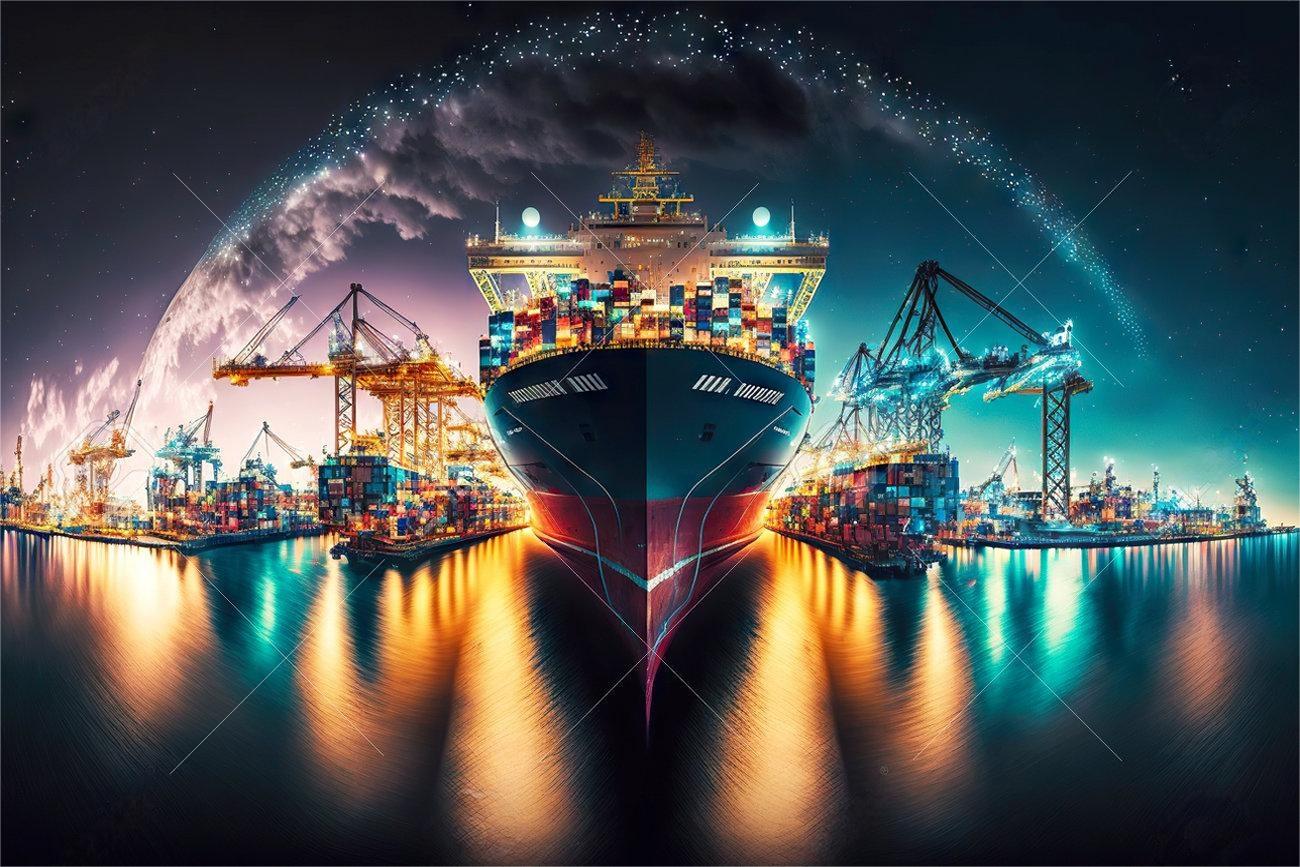
40GP FCL space availability for medical equipment from China to California
Securing 40GP FCL space availability for medical equipment from China to California is a primary concern for healthcare providers and distributors. Managing complex supply chains requires constant monitoring of vessel schedules and port conditions in Los Angeles and Long Beach. Visit Top China Freight to explore reliable shipping solutions for your medical cargo today. Consequently, shippers must act quickly to reserve equipment as market demands shift during peak seasons.
What determines 40GP FCL space availability for medical equipment from China to California?
Global trade volume significantly influences how many 40GP containers remain accessible at major Chinese ports like Shanghai and Ningbo. Shippers often find that medical equipment receives priority during health crises, yet standard commercial peaks still impact overall capacity. Moreover, carrier alliances frequently adjust their blank sailing schedules, which directly affects the weekly volume of available slots.
California remains the busiest gateway for Asian imports, leading to frequent bottlenecks at the San Pedro Bay port complex. Therefore, understanding the seasonal fluctuations in demand is vital for maintaining a steady flow of hospital supplies. Shippers should utilize sea freight services that offer guaranteed space agreements to avoid unexpected delays.
Equipment shortages at inland depots can also restrict the number of containers ready for loading at the coast. Specifically, the availability of 40GP units depends on the efficient turnaround of empty containers returning from US retailers. Consequently, any disruption in the domestic US trucking sector can ripple back to affect China’s export capacity for medical devices.

Current market trends for shipping medical devices in 2025
Market data suggests that freight rates for the China-US West Coast route have stabilized compared to the volatility seen in previous years. However, the introduction of new environmental regulations for maritime vessels may lead to slower transit times as carriers adopt slow-steaming practices. Shippers must account for these changes when planning their delivery schedules for time-sensitive diagnostic machinery.
Digitalization in the logistics sector allows for better tracking of 40GP FCL space availability for medical equipment from China to California in real-time. Many freight forwarders now offer online booking platforms that provide immediate visibility into upcoming vessel departures. Nevertheless, personal relationships with local agents in China still play a crucial role in securing space during tight market conditions.
Medical equipment manufacturers are increasingly looking for greener shipping options to meet corporate sustainability goals. Carriers are responding by offering biofuel-powered transit options, though these may come at a premium price. Indeed, the shift toward sustainable logistics is becoming a defining trend for the healthcare supply chain in 2025.
How Does 40GP FCL Compare to Other Shipping Options?
Choosing between FCL and other methods depends largely on your cargo volume and budget constraints. While a 40GP container provides approximately 67 cubic meters of space, smaller shipments might be better suited for Less than Container Load (LCL) options. Furthermore, urgent medical supplies often bypass the ocean entirely in favor of much faster transit methods.
Consider air freight if your medical equipment is high-value or required for an immediate surgical need. Although the cost per kilogram is significantly higher, the transit time is reduced from weeks to just a few days. In contrast, sea freight remains the most economical choice for bulk items like hospital beds or large imaging systems.
| Shipping Method | Cost Range | Transit Time | Best For |
|---|---|---|---|
| Sea FCL (40GP) | $2,500 – $4,200 | 14 – 22 Days | Bulk hospital supplies |
| Air Freight | $8,000 – $15,000+ | 3 – 7 Days | Urgent medical devices |
| LCL Shipping | $150 – $300 /CBM | 18 – 25 Days | Small equipment batches |
| Express | Very High | 2 – 4 Days | Emergency spare parts |
Which Option Should You Choose?
Budget priority dictates that sea freight is the clear winner for large-scale medical infrastructure projects. If you are managing inventory for Amazon FBA or large medical distributors, FCL provides the best cost-to-volume ratio. Meanwhile, speed-oriented projects must prioritize air or express services regardless of the higher freight rates.
Cargo type also influences the decision, as sensitive electronic components may require the smoother handling found in air transport. On the other hand, durable goods that can withstand longer transit times benefit from the stability of a 40GP container. Shippers should evaluate the total landed cost, including insurance and storage, before making a final selection.
Navigating customs and FDA regulations for medical imports
Importing medical equipment into California requires strict adherence to Food and Drug Administration (FDA) guidelines. Every shipment must have the correct product codes and registration numbers clearly documented before the vessel arrives at the port. Accordingly, engaging a professional customs brokerage is essential to prevent costly seizures or delays.
Customs officials in Los Angeles are particularly vigilant regarding the certification of medical-grade materials. Incomplete paperwork can lead to intensive examinations, which add significant storage fees to your total shipping bill. Therefore, ensuring that your Chinese supplier provides all necessary certificates of conformity is a critical step in the logistics process.
Note: Freight rates are subject to change based on fuel costs, carrier capacity, and seasonal demand. Contact us for a current quote tailored to your specific shipment.
Case Study 1: Large Scale Hospital Bed Delivery
Case Study 1: Strategic Planning for Bulk Medical Furniture
Route: Ningbo, China to Long Beach, California
Cargo: 150 Manual Hospital Beds, 65 CBM, 12,000 kg
Container: 40GP FCL
Shipping Details:
– Carrier: COSCO Shipping
– Port of Loading: Ningbo
– Port of Discharge: Long Beach
– Route Type: Direct
Cost Breakdown:
– Ocean Freight: $3,450
– Origin Charges: $420
– Destination Charges: $580
– Customs and Duties: $1,200
– Total Landed Cost: $5,650
Timeline:
– Booking to Loading: 5 days
– Sea Transit: 15 days
– Customs Clearance: 3 days
– Total Door-to-Door: 23 days
Key Insight: Early booking allowed the client to secure 40GP FCL space availability for medical equipment from China to California during the pre-Lunar New Year rush.
Case Study 2: Diagnostic Imaging Equipment
Case Study 2: High-Value Imaging System Transit
Route: Shanghai, China to Los Angeles, California
Cargo: Ultrasound Machines, 45 CBM, 8,500 kg
Container: 40GP FCL (Specialized Padding)
Shipping Details:
– Carrier: Maersk Line
– Port of Loading: Shanghai
– Port of Discharge: Los Angeles
– Route Type: Direct
Cost Breakdown:
– Ocean Freight: $3,800
– Origin Charges: $550
– Destination Charges: $620
– Customs and Duties: $4,500
– Total Landed Cost: $9,470
Timeline:
– Booking to Loading: 7 days
– Sea Transit: 14 days
– Customs Clearance: 2 days
– Total Door-to-Door: 23 days
Key Insight: Using a direct route minimized handling, ensuring the sensitive medical electronics arrived without damage or calibration issues.
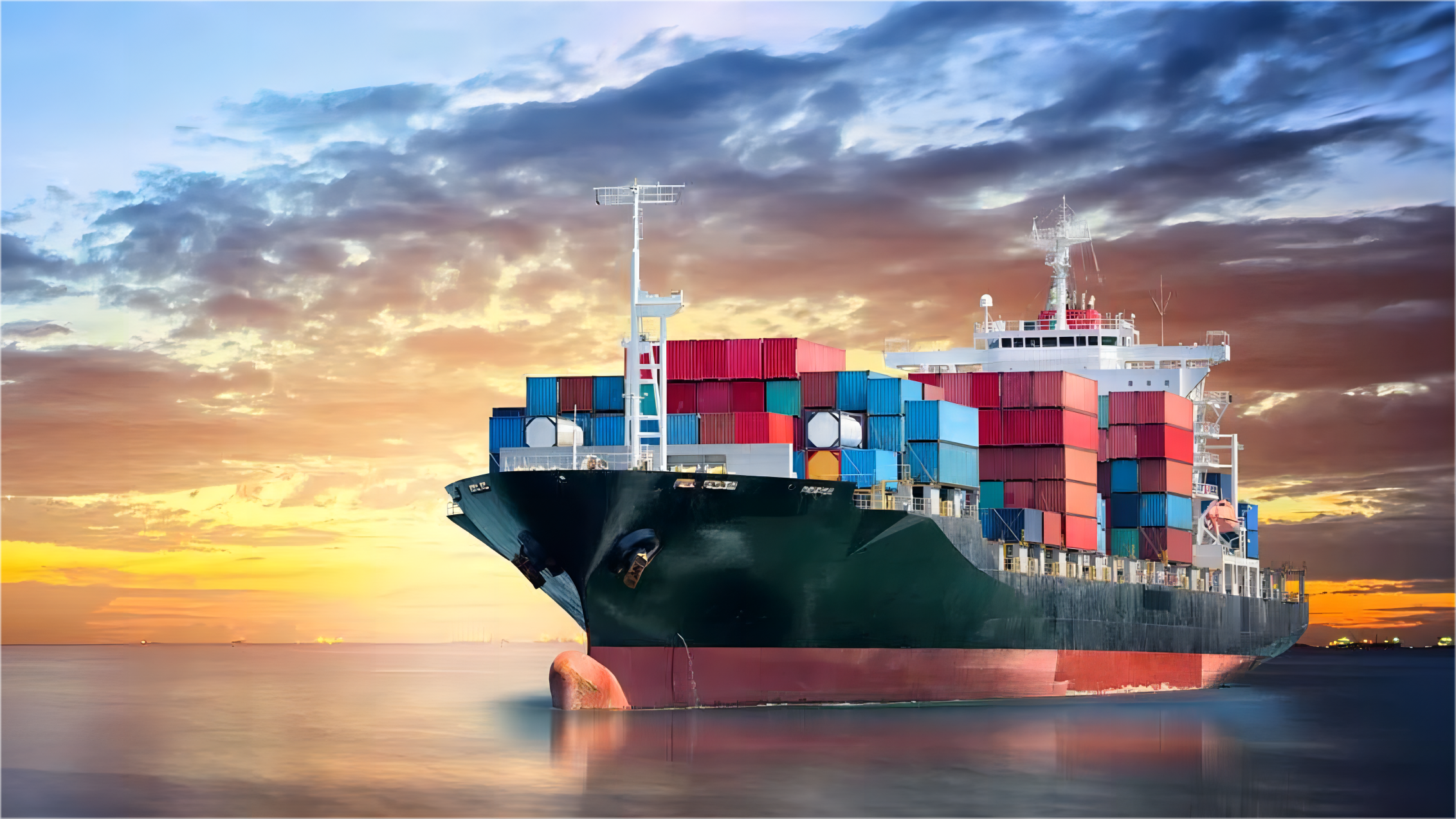
Alternative strategies for California medical shipments
If 40GP FCL space availability for medical equipment from China to California is limited at LA ports, consider routing through Oakland. While the inland trucking distance to Southern California is greater, the reduced port congestion can often save several days in total transit time. Additionally, some shippers find that transshipment through Busan or Kaohsiung provides access to more vessel options.
Hybrid sea-air solutions are another effective strategy for balancing cost and speed. You can ship the bulk of your equipment via ocean and use air freight for the essential startup components or sensitive parts. Furthermore, utilizing door to door services simplifies the entire process by consolidating all logistics stages under one provider.
Consolidating multiple smaller orders into a single 40GP container can also help in securing space with carriers. Many lines prefer full container loads over multiple small bookings, making it easier to get a confirmed spot on the next vessel. Consequently, strategic inventory management can lead to more reliable shipping outcomes.
Final thoughts on medical equipment logistics
Managing 40GP FCL space availability for medical equipment from China to California requires a proactive approach and a deep understanding of market dynamics. By choosing the right shipping method and preparing documentation early, you can avoid the most common pitfalls of international trade. Remember that the healthcare industry relies on your ability to maintain a consistent and secure supply chain.
Partnering with an experienced freight forwarder provides the expertise needed to navigate fluctuating rates and complex customs requirements. As California ports continue to evolve, staying informed about logistics trends will remain a competitive advantage for your business. Secure your next 40GP FCL space today to ensure your medical equipment reaches those who need it most.
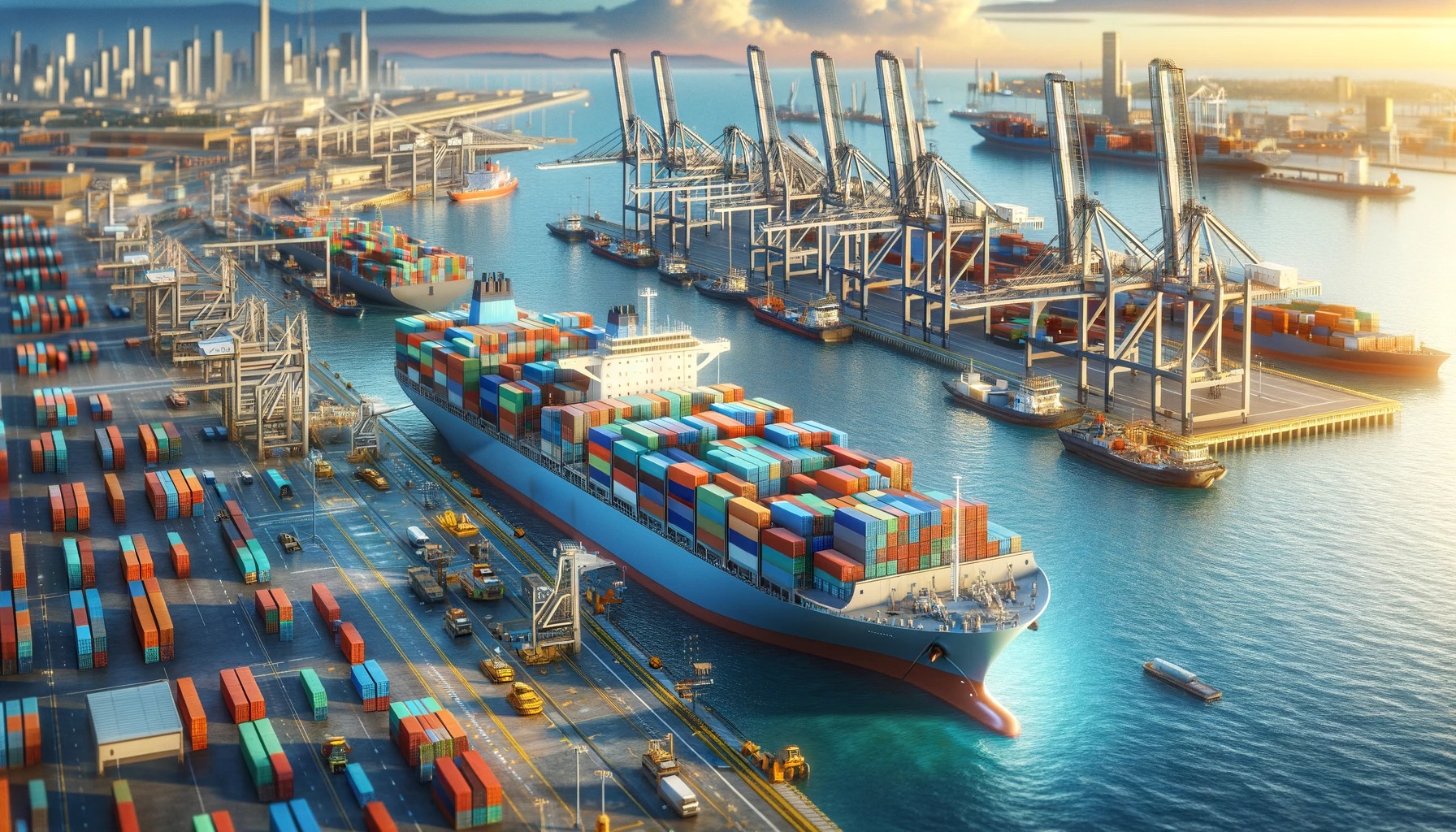
Ready to streamline your logistics?
Ensure your medical supplies arrive on time by checking the latest 40GP FCL space availability for medical equipment from China to California. Contact our logistics experts today for a personalized quote and secure your shipment. Visit Top China Freight to get started now. [Send Inquiry]
Request Quote