


40GP FCL Space Availability for Solar Panels from China to Savannah: 2025 Guide
Securing 40GP FCL space availability for solar panels from China to Savannah is currently a critical task for many US-based renewable energy companies. By working with a reliable partner like Top China Freight, importers can navigate the complex waters of international logistics and ensure their projects stay on schedule. This comprehensive analysis explores the current state of the China-to-Savannah shipping route, focusing on the specific needs of solar panel transportation. We will examine the factors influencing container availability and provide actionable strategies for your supply chain.

Understanding 40GP FCL Space Availability for Solar Panels from China to Savannah
Shipping solar panels requires specific container types, and the 40GP (General Purpose) container is often the standard choice for large-scale PV modules. However, maintaining consistent 40GP FCL space availability for solar panels from China to Savannah has become increasingly difficult due to fluctuating demand. Historically, the Savannah port serves as a major gateway for the Southeastern United States, making it a high-traffic destination for renewable energy components.
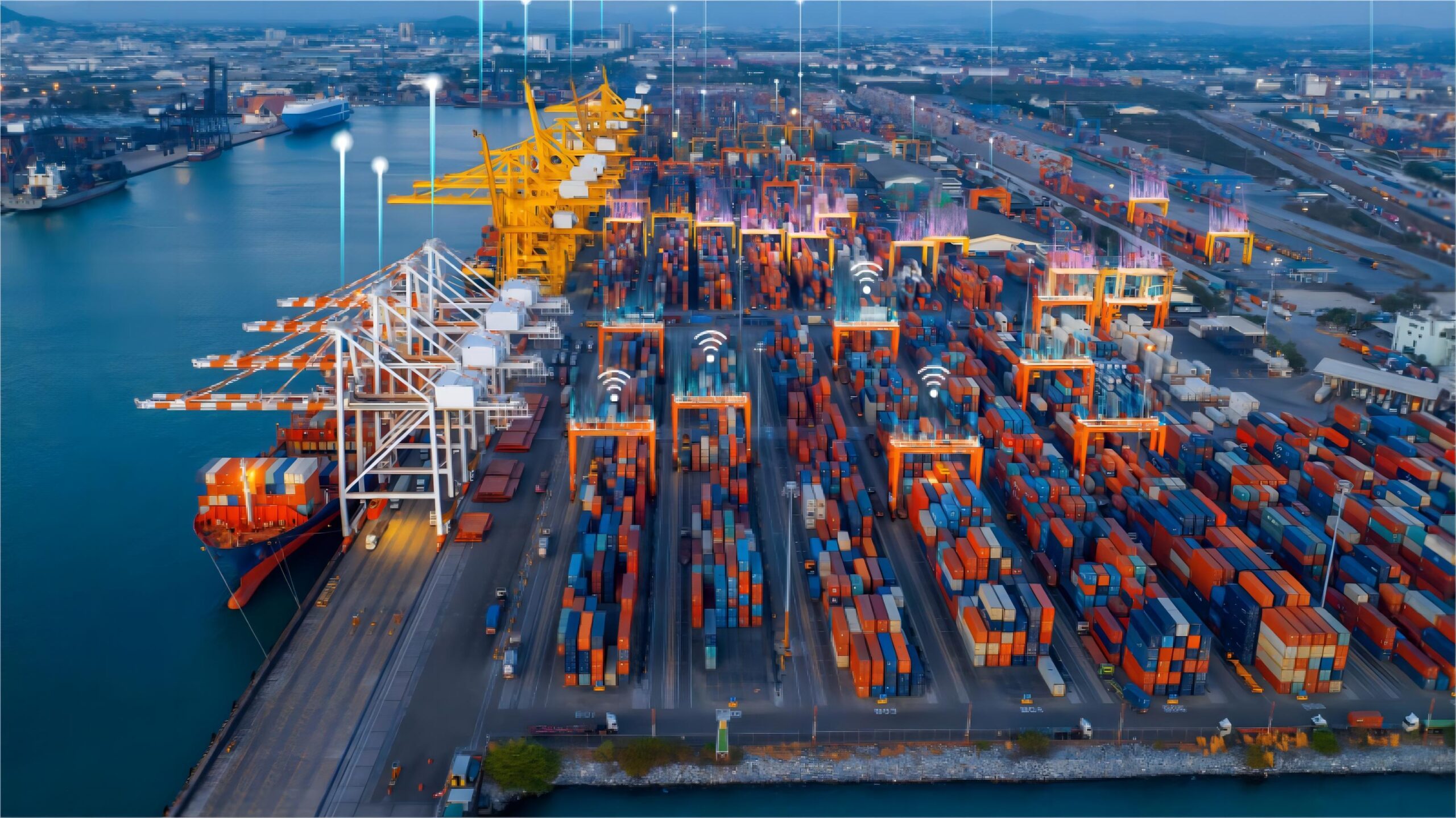
Importers must understand that space availability is not just about the physical container but also the vessel capacity allocated by carriers. Consequently, planning your logistics at least six to eight weeks in advance is now a necessity rather than a luxury. Furthermore, the specialized nature of solar panels means they require careful handling to avoid micro-cracks during the long transpacific journey.
Moreover, the concentration of solar manufacturing in regions like Jiangsu and Zhejiang puts immense pressure on ports like Shanghai and Ningbo. Therefore, when you look for space, you are competing with thousands of other shippers targeting the same limited weekly sailings. Indeed, the balance between supply and demand on this specific route remains delicate throughout the year.
How Does Sea Freight Compare to Other Shipping Options?
When evaluating your logistics strategy, it is essential to compare sea freight with other available methods to determine the best fit for your budget and timeline. While ocean transport is the most cost-effective for high-volume solar projects, it is also the most susceptible to port congestion and seasonal delays. In contrast, alternative methods offer different advantages depending on the urgency of your installation schedule.
Additionally, the choice between FCL (Full Container Load) and LCL (Less than Container Load) can significantly impact your landed cost. For solar panels, FCL is almost always preferred because it reduces the risk of damage from handling other shippers’ cargo. Nevertheless, understanding the trade-offs in speed and price is vital for maintaining a healthy supply chain.
| Shipping Method | Cost Range | Transit Time | Best For | Limitations |
|---|---|---|---|---|
| Sea Freight (40GP) | $4,500 – $6,000 | 30 – 35 Days | Bulk Solar Projects | Longer lead times |
| Sea-Air Hybrid | $8,000 – $12,000 | 18 – 22 Days | Urgent Replacements | High cost per unit |
| Air Freight | $20,000+ | 5 – 7 Days | Critical Parts | Extremely expensive |
| LCL Shipping | $80 – $150/CBM | 35 – 40 Days | Small Samples | Higher damage risk |
Key Factors Affecting Space Availability on the China-Savannah Route
Several variables influence the current 40GP FCL space availability for solar panels from China to Savannah, starting with seasonal peaks in the renewable energy sector. For example, many developers rush to complete projects before the end of the fiscal year, leading to a massive spike in bookings during Q3 and Q4. Consequently, vessel space becomes a premium commodity, and rates often climb in response to this congestion.
Furthermore, global geopolitical events and labor negotiations at US East Coast ports can lead to sudden shifts in carrier schedules. Specifically, the Port of Savannah has undergone significant expansions, yet it still faces occasional bottlenecks during peak import months. Therefore, staying informed about port operations is just as important as securing the container itself.
In addition, the physical availability of 40GP equipment at Chinese inland depots can vary. Sometimes a carrier might have vessel space but lack the actual steel boxes at the loading port. As a result, shippers may need to consider 40HQ (High Cube) containers as an alternative, even if the extra height is not strictly required for the cargo.
The Importance of Booking Early for Solar PV Modules
Securing space early is the single most effective way to manage your solar energy supply chain. By initiating your booking process early, you allow your freight forwarder to negotiate better rates and guarantee a spot on the desired vessel. Additionally, this lead time provides a buffer for any production delays at the factory in China, which are quite common in the solar industry.
Notably, some companies also utilize Amazon FBA logistics strategies for smaller solar components like inverters or mounting brackets. While this is less common for large panels, the principle of proactive inventory management remains the same. Without a doubt, waiting until the last minute often results in being rolled to the next vessel, causing weeks of delay.
Moreover, early booking allows for better coordination with inland trucking services in both China and the United States. Since the Port of Savannah requires specific appointments for container pickup, having your documentation ready well in advance ensures a smooth transition from sea to land.
Real-World Case Studies: China to Savannah Solar Shipments
Case Study 1: Large Scale Solar Project Shipment. This project involved the transport of 50 containers of PV modules from Shanghai to a solar farm in Georgia. Due to careful planning, the 40GP FCL space availability for solar panels from China to Savannah was secured during the off-peak season, resulting in significant cost savings.
Case Study 2: Fast-Tracking Residential Solar Panels. A distributor needed 5 containers urgently to meet a sudden spike in residential demand. By using a premium direct service, they avoided transshipment delays, though at a slightly higher ocean freight rate.
Case Study 1: Georgia Utility Project
Route: Shanghai, China to Savannah, USA. Cargo: 540W Mono-crystalline Solar Panels, 1,350 CBM. Container: 50 x 40GP FCL.
Shipping Details: Carrier: COSCO. Port of Loading: Shanghai. Port of Discharge: Savannah. Route Type: Direct via Panama Canal.
Cost Breakdown: Ocean Freight: $4,850 per unit. Origin Charges: $320. Destination Charges: $450. Customs and Duties: Based on Section 201. Total Landed Cost: $281,000 (Freight only).
Timeline: Booking to Loading: 14 days. Sea Transit: 32 days. Customs Clearance: 3 days. Total Door-to-Door: 55 days. Key Insight: Booking 8 weeks in advance during Q1 saved the client 15% compared to Q4 peak rates.
Case Study 2: Fast-Track Residential Supply
Route: Ningbo, China to Savannah, USA. Cargo: Residential Solar Inverters and Panels, 135 CBM. Container: 5 x 40GP FCL.
Shipping Details: Carrier: Maersk. Port of Loading: Ningbo. Port of Discharge: Savannah. Route Type: Direct.
Cost Breakdown: Ocean Freight: $5,400 per unit. Origin Charges: $350. Destination Charges: $500. Customs and Duties: Standard. Total Landed Cost: $31,250 (Freight only).
Timeline: Booking to Loading: 7 days. Sea Transit: 30 days. Customs Clearance: 2 days. Total Door-to-Door: 42 days. Key Insight: Utilizing a premium carrier guaranteed space during a period of high congestion.
Cost Analysis: 40GP FCL vs. Other Container Types
Understanding the pricing structure for different container types is vital for budgeting your solar imports. While the 40GP is the standard, the 40HQ is often available for a similar price and offers more volume. However, for solar panels, the weight limit of the container is often reached before the volume limit, making the 40GP perfectly adequate for most module dimensions.
Furthermore, freight rates are subject to change based on fuel costs, carrier capacity, and seasonal demand. Below is a typical breakdown of rates as of early 2025. Always contact us for a current quote tailored to your specific shipment needs.
| Container Type | Average Rate | Max Payload | Best Use Case |
|---|---|---|---|
| 20GP Container | $3,200 – $3,800 | 21,000 kg | Heavy Inverters |
| 40GP Container | $4,500 – $5,500 | 26,000 kg | Standard Solar Modules |
| 40HQ Container | $4,800 – $5,800 | 26,000 kg | Lightweight Accessories |
| Open Top 40ft | $6,500 – $8,000 | 25,000 kg | Oversized Equipment |
Customs Clearance and Documentation for Solar Imports
Navigating the regulatory environment is just as critical as securing the vessel space. Solar panels imported into the US are subject to various trade policies, including Section 201 safeguards and AD/CVD duties. Therefore, employing a professional customs brokerage service is highly recommended to ensure compliance and avoid costly penalties.
Moreover, you must ensure that all documentation, such as the Bill of Lading, Commercial Invoice, and Packing List, accurately reflects the cargo’s value and origin. In addition, the Lacey Act and other environmental regulations may require specific declarations for the materials used in the panels. Consequently, any error in paperwork can lead to lengthy delays at the Savannah port, negating the benefits of a fast transit time.
Indeed, the US Customs and Border Protection (CBP) often conducts intensive examinations on renewable energy products. By having a clear audit trail and all necessary certificates, you can minimize the risk of your container being held for inspection. Ultimately, a proactive approach to customs is the best way to protect your investment.
Alternative Strategies for Tight Space Availability
If you find that 40GP FCL space availability for solar panels from China to Savannah is restricted, there are several alternative strategies to consider. One option is to look at transshipment routes via ports in Southeast Asia or the Caribbean. While this may add a few days to the transit time, it often opens up capacity that is not available on direct China-to-US strings.
Another effective strategy is to utilize a door to door service package. This comprehensive solution allows the freight forwarder to manage every link in the chain, giving them more leverage to secure space with carriers. Furthermore, integrated logistics providers often have access to blocked space agreements that are not available to the general public.
Additionally, consider diversifying your ports of entry. If Savannah is too congested, shipping to Charleston or Norfolk and then trucking the cargo to Georgia might be a viable alternative. Although this increases inland transport costs, it can save your project from a total standstill if the primary route is blocked.
Which Shipping Option Should You Choose?
Choosing the right shipping method depends on your specific project priorities. If your primary concern is the lowest possible cost, then standard sea freight in a 40GP container remains the undisputed champion. However, if you are facing a critical deadline for a utility-scale installation, you might need to consider more expensive but faster options.
For instance, air freight is occasionally used for high-value components like specialized sensors or emergency replacement parts. While the cost is significantly higher, the speed is unmatched. Therefore, a hybrid approach, where the bulk of the panels travel by sea and critical components travel by air, is often the most balanced strategy.
Ultimately, the decision should be based on a thorough analysis of your project’s timeline, budget, and risk tolerance. By evaluating all variables, from container availability to customs regulations, you can build a resilient supply chain that supports your renewable energy goals.
Final Thoughts on Solar Logistics to Savannah
To summarize, managing 40GP FCL space availability for solar panels from China to Savannah requires a blend of early planning, market intelligence, and flexible logistics strategies. As the demand for renewable energy continues to grow, the pressure on this specific shipping route will likely remain high through 2025.
By understanding the factors that influence container space and ocean freight rates, you can make informed decisions that protect your project’s bottom line. Whether you choose direct sea freight or a more complex door-to-door solution, the key is to work with experienced partners who understand the nuances of the solar industry. Success in this sector depends on a reliable and efficient supply chain.
Ready to streamline your logistics?
Ready to secure your 40GP FCL space availability for solar panels from China to Savannah? Contact our logistics experts today for a customized quote and guaranteed vessel space. Visit Top China Freight to get started on your seamless shipping journey. Send Inquiry:
Request Quote