40GP FCL tracking for toys from China to Netherlands: A Complete Guide
Navigating the complexities of international logistics is a critical step for businesses importing consumer goods to Europe. Managing 40GP FCL tracking for toys from China to Netherlands ensures that your inventory arrives safely and on schedule. By partnering with a reliable freight forwarder like Top China Freight, you can gain full visibility over your supply chain and optimize your shipping costs effectively.
Why 40GP FCL is the Standard for Toy Shipments
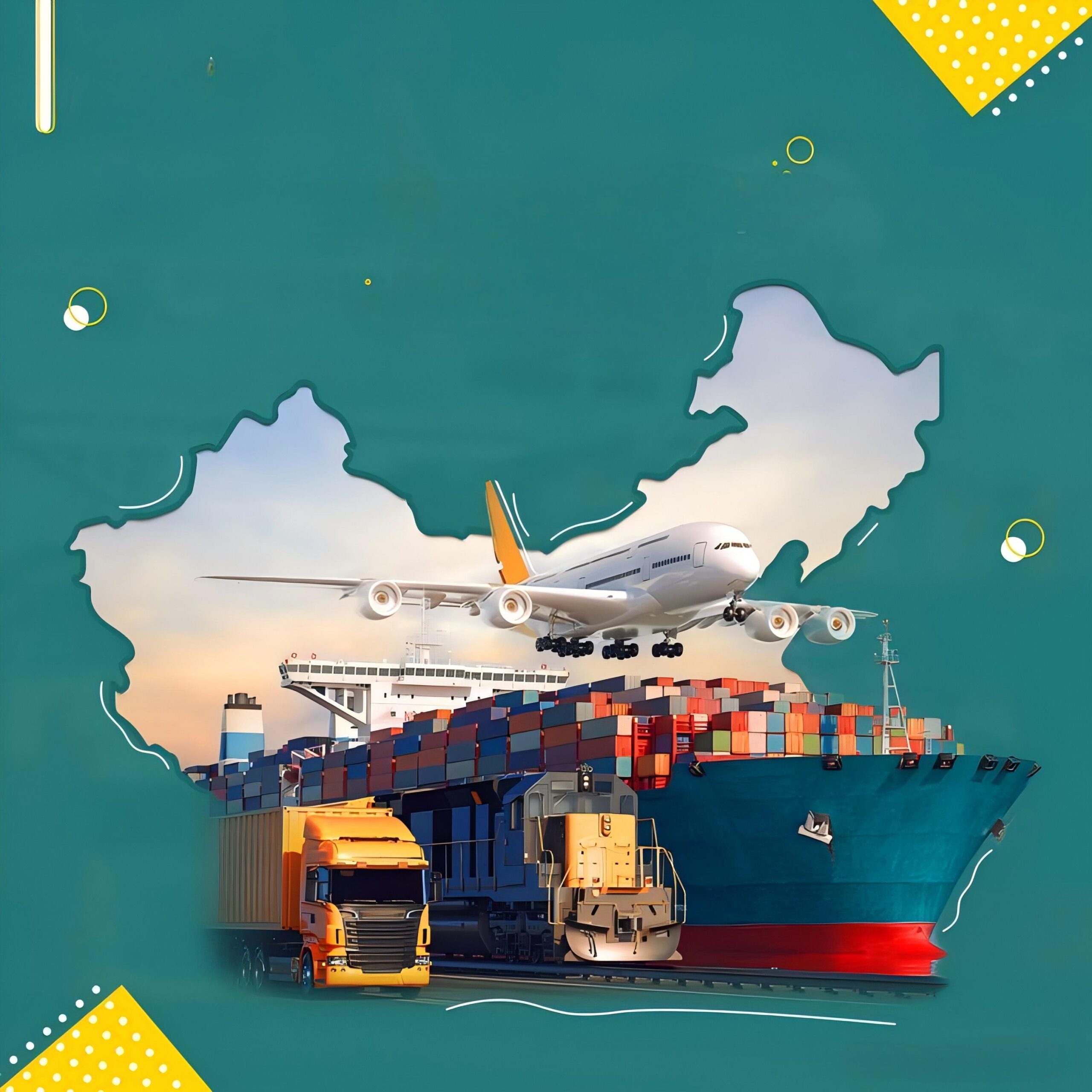
Toy importers frequently choose the 40GP container because it offers the perfect balance of volume and protection for lightweight but bulky goods. Since toys often come in large retail packaging, maximizing the internal space of a 40-foot General Purpose container is essential for cost efficiency. Furthermore, using a Full Container Load (FCL) reduces the risk of damage because your goods are not mixed with other shippers’ cargo. Consequently, your delicate plastic or electronic toys remain secure throughout the long journey from East Asia to Western Europe.
Choosing FCL also simplifies the logistics process significantly compared to Less than Container Load (LCL) options. You have exclusive use of the container, which means fewer handling points and a lower probability of mid-transit errors. Additionally, sea freight remains the most economical method for transporting large volumes of toys over long distances. Indeed, the 40GP container has become the backbone of the global toy supply chain due to its standardized dimensions and widespread availability.
Moreover, the security provided by a sealed container is vital for high-value toy shipments. Once the factory in China loads the container, it remains locked until it reaches your warehouse in the Netherlands. Therefore, you can maintain better quality control and ensure that the retail packaging remains in pristine condition for the Dutch market. This reliability is why most major toy retailers prefer 40GP FCL over any other shipping configuration.
How Does 40GP FCL Tracking for Toys from China to Netherlands Work?
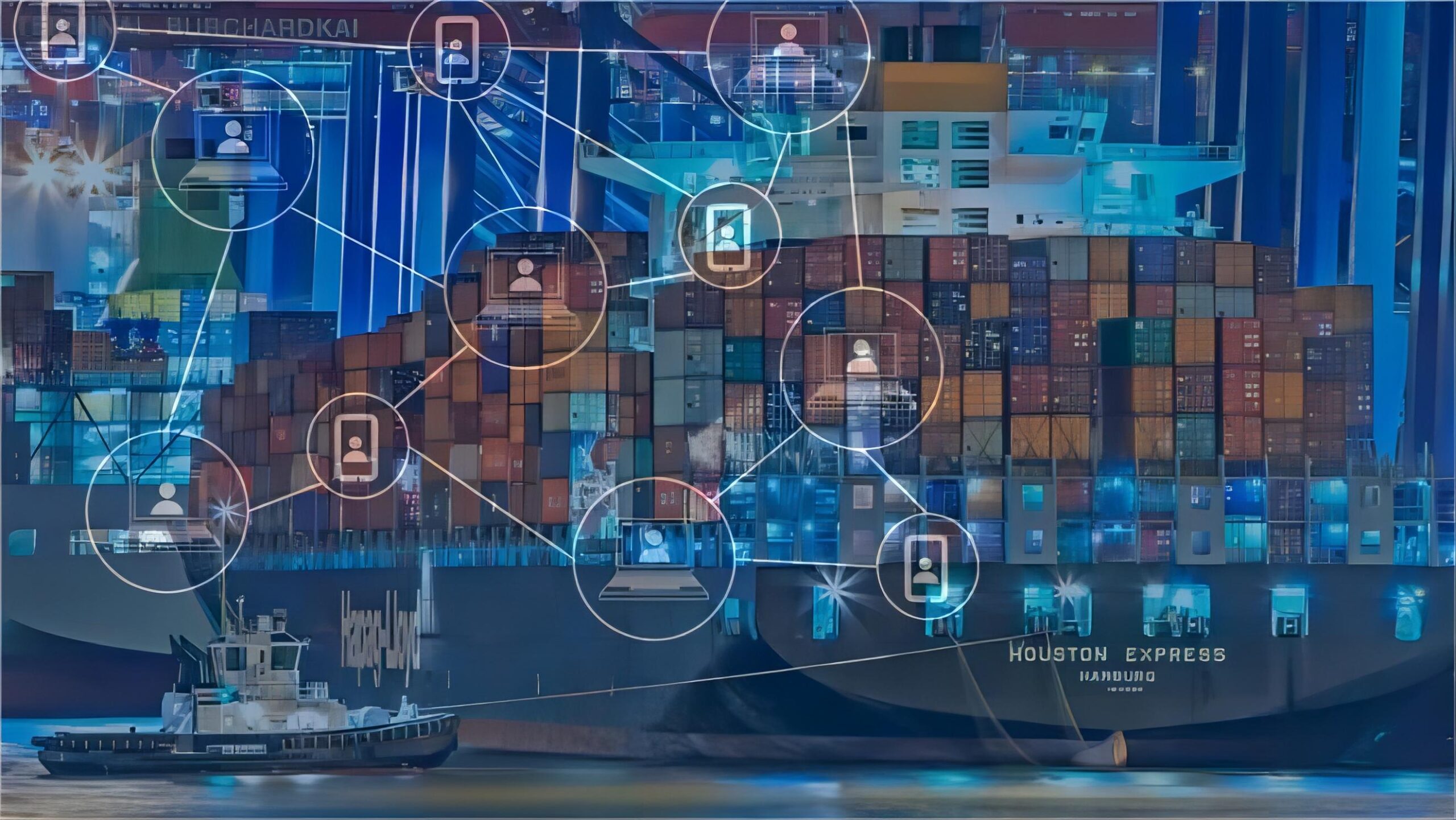
Modern logistics rely heavily on digital systems to provide real-time updates on cargo movement across the ocean. When you initiate 40GP FCL tracking for toys from China to Netherlands, you receive a unique container number and a Bill of Lading. These identifiers allow you to monitor the container as it moves through various stages, from the factory gate to the Port of Rotterdam. Most major carriers provide online portals where you can enter these numbers to see the vessel’s current GPS location.
Additionally, your freight forwarder often provides an integrated dashboard that consolidates tracking data from multiple sources. This visibility is crucial for planning your inventory levels and marketing campaigns in the Netherlands. For instance, if a shipment is delayed due to weather, you will know immediately and can adjust your distribution schedule accordingly. Nevertheless, it is important to understand that satellite tracking may have occasional gaps while the ship is in the middle of the ocean.
Furthermore, milestone tracking provides updates at key points such as gate-in at the loading port, vessel departure, and arrival at the transshipment hub. In recent years, many containers have been equipped with IoT sensors that track temperature and humidity. These sensors are particularly useful for electronic toys that are sensitive to environmental changes. By utilizing these advanced tools, you can ensure your 40GP FCL tracking for toys from China to Netherlands is as accurate as possible.
How Does 40GP FCL Compare to Other Shipping Options?
When planning your logistics strategy, you must evaluate all available transport modes to find the best fit for your budget and timeline. While 40GP FCL is the most common choice, alternatives like rail freight or air freight might be better for specific scenarios. For example, rail freight offers a middle ground between the speed of air and the low cost of sea. On the other hand, air freight is only viable for extremely urgent shipments or high-value limited edition toys.
In contrast, LCL shipping is suitable for smaller toy businesses that cannot fill an entire 40-foot container. However, LCL often involves higher costs per cubic meter and longer transit times due to the consolidation and deconsolidation processes. Therefore, most established importers aim to scale their orders to reach FCL thresholds. The following table provides a clear comparison of the primary shipping methods available for the China-to-Netherlands route.
| Shipping Method | Cost Range (40GP) | Transit Time | Best For |
|---|---|---|---|
| Sea Freight FCL | $2,800 – $3,900 | 30 – 38 Days | Bulk Toy Orders |
| Rail Freight | $4,500 – $6,200 | 18 – 24 Days | Mid-Season Restock |
| Air Freight | $15,000 – $25,000 | 5 – 8 Days | Urgent Launches |
| Sea-Air Hybrid | $7,000 – $9,000 | 15 – 20 Days | Balancing Cost/Speed |
Understanding Transit Times and Logistics Hubs
The journey from China to the Netherlands typically starts at major ports such as Shanghai, Ningbo, or Shenzhen. These ports are among the busiest in the world and offer frequent departures to Northern Europe. Once the vessel departs, it usually travels through the South China Sea, across the Indian Ocean, and through the Suez Canal. Consequently, the average sea transit time for 40GP FCL tracking for toys from China to Netherlands is approximately 32 to 35 days.
Upon reaching Europe, the primary gateway is the Port of Rotterdam, which is the largest seaport in the region. Rotterdam offers world-class infrastructure for handling containerized cargo and efficient connections to the Dutch hinterland. Additionally, some shipments may arrive via the Port of Amsterdam or even through Antwerp in Belgium before being trucked to the Netherlands. For companies focusing on e-commerce, using Amazon FBA services can further streamline the final delivery to customers.
Furthermore, you must account for the time required for port operations at both ends of the journey. This includes container drayage, customs inspections, and terminal handling. Typically, you should add about 7 to 10 days to the sea transit time to get a realistic door-to-door estimate. Planning for these buffer periods ensures that your toy inventory is ready for peak shopping seasons like Sinterklaas or Christmas.
Customs Clearance and Documentation for Toys
Importing toys into the European Union requires strict adherence to safety standards and meticulous documentation. The Netherlands, as an EU member, enforces the Toy Safety Directive, which includes requirements for CE marking and EN71 compliance. Without the correct paperwork, your 40GP FCL tracking for toys from China to Netherlands could end with a shipment stuck in customs. Therefore, hiring a professional for customs brokerage is highly recommended for new importers.
Moreover, you must provide a detailed commercial invoice, a packing list, and a Bill of Lading for every shipment. These documents must accurately describe the contents, including the materials used and the intended age group for the toys. Additionally, a Certificate of Origin may be required to determine the applicable import duties. Indeed, errors in documentation are the leading cause of avoidable delays and additional storage fees at the port.
In addition to safety certificates, you should be prepared for potential physical inspections by Dutch customs authorities. They may check for prohibited substances or counterfeit goods that infringe on intellectual property rights. To minimize risks, ensure your Chinese supplier is reputable and familiar with EU toy regulations. By being proactive with your documentation, you can clear customs smoothly and avoid costly setbacks.
Case Study 1: Scaling Toy Distribution in Rotterdam
A mid-sized toy distributor in Utrecht needed to scale their operations for the holiday season. They shifted from LCL to 40GP FCL to lower their landed costs and improve inventory stability. By using a direct sea route from Ningbo, they managed to reduce their shipping expenses by 25% per unit. This transition allowed them to offer more competitive pricing to Dutch retailers while maintaining healthy profit margins.
The shipment consisted of 65 cubic meters of assorted plush toys and educational games. Despite a minor delay at the Suez Canal, their tracking system provided enough early warning to adjust their warehouse staffing. Ultimately, the container arrived at the Port of Rotterdam 34 days after departure. This success story highlights the importance of choosing the right container size for your specific business volume.
| Detail | Specification |
|---|---|
| Route | Ningbo to Rotterdam |
| Cargo | Plush Toys (65 CBM) |
| Ocean Freight | $3,450 (Q3 2024) |
| Total Transit | 41 Days (Door-to-Door) |
Case Study 2: Rapid Restocking via Rail Freight
An Amsterdam-based e-commerce brand faced an unexpected stockout of a popular electronic toy. Since sea freight was too slow and air freight was too expensive, they opted for a rail freight solution. This alternative strategy allowed them to receive their 40GP container in just 22 days, significantly faster than the ocean route. Consequently, they were able to fulfill backorders and maintain their high customer satisfaction ratings.
The container was loaded in Chengdu and traveled through the China-Europe Railway Express. Although the cost was higher than sea freight, the saved time prevented a complete loss of sales during a peak promotion period. This case demonstrates how a hybrid logistics approach can provide the flexibility needed in the modern toy market. Using door to door rail service simplified their entire import process.
| Detail | Specification |
|---|---|
| Route | Chengdu to Tilburg |
| Cargo | Electronic Toys |
| Shipping Cost | $5,800 (Early 2025) |
| Total Transit | 22 Days |
Which Option Should You Choose for Your Toy Shipments?
Deciding on the best shipping method requires an objective analysis of your current business priorities. If your primary goal is to minimize costs and you have a long lead time, sea freight with a 40GP container is the undisputed winner. This is the best choice for seasonal stock that you plan months in advance. Conversely, if you are launching a new product and need it in the Netherlands immediately, air freight is the only viable option despite the high price tag.
For businesses looking for a balance, rail freight is an excellent alternative for the China-to-Netherlands route. It is particularly effective for high-value toys that benefit from shorter exposure to the elements and faster cash-flow cycles. Furthermore, always consider the volume of your shipment; if you have more than 15 CBM, FCL is almost always more economical than LCL. To summarize, your choice should depend on your budget, the urgency of the stock, and the total volume of your order.
Final Thoughts on Toy Shipping Logistics
In conclusion, successful 40GP FCL tracking for toys from China to Netherlands requires a combination of early planning, the right technology, and reliable partners. By understanding the differences between sea, rail, and air freight, you can make informed decisions that protect your profit margins. Remember to stay updated on current market rates and customs regulations to avoid unexpected costs. With the right strategy, your toy business can thrive in the competitive Dutch market.
Note: Freight rates are subject to change based on fuel costs, carrier capacity, and seasonal demand. Contact us for a current quote tailored to your specific shipment.
Ready to streamline your logistics?
Managing 40GP FCL tracking for toys from China to Netherlands is easier with a dedicated logistics partner. Our team at Top China Freight provides comprehensive support from the factory floor to your warehouse in the Netherlands. Contact us today for a personalized quote and let us help you optimize your toy supply chain for maximum efficiency.
Request Quote