


40HQ FCL best route for hardware tools from China to California
Finding the 40HQ FCL best route for hardware tools from China to California is essential for maintaining a competitive edge in the global market. Top China Freight provides expert logistics solutions tailored to heavy industrial goods. Businesses must navigate complex supply chains to ensure their hardware arrives on time and within budget. This guide explores the most efficient shipping strategies for large-volume hardware shipments.

What is the 40HQ FCL best route for hardware tools from China to California?
The primary route for hardware tools involves departing from major industrial hubs like Ningbo or Shanghai. Consequently, the most direct path crosses the Pacific Ocean toward the Port of Long Beach or the Port of Los Angeles. This specific corridor offers the highest frequency of sailings and the most competitive freight rates for high-volume containers.
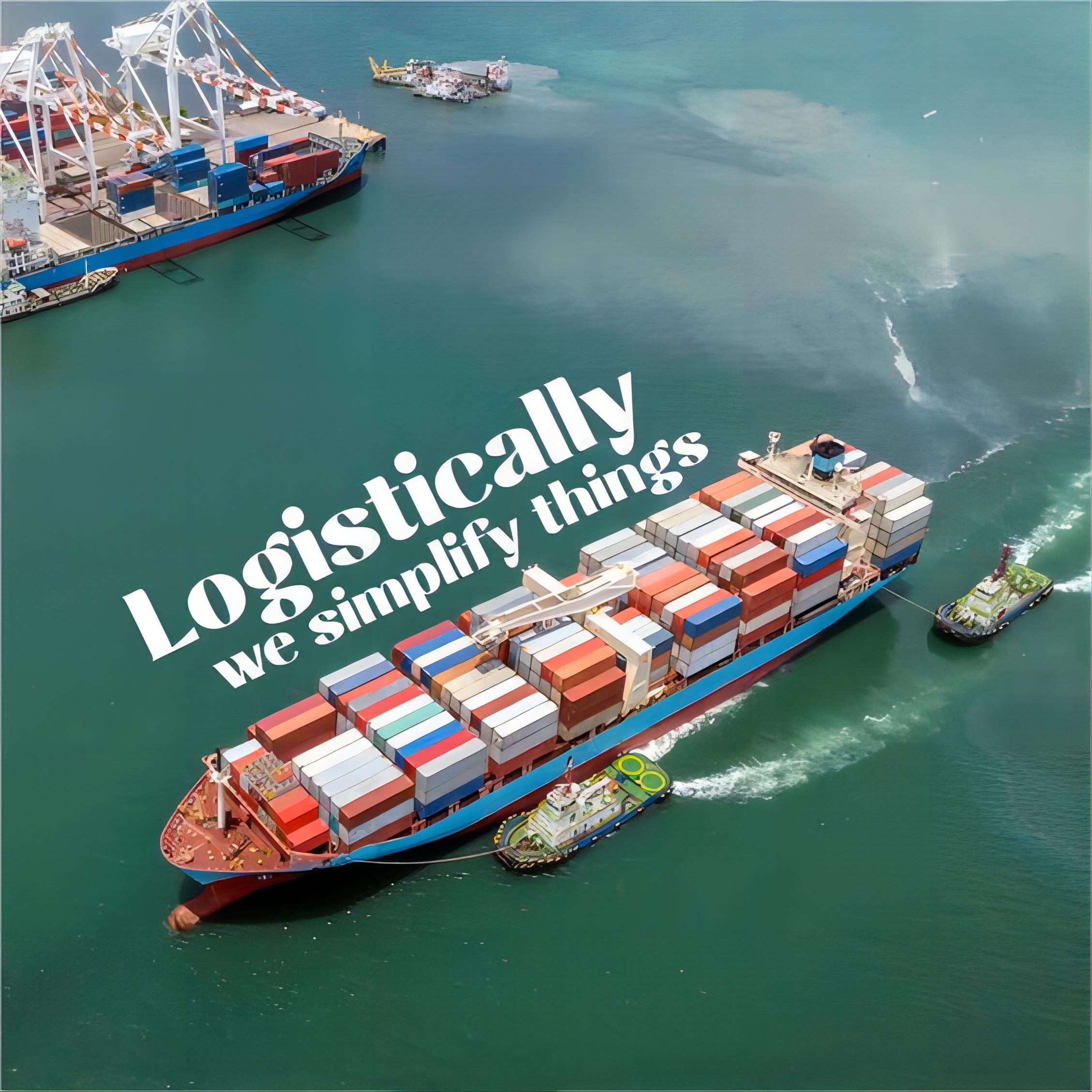
Choosing a 40HQ container is particularly advantageous for hardware tools due to their weight and volume characteristics. Moreover, the extra height of the High Cube container allows for more efficient stacking of palletized goods. Therefore, shippers can maximize the internal capacity of the vessel while minimizing the cost per unit.
Transit times typically range from 14 to 18 days for direct services to the West Coast. However, port congestion and seasonal demand can influence these timelines significantly. Indeed, selecting a carrier with a guaranteed berthing slot can prevent unexpected delays during peak seasons.
How Does 40HQ FCL Compare to Other Shipping Options?
When analyzing the 40HQ FCL best route for hardware tools from China to California, it is vital to compare it against LCL and air freight. While air freight is faster, the cost is often prohibitive for heavy metal tools. On the other hand, LCL may lead to higher damage risks due to frequent handling of heavy items.
Furthermore, FCL shipping provides a dedicated space that reduces the likelihood of cargo contamination or loss. Consequently, most hardware importers prefer full containers to maintain the integrity of their supply chain. Additionally, the cost per cubic meter is significantly lower in a 40HQ container compared to smaller shipments.
For shipments under 15 CBM, LCL might seem attractive, but the handling fees at the destination can be surprising. Therefore, consolidating orders into a full 40HQ container often results in the best long-term savings. Nevertheless, businesses must balance inventory levels with shipping frequency to optimize cash flow.
| Shipping Method | Cost Range | Transit Time | Best For |
|---|---|---|---|
| 40HQ FCL | $2,800 – $3,800 | 14-18 Days | Bulk Hardware |
| 20GP FCL | $1,500 – $2,200 | 14-18 Days | Heavy/Dense Tools |
| LCL Shipping | $50 – $120/CBM | 22-30 Days | Small Batches |
| Air Freight | $5 – $9/kg | 3-7 Days | Urgent Samples |
Why the Port of Ningbo is the Ideal Origin for Hardware?
Ningbo-Zhoushan port is world-renowned for its efficiency in handling industrial and hardware products. Because many hardware manufacturers are located in Zhejiang province, using this port reduces inland drayage costs. Consequently, it has become a cornerstone of the 40HQ FCL best route for hardware tools from China to California.
The port offers numerous direct lines to California, ensuring that cargo does not sit in transshipment hubs. Moreover, the sophisticated infrastructure in Ningbo allows for rapid loading of heavy machinery and tools. Therefore, shippers can expect a smoother transition from the factory to the sea.
Utilizing sea freight from Ningbo also provides access to competitive pricing from various carriers. For instance, major lines like COSCO and Maersk maintain a strong presence in this region. Indeed, this competition helps keep freight rates stable for international buyers.
Which California Port Should You Choose for Discharge?
The Port of Long Beach and the Port of Los Angeles are the primary gateways for hardware entering the United States. However, the choice between them often depends on the final delivery location within California. For example, if your warehouse is in the Inland Empire, both ports offer excellent rail and truck connectivity.
Alternatively, the Port of Oakland serves as a strategic alternative for businesses located in Northern California. While it may have fewer direct sailings from China, it often experiences less congestion than its southern counterparts. Consequently, it can sometimes offer a faster door-to-door experience for specific regions.
Importers should also consider the availability of chassis at each port. Furthermore, the efficiency of Customs Brokerage services at the port of entry can impact total transit time. Therefore, coordinating with a local expert is essential for a seamless discharge process.
Cost-Saving Strategies for 40HQ Container Shipping
To optimize the 40HQ FCL best route for hardware tools from China to California, shippers should look for off-peak booking windows. For instance, shipping during the post-Chinese New Year lull can result in significantly lower rates. Additionally, signing long-term contracts with freight forwarders can provide price stability.
Another effective strategy involves optimizing the pallet layout inside the container. Because hardware tools are dense, weight limits are often reached before the volume is full. Consequently, using lightweight but sturdy pallets can help maximize the amount of product shipped per container.
Finally, consider using Door to Door services to consolidate all logistics costs into a single quote. This approach eliminates hidden fees and simplifies the accounting process for the importer. Moreover, it allows the freight forwarder to manage the entire chain more effectively.
| Container Type | Max Payload | Internal Volume | Typical Hardware Use |
|---|---|---|---|
| 20GP | 28,000 kg | 33 CBM | Extremely heavy tools |
| 40GP | 26,000 kg | 67 CBM | Standard tool kits |
| 40HQ | 26,000 kg | 76 CBM | Bulky power tools |
Real-World Case Studies for Shipping from China to California
Case Study 1: Efficient Hardware Distribution. Route: Ningbo, China to Long Beach, USA. Cargo: Hand tools and power drills, 65 CBM, 22,000 kg. Container: 40HQ. Shipping Details: Carrier: Major carrier. Port of Loading: Ningbo. Port of Discharge: Long Beach. Route Type: Direct. Cost Breakdown: Ocean Freight: $3,200. Origin Charges: $450. Destination Charges: $600. Customs and Duties: $1,200. Total Landed Cost: $5,450. Timeline: Booking to Loading: 4 days. Sea Transit: 16 days. Customs Clearance: 2 days. Total Door-to-Door: 25 days. Key Insight: Direct routing from Ningbo saved 5 days compared to transshipment.
Case Study 2: Seasonal Peak Management. Route: Shenzhen, China to Oakland, USA. Cargo: Gardening hardware, 70 CBM, 18,000 kg. Container: 40HQ. Shipping Details: Carrier: COSCO. Port of Loading: Shenzhen (Yantian). Port of Discharge: Oakland. Route Type: Direct. Cost Breakdown: Ocean Freight: $3,500. Origin Charges: $500. Destination Charges: $750. Customs and Duties: $900. Total Landed Cost: $5,650. Timeline: Booking to Loading: 7 days. Sea Transit: 18 days. Customs Clearance: 3 days. Total Door-to-Door: 32 days. Key Insight: Booking 3 weeks in advance secured space during the Q3 peak season.
Note: Freight rates are subject to change based on fuel costs, carrier capacity, and seasonal demand. Contact us for a current quote tailored to your specific shipment.
Which Option Should You Choose? Decision Framework
If budget is your top priority, we recommend the 40HQ FCL best route for hardware tools from China to California using slow-steaming services. These routes take longer but offer the lowest possible ocean freight rates. However, if speed is the priority, choose a premium carrier with a direct call at Los Angeles.
For cargo type considerations, heavy metal hardware should always be secured with proper dunnage to prevent shifting. Furthermore, if you are shipping to North America, ensure all wooden pallets meet ISPM 15 heat treatment standards. Consequently, you will avoid costly delays or rejections at the US border.
Volume thresholds also play a role in your decision. Once your shipment exceeds 15-20 CBM, FCL becomes more economical than LCL in almost every scenario. Indeed, the reduced risk of damage in a full container is a significant benefit for high-value hardware brands.
Summary of Shipping Hardware from China to California
In conclusion, identifying the 40HQ FCL best route for hardware tools from China to California requires a balance of port selection, carrier choice, and timing. By leveraging major hubs like Ningbo and Long Beach, importers can achieve significant cost savings and reliable delivery schedules. Furthermore, using a 40HQ container provides the necessary volume to handle large hardware orders efficiently.
Always stay updated on market trends and seasonal fluctuations to ensure your logistics strategy remains effective. Consequently, working with an experienced freight forwarder will help you navigate the complexities of international trade. Therefore, start planning your next shipment today to secure the best rates and routes for your hardware business.

Ready to streamline your logistics?
Ready to optimize your supply chain with the 40HQ FCL best route for hardware tools from China to California? Contact our team today for a customized quote and expert logistics advice. Visit our website to learn more about our comprehensive shipping solutions. Send Inquiry link: See Top China Freight.
Request Quote