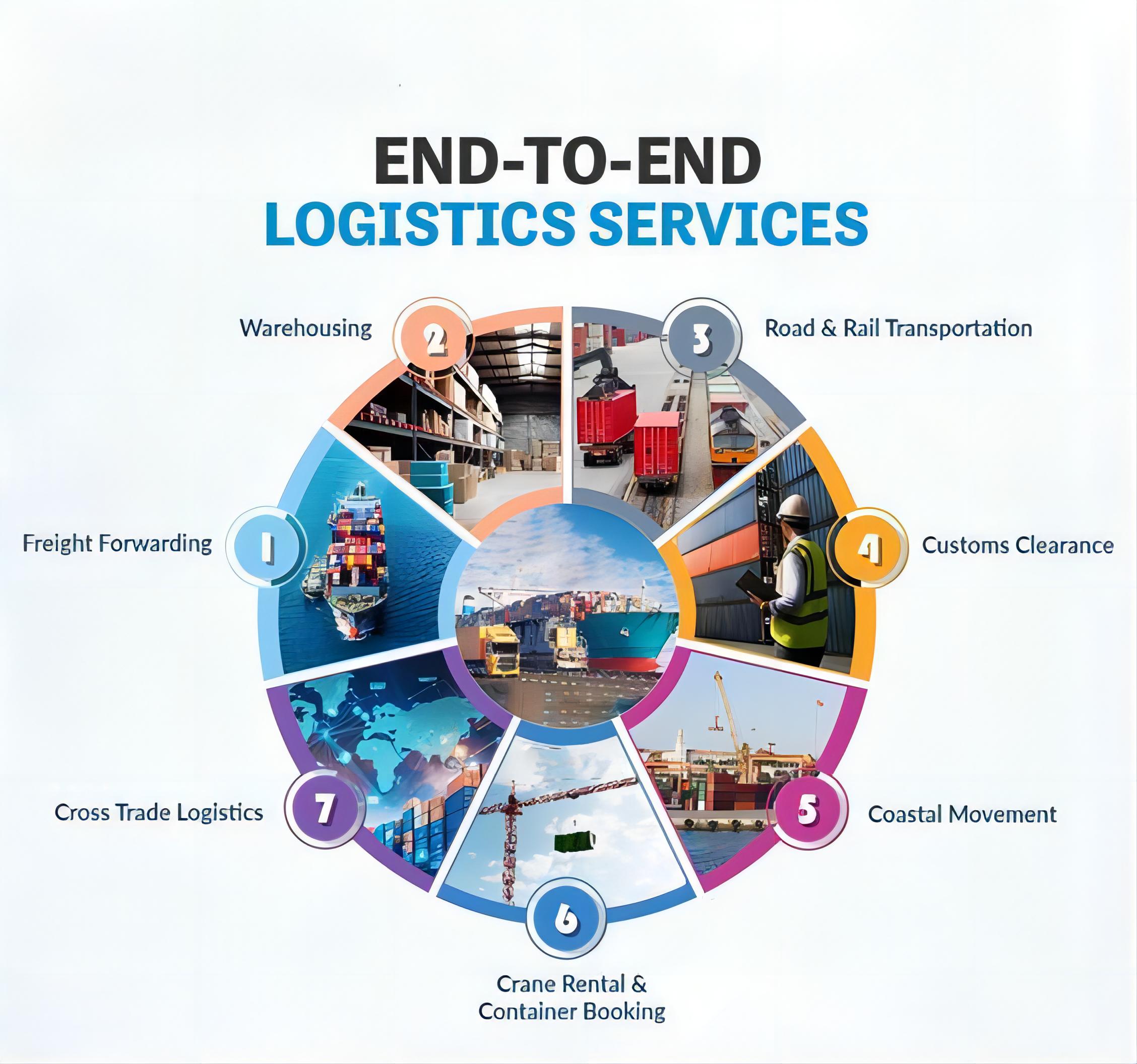
40HQ FCL Booking Process for Hardware Tools from China to Texas
Optimizing the 40HQ FCL booking process for hardware tools from China to Texas is a critical task for modern importers seeking to maintain a competitive edge. Partnering with a professional logistics provider like Top China Freight allows businesses to navigate the complexities of international trade with confidence. This guide provides a detailed roadmap for securing container space, managing documentation, and ensuring timely delivery of your hardware products to the Texas market.

What is the 40HQ FCL Booking Process for Hardware Tools from China to Texas?
The 40HQ FCL booking process for hardware tools from China to Texas involves reserving an entire 40-foot high cube container for your exclusive use. This method is particularly beneficial for hardware importers because these products are often dense, heavy, and require significant volume. Consequently, utilizing a high cube container provides an extra foot of vertical space compared to standard units.
Importers must first coordinate with their suppliers in manufacturing hubs like Zhejiang or Guangdong. Once the production schedule is confirmed, you can begin the formal booking process with a freight forwarder. This step ensures that container equipment is available at the port of loading during the required window.

Furthermore, hardware tools such as power drills, hand tools, and fasteners are often palletized to prevent damage during transit. Understanding the dimensions of these pallets is vital for maximizing the 76 cubic meter capacity of the 40HQ unit. Therefore, precise planning at the booking stage prevents wasted space and reduces the overall cost per unit.
Step-by-Step Guide to the 40HQ FCL Booking Process for Hardware Tools from China to Texas
Initiating the booking requires a clear understanding of your cargo ready date. You should contact your logistics partner at least two to three weeks before the goods are finished. This lead time is necessary to secure space on sea freight vessels, which can fill up quickly during peak seasons.
Specifically, the process begins with a formal shipping order submitted to the carrier. This document contains details about the shipper, consignee, and a description of the hardware tools. After the carrier approves the request, they issue a booking confirmation, also known as a shipping advice.
Moreover, you must arrange for the empty 40HQ container to be picked up from the container yard and delivered to the factory. Once the factory finishes loading the tools, the container is sealed and transported back to the terminal. Accurate weighing and VGM (Verified Gross Mass) filing are mandatory steps before the container can be loaded onto the ship.
Selecting the Right Loading Port in China
Choosing the most efficient port of loading can significantly impact your transit time. For hardware manufacturers located in the Ningbo or Shanghai regions, these ports offer the highest frequency of direct sailings to the United States. Meanwhile, southern factories may prefer the Port of Shenzhen or Guangzhou for easier inland access.
Consequently, selecting a port with direct routes to the Gulf Coast can save several days of transit. For instance, many carriers offer specialized services that bypass West Coast congestion by sailing directly through the Panama Canal to Texas.
How Does 40HQ FCL Compare to Other Shipping Options?
Comparing different logistics strategies is essential for finding the most cost-effective solution for your hardware business. While 40HQ FCL is the gold standard for large shipments, other options like LCL or air freight might be suitable for smaller batches or urgent samples. However, FCL remains the most economical choice for bulk hardware orders due to the lower cost per cubic meter.
In contrast, air freight offers unmatched speed but comes at a significantly higher price point. For a standard shipment of heavy metal tools, air cargo costs can be ten times higher than ocean freight. Therefore, air transport is typically reserved for high-value components or critical stockouts that threaten your supply chain continuity.
| Shipping Method | Cost Range (USD) | Transit Time | Best For |
|---|---|---|---|
| 40HQ FCL | 3800 – 5500 | 30 – 40 Days | Bulk hardware orders |
| LCL Shipping | 80 – 150 /CBM | 35 – 45 Days | Small tool shipments |
| Air Freight | 5.50 – 9.00 /kg | 5 – 10 Days | Urgent samples |
| Express | 9.00 – 15.00 /kg | 3 – 6 Days | Critical documents |

Essential Documentation for Texas Tool Imports
Documentation is a cornerstone of the 40HQ FCL booking process for hardware tools from China to Texas. Without accurate paperwork, your shipment could face lengthy delays at the border or incur heavy fines. Consequently, you must ensure that all descriptions and HS codes match the actual physical goods in the container.
Working with a specialist in customs brokerage is highly recommended for first-time importers. These professionals can verify that your commercial invoice, packing list, and bill of lading are in perfect order. Furthermore, they can advise on specific Texas state regulations or federal safety standards for power tools.
Indeed, the ISF (Importer Security Filing) must be submitted at least 24 hours before the vessel departs from China. Failure to file the ISF on time results in an automatic 5000 dollar penalty from U.S. Customs and Border Protection. Therefore, maintaining close communication with your forwarder during the booking phase is vital for compliance.
| Document Name | Purpose | Responsible Party | Requirement |
|---|---|---|---|
| Bill of Lading | Title of Goods | Carrier | Mandatory |
| Commercial Invoice | Value Declaration | Exporter | Mandatory |
| Packing List | Content Details | Exporter | Mandatory |
| ISF 10+2 | Security Filing | Importer | Mandatory |
Transit Times and Port Logistics in Texas
Shipping to North America involves choosing between various gateways, but for Texas-bound cargo, the Port of Houston is the primary destination. Generally, the transit time from major Chinese ports to Houston ranges between 30 and 38 days. This route typically involves crossing the Pacific and passing through the Panama Canal.
Alternatively, some importers choose to ship to the West Coast ports of Los Angeles or Long Beach and then move the cargo via rail to Dallas or San Antonio. While the sea leg is shorter, the intermodal transfer can add complexity and potential rail delays. However, this hybrid approach can sometimes be faster during periods of canal congestion.
Specifically, the inland infrastructure in Texas is exceptionally robust, allowing for quick distribution once the container clears customs. Major distribution centers in the ‘Texas Triangle’ (Houston, Dallas-Fort Worth, and San Antonio) are well-positioned to receive 40HQ containers. Consequently, your final delivery schedule depends heavily on the efficiency of the local drayage providers.
Real-World Case Studies for Hardware Shipments
Analyzing real-world scenarios helps importers understand the practicalities of the 40HQ FCL booking process for hardware tools from China to Texas. These examples reflect current market conditions and common logistics challenges faced by businesses in the industry.
Case Study 1: Shenzhen to Houston. A mid-sized hardware distributor imported 65 cubic meters of power drills and accessories. By utilizing a 40HQ container, they maximized their shipping volume while keeping the total landed cost at approximately 4200 dollars. The shipment arrived at the Port of Houston in 34 days, followed by two days for customs clearance.
Case Study 2: Ningbo to Dallas via Rail. A retailer ordered 20 tons of hand tool sets for the Q4 peak season. Due to Panama Canal restrictions, they opted for a West Coast discharge followed by rail transport to Dallas. Although the ocean freight was cheaper, the total door-to-door transit took 41 days, highlighting the trade-offs between different routing strategies.
Which Option Should You Choose? Decision Framework
Selecting the right shipping strategy depends on your specific business priorities and cargo volume. If your primary goal is cost reduction and you have a high volume of goods, the 40HQ FCL booking process is the most logical choice. This method provides the lowest unit cost and reduces the risk of damage compared to handling goods in LCL shipments.
For businesses requiring a door to door solution, integrating trucking and warehousing into your booking is essential. This ensures that the responsibility for the cargo remains with a single provider from the factory floor in China to your warehouse in Texas. Moreover, this streamlined approach minimizes administrative overhead and communication gaps.
Ultimately, you should choose based on your budget and timeline requirements. If you have at least 15 to 20 cubic meters of tools, FCL is almost always more economical than LCL. However, if you are testing a new product line with low volumes, LCL might be the safer initial investment despite the higher per-unit shipping rate.
Cost-Saving Strategies for High Cube Containers
Reducing expenses during the 40HQ FCL booking process for hardware tools from China to Texas requires a proactive approach. One effective strategy is to consolidate orders from multiple suppliers into a single container. This practice, known as buyer’s consolidation, allows you to benefit from FCL rates even if individual orders are small.
Additionally, you should pay close attention to the seasonal fluctuations in freight rates. Prices typically spike before the Chinese New Year and during the late summer months as retailers prepare for the holiday season. By booking your shipments during slack periods, you can often negotiate better rates with carriers.
Furthermore, optimizing your packaging can lead to significant savings. Hardware tools are often heavy, so ensuring that pallets are stackable can help you utilize the full height of the 40HQ container. Therefore, work closely with your manufacturer to design packaging that fits perfectly within the container’s interior dimensions.
Final Thoughts on the 40HQ FCL Booking Process
Successfully managing the 40HQ FCL booking process for hardware tools from China to Texas is a vital skill for any serious importer. By understanding the nuances of container selection, documentation requirements, and port logistics, you can ensure your products arrive safely and on schedule. Remember that the cheapest rate is not always the best value if it comes with excessive delays or poor communication.
As market conditions continue to evolve in 2025, staying informed about industry trends and shipping routes will remain essential. Whether you are shipping power tools to Houston or hand tools to Dallas, a strategic approach to logistics will always pay dividends. Partner with an experienced freight forwarder to navigate these waters and keep your Texan business thriving.
Ready to streamline your logistics?
Are you ready to streamline your supply chain and reduce your shipping overhead? Contact the experts at Top China Freight today to receive a personalized quote for your next 40HQ FCL shipment. Our team is dedicated to providing reliable and cost-effective logistics solutions tailored to the hardware industry. Let us handle the complexities of the 40HQ FCL booking process for hardware tools from China to Texas so you can focus on growing your business.
Request Quote