

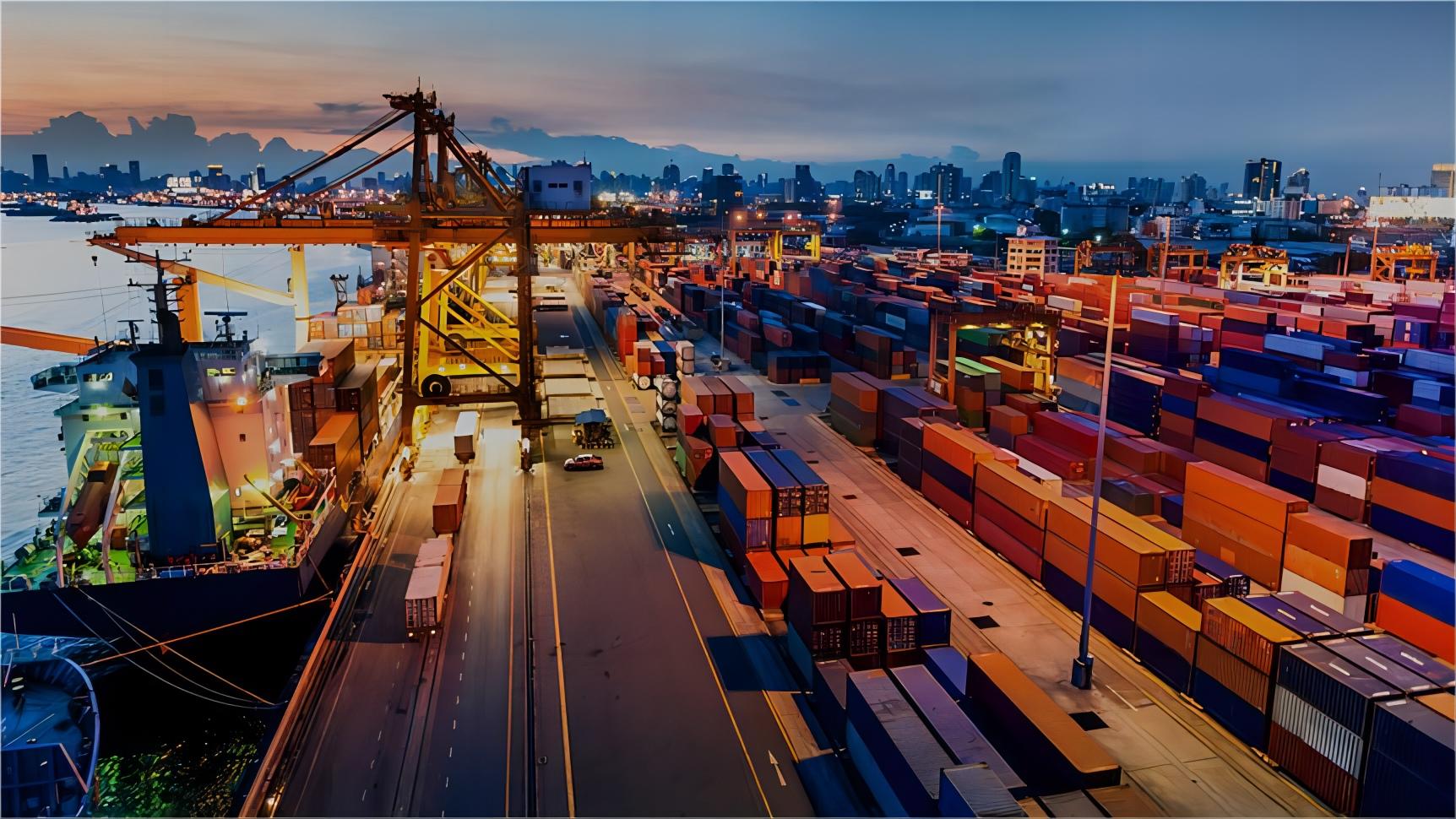
40HQ FCL Booking Process for Medical Equipment China to Houston
Navigating the complex 40HQ FCL booking process for medical equipment from China to Houston requires precision and deep industry knowledge. Partnering with a reliable logistics provider like Top China Freight ensures your life-saving devices reach Texas hospitals safely and on time. This guide explores every step of the journey, from factory pickup in industrial hubs like Shanghai or Shenzhen to final delivery at the Port of Houston. Consequently, importers can avoid common pitfalls and streamline their global supply chain effectively.

What is the 40HQ FCL Booking Process for Medical Equipment?
The 40HQ FCL booking process for medical equipment involves securing a High Cube container specifically for your goods. Unlike shared loads, Full Container Load (FCL) shipping offers the security and space required for sensitive diagnostic machines and hospital furniture. Moreover, the 40HQ container provides an extra foot of height compared to standard containers, which is vital for bulky medical machinery.
To begin, you must coordinate with your supplier to determine the exact volume and weight of the cargo. Furthermore, selecting the right carrier is essential to ensure that the transit time aligns with your delivery schedule. Indeed, the Houston market demands a consistent flow of medical supplies, making the choice of vessel and route a strategic business decision.
Logistics experts often recommend sea freight as the primary method for these large-scale shipments. This method balances cost-efficiency with the capacity needed for high-volume orders. Additionally, the FCL model minimizes handling, which significantly reduces the risk of damage to fragile medical components during the long transpacific voyage.
Key Steps in the 40HQ FCL Booking Process for Medical Equipment
First, you must request a freight quote that includes all ocean freight charges and local fees. This initial step sets the foundation for your entire shipping budget and timeline. For instance, you should compare rates from different carriers to find the best balance between speed and price. Therefore, early planning is highly beneficial for maintaining your profit margins.
Second, provide the container specifications and the cargo ready date to your freight forwarder. They will then issue a Booking Note, which serves as the official confirmation of space on the vessel. Meanwhile, you must ensure that your supplier in China is prepared to load the container within the designated free time. Consequently, this prevents expensive detention and demurrage charges at the port of loading.
Third, documentation is the most critical phase for medical imports. You must prepare the Bill of Lading, Commercial Invoice, and Packing List with extreme accuracy. Furthermore, medical devices require specific FDA registrations and certificates of origin to pass through US customs. Without a doubt, professional customs brokerage services are indispensable for navigating these complex regulatory requirements.
Essential Documentation and FDA Compliance for Houston Imports
Importing medical equipment into the United States involves strict oversight from the Food and Drug Administration. Specifically, every item in your 40HQ container must have a valid 510(k) clearance or PMA, depending on its classification. Consequently, failing to provide this documentation can lead to lengthy inspections or the seizure of your cargo. In addition, the Importer of Record must be properly registered with the FDA.
Customs officials at the Port of Houston are particularly diligent regarding the safety of medical products. Therefore, you should include a detailed Product Description and the correct Harmonized System (HS) codes for each item. Moreover, the ISF (Importer Security Filing) must be submitted at least 24 hours before the ship leaves the Chinese port. Failure to do so results in heavy fines and potential shipment delays.
Working with experts who understand the nuances of shipping to North America is a major advantage. They can verify that your labels meet US standards and that your wood packaging is properly heat-treated. As a result, your shipment will move through the port of discharge with minimal friction, allowing for faster delivery to the final destination in Houston.

How Does 40HQ FCL Compare to Other Shipping Options?
When evaluating the 40HQ FCL booking process for medical equipment, it is important to consider alternative methods. While FCL is ideal for large volumes, smaller shipments might benefit from Less than Container Load (LCL) services. However, LCL involves more handling and a higher risk of contamination or damage for sensitive medical gear. In contrast, FCL provides a dedicated environment for your products.
Air freight is the fastest option but comes at a significantly higher cost. For example, shipping a full 40HQ volume via air could cost five to ten times more than ocean freight. Nevertheless, for urgent medical crises or high-value prototypes, the speed of air transport is often justified. Most businesses find that a hybrid approach or careful FCL planning offers the best long-term value.
The following table provides a clear comparison of the primary shipping methods available for the China to Houston route.
| 40HQ FCL | $4,500 – $6,500 | 30-38 Days | Large bulk orders |
| LCL Shipping | $150 – $250/CBM | 35-45 Days | Small batches |
| Air Freight | $5.50 – $9.00/kg | 5-8 Days | Urgent medical gear |
| Express | $9.00 – $15.00/kg | 3-5 Days | Samples and parts |
Transit Times and Route Options from China to Houston
Shipping from China to Houston typically involves a transit through the Panama Canal. This route is generally faster than shipping to the West Coast and then using rail transport to Texas. Indeed, direct sea routes to Houston take approximately 30 to 35 days from major ports like Shanghai or Ningbo. Consequently, you must account for this duration when planning your inventory levels.
Port congestion can occasionally affect these timelines, particularly during peak seasons like the weeks leading up to Chinese New Year. Therefore, it is wise to book your container at least three to four weeks in advance. Additionally, choosing a carrier with a reliable track record for on-time performance can mitigate the risks of supply chain disruptions. In addition, tracking your shipment in real-time provides peace of mind.
Once the vessel arrives at the Port of Houston, the container must be drayed to a warehouse or directly to the hospital. Using a door to door service simplifies this final leg of the journey. As a result, you avoid the hassle of coordinating multiple trucking companies and warehouse providers, ensuring a seamless transition from the port to the end user.
Cost Factors and Market Trends for 2025
Freight rates for the 40HQ FCL booking process for medical equipment are influenced by several global factors. For instance, fuel surcharges and seasonal demand fluctuations can cause prices to rise or fall rapidly. As of early 2025, market data suggests that rates have stabilized after the volatility of previous years. However, geopolitical events can still impact shipping lanes and insurance costs.
Medical equipment often requires specialized cargo handling, which may add to the overall cost. Specifically, climate-controlled containers or shock-absorbent packing materials are sometimes necessary for high-end electronics. Consequently, you should request a comprehensive breakdown of all fees, including Terminal Handling Charges (THC) and documentation fees. This transparency allows for better financial forecasting.
Note: Freight rates are subject to change based on fuel costs, carrier capacity, and seasonal demand. Contact us for a current quote tailored to your specific shipment.

Realistic Case Studies: Medical Equipment to Houston
To illustrate the 40HQ FCL booking process for medical equipment, let us look at two recent successful shipments managed for our clients. These examples highlight the timelines and costs involved in real-world scenarios.
Case Study 1: Large Scale Hospital Bed Delivery Route: Shanghai to Houston Cargo: 85 Hospital Beds, 68 CBM Container: 40HQ Shipping Details: – Carrier: COSCO – Port of Loading: Shanghai – Port of Discharge: Houston (Barbours Cut) – Route Type: Direct via Panama Canal Cost Breakdown: – Ocean Freight: $5,200 – Origin Charges: $450 – Destination Charges: $800 – Customs and Duties: $1,200 – Total Landed Cost: $7,650 Timeline: – Booking to Loading: 5 days – Sea Transit: 33 days – Customs Clearance: 3 days – Total Door-to-Door: 41 days Key Insight: Early booking allowed the client to lock in a lower rate before the peak season surge.
Case Study 2: Diagnostic Imaging Equipment Route: Shenzhen to Houston Cargo: MRI Components, 62 CBM Container: 40HQ Shipping Details: – Carrier: Maersk – Port of Loading: Shenzhen (Yantian) – Port of Discharge: Houston (Bayport) – Route Type: Direct Cost Breakdown: – Ocean Freight: $5,800 – Origin Charges: $500 – Destination Charges: $950 – Customs and Duties: $4,500 (High value) – Total Landed Cost: $11,750 Timeline: – Booking to Loading: 7 days – Sea Transit: 35 days – Customs Clearance: 5 days (FDA Inspection) – Total Door-to-Door: 47 days Key Insight: Professional customs brokerage prevented a 2-week delay during the mandatory FDA inspection process.
Decision Framework: Which Shipping Option Should You Choose?
Choosing the right method within the 40HQ FCL booking process for medical equipment depends on your specific priorities. If your primary concern is the lowest possible cost per unit, FCL is almost always the superior choice for large volumes. On the other hand, if you are launching a new product and only have a few pallets, LCL might be a more flexible starting point. To clarify, the 15 CBM mark is usually the tipping point where FCL becomes more economical.
Speed is another critical factor. If a hospital in Houston is facing an immediate shortage, air freight is the only viable solution despite the cost. However, for routine inventory replenishment, the 35-day transit time of ocean freight is manageable with proper planning. Therefore, you should evaluate your lead times carefully before making a final booking decision.
Cargo safety should never be compromised when dealing with medical devices. FCL offers the advantage of a sealed container that is only opened by customs or at the final destination. Consequently, this reduces the risk of theft and environmental damage. Without a doubt, the security of the 40HQ FCL booking process for medical equipment makes it the gold standard for international healthcare logistics.
Final Thoughts on the 40HQ FCL Booking Process for Medical Equipment
In conclusion, mastering the 40HQ FCL booking process for medical equipment from China to Houston is essential for any serious importer. By understanding the documentation requirements, transit times, and cost factors, you can build a more resilient supply chain. Furthermore, the strategic choice of the Port of Houston as your gateway to the American South provides significant logistical advantages.
Always remember that compliance with FDA regulations is the most critical component of this process. Partnering with an experienced freight forwarder will help you navigate these hurdles and ensure your equipment arrives in perfect condition. Consequently, your business can focus on what matters most: providing high-quality medical solutions to those who need them.

Ready to streamline your logistics?
Streamline your 40HQ FCL booking process for medical equipment from China to Houston today. Contact our expert team at Top China Freight for a personalized quote and professional guidance on your next shipment. Send Inquiry:
Request Quote