

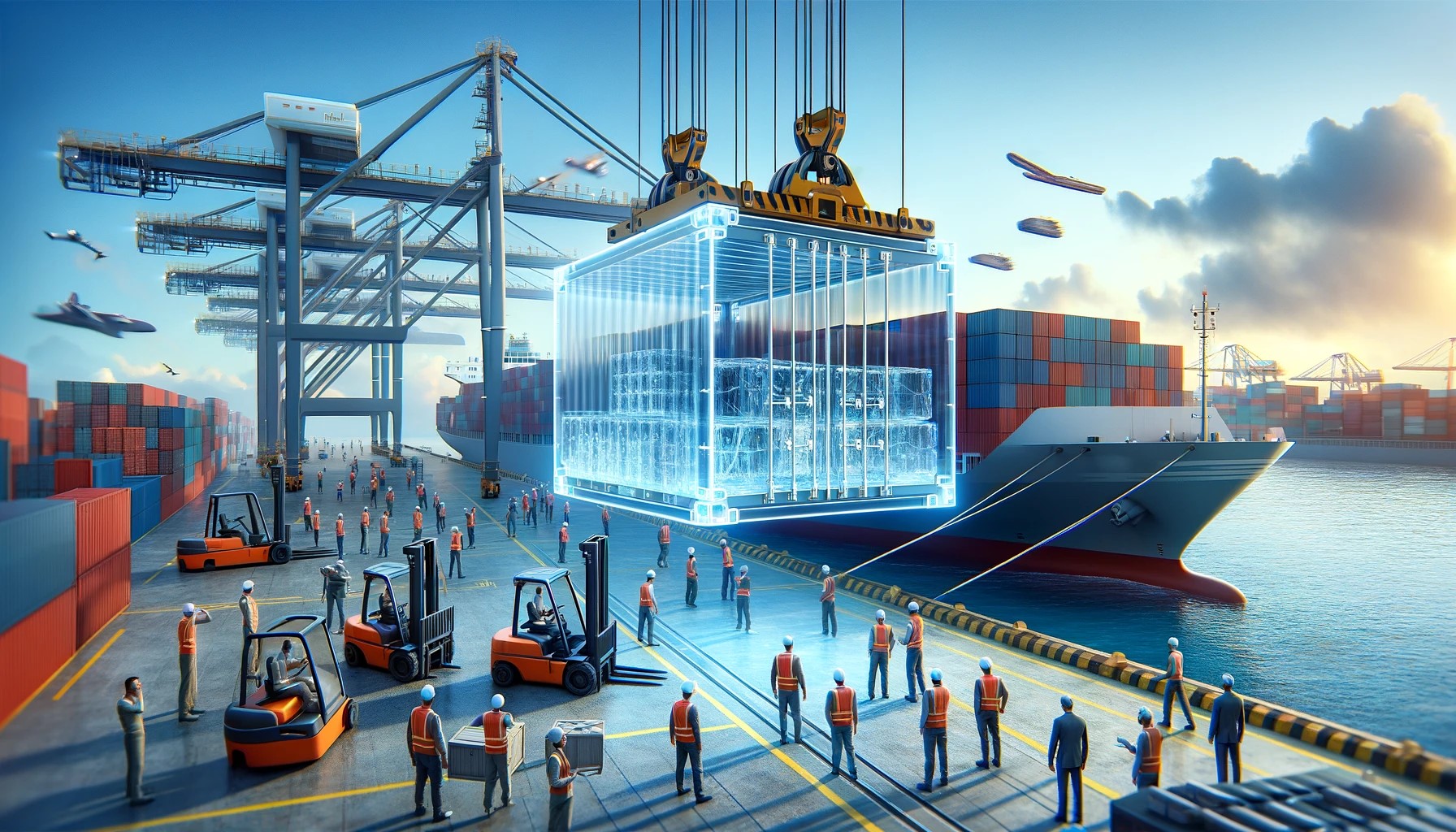
40HQ FCL Booking Process for Solar Panels China to Florida
Navigating the 40HQ FCL booking process for solar panels from China to Florida requires a deep understanding of international logistics and specific regional regulations. Consequently, many importers partner with Top China Freight to streamline their supply chain and ensure timely delivery of renewable energy equipment. This guide provides a comprehensive roadmap for securing container space, managing documentation, and optimizing your shipping strategy for the Florida market.
What is the 40HQ FCL Booking Process for Solar Panels from China to Florida?
Understanding the fundamental steps of the 40HQ FCL booking process for solar panels from China to Florida is essential for any business looking to scale. Full Container Load (FCL) shipping offers the most secure and cost-effective way to transport large volumes of solar modules across the Pacific or through the Suez Canal. Furthermore, using a 40-foot High Cube (40HQ) container allows for extra vertical space, which is critical for specialized solar panel packaging and palletization.
Solar panel manufacturers in regions like Jiangsu or Guangdong typically coordinate with freight forwarders to initiate the booking. Moreover, the process begins with a formal inquiry that specifies the volume, weight, and desired departure date from major ports like Shanghai or Shenzhen. Therefore, securing a booking confirmation early is vital, especially during peak seasons when container equipment might be scarce in mainland China.
How Does 40HQ FCL Compare to Other Shipping Options?
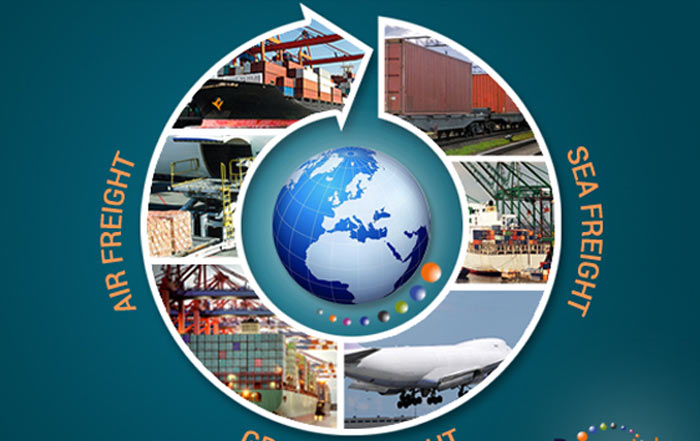
Choosing the right shipping method depends on your total volume, budget, and urgency for the Florida project. While sea freight remains the standard for bulk solar shipments, alternatives like LCL or air freight serve different needs. For instance, air freight is significantly faster but costs nearly five times more than ocean transport for the same volume.
Importers often weigh the benefits of FCL against Less than Container Load (LCL) options. Additionally, FCL provides a dedicated environment for your goods, reducing the risk of damage during handling at consolidation warehouses. Because solar panels are fragile and high-value, the 40HQ container provides the necessary protection and space efficiency required for long-haul maritime routes.
| Shipping Method | Cost Range USD | Transit Time | Best For |
|---|---|---|---|
| 40HQ FCL | 4,500 – 6,500 | 30 – 40 Days | Bulk commercial orders |
| Sea LCL | 80 – 160 per CBM | 35 – 45 Days | Small residential batches |
| Air Freight | 18,000 – 28,000 | 6 – 10 Days | Urgent samples or parts |
| Express | 25,000 – 35,000 | 4 – 7 Days | Critical components |
Essential Documentation for Solar Panel Imports to Florida
Shipping solar panels involves strict adherence to US Customs and Border Protection (CBP) requirements. You must ensure that your customs brokerage partner has all the necessary paperwork to avoid costly delays at the Port of Miami or Port Everglades. Specifically, the Importer Security Filing (ISF) must be transmitted at least 24 hours before the vessel departs from the Chinese port.
Documentation accuracy prevents your cargo from being held for intensive examinations. In addition to the standard Bill of Lading, you will need a detailed commercial invoice and packing list that specifies the wattages and cell types of the solar modules. Meanwhile, specialized certificates of origin are required to determine if the panels are subject to Section 301 tariffs or Anti-Dumping and Countervailing Duties (AD/CVD).
| Document Type | Purpose | Required By | Submission Time |
|---|---|---|---|
| ISF 10 plus 2 | Security screening | US Customs | 24h before loading |
| Bill of Lading | Title to goods | Carrier/Bank | After departure |
| Commercial Invoice | Duty valuation | US Customs | Before arrival |
| Packing List | Cargo verification | Warehouse/Customs | Before arrival |
Step by Step Guide to the Booking Workflow
Effective logistics management starts with a clear step-by-step plan. First, you should request a quote that includes all ocean freight charges, fuel surcharges, and destination fees. Clearly, understanding the full landed cost is crucial for maintaining your project’s profit margins in the competitive Florida solar market.
Since the 40HQ FCL booking process for solar panels from China to Florida involves multiple stakeholders, communication is key. Once the booking is confirmed, the empty container is released to the factory for loading. Typically, a door to door service will manage the drayage from the factory to the port, ensuring the container meets the vessel’s closing time.
Market trends suggest that booking at least three weeks in advance provides the best chance of securing a favorable rate. After the container is loaded, it is sealed and transported to the terminal. During this phase, your forwarder will provide a tracking number so you can monitor the vessel’s progress across the ocean.
Case Study 1: Large Scale Solar Farm in Central Florida
Case Study 1: Commercial Solar Array Deployment
Route: Shenzhen, China to Miami, Florida
Cargo: 840 Tier-1 Solar Modules, 68 CBM, 18,500 kg
Container: 40HQ FCL
Shipping Details:
– Carrier: COSCO Shipping
– Port of Loading: Yantian Terminal, Shenzhen
– Port of Discharge: Port of Miami
– Route Type: Transshipment via Panama Canal
Cost Breakdown:
– Ocean Freight: 5,200 USD
– Origin Charges: 450 USD
– Destination Charges: 850 USD
– Customs and Duties: Estimated based on HTS code
– Total Landed Cost: 6,500 USD (excluding duties)
Timeline:
– Booking to Loading: 5 days
– Sea Transit: 32 days
– Customs Clearance: 3 days
– Total Door to Door: 40 days
Key Insight: Successful coordination between the factory and the forwarder allowed for a seamless ISF filing, preventing any penalties upon arrival in Miami. Based on Q4 2024 market rates.
Case Study 2: Residential Distributor in Jacksonville
Case Study 2: Regional Distribution Inventory
Route: Ningbo, China to Port Everglades, Florida
Cargo: 780 Residential Solar Panels, 65 CBM, 17,200 kg
Container: 40HQ FCL
Shipping Details:
– Carrier: Maersk Line
– Port of Loading: Ningbo-Zhoushan Port
– Port of Discharge: Port Everglades
– Route Type: Direct Service
Cost Breakdown:
– Ocean Freight: 5,400 USD
– Origin Charges: 400 USD
– Destination Charges: 900 USD
– Customs and Duties: Subject to specific solar tariffs
– Total Landed Cost: 6,700 USD (excluding duties)
Timeline:
– Booking to Loading: 7 days
– Sea Transit: 35 days
– Customs Clearance: 2 days
– Total Door to Door: 44 days
Key Insight: Utilizing a direct service reduced the risk of transshipment delays, which was critical for the distributor’s seasonal sales peak. Typical rates as of early 2025.

Cost Management and Factors Influencing Rates
Freight rates for the 40HQ FCL booking process for solar panels from China to Florida fluctuate based on several market variables. For example, fuel surcharges and seasonal demand spikes during the summer months can increase costs by 20 percent. Additionally, port congestion in the US Southeast can lead to additional storage or demurrage fees if the cargo is not cleared promptly.
Carriers often adjust their pricing based on vessel capacity and global trade conditions. If you are shipping to North America, you should also consider the impact of the Panama Canal transit fees on your total bill. Therefore, requesting a comprehensive quote that breaks down every line item is the best way to avoid hidden expenses.
Note: Freight rates are subject to change based on fuel costs, carrier capacity, and seasonal demand. Contact us for a current quote tailored to your specific shipment.
Which Option Should You Choose?
Determining the best shipping strategy requires a balance between speed and cost efficiency. If your primary goal is budget optimization, then sea FCL is the undisputed winner for any shipment exceeding 15 cubic meters. On the other hand, if you are facing a project deadline and need components immediately, express service might be a necessary expense for smaller parts.
Volume thresholds play a significant role in this decision. When your shipment is large enough to fill at least 70 percent of a 40HQ container, the per-unit shipping cost drops dramatically compared to LCL. Consequently, most commercial solar importers in Florida exclusively use 40HQ containers to maximize their logistics investment.
Final Thoughts on Florida Solar Shipping
Successfully managing the 40HQ FCL booking process for solar panels from China to Florida is a strategic advantage for any renewable energy company. By understanding the documentation requirements, choosing the right port of entry, and monitoring market trends, you can significantly reduce your logistics overhead.
Professional freight forwarders provide the expertise needed to navigate complex customs regulations and ensure your cargo arrives in perfect condition. Ultimately, a well-executed shipping plan is the foundation of a successful solar project in the Sunshine State.
Ready to streamline your logistics?
Ready to streamline your solar supply chain? Contact us today to simplify the 40HQ FCL booking process for solar panels from China to Florida and receive a competitive quote tailored to your business needs. Send Inquiry
Request Quote