

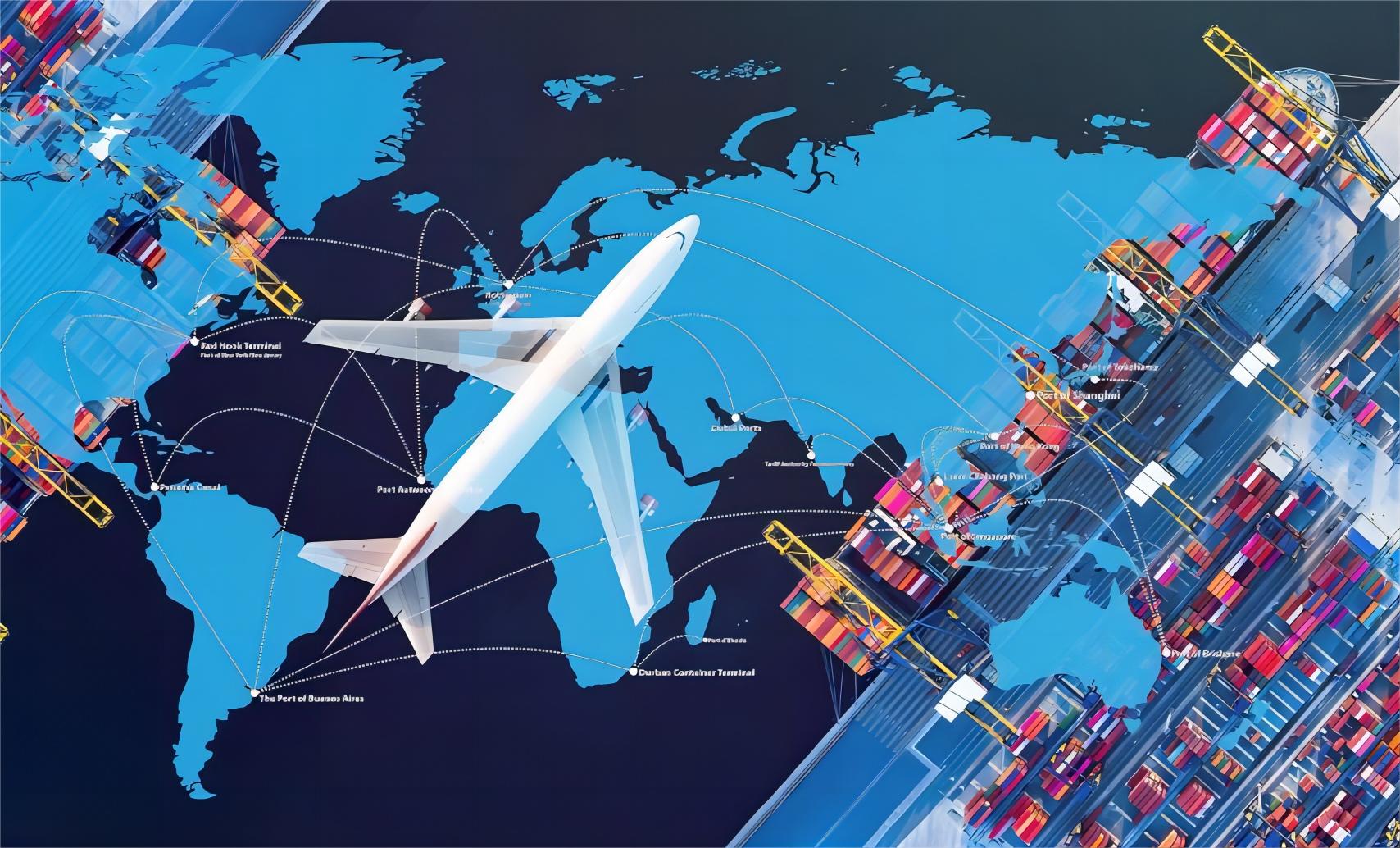
40HQ FCL container shortage solution for lighting from China to Georgia
Finding a reliable 40HQ FCL container shortage solution for lighting from China to Georgia has become a primary concern for importers facing rising demand and equipment scarcity. The lighting industry relies heavily on high-cube containers due to the bulky nature of chandeliers, LED panels, and commercial fixtures. To navigate these logistical hurdles, partnering with a professional freight forwarder like Top China Freight is essential for maintaining a steady supply chain. This guide explores strategic alternatives, cost-saving measures, and multi-modal options to ensure your cargo reaches Tbilisi or Poti without unnecessary delays.

Why is there a 40HQ FCL container shortage for lighting from China to Georgia?
Global trade imbalances often lead to a concentration of empty containers in North America and Europe, leaving Chinese export hubs like Ningbo and Shenzhen with significant deficits. Furthermore, the lighting industry specifically demands 40HQ containers because they provide the necessary volume for lightweight but voluminous products. Consequently, when equipment is scarce, lighting importers are often the first to feel the impact of rising freight rates and booking cancellations.
Market data suggests that seasonal peaks, particularly before the Lunar New Year and during the Q3 rush, exacerbate these shortages significantly. Additionally, port congestion in transshipment hubs can delay the return of empty units to China, creating a bottleneck that halts production schedules. Therefore, understanding the root causes of these shortages is the first step in developing a resilient 40HQ FCL container shortage solution for lighting from China to Georgia.
How does sea freight compare to other shipping options for lighting?
When evaluating a 40HQ FCL container shortage solution for lighting from China to Georgia, comparing different transport modes is vital for budget management. While sea freight remains the most cost-effective method for large volumes, it is also the most susceptible to equipment shortages and port delays. On the other hand, rail and air options provide varying degrees of speed and reliability at a higher price point.
Choosing the right method depends on your specific cargo volume, budget, and urgency. For instance, if a 40HQ container is unavailable, switching to multiple 20GP containers might be a viable, albeit more expensive, alternative. Meanwhile, hybrid solutions like sea-air or rail-sea combinations are gaining popularity among Georgian importers looking to balance cost and speed.
| Shipping Method | Cost Range | Transit Time | Best For |
|---|---|---|---|
| Sea Freight (40HQ) | $3,500 – $5,200 | 35-45 Days | Bulk lighting orders |
| Rail Freight | $4,500 – $6,500 | 18-25 Days | Mid-range urgency |
| Air Freight | $15,000 – $25,000 | 5-8 Days | High-value samples |
| LCL Shipping | $80 – $150 per CBM | 40-50 Days | Small shipments |

What are the benefits of choosing rail freight for lighting imports to Georgia?
Utilizing rail freight via the Middle Corridor has emerged as a premier 40HQ FCL container shortage solution for lighting from China to Georgia. This route connects China to Georgia through Kazakhstan and the Caspian Sea, bypassing the traditional southern sea routes that are often congested. Moreover, rail transit is significantly faster than ocean freight, making it ideal for meeting tight project deadlines in the construction and renovation sectors.
Rail containers are often managed in closed-loop systems, which can sometimes provide better equipment availability during peak sea freight shortages. However, importers should note that rail rates are typically 20-30 percent higher than ocean rates. Nevertheless, the reduction in transit time can lead to faster inventory turnover and improved cash flow for your business.
Can door to door services mitigate container shortage risks?
Implementing a comprehensive door to door strategy allows logistics providers to manage the entire equipment lifecycle more effectively. By controlling the shipment from the manufacturer’s warehouse in China to the final destination in Tbilisi, forwarders can better coordinate container pick-ups and returns. This end-to-end visibility is a crucial component of any 40HQ FCL container shortage solution for lighting from China to Georgia.
Professional logistics teams can often secure priority equipment through long-standing carrier relationships that individual importers might lack. Additionally, door-to-door services simplify the complex logistics of the Caucasus region, handling everything from inland trucking to final delivery. This approach reduces the risk of your lighting products being stranded at a port due to a lack of available trucking or local equipment.
Which container strategies offer the best cost savings?
In a market where 40HQ units are scarce, flexibility in container selection is a powerful 40HQ FCL container shortage solution for lighting from China to Georgia. For example, using two 20GP containers instead of one 40HQ might cost more in freight but can save thousands in lost sales due to delays. Furthermore, some importers are turning to Shipper Owned Containers (SOC) to bypass the carrier’s equipment pool entirely.
According to industry benchmarks, SOC containers can reduce demurrage and detention costs significantly, especially during periods of port congestion. Another strategy involves optimizing the packaging of lighting fixtures to fit into standard 40GP containers, which are sometimes more available than the high-cube variants. Note: Freight rates are subject to change based on fuel costs, carrier capacity, and seasonal demand. Contact us for a current quote tailored to your specific shipment.
| Container Type | Capacity (CBM) | Availability | Cost Efficiency |
|---|---|---|---|
| 20GP Standard | 33 CBM | High | Moderate |
| 40GP Standard | 67 CBM | Medium | High |
| 40HQ High Cube | 76 CBM | Low (Shortage) | Highest |
| LCL (Per CBM) | Variable | Always Available | Low for large volume |
How do customs brokerage services expedite the China to Georgia route?
Effective customs brokerage is essential for ensuring that once a container is secured, it moves through the Georgian border without delay. Georgia offers a relatively streamlined customs process, but lighting products must comply with specific technical regulations and VAT requirements. Consequently, errors in documentation can lead to costly storage fees at Poti or Batumi ports, negating the benefits of your 40HQ FCL container shortage solution for lighting from China to Georgia.
Expert brokers stay updated on the latest trade agreements between China and Georgia, such as the Free Trade Agreement (FTA) that can reduce or eliminate import duties. Moreover, they can assist in classifying complex lighting components correctly to avoid overpayment of taxes. Indeed, a smooth customs clearance process is just as important as securing the container itself in today’s volatile logistics environment.
Real-world case studies: Navigating the container shortage for lighting
Case Study 1: Strategic Rail Shift. A Tbilisi-based lighting distributor faced a 4-week delay for a 40HQ sea booking from Ningbo. By switching to rail freight from Xi’an to Tbilisi, the cargo arrived in 22 days. Route: Xi’an to Tbilisi via Middle Corridor. Cargo: 40HQ LED Chandeliers. Total Landed Cost: $6,800. Timeline: 22 days door-to-door. Key Insight: Rail provided the necessary equipment when sea carriers had none.
Case Study 2: Multi-Modal Sea-Road Solution. An importer in Batumi needed 40HQ capacity for commercial outdoor lighting from Shenzhen. Due to the shortage, the forwarder used a transshipment via Istanbul with a final leg by truck. Route: Shenzhen to Istanbul (Sea) then Istanbul to Batumi (Truck). Cargo: 40HQ Outdoor Fixtures. Total Landed Cost: $5,400. Timeline: 38 days. Key Insight: Transshipment hubs can sometimes offer better container availability than direct routes.
Which option should you choose for your lighting shipment?
Deciding on the right 40HQ FCL container shortage solution for lighting from China to Georgia requires a clear understanding of your priorities. If budget is your primary concern and you have a flexible lead time, staying with sea freight but booking 4-6 weeks in advance is recommended. However, if you are shipping to Europe or neighboring Georgia and need speed, rail is the superior choice.
For urgent replacements or high-value smart lighting systems, air freight remains the fastest option despite the high cost. Volume thresholds also play a role; if your shipment is under 15 CBM, LCL might be more economical and easier to book than a full container. Always evaluate the total landed cost rather than just the ocean freight rate to make an informed decision.
Securing Your Lighting Supply Chain to Georgia
Navigating the complexities of international trade requires a proactive 40HQ FCL container shortage solution for lighting from China to Georgia. By exploring rail freight, door-to-door services, and strategic container alternatives, importers can mitigate the risks of equipment scarcity. Furthermore, staying informed about market trends and maintaining flexible shipping schedules will provide a significant competitive advantage.
To summarize, while the 40HQ shortage presents challenges, it also offers an opportunity to optimize your logistics strategy for better efficiency. Partnering with experienced freight forwarders ensures that your lighting products reach the Georgian market safely and cost-effectively. Start planning your next shipment today to ensure your business continues to shine despite global logistics hurdles.

Ready to streamline your logistics?
Stop letting container shortages dim your business prospects in the Georgian market. Contact Top China Freight today for a customized 40HQ FCL container shortage solution for lighting from China to Georgia that fits your timeline and budget. Our team is ready to provide you with a competitive quote and expert logistics advice to keep your lighting projects on track. Visit our website to send an inquiry and secure your container space now.
Request Quote