

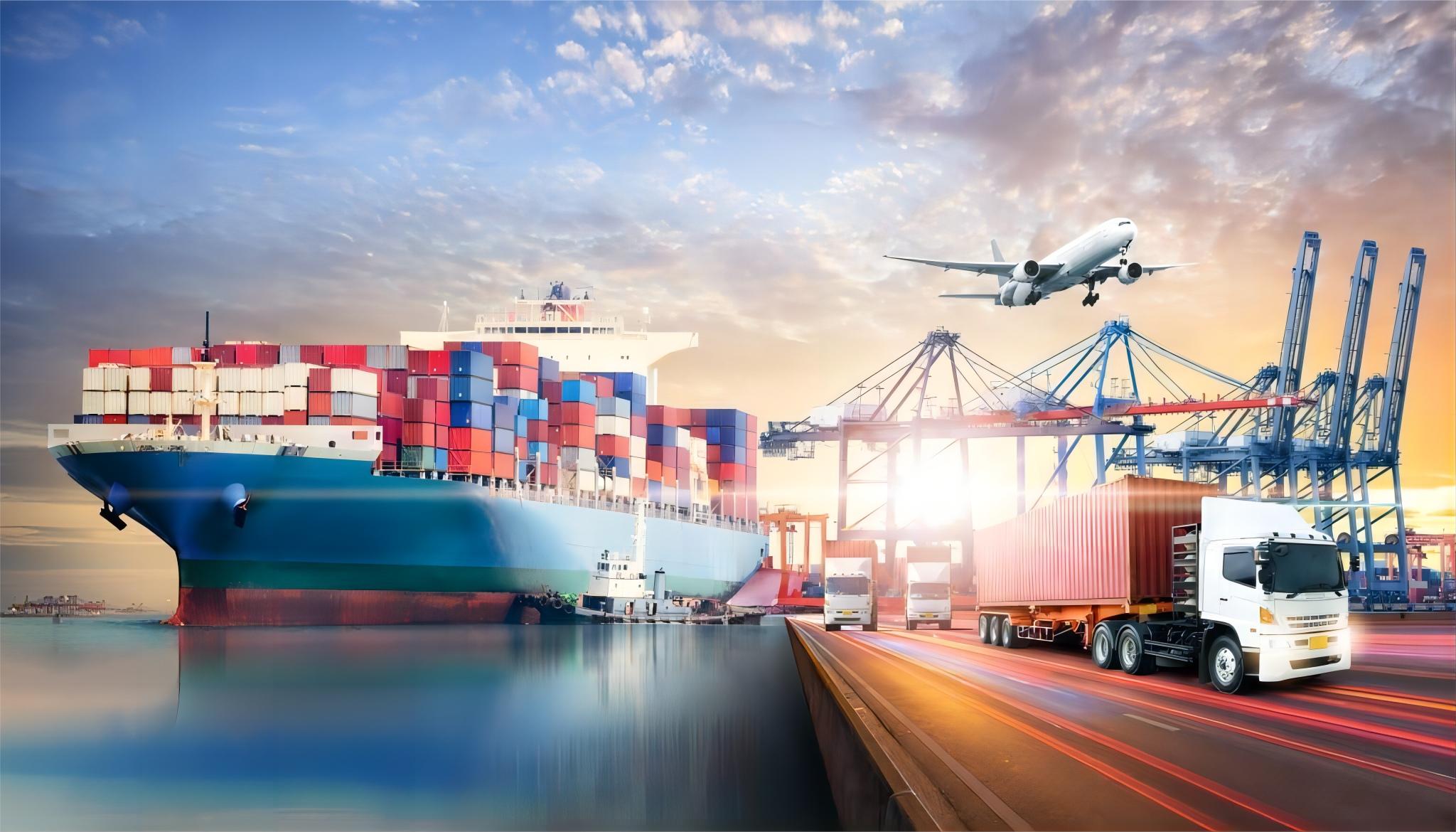
40HQ FCL container shortage solution for textiles from China to Poland
The global logistics market currently faces significant equipment imbalances that disrupt the flow of garments and fabrics. Finding a reliable 40HQ FCL container shortage solution for textiles from China to Poland is essential for maintaining your retail supply chain. Top China Freight provides specialized expertise to help importers navigate these equipment deficits and ensure timely deliveries to European markets. This guide explores strategic alternatives and cost-effective methods to keep your textile business moving despite global container shortages.

What is the Current Market Context for China to Poland Shipping?
As of early 2025, freight rates from China to Europe have stabilized after the 2024 Red Sea disruptions, yet equipment availability remains a challenge. Specifically, the high demand for 40HQ containers often leads to localized shortages in major Chinese manufacturing hubs like Ningbo and Shanghai. Consequently, textile importers must look beyond traditional booking methods to secure space during peak seasons.
Market data suggests that container imbalances are exacerbated by longer transit times around the Cape of Good Hope. This situation ties up equipment for longer periods, reducing the turnaround rate of 40HQ units. Therefore, proactive planning and diversified logistics strategies are mandatory for businesses importing large volumes of lightweight textile goods.
Textile products typically require 40HQ containers because they offer the maximum volume for relatively low-weight cargo. Moreover, the extra foot of height in a high-cube container allows for significantly more rolls of fabric or cartons of apparel compared to standard 40GP units. Without these specific containers, shipping costs per unit of product can increase by as much as 15-20 percent.
How Does 40HQ FCL Compare to Other Shipping Options?
Evaluating different transport modes is the first step in finding a 40HQ FCL container shortage solution for textiles from China to Poland. While sea freight remains the most common choice, it is also the most susceptible to equipment shortages. In contrast, rail and air options provide different balances of speed and availability.
Choosing between FCL and LCL depends largely on your total volume and urgency. For shipments under 15 CBM, LCL might be more economical and easier to book during a 40HQ shortage. However, for full textile inventories, rail freight often serves as the most reliable middle ground between cost and speed.
| Shipping Method | Cost Range (40HQ) | Transit Time | Best For |
|---|---|---|---|
| Sea Freight | $3,000 – $4,500 | 35 – 45 Days | Bulk Textiles |
| Rail Freight | $4,500 – $6,500 | 18 – 22 Days | Time-Sensitive |
| Air Freight | $15,000 – $25,000 | 5 – 8 Days | Urgent Samples |
| Sea-Air Hybrid | $7,000 – $9,000 | 15 – 20 Days | Balanced Needs |
Why is Rail Freight a Strong 40HQ FCL Container Shortage Solution for Textiles?
The China-Europe Railway Express has become a cornerstone of the 40HQ FCL container shortage solution for textiles from China to Poland. Using rail freight allows shippers to bypass congested seaports and access inland container depots where equipment might be more available. Furthermore, the transit time is nearly 50 percent faster than traditional ocean routes.
Poland serves as the primary gateway for rail cargo entering the European Union via the Malaszewicze terminal. Consequently, textile importers can benefit from direct connections to major Polish distribution centers in Warsaw, Lodz, and Poznan. This proximity reduces secondary trucking costs and minimizes the risk of cargo damage during transshipment.
Additionally, rail carriers often have better access to their own dedicated container fleets. This means that even when ocean carriers report a shortage, rail operators may still have 40HQ equipment ready for loading. Indeed, many textile brands now allocate 30 percent of their volume to rail to ensure supply chain resilience.

Can LCL Shipping Solve Your Equipment Problems?
If a full 40HQ container is unavailable, utilizing Less than Container Load (LCL) services is a viable alternative. This method involves consolidating your textiles with other goods in a shared container. As a result, you do not need to wait for a specific 40HQ unit to be assigned solely to your company.
LCL shipping offers greater flexibility for smaller, frequent shipments of seasonal apparel. For example, instead of waiting two weeks for a 40HQ container, you can ship 10-15 CBM every week. This keeps your inventory flowing and prevents stockouts in Polish retail stores.
Nevertheless, you must consider the increased handling involved in LCL shipments. Since goods are consolidated and deconsolidated, professional packing is essential to protect delicate fabrics. Working with an experienced freight forwarder ensures that your textile cargo is handled with care throughout the process.
How Does Door to Door Logistics Improve Textile Efficiency?
Managing the entire supply chain through door to door services can mitigate the impact of container shortages. By allowing a single provider to handle the pickup, export, shipping, and final delivery, you gain better visibility over equipment availability. Specifically, forwarders can often reposition empty containers from inland locations more effectively than individual shippers.
Door-to-door solutions also simplify the complex logistics of textile importing. For instance, the provider manages the trucking from the factory in Zhejiang to the port and the final delivery to a warehouse in Wroclaw. This integrated approach reduces the chances of communication errors that lead to missed booking windows.
Moreover, this service model often includes priority booking with carriers. Because large freight forwarders have high-volume contracts, they receive preferential access to 40HQ equipment. Consequently, your textile shipment is less likely to be rolled to a later vessel due to equipment scarcity.
What Role Does Customs Brokerage Play in Avoiding Delays?
Efficient customs brokerage is critical when navigating container shortages. If your 40HQ container is delayed, you cannot afford further setbacks at the Polish border. Proper documentation ensures that once your textiles arrive, they move through customs without expensive storage fees.
Textile imports into Poland require specific documentation, including the Bill of Lading, Commercial Invoice, and Packing List. Furthermore, certain fabrics may require certificates of origin or compliance with EU textile labeling regulations. A professional broker will verify these details before the cargo leaves China to prevent administrative bottlenecks.
Indeed, many importers overlook the importance of customs planning in their overall logistics strategy. By clearing goods quickly, you can return empty containers to the carrier faster. This contributes to the overall availability of equipment in the global pool and may even help you avoid detention and demurrage charges.
Real Case Studies: Overcoming Textile Shipping Challenges
Case Study 1: A Lodz-based clothing retailer faced a 3-week delay for 40HQ containers in Ningbo. By switching to rail freight, they secured equipment within 4 days and reduced transit time by 20 days. Although the freight cost was 30 percent higher, the early arrival allowed them to launch their spring collection on schedule.
Case Study 2: A fabric wholesaler in Warsaw utilized LCL shipping when 40HQ units were priced at a premium. By splitting their 30 CBM shipment into two LCL bookings, they saved $1,200 compared to the peak FCL rate. The goods arrived at the Gdansk port and were cleared within 48 hours.
Case Study 3: An e-commerce brand used air freight for a high-demand line of silk garments during a total container blackout. While the cost was significant, the 6-day door-to-door delivery prevented a total loss of seasonal sales revenue.
Case Study 1: Rail Freight Pivot
Route: Shanghai, China to Lodz, Poland
Cargo: Cotton Apparel, 68 CBM, 12,000 kg
Container: 40HQ FCL (Rail)
Ocean Freight: N/A (Rail used instead)
Total Landed Cost: $6,800
Total Door-to-Door: 24 days
Key Insight: Rail provided the necessary 40HQ equipment when sea carriers had a 14-day backlog.
Case Study 2: Sea Freight Optimization
Route: Ningbo, China to Gdansk, Poland
Cargo: Synthetic Fabrics, 65 CBM, 18,000 kg
Container: 40HQ FCL (Sea)
Ocean Freight: $3,850
Total Landed Cost: $4,950
Total Door-to-Door: 42 days
Key Insight: Booking 4 weeks in advance secured the 40HQ container at a competitive rate despite market shortages.
Which Option Should You Choose? Decision Framework
Choosing the right 40HQ FCL container shortage solution for textiles from China to Poland depends on several factors. You must balance the urgency of your inventory needs against your total logistics budget. For example, high-margin fashion items can often absorb the cost of rail or air freight, whereas low-margin bulk fabrics require the lowest possible sea rates.
Consider the following criteria when making your decision: Is the cargo for a fixed seasonal launch? If yes, prioritize rail. Is the volume under 15 CBM? If yes, use LCL sea freight. Is the 40HQ equipment available within 7 days? If no, explore alternative ports or rail hubs.
| Priority | Recommended Method | Volume Threshold | Trade-off |
|---|---|---|---|
| Lowest Cost | Sea Freight FCL | Over 25 CBM | Longer delays |
| Fastest Delivery | Air Freight | Under 5 CBM | High expense |
| Reliable Timing | Rail Freight | Over 20 CBM | Moderate cost |
| Flexibility | LCL Sea Freight | 5 – 15 CBM | More handling |
Summary of Textile Shipping Solutions
Navigating the complexities of international trade requires a flexible approach to equipment management. Finding a 40HQ FCL container shortage solution for textiles from China to Poland is achievable through rail freight, LCL consolidation, and strategic planning. By diversifying your shipping methods and working with expert partners, you can maintain a resilient supply chain in 2025.
Remember that market conditions change rapidly, and staying informed is your best defense against delays. Whether you choose sea, rail, or air, the key is to book early and remain adaptable to the current logistics landscape.
Note: Freight rates are subject to change based on fuel costs, carrier capacity, and seasonal demand. Contact us for a current quote tailored to your specific shipment.

Ready to streamline your logistics?
Are you struggling to find equipment for your next shipment? Contact Top China Freight today for a reliable 40HQ FCL container shortage solution for textiles from China to Poland. Our team will help you secure space and optimize your transit times. Send Inquiry
Request Quote