


40GP FCL Space Availability for Machinery from China to Spain
Securing 40GP FCL space availability for machinery from China to Spain is a critical step for industrial importers seeking reliable supply chain solutions. Many businesses struggle with seasonal fluctuations and equipment shortages when moving heavy cargo across international waters. By partnering with Top China Freight, you can navigate these challenges and ensure your machinery arrives on schedule and within budget.

What Determines 40GP FCL Space Availability for Machinery from China to Spain?
Several factors influence how easily you can book a 40GP container for your industrial equipment. Market demand often peaks before major holidays, which reduces the number of available slots on vessels departing from major Chinese ports. Moreover, the specific nature of machinery often requires careful planning regarding weight distribution and lashing within the container.
Carrier capacity plays a significant role in the current shipping landscape. Consequently, when major shipping lines reallocate vessels to more profitable routes, the 40GP FCL space availability for machinery from China to Spain may tighten significantly. Therefore, shippers must stay informed about global logistics trends to avoid sudden delays in their production schedules.
Choosing the right sea freight service is essential for managing these variables. Furthermore, different carriers offer varying levels of reliability and transit times to Spanish destinations. By understanding these dynamics, you can better anticipate when to book your cargo for maximum efficiency.
How Does 40GP FCL Compare to Other Shipping Options?
Comparing different shipping methods allows you to choose the most cost-effective strategy for your machinery. While FCL offers the best protection for sensitive equipment, other options might be faster or cheaper depending on the volume. In addition, businesses must weigh the trade-offs between transit speed and overall landed costs.
For instance, air freight provides unmatched speed but comes at a significantly higher price point. On the other hand, rail freight serves as a middle ground for certain European destinations, though it is less common for direct routes to Spain compared to sea transport. Without a doubt, evaluating each method ensures you meet your specific delivery requirements.
The following table provides an objective analysis of the viable alternatives for shipping machinery from China to Spain. Please note that these figures are based on industry averages for late 2024 and early 2025.
| Shipping Method | Cost Range (USD) | Transit Time | Best For |
|---|---|---|---|
| 40GP FCL Sea | $2,800 – $4,200 | 30-40 Days | Large Machinery |
| LCL Sea Freight | $50 – $120/CBM | 35-45 Days | Small Components |
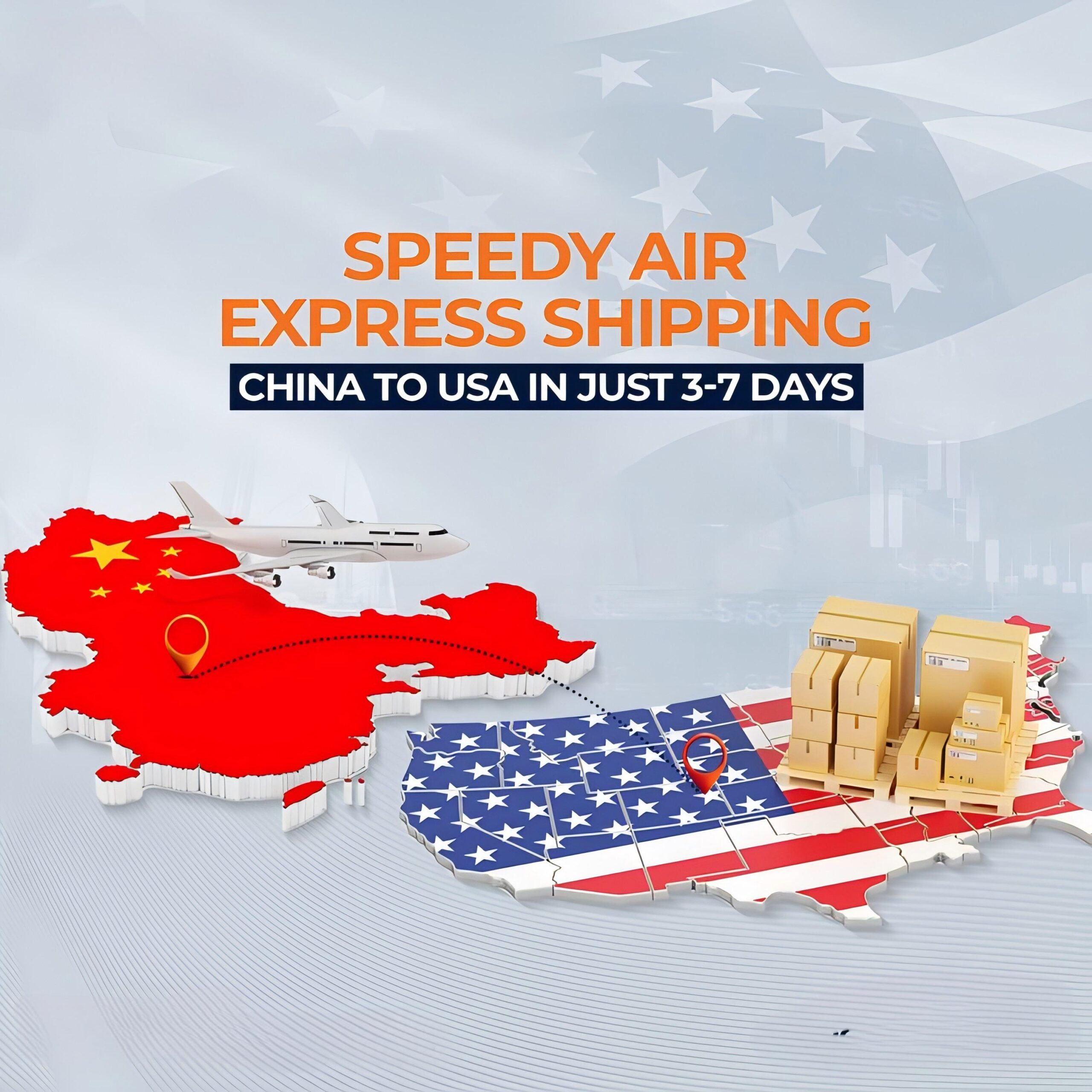
| Air Freight | $5.00 – $9.00/kg | 5-8 Days | Urgent Spare Parts |
| Rail Freight | $3,500 – $5,000 | 20-25 Days | High-Value Goods |
Which Option Should You Choose for Your Machinery?
Selecting the ideal method depends heavily on your budget and the urgency of the shipment. If your priority is keeping costs low, sea freight remains the dominant choice for industrial equipment. However, if you are facing a production line shutdown in Spain, the higher cost of air freight may be justified to restore operations quickly.
Volume thresholds also dictate the most economical choice. For shipments exceeding 15 cubic meters, booking a full 40GP container is usually more efficient than paying for multiple LCL slots. Consequently, most machinery importers prefer FCL to maintain control over the loading process and minimize the risk of damage from other cargo.
Consider shipping to Europe via direct routes to save time. Although direct services might cost 10-15% more, they eliminate the risks associated with transshipment at busy hubs like Singapore. Indeed, a direct route to Valencia or Barcelona can save up to a week in total transit time.

Real Case Studies for Machinery Shipping to Spain
Examining real-world examples helps illustrate the practical aspects of securing 40GP FCL space availability for machinery from China to Spain. These cases highlight typical costs and timelines encountered by industrial importers in the current market. Furthermore, they demonstrate how professional logistics management can overcome common obstacles.
Case Study 1: CNC Machine Export
Route: Shanghai, China to Valencia, Spain. Cargo: CNC Milling Machine, 28 CBM, 8,500 kg. Container: 40GP FCL. Carrier: COSCO. Port of Loading: Shanghai. Port of Discharge: Valencia. Route Type: Direct. Ocean Freight: $3,250. Origin Charges: $450. Destination Charges: $600. Customs and Duties: $1,200. Total Landed Cost: $5,500. Timeline: Booking to Loading: 5 days. Sea Transit: 32 days. Customs Clearance: 3 days. Total Door-to-Door: 40 days. Key Insight: Early booking secured space during the pre-Golden Week rush.
Case Study 2: Injection Molding Equipment
Route: Shenzhen, China to Barcelona, Spain. Cargo: Industrial Molds and Press, 32 CBM, 12,000 kg. Container: 40GP FCL. Carrier: Maersk. Port of Loading: Shenzhen. Port of Discharge: Barcelona. Route Type: Transshipment via Algeciras. Ocean Freight: $3,100. Origin Charges: $400. Destination Charges: $550. Customs and Duties: $900. Total Landed Cost: $4,950. Timeline: Booking to Loading: 7 days. Sea Transit: 38 days. Customs Clearance: 2 days. Total Door-to-Door: 47 days. Key Insight: Choosing a transshipment route saved $300 compared to direct options.
Note: Freight rates are subject to change based on fuel costs, carrier capacity, and seasonal demand. Contact us for a current quote tailored to your specific shipment.
Navigating Customs and Documentation for Spanish Imports
Successful machinery transport requires meticulous attention to paperwork. Spanish customs authorities are strict regarding the classification of industrial equipment. Therefore, you must ensure your Harmonized System (HS) codes are accurate to avoid fines or lengthy inspections at the port of entry.
Essential documents include the Commercial Invoice, Packing List, and Bill of Lading. Additionally, machinery often requires a CE Certificate to prove compliance with European safety standards. Utilizing a professional customs brokerage service can streamline this process and prevent your 40GP container from being held in port.
Market data suggests that documentation errors cause nearly 30% of all import delays. In contrast, well-prepared shipments typically clear customs in Barcelona or Valencia within 48 to 72 hours. Accordingly, investing time in document verification before the vessel departs China is a vital strategy for any machinery importer.
Strategies to Secure Space During Peak Seasons
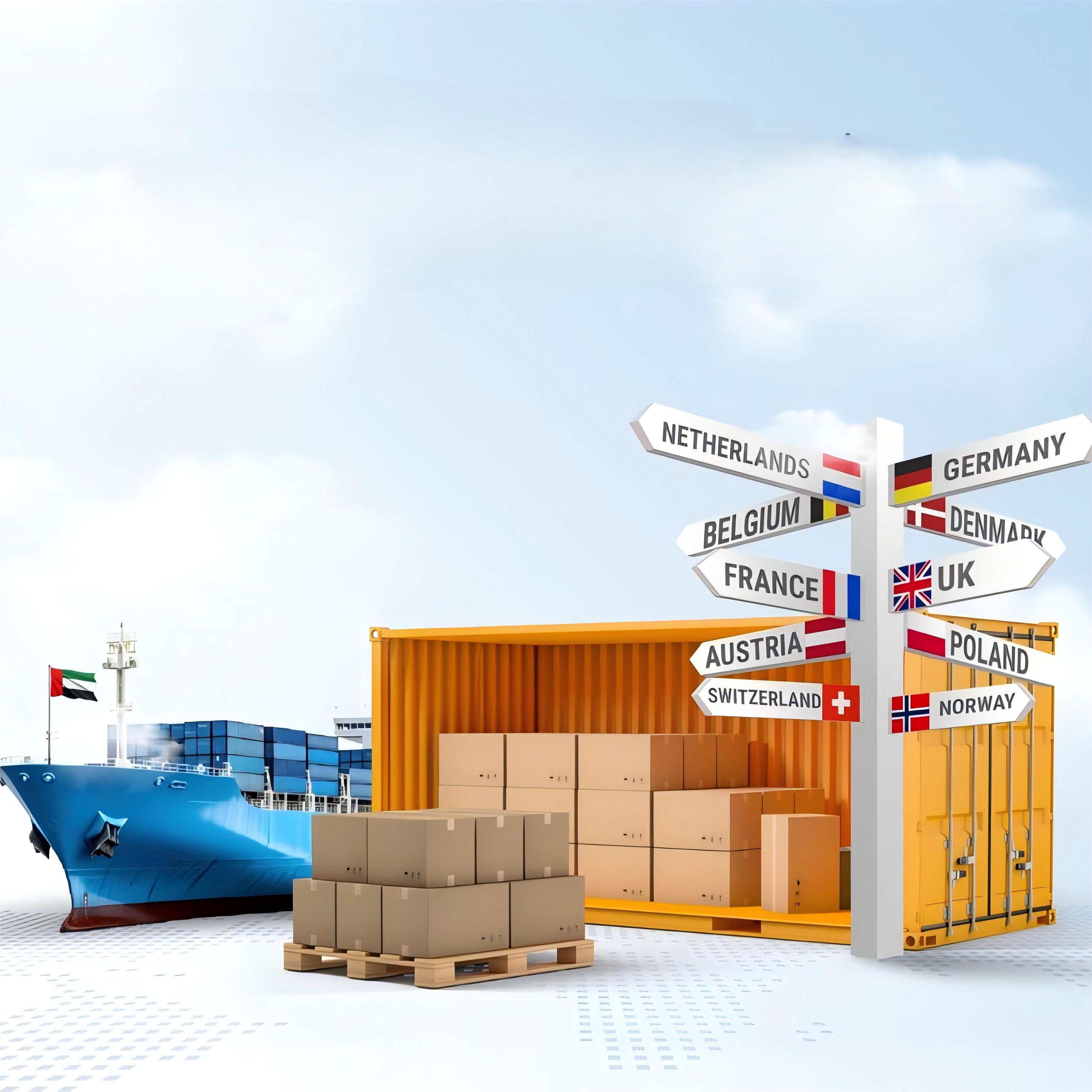
Securing 40GP FCL space availability for machinery from China to Spain becomes significantly harder during the peak season from August to October. During this period, freight rates typically increase by 15-25% as retailers stock up for the holidays. Consequently, industrial shippers must adapt their procurement strategies to maintain supply chain stability.
One effective approach is to book your container at least 3-4 weeks in advance. Moreover, maintaining flexibility with your departure port can open up more options. For example, if Ningbo is congested, checking availability in Qingdao or Xiamen might yield better results for your machinery shipment.
Implementing a door to door logistics plan can also simplify the process. This comprehensive service covers everything from factory pickup in China to final delivery in Spain. Indeed, having a single point of contact reduces the risk of communication breakdowns during high-demand periods.
Transit Time Variations by Spanish Destination Port
The choice of discharge port in Spain significantly impacts your total transit time. While Valencia and Barcelona are the primary hubs for machinery, Northern ports like Bilbao serve specific industrial regions. Furthermore, the frequency of vessel calls varies between these locations, affecting the overall delivery schedule.
Typically, direct services from Shanghai to Valencia take approximately 30 to 35 days. On the other hand, shipments destined for Bilbao may require transshipment in Northern European hubs, extending the timeline to 40 or 45 days. Understanding these differences allows you to coordinate with your Spanish technicians for the installation of the new machinery.
The following table outlines the industry average transit times for 40GP containers from major Chinese hubs to key Spanish ports as of early 2025.
| Origin Port | Destination Port | Average Transit | Service Type |
|---|---|---|---|
| Shanghai | Valencia | 32 Days | Direct |
| Ningbo | Barcelona | 34 Days | Direct |
| Shenzhen | Algeciras | 28 Days | Direct |
| Qingdao | Bilbao | 42 Days | Transshipment |
Cost-Saving Tips for Machinery Importers
Reducing your shipping expenses requires a combination of smart planning and negotiation. For instance, optimizing your packaging can sometimes allow you to fit more components into a single 40GP container. Moreover, avoiding premium ‘guaranteed space’ surcharges by booking early can save hundreds of dollars per shipment.
Another strategy involves comparing rates between different carriers. While some lines specialize in heavy cargo handling, others may offer lower rates for standard 40GP containers. Additionally, consider using air freight only for the most critical components while sending the main body of the machine by sea.
Finally, always request a detailed breakdown of all local charges in both China and Spain. Hidden fees can quickly inflate your total landed cost if not identified upfront. In contrast, a transparent quote from a reliable freight forwarder ensures you can budget accurately for your machinery import project.
Summary of Machinery Shipping to Spain
Successfully managing 40GP FCL space availability for machinery from China to Spain requires a proactive approach and a deep understanding of the logistics market. By considering factors like seasonal demand, port congestion, and documentation requirements, you can significantly reduce the risk of delays. Furthermore, comparing different shipping methods and using strategic booking windows will help you maintain a cost-effective supply chain.
As we move through 2025, staying informed about carrier capacity and freight trends remains essential for industrial businesses. Whether you are importing CNC machines to Valencia or textile equipment to Barcelona, the right logistics partner makes all the difference. Remember to prioritize early booking and thorough document preparation to ensure your machinery arrives safely and ready for operation.
Ready to streamline your logistics?
Are you ready to secure 40GP FCL space availability for machinery from China to Spain? Our team of logistics experts is standing by to provide you with competitive rates and reliable vessel space. Send Inquiry Visit https://Top China Freight.com/ to get your personalized quote today and ensure your industrial equipment reaches Spain without delay.
Request Quote