

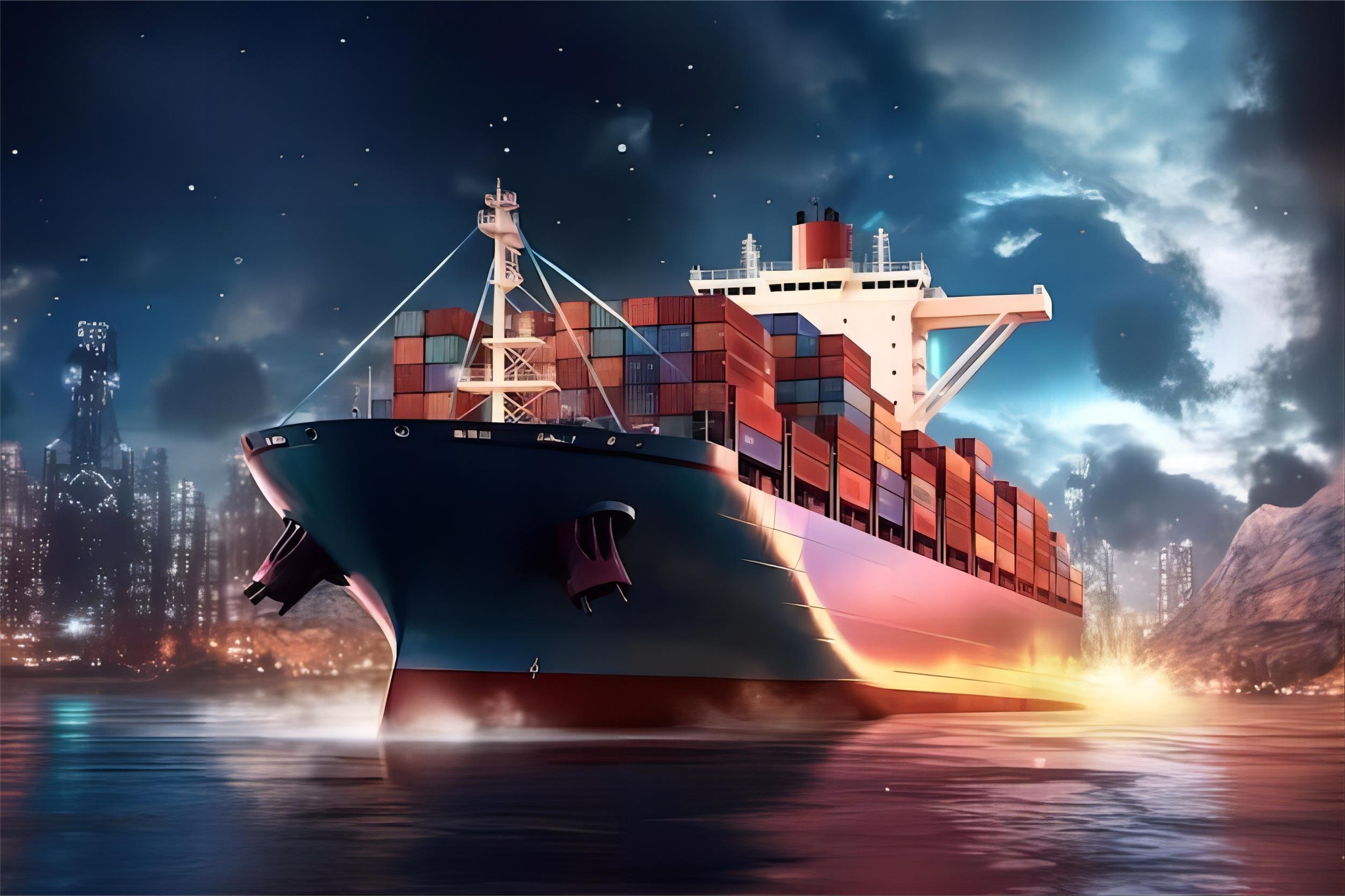
40HQ FCL Demurrage Prevention for Auto Parts to Denmark
Managing 40HQ FCL demurrage prevention for auto parts from China to Denmark is essential for maintaining a profitable automotive supply chain. At Top China Freight, we specialize in helping importers navigate the complexities of international logistics while avoiding unnecessary expenses. Consequently, understanding the nuances of port operations and container management can save your business thousands of dollars in unexpected fees. This guide provides actionable strategies to ensure your cargo moves smoothly from Chinese factories to Danish warehouses without costly delays.
What is 40HQ FCL Demurrage and Why Does It Matter?
Demurrage refers to the fee charged by shipping lines when a container remains at the port terminal beyond the allotted free time. Specifically, for a 40HQ FCL shipment, these costs can escalate rapidly, especially when dealing with high-volume auto parts. Moreover, the automotive industry relies on just-in-time delivery, meaning any delay at the Port of Aarhus or Copenhagen can disrupt production schedules.
Carriers typically offer a standard free period ranging from five to seven days. However, if your customs clearance process stalls or trucking is not pre-arranged, you will face daily penalties. Therefore, proactive planning is the only way to safeguard your profit margins against these avoidable charges.
Additionally, the high value of automotive components makes security and speed a priority. Consequently, every day your container sits in the yard increases the risk of damage or theft. By focusing on 40HQ FCL demurrage prevention for auto parts from China to Denmark, you ensure both financial stability and cargo safety.
How to Avoid 40HQ FCL Demurrage for Auto Parts from China to Denmark
The first step in prevention involves selecting a reliable partner for sea freight services. Moreover, you should always negotiate extended free time at the destination port during the booking phase. Many carriers are willing to grant 14 days of free time if requested in advance, which provides a necessary buffer for unexpected delays.
Furthermore, you must ensure that all commercial invoices and packing lists are 100% accurate before the vessel leaves China. Indeed, even a minor discrepancy in part numbers can trigger a customs audit in Denmark. Consequently, verifying documentation early is a cornerstone of any successful demurrage prevention strategy.
Meanwhile, maintaining constant communication with your freight forwarder is vital. They can provide real-time tracking and alert you to potential port congestion. As a result, you can reschedule inland transport to coincide perfectly with the container’s discharge from the vessel.
How Does Sea Freight Compare to Other Shipping Options?
While ocean transport is the most common method for bulky auto parts, other modes like rail freight offer unique advantages. For instance, rail transport via the Silk Road can reduce transit times by nearly 50% compared to the traditional sea route. However, this speed comes at a higher cost, which may not suit every budget.
In contrast, sea freight remains the most economical choice for 40HQ FCL shipments. Consequently, most automotive importers prefer the ocean route despite the longer transit times. To clarify the differences, we have provided a detailed comparison of the primary shipping methods used for the China-Denmark route.
Furthermore, choosing the right method depends on your specific inventory needs and urgency. For example, urgent replacement parts might require air freight, whereas routine stock replenishment is best suited for sea containers. Always consider the total landed cost when making your final decision.
| Sea Freight (40HQ) | $3,000 – $4,500 | 30 – 40 Days | Bulk Auto Parts |
| Rail Freight | $5,500 – $7,500 | 18 – 22 Days | Medium Urgency |
| Air Freight | $15,000+ | 5 – 8 Days | Critical Repairs |
| Sea-Air Hybrid | $8,000 – $10,000 | 20 – 25 Days | Balanced Needs |

Which Option Should You Choose for Your Auto Parts?
Budget Priority Strategies
If your primary goal is to minimize costs, sea freight is the clear winner. Specifically, utilizing a 40HQ FCL allows you to maximize the volume of auto parts per shipment. Therefore, you should focus on optimizing your loading plan to ensure no space is wasted within the container.
However, you must be diligent about 40HQ FCL demurrage prevention for auto parts from China to Denmark to keep these costs low. Indeed, a few days of detention fees can quickly erase the savings gained from choosing ocean transport. Consequently, always book with carriers that offer flexible terms.
Speed and Reliability Considerations
When production deadlines are tight, rail freight becomes a highly attractive alternative. Moreover, rail routes are less susceptible to the weather-related delays that often plague maritime shipping. As a result, you gain a more predictable delivery schedule for your Danish assembly lines.
On the other hand, if you are shipping lightweight but high-value components, air freight might be justified. Nevertheless, for the majority of automotive body parts and engine components, the 40HQ container remains the industry standard. Therefore, most businesses should focus on perfecting their FCL logistics chain.
Documentation and Customs Clearance in Denmark
Navigating Danish customs requires precision and a deep understanding of EU import regulations. Consequently, hiring a professional customs brokerage service is highly recommended for automotive importers. They can help you classify parts correctly under the Harmonized System (HS) codes, preventing costly delays.
Moreover, Denmark has strict environmental regulations regarding the import of certain automotive materials. Specifically, you must ensure that your Chinese suppliers provide all necessary certifications, such as REACH or RoHS compliance. Without these documents, your container could be held for inspection indefinitely, leading to massive demurrage fees.
Additionally, ensure your EORI number is active and correctly linked to your shipment. For example, a simple error in the importer of record details can stall the entire clearance process at the port. Therefore, conducting a pre-clearance check 72 hours before the vessel arrives is a best practice for all shipments to Europe.
| Bill of Lading | Mandatory | Title to Goods | Carrier |
| Commercial Invoice | Mandatory | Value Declaration | Supplier |
| Packing List | Mandatory | Cargo Detail | Supplier |
| HS Code List | Mandatory | Duty Calculation | Importer |
Real Case Studies: Shipping Auto Parts to Denmark
Case Study 1: Efficient Engine Component Delivery. Route: Ningbo, China to Aarhus, Denmark. Cargo: 40HQ FCL containing engine blocks and pistons. Shipping Method: Direct Sea Freight. Total Cost: $4,200. Transit Time: 35 days. Key Insight: By securing 14 days of free time in advance, the importer avoided $800 in demurrage when a local trucking strike occurred in Denmark.
Case Study 2: Rapid Suspension Part Replenishment. Route: Shanghai, China to Copenhagen, Denmark. Cargo: 20 CBM of suspension kits. Shipping Method: Rail Freight. Total Cost: $6,100. Transit Time: 21 days. Key Insight: Choosing rail allowed the client to meet a critical launch deadline, demonstrating that speed sometimes outweighs the lower cost of sea freight.
Case Study 3: Door-to-Door Logistics Success. Route: Shenzhen, China to Odense, Denmark. Cargo: 40HQ FCL mixed auto accessories. Shipping Method: Door to Door service. Total Cost: $5,500 inclusive. Transit Time: 38 days. Key Insight: Utilizing a full-service provider eliminated the communication gap between the port and the warehouse, ensuring 40HQ FCL demurrage prevention for auto parts from China to Denmark was handled automatically.

Strategic Planning for 2025 Market Trends
As of early 2025, freight rates from China to Europe have stabilized, but capacity remains tight on certain routes. Consequently, booking your 40HQ FCL at least four weeks in advance is now standard practice. Furthermore, the rise of digital twin technology in logistics allows for better prediction of port congestion levels.
Additionally, many Danish companies are moving toward greener supply chains. Therefore, you might consider carriers that offer carbon offset programs or use LNG-powered vessels. While these options may slightly increase the freight rate, they align with the growing environmental standards in the European market.
Meanwhile, the integration of AI in customs processing is expected to speed up clearance times significantly. However, this also means that errors in documentation will be flagged more quickly by automated systems. Consequently, the importance of accurate data entry has never been higher for automotive importers.
Final Thoughts on Demurrage Prevention
To summarize, successful 40HQ FCL demurrage prevention for auto parts from China to Denmark requires a combination of early planning, accurate documentation, and strong partnerships. By negotiating extended free time and utilizing professional customs brokers, you can significantly reduce the risk of unexpected fees. Moreover, staying informed about market trends and choosing the right shipping method for your specific needs will ensure your business remains competitive. Remember that in the world of international logistics, time is literally money, and every day saved at the port is profit added to your bottom line.
Note: Freight rates are subject to change based on fuel costs, carrier capacity, and seasonal demand. Contact us for a current quote tailored to your specific shipment.
Ready to streamline your logistics?
Ready to optimize your automotive supply chain and ensure 40HQ FCL demurrage prevention for auto parts from China to Denmark? Contact our expert logistics team today for a customized quote and professional guidance. Send Inquiry: Get Your Free Quote Now
Request Quote