40HQ FCL freight rate for solar panels from China to Norway
Navigating the international logistics landscape requires precise data on the 40HQ FCL freight rate for solar panels from China to Norway to ensure project profitability. As the demand for renewable energy grows in Scandinavia, businesses must partner with a reliable provider like Top China Freight to manage complex supply chains. This guide provides a comprehensive breakdown of current market prices, transit durations, and essential documentation for your solar imports.
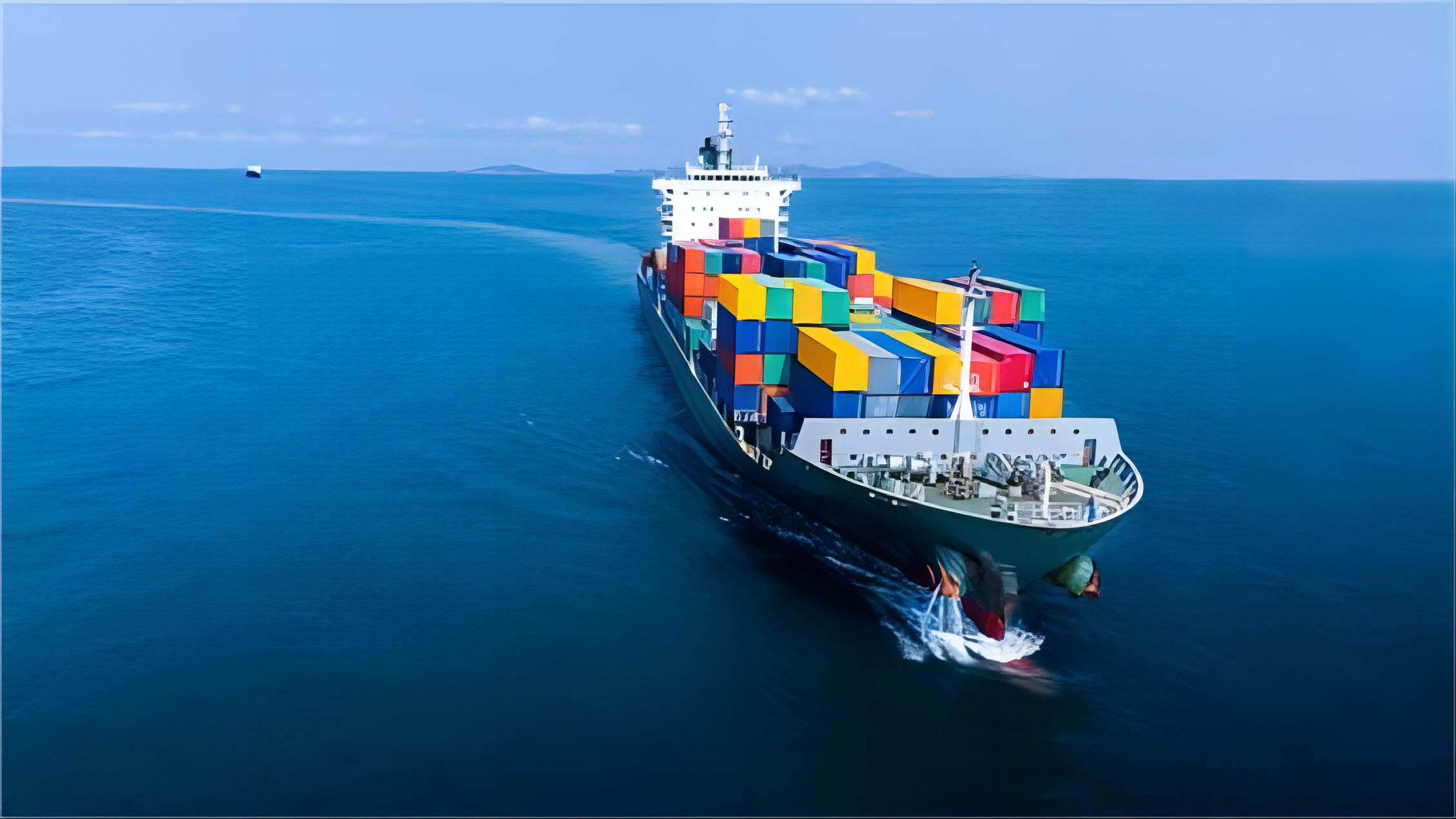
Understanding the 40HQ FCL freight rate for solar panels from China to Norway
Determining the exact 40HQ FCL freight rate for solar panels from China to Norway involves analyzing several dynamic market variables. Currently, the ocean freight market is experiencing shifts due to seasonal demand and global economic conditions.
Choosing sea freight remains the most cost-effective method for transporting high volumes of solar modules across long distances. Consequently, most importers prefer the 40ft High Cube container because it offers the best volume-to-price ratio.
Freight rates typically include the base ocean rate plus various surcharges such as fuel adjustment factors and peak season fees. Therefore, staying updated on weekly rate fluctuations is vital for accurate budgeting in the renewable energy sector.
Market data suggests that rates for this specific route have stabilized in early 2025 compared to the volatility seen in previous years. However, geopolitical events and port congestion can still cause sudden price spikes without much warning.
Key Factors Influencing Your Shipping Costs
Several elements dictate the final price you pay for shipping solar panels to Europe and specifically to Norwegian ports. Fuel costs, often referred to as the Bunker Adjustment Factor, represent a significant portion of the total expense.
Port of loading choice also plays a major role in determining the overall 40HQ FCL freight rate for solar panels from China to Norway. For instance, shipping from major hubs like Shanghai or Ningbo often provides more competitive rates due to higher carrier frequency.
Seasonal trends are another critical factor that importers must consider when planning their procurement schedules. Specifically, the months leading up to the Chinese New Year often see a surge in demand and a corresponding rise in freight costs.
Container availability at the origin port can influence pricing just as much as the actual demand for space on the vessel. Additionally, the specific weight of your solar panel pallets might affect the choice of container and the associated handling fees.
| Cost Component | Estimated Range (USD) | Frequency | Notes |
|---|---|---|---|
| Ocean Freight | $3,000 – $4,200 | Per Container | Base rate for 40HQ |
| Bunker Surcharge | $400 – $700 | Per Container | Fluctuates with oil |
| THC (Origin) | $150 – $250 | Per Shipment | Terminal handling |
| Documentation | $50 – $100 | Per Bill | Fixed admin fee |
How Does Sea Freight Compare to Other Shipping Options?
Comparing sea freight to alternative methods is essential for optimizing your supply chain based on speed and budget requirements. While ocean transport is the standard for solar panels, other routes exist for urgent or specialized needs.
Utilizing rail freight can offer a middle ground between the slow sea route and the expensive air route. This method is increasingly popular for shipments destined for inland European locations, though Norway often requires a sea-leg connection.
Air freight remains the fastest option but is generally cost-prohibitive for bulky items like solar panels. Furthermore, the carbon footprint of air transport may conflict with the green initiatives of solar energy companies.
Hybrid solutions, such as sea-rail combinations, provide a balance of cost and transit time for certain logistics scenarios. Nevertheless, for a full 40HQ container, direct sea transport usually offers the most predictable and lowest landed cost.
| Shipping Method | Cost Range (40HQ) | Transit Time | Best For |
|---|---|---|---|
| Sea Freight (FCL) | $3,000 – $4,500 | 35-45 Days | Bulk solar panels |
| Rail Freight | $5,500 – $7,500 | 20-28 Days | Mid-range urgency |
| Air Freight | $25,000+ | 5-8 Days | Urgent spare parts |
| LCL Sea Freight | $80 – $150/CBM | 40-50 Days | Small test orders |

Transit Times and Major Routes to Norway
Understanding the timeline for the 40HQ FCL freight rate for solar panels from China to Norway is vital for project management. Most vessels depart from East China ports and travel through the Suez Canal before heading north toward Scandinavia.
Direct services to Oslo or Drammen are less common than transshipment routes through major European hubs like Rotterdam or Hamburg. Consequently, the total transit time often includes a few days for reloading onto smaller feeder vessels.
Weather conditions in the North Sea during winter months can occasionally lead to minor delays in the delivery schedule. Therefore, adding a buffer of five to seven days to your planning is a wise strategy for installers.
Typical transit times from Shanghai to Oslo range between 35 and 42 days, depending on the carrier and the number of stops. Meanwhile, shipments from Southern China ports like Shenzhen might take slightly longer due to the additional sailing distance.
Customs Clearance and Essential Documentation
Navigating the Norwegian customs environment requires a professional customs brokerage service to avoid costly delays. Norway is not a member of the EU but is part of the EEA, which influences its import regulations.
Solar panels must be accompanied by a commercial invoice, a detailed packing list, and a bill of lading. Additionally, a certificate of origin is often required to verify the manufacturing source and determine applicable duties.
Importing renewable energy equipment into Norway usually benefits from specific tax incentives or reduced VAT procedures. However, failing to provide the correct HS codes can result in fines or the seizure of the entire container.
Documentation accuracy is the most critical factor in ensuring a smooth transition from the port to the final installation site. Indeed, many importers choose door to door services to have all paperwork managed by a single logistics partner.
Case Study: Shipping Solar Panels from Shanghai to Oslo
Case Study 1: Efficient Large-Scale Solar Project
Route: Shanghai, China to Oslo, Norway
Cargo: Monocrystalline Solar Panels, 68 CBM, 19,500 kg
Container: 40HQ FCL
Shipping Details:
– Carrier: Maersk
– Port of Loading: Shanghai
– Port of Discharge: Oslo
– Route Type: Transshipment via Bremerhaven
Cost Breakdown:
– Ocean Freight: $3,350
– Origin Charges: $210
– Destination Charges: $320
– Customs & Duties: $0 (Green energy exemption applied)
– Total Landed Cost: $3,880
Timeline:
– Booking to Loading: 4 days
– Sea Transit: 38 days
– Customs Clearance: 2 days
– Total Door-to-Door: 44 days
Key Insight: Early booking and utilizing a major carrier ensured space during the Q3 peak season.

Case Study: High Volume Logistics from Shenzhen to Drammen
Case Study 2: Fast-Track Residential Installation
Route: Shenzhen, China to Drammen, Norway
Cargo: Solar Inverters and Panels, 72 CBM, 21,000 kg
Container: 40HQ FCL
Shipping Details:
– Carrier: COSCO
– Port of Loading: Shenzhen Yantian
– Port of Discharge: Drammen
– Route Type: Transshipment via Rotterdam
Cost Breakdown:
– Ocean Freight: $3,580
– Origin Charges: $240
– Destination Charges: $350
– Customs & Duties: $150 (Administrative fees)
– Total Landed Cost: $4,320
Timeline:
– Booking to Loading: 6 days
– Sea Transit: 41 days
– Customs Clearance: 3 days
– Total Door-to-Door: 50 days
Key Insight: Using a feeder service from Rotterdam allowed for delivery closer to the final site, reducing inland trucking costs.
Strategies for Reducing Your Freight Costs
Reducing the 40HQ FCL freight rate for solar panels from China to Norway is possible through strategic planning and volume consolidation. One effective method is to negotiate annual contracts with freight forwarders if you have consistent shipping volumes.
Optimizing the pallet layout within the 40HQ container ensures that you are utilizing every cubic meter of available space. Furthermore, choosing to ship during the off-peak season can save you hundreds of dollars per container.
Comparing quotes from multiple carriers allows you to identify the most competitive rates for your specific timeframe. Moreover, implementing a flexible delivery schedule can help you avoid the high costs associated with urgent shipments.
Note: Freight rates are subject to change based on fuel costs, carrier capacity, and seasonal demand. Contact us for a current quote tailored to your specific shipment.
Final Thoughts on Shipping Solar Panels to Norway
To summarize, obtaining a favorable 40HQ FCL freight rate for solar panels from China to Norway requires a deep understanding of the maritime market and local regulations. While sea freight remains the most economical choice, factors like port selection and seasonal timing significantly impact the final cost.
Partnering with an experienced freight forwarder helps mitigate risks associated with customs and transit delays. By following the strategies outlined in this guide, you can optimize your logistics budget and support Norway’s transition to clean energy efficiently.
Ready to streamline your logistics?
Securing a competitive 40HQ FCL freight rate for solar panels from China to Norway is the first step toward a successful renewable energy project. Our team provides transparent pricing and expert logistics management to ensure your cargo arrives safely and on time. Visit: https://Top China Freight.com/ to request a personalized quote today and streamline your international supply chain. Send Inquiry: https://Top China Freight.com/
Request Quote