

Reefer FCL Demurrage Prevention for Auto Parts from China to USA
Shipping temperature-sensitive automotive components requires a high level of logistical precision to avoid mounting port expenses. Managing your supply chain with Top China Freight ensures that your cargo moves through complex international corridors without unnecessary delays. This comprehensive guide focuses on reefer FCL demurrage prevention for auto parts from China to USA to help you protect your profit margins and maintain a reliable delivery schedule. By understanding the nuances of refrigerated transport, you can successfully navigate the challenges of trans-pacific trade.
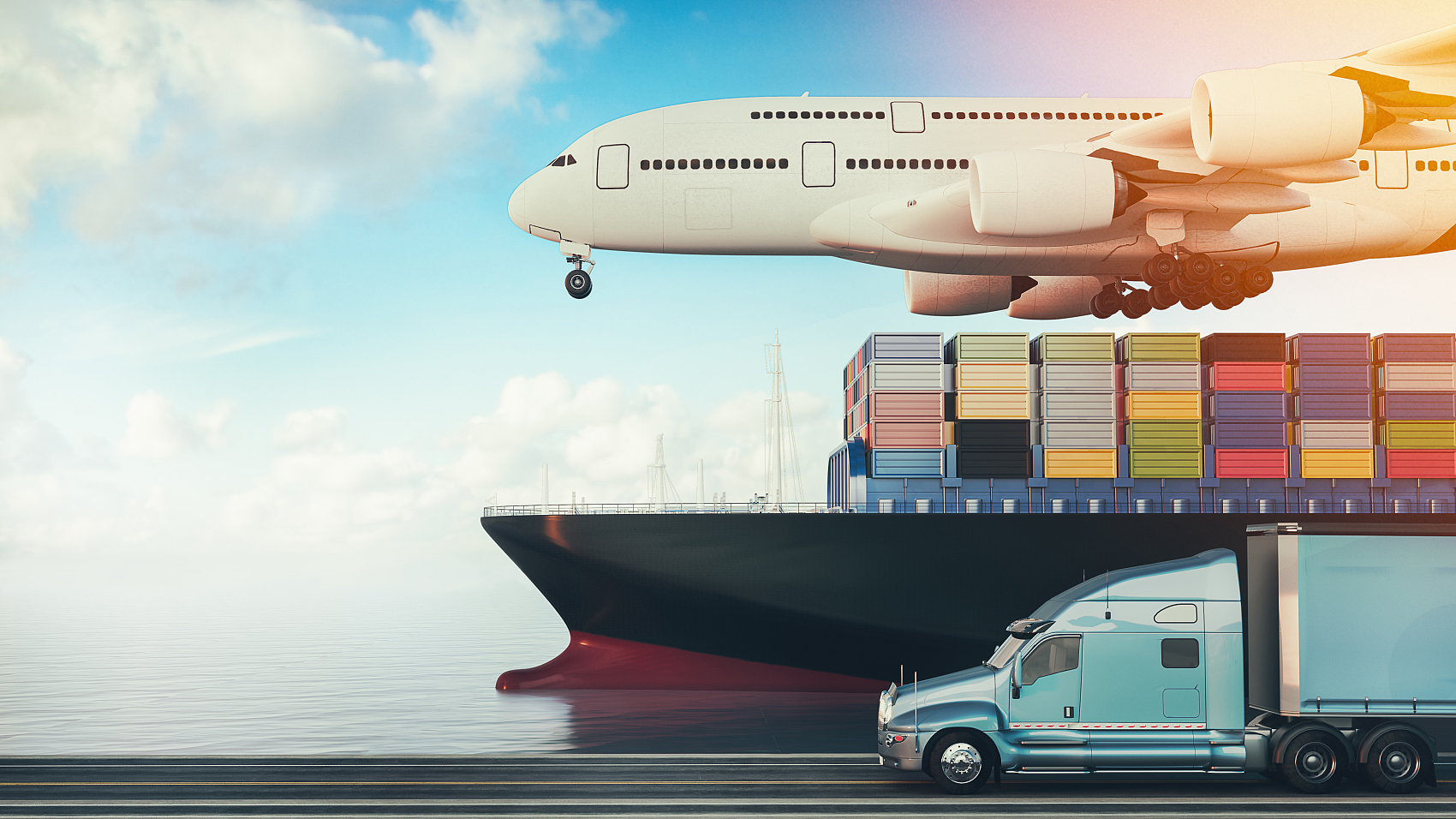
The High Cost of Delays in Refrigerated Shipping
Reefer containers are sophisticated units that require constant power and monitoring to maintain specific temperatures for automotive gaskets, adhesives, and electronic sensors. Consequently, the daily rates for demurrage on these units are significantly higher than those for standard dry containers.
Demurrage fees typically begin the moment a container is unloaded from the vessel and remains at the terminal beyond the allotted free time. For refrigerated units, these charges can range from 300 to 500 USD per day depending on the port and carrier policies.
Moreover, because these units occupy specialized slots with electrical hookups, terminals are eager to move them out quickly. This pressure often results in shorter free-time windows for reefer FCL shipments compared to dry cargo.
Therefore, implementing a robust strategy for reefer FCL demurrage prevention for auto parts from China to USA is not just a preference but a financial necessity. Failure to act quickly can lead to thousands of dollars in unexpected costs that erode your bottom line.
Why Reefer FCL Demurrage Prevention for Auto Parts from China to USA is Critical
Automotive supply chains operate on a just-in-time model where even a minor delay can halt production lines. Specifically, shipping to North America involves navigating some of the busiest ports in the world, such as Los Angeles and Long Beach.
Port congestion frequently causes bottlenecks that prevent truckers from picking up containers within the free-time period. If your auto parts are stuck behind hundreds of other containers, the demurrage clock continues to tick regardless of the cause.
Additionally, the specialized nature of reefer equipment means that chassis availability is often limited. Without a proper refrigerated-compatible chassis, your container will remain at the terminal, incurring heavy daily penalties.
Effective planning ensures that all resources are aligned before the vessel even berths at the destination port. This proactive approach is the cornerstone of successful refrigerated logistics in the modern era.
Identifying Common Bottlenecks in Trans-Pacific Cold Chain Logistics
Customs clearance issues represent one of the most frequent causes of extended dwell times at the port. Incomplete paperwork or incorrect HS codes for specialized auto parts can trigger intensive examinations by US Customs and Border Protection.
Furthermore, communication gaps between the shipper in China and the consignee in the USA often lead to delays in documentation release. If the original Bill of Lading is not surrendered in time, the carrier will not release the container for pickup.
Labor shortages at major US terminals can also slow down the movement of refrigerated units from the vessel to the stack. Meanwhile, seasonal surges in shipping volume during the late Q3 and Q4 periods exacerbate these existing infrastructure challenges.
To illustrate, a simple clerical error on a commercial invoice can result in a five-day delay. In the world of reefer shipping, that single mistake could cost your company over 2,000 USD in demurrage fees alone.
How Does Reefer FCL Compare to Other Shipping Options?
Selecting the right transport mode requires a careful balance between cost, speed, and the specific requirements of your automotive components. While sea freight remains the most common choice for high-volume shipments, other alternatives exist for specific scenarios.
Air freight provides the fastest transit times but comes at a premium price that is often ten times higher than ocean transport. However, for urgent recalls or critical production parts, the cost of air freight may be lower than the cost of a factory shutdown.
In contrast, LCL shipping is rarely used for temperature-controlled auto parts due to the risk of cross-contamination and inconsistent temperature maintenance. Most shippers prefer the security and dedicated environment of a full container load.
The following table provides a detailed comparison of the various shipping methods available for moving auto parts from China to the USA.
| Shipping Method | Cost Range | Transit Time | Best For |
|---|---|---|---|
| Reefer FCL | $3,500 – $6,500 | 15-35 Days | Large volume sensitive parts |
| Air Freight | $15,000 – $35,000 | 3-7 Days | Urgent sensors and prototypes |
| Dry FCL | $2,500 – $4,500 | 15-35 Days | Non-sensitive metal components |
| LCL Shipping | $100 – $300/CBM | 20-40 Days | Small, non-sensitive bulk items |
Proven Strategies for Reducing Port Dwell Time
Arranging for door to door service is one of the most effective ways to streamline the entire process. This comprehensive service model places the responsibility of coordination on a single provider, reducing the chance of communication breakdowns.
Negotiating for extended free time at the destination is another critical tactic for reefer FCL demurrage prevention for auto parts from China to USA. Many carriers are willing to offer 7 to 14 days of free time if you have consistent shipping volumes or a strong relationship with your forwarder.
Additionally, utilizing a “pre-pull” service can save significant amounts of money. This involves having a drayage provider pick up the container from the terminal and store it at a private yard where storage fees are much lower than port demurrage.
Specifically, you should ensure that your trucking partner has a steady supply of tri-axle or reefer-ready chassis. Having the equipment ready before the ship arrives allows for immediate pickup the moment the container is discharged.
Documentation Requirements for Smooth Customs Clearance
Partnering with an experienced customs brokerage firm ensures that all legal requirements are met well before the cargo arrives. For auto parts, you must provide detailed descriptions, accurate HS codes, and proof of compliance with US safety standards.
Submitting the Importer Security Filing (ISF) at least 24 hours before the vessel departs from China is a mandatory requirement. Failure to do so can result in heavy fines and mandatory cargo holds upon arrival in the USA.
Furthermore, you must ensure that the packing list clearly identifies which items require temperature control. This clarity helps customs officials prioritize their inspections and reduces the risk of the container being left unplugged during a search.
Indeed, digital documentation platforms have made it easier to share files instantly across time zones. Using these tools prevents the physical loss of paperwork and ensures that all parties have access to the latest information.
| Document Name | Purpose | Timeline | Responsible Party |
|---|---|---|---|
| ISF (10+2) | Security screening | 24h before sailing | Importer/Broker |
| Bill of Lading | Title of goods | At time of sailing | Carrier/Forwarder |
| Commercial Invoice | Valuation for duties | Before arrival | Exporter |
| Packing List | Cargo verification | Before arrival | Exporter |
Case Studies: Successful Reefer Logistics from China to USA
Practical examples illustrate how strategic planning can overcome common hurdles in the trans-pacific shipping route. These cases reflect real-world scenarios handled by logistics professionals in the current market environment.
Case Study 1: Temperature-Sensitive Gaskets Route: Ningbo, China to Los Angeles, USA Cargo: Rubber gaskets, 22 CBM, 8,000 kg Container: 40HQ Reefer Shipping Details: – Carrier: Major Trans-Pacific Carrier – Port of Loading: Ningbo – Port of Discharge: Los Angeles – Route Type: Direct Cost Breakdown: – Ocean Freight: $3,800 – Origin Charges: $450 – Destination Charges: $700 – Customs & Duties: $1,400 – Total Landed Cost: $6,350 Timeline: – Booking to Loading: 4 days – Sea Transit: 16 days – Customs Clearance: 2 days – Total Door-to-Door: 22 days Key Insight: Pre-arranging a dedicated chassis allowed for pickup within 24 hours of discharge.
Case Study 2: Electronic Control Units Route: Shenzhen, China to Savannah, USA Cargo: Automotive ECUs, 18 CBM, 5,500 kg Container: 20GP Reefer Shipping Details: – Carrier: Global Logistics Partner – Port of Loading: Shenzhen – Port of Discharge: Savannah – Route Type: Transshipment via Busan Cost Breakdown: – Ocean Freight: $4,200 – Origin Charges: $350 – Destination Charges: $850 – Customs & Duties: $2,100 – Total Landed Cost: $7,500 Timeline: – Booking to Loading: 6 days – Sea Transit: 32 days – Customs Clearance: 3 days – Total Door-to-Door: 41 days Key Insight: Negotiating 10 days of free time prevented $1,500 in demurrage during a port labor dispute.
Market Trends and 2025 Freight Rate Forecasts
As of early 2025, freight rates from China to the USA have stabilized following the volatility seen in previous years. However, environmental regulations are forcing carriers to invest in cleaner reefer technology, which may lead to slight increases in base rates.
Market data suggests that capacity on the China to US West Coast route remains strong, though East Coast routes are seeing more fluctuations. Shippers should expect a 15-20% increase in rates during the peak season between August and October.
Additionally, the integration of IoT sensors in reefer containers is becoming a standard industry trend. These devices provide real-time data on temperature and location, allowing for better reefer FCL demurrage prevention for auto parts from China to USA through enhanced visibility.
Note: Freight rates are subject to change based on fuel costs, carrier capacity, and seasonal demand. Contact us for a current quote tailored to your specific shipment.
Decision Framework: Which Option Should You Choose?
Determining the best shipping strategy depends on your specific priorities regarding budget, speed, and cargo sensitivity. If your primary goal is cost-saving and you have a flexible timeline, sea freight with extended free time is the optimal choice.
For urgent shipments where speed is the priority, air freight is the only viable solution despite the higher costs. This is particularly true for high-value electronic components that cannot risk long transit times.
When dealing with large volumes of temperature-sensitive parts, FCL is always preferable to LCL to ensure a controlled environment. However, for non-sensitive metal parts, standard dry containers offer a much more economical alternative.
Ultimately, the best approach often involves a hybrid strategy where critical components are sent via air while the bulk of the inventory moves via sea freight. This ensures production continuity while keeping overall logistics costs manageable.
Mastering Your Refrigerated Logistics
Successfully managing reefer FCL demurrage prevention for auto parts from China to USA requires a combination of early planning, accurate documentation, and strong partner relationships. By focusing on these core areas, you can significantly reduce the risk of unexpected expenses and ensure your components arrive in perfect condition.
Logistics is a dynamic field, but a proactive stance on demurrage and detention will always yield better financial results. Whether you are shipping sensors or seals, the principles of efficiency and clear communication remain the same for every successful trans-pacific voyage.
Ready to streamline your logistics?
Ready to optimize your automotive supply chain and eliminate expensive port fees? Contact us today to implement a professional strategy for reefer FCL demurrage prevention for auto parts from China to USA.
Request Quote