

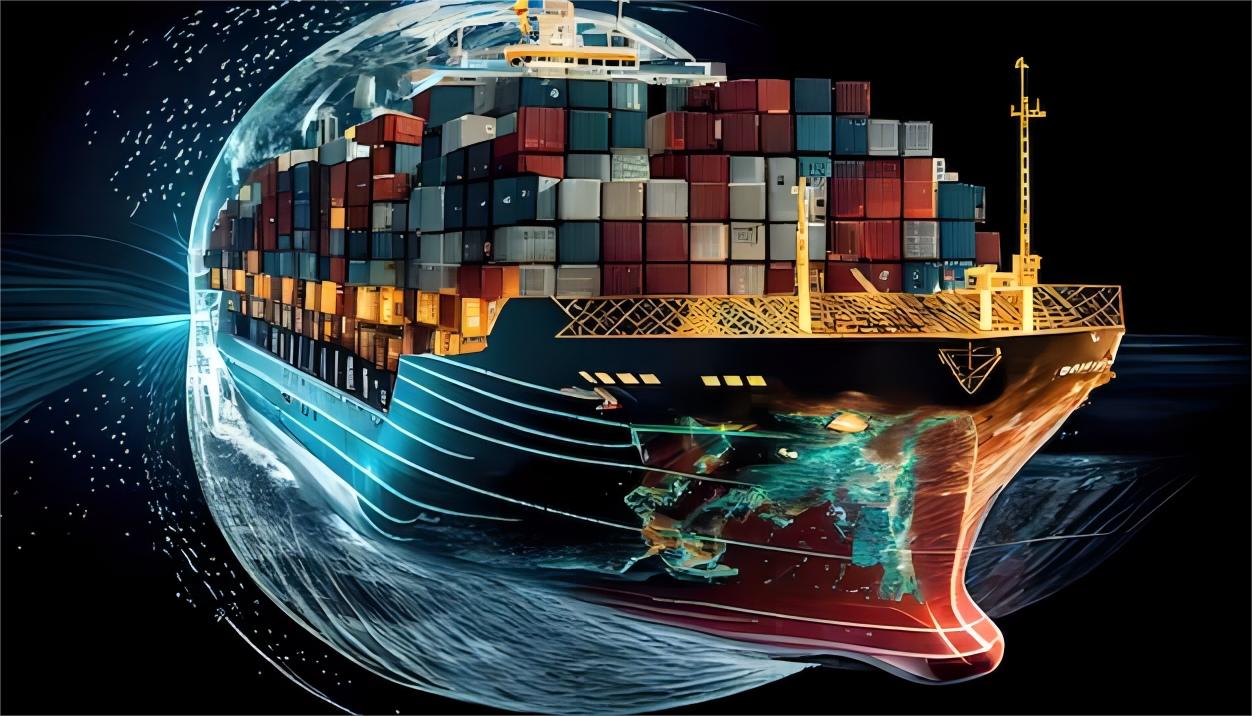
40HQ FCL Sailing Schedule for Electronics from China to Miami
Securing a reliable 40HQ FCL sailing schedule for electronics from China to Miami is essential for maintaining a healthy supply chain. High-value tech goods require precise timing and secure handling to meet market demands in Florida and beyond. By partnering with Top China Freight, importers can navigate the complexities of trans-Pacific logistics with confidence and efficiency.
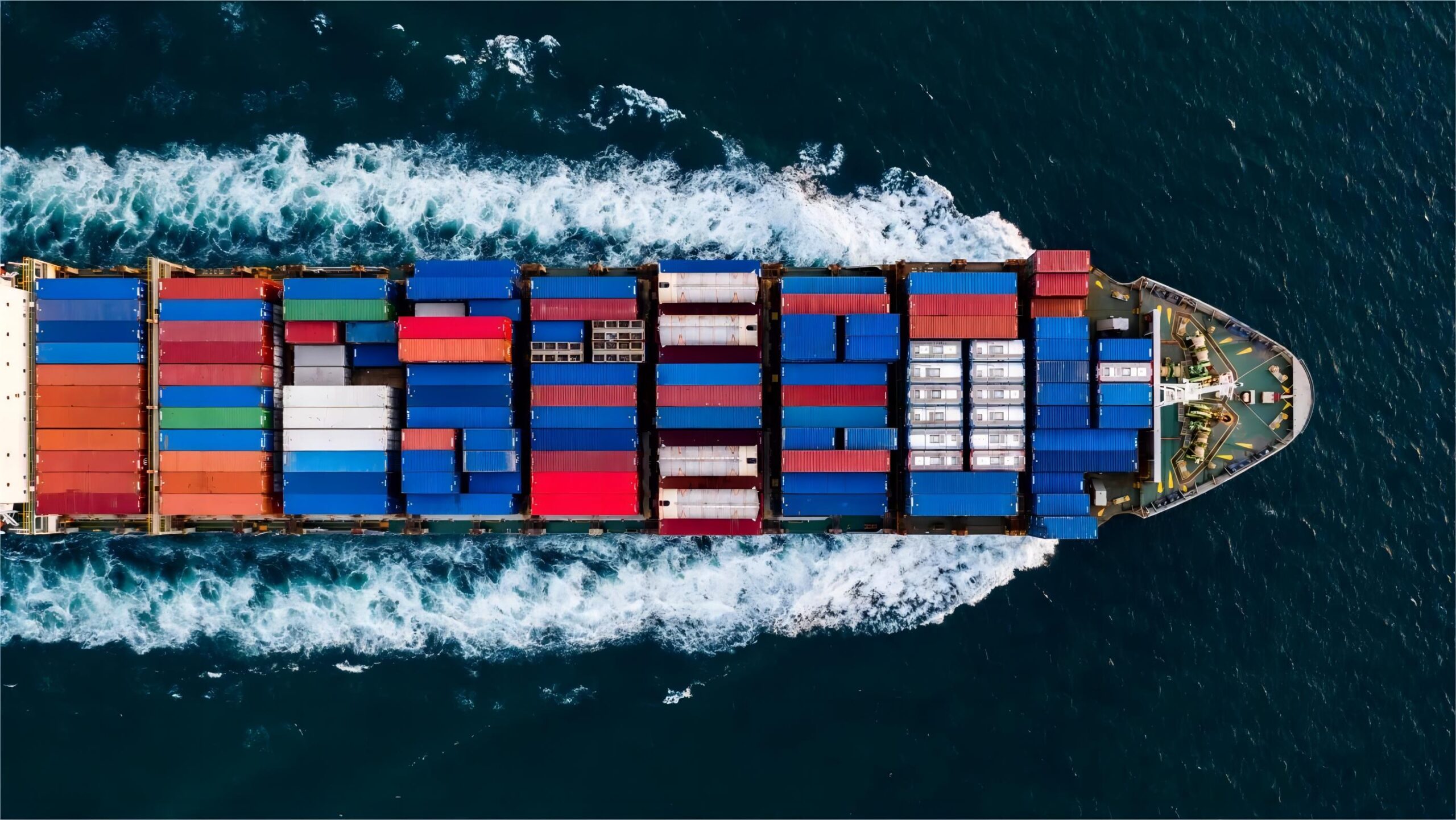
Understanding the 40HQ FCL Sailing Schedule for Electronics from China to Miami
Managing a 40HQ FCL sailing schedule for electronics from China to Miami requires a deep understanding of ocean carrier rotations. Most vessels departing from major Chinese hubs like Shenzhen or Ningbo follow specific weekly cycles that impact your delivery timeline. Consequently, missing a booking window can delay your electronics shipment by seven days or more.
Moreover, the route to Miami typically involves transit through the Panama Canal, which can be subject to seasonal congestion or water level restrictions. Therefore, shippers must monitor carrier updates closely to ensure their electronics arrive on schedule. Indeed, early planning is the most effective way to secure space during peak seasons.
Additionally, the type of electronic cargo you are moving influences which sailing schedule is most appropriate. For instance, lithium-ion battery shipments may require specific vessels equipped for hazardous material handling. As a result, not every scheduled departure will be suitable for every electronics order.
Why Choose 40HQ FCL for Shipping Electronics?
Opting for a 40HQ container provides significant volume advantages for lightweight but bulky electronic products. Since electronics often involve extensive packaging, the extra height of a High Cube container allows for better pallet stacking. Furthermore, utilizing sea freight in full container loads minimizes the risk of damage during handling.
In contrast to Less than Container Load (LCL) shipments, FCL ensures that your goods remain sealed from the factory to the destination. This security is vital for high-value items like smartphones, laptops, and consumer appliances. Consequently, many tech companies prefer FCL to maintain product integrity and reduce insurance premiums.
Nevertheless, the cost-effectiveness of a 40HQ container depends on your total cargo volume. If you can fill at least 70 percent of the container, the per-unit shipping cost drops significantly compared to other methods. Accordingly, consolidating orders from multiple suppliers into a single 40HQ FCL is a common strategy among experienced importers.
How Does 40HQ FCL Compare to Other Shipping Options?
When evaluating your logistics strategy, it is crucial to compare FCL against air and LCL alternatives. While air freight offers unmatched speed, the costs for large volumes of electronics can be prohibitive for most margins. On the other hand, LCL may be cheaper for small batches but increases the transit time due to consolidation processes.
To summarize the differences, we have provided a comparison table below. This data helps you decide which method aligns best with your budget and urgency requirements. Please note that these figures represent market averages for the China to Miami route in early 2025.
| Shipping Method | Cost Range | Transit Time | Best For |
|---|---|---|---|
| 40HQ FCL | $4,500 – $6,500 | 30 – 38 Days | High volume bulk orders |
| Air Freight | $12,000 – $25,000 | 5 – 9 Days | Urgent product launches |
| LCL Sea | $80 – $150/CBM | 35 – 45 Days | Small sample shipments |
| Express | $8 – $15/kg | 3 – 5 Days | Critical components |
Key China Ports and Their Sailing Frequency to Miami
The origin port in China significantly influences the 40HQ FCL sailing schedule for electronics from China to Miami. Shenzhen, as a global electronics hub, offers the most frequent departures and competitive rates for tech goods. Meanwhile, Shanghai and Ningbo provide robust alternatives for manufacturers located in the Yangtze River Delta.
Furthermore, choosing a port near your factory reduces inland trucking costs and potential delays. For example, if your supplier is in Dongguan, Yantian port in Shenzhen is the logical choice for your 40HQ container. Conversely, shipments from northern China might require transshipment through Busan or Hong Kong, adding days to the schedule.
Without a doubt, the efficiency of the Port of Miami as a discharge point is also a factor. As one of the fastest-growing ports on the US East Coast, Miami has invested heavily in infrastructure to handle large neo-Panamax vessels. Consequently, electronics importers benefit from modern terminal facilities and rapid gate-out times.

Navigating Customs and Compliance for Electronics
Importing electronics into the United States requires strict adherence to customs regulations and safety standards. You must ensure that all products comply with FCC regulations and carry the necessary certifications. Additionally, professional customs brokerage services are essential to avoid costly penalties or seizures at the border.
As a result of the complex nature of electronics, your documentation must be flawless. This includes the commercial invoice, packing list, and the Importer Security Filing (ISF). Furthermore, specific Harmonized Tariff Schedule (HTS) codes must be applied correctly to determine the accurate duty rates for your items.
In addition, many electronics contain lithium batteries, which are classified as dangerous goods. Therefore, you must provide a Material Safety Data Sheet (MSDS) and ensure the container is labeled correctly. Failure to comply with these safety protocols can lead to your shipment being held indefinitely by the carrier or US Customs.
Case Study 1: Large Scale Smart Home Device Rollout
Case Study: High-Volume Smart Home Electronics Deployment
Route: Shenzhen, China to Miami, USA
Cargo: Smart thermostats and sensors, 65 CBM, 12,500 kg
Container: 40HQ FCL
Shipping Details:
– Carrier: COSCO Shipping
– Port of Loading: Yantian
– Port of Discharge: PortMiami
– Route Type: Direct via Panama Canal
Cost Breakdown:
– Ocean Freight: $5,200
– Origin Charges: $450
– Destination Charges: $600
– Customs and Duties: $4,800
– Total Landed Cost: $11,050
Timeline:
– Booking to Loading: 5 days
– Sea Transit: 32 days
– Customs Clearance: 2 days
– Total Door-to-Door: 39 days
Key Insight: By booking three weeks in advance, the client secured a fixed rate before the Q4 peak season price hike.
Case Study 2: Urgent Component Replenishment
Case Study: Mid-Season Component Restock
Route: Ningbo, China to Miami, USA
Cargo: Computer motherboards and GPUs, 58 CBM, 9,800 kg
Container: 40HQ FCL
Shipping Details:
– Carrier: Maersk Line
– Port of Loading: Ningbo-Zhoushan
– Port of Discharge: PortMiami
– Route Type: Transshipment via Panama City
Cost Breakdown:
– Ocean Freight: $5,850
– Origin Charges: $500
– Destination Charges: $650
– Customs and Duties: $12,000 (Section 301 applicable)
– Total Landed Cost: $19,000
Timeline:
– Booking to Loading: 4 days
– Sea Transit: 36 days
– Customs Clearance: 3 days
– Total Door-to-Door: 43 days
Key Insight: Utilizing a door to door service allowed the client to focus on sales while logistics were managed end-to-end.
Transit Time Variations and Logistics Trends in 2025
Current market data suggests that transit times for the 40HQ FCL sailing schedule for electronics from China to Miami are stabilizing. However, global events and environmental factors continue to play a role in schedule reliability. For instance, drought conditions in the Panama Canal can lead to weight restrictions or longer waiting times for transit slots.
Moreover, the shift toward sustainable shipping is influencing logistics trends. Some carriers are introducing slow-steaming practices to reduce carbon emissions, which may add 2-3 days to the total sea transit. Nevertheless, these greener options often come with tax incentives or carbon credit benefits for large importers.
Indeed, digital tracking technology has become a standard requirement for electronics shipments. Shippers now expect real-time visibility into their container’s location and status. Consequently, choosing a freight forwarder that offers an integrated digital platform is essential for modern supply chain management.
Which Option Should You Choose for Your Electronics?
Deciding on the right shipping strategy requires a balance between cost, speed, and safety. If your priority is budget and you have high volume, the 40HQ FCL sailing schedule for electronics from China to Miami is the most efficient choice. This is especially true for established product lines with predictable demand patterns.
On the other hand, if you are launching a new product and need to test the market, LCL or air freight might be more suitable initially. For high-value electronics where speed to market is critical, a hybrid approach using North America regional warehousing can be effective. In this scenario, you ship bulk via FCL to a warehouse and distribute locally.
To summarize, consider your inventory carrying costs against the shipping rates. While sea freight is cheaper, the longer transit time ties up capital in transit. Therefore, calculate your total landed cost carefully before committing to a specific sailing schedule.
Mastering Your Electronics Logistics from China to Miami
In conclusion, finding the ideal 40HQ FCL sailing schedule for electronics from China to Miami is a multifaceted process involving port selection, carrier reliability, and customs compliance. By understanding the transit times and cost structures, you can make informed decisions that protect your margins and ensure timely delivery.
Furthermore, leveraging professional logistics support allows you to navigate the complexities of international trade with ease. Whether you are shipping consumer gadgets or industrial components, a well-planned FCL strategy is the backbone of a successful import operation. Stay proactive, monitor market trends, and choose the schedule that best supports your long-term growth.
Ready to streamline your logistics?
Ready to optimize your supply chain? Contact us today to secure the most competitive 40HQ FCL sailing schedule for electronics from China to Miami and receive a custom quote tailored to your business needs.
Request Quote