

Shipping Rates from China to Brazil: 2026 Logistics Guide
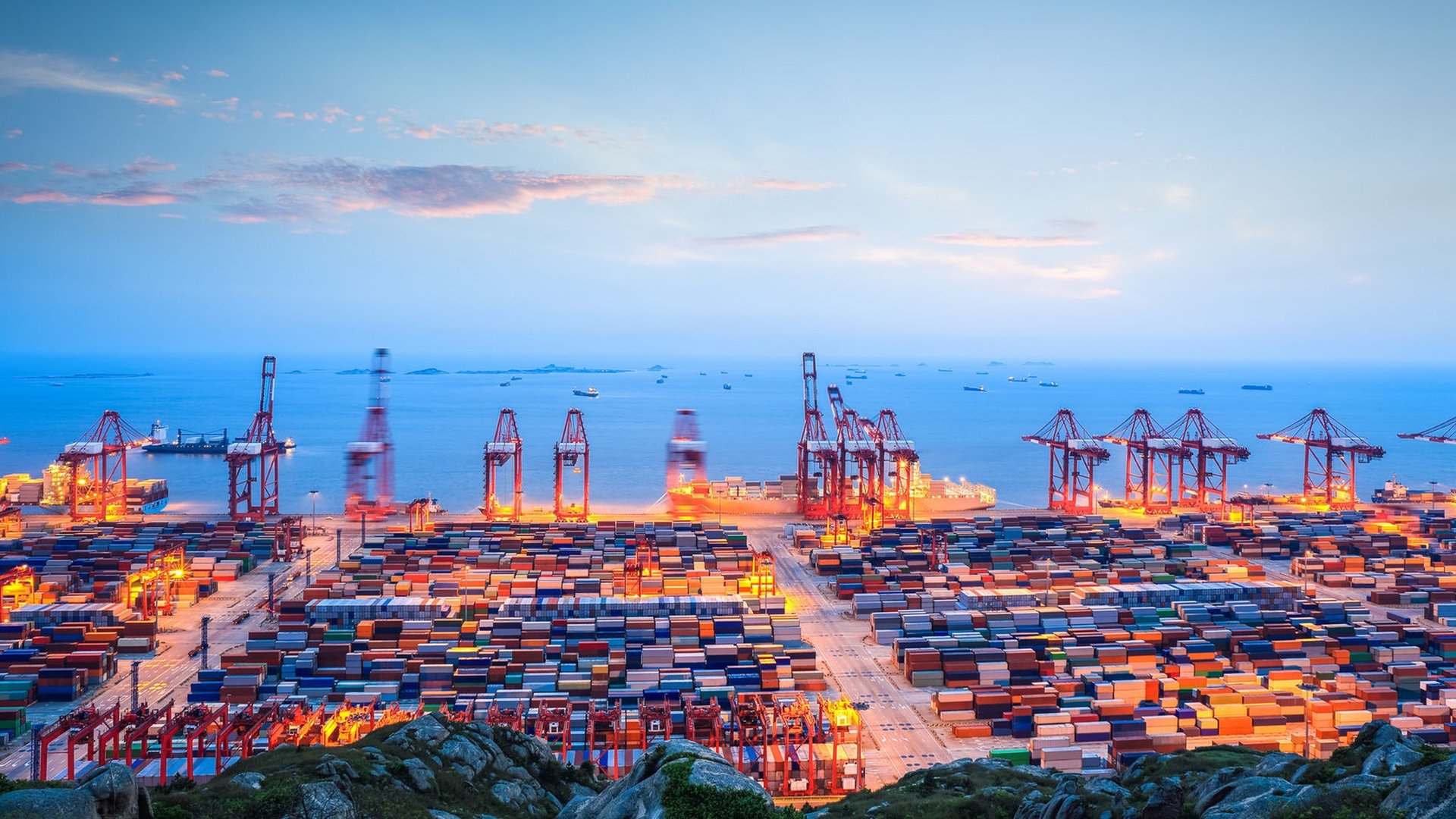
Navigating the complexities of international trade requires a clear understanding of shipping rates from china to brazil to maintain a healthy profit margin. As global trade routes evolve in 2026, businesses must adapt to shifting logistics costs and evolving regulatory requirements in the South American market. Working with a reliable partner like Top China Freight ensures your cargo moves efficiently through the most cost-effective channels available today. This comprehensive guide explores the various factors influencing freight pricing while providing actionable strategies to optimize your supply chain operations.
Understanding Shipping Rates from China to Brazil in 2026
Current market conditions in 2026 show that shipping rates from china to brazil are influenced by fuel surcharges, port congestion levels, and seasonal demand spikes. Furthermore, the distance between these two economic powerhouses means that logistics costs often represent a significant portion of the total landed cost of goods. Importers must carefully monitor these fluctuations to ensure their pricing remains competitive in the local Brazilian market.
Specifically, the South Atlantic route remains one of the most dynamic paths for global trade involving electronics, machinery, and consumer goods. Consequently, rates can vary significantly between the first and fourth quarters due to peak season preparations for major retail events. Therefore, planning your shipments at least six to eight weeks in advance is essential for securing the best possible pricing from major carriers.
Moreover, the Brazilian customs environment remains one of the most complex in the world, requiring precise documentation to avoid costly delays. Indeed, any error in the Bill of Lading or Commercial Invoice can lead to steep fines that effectively increase your overall shipping expenditure. By understanding the underlying components of freight quotes, you can better negotiate terms and select the most appropriate transport mode for your specific needs.
How Does Sea Freight Compare to Other Shipping Options?
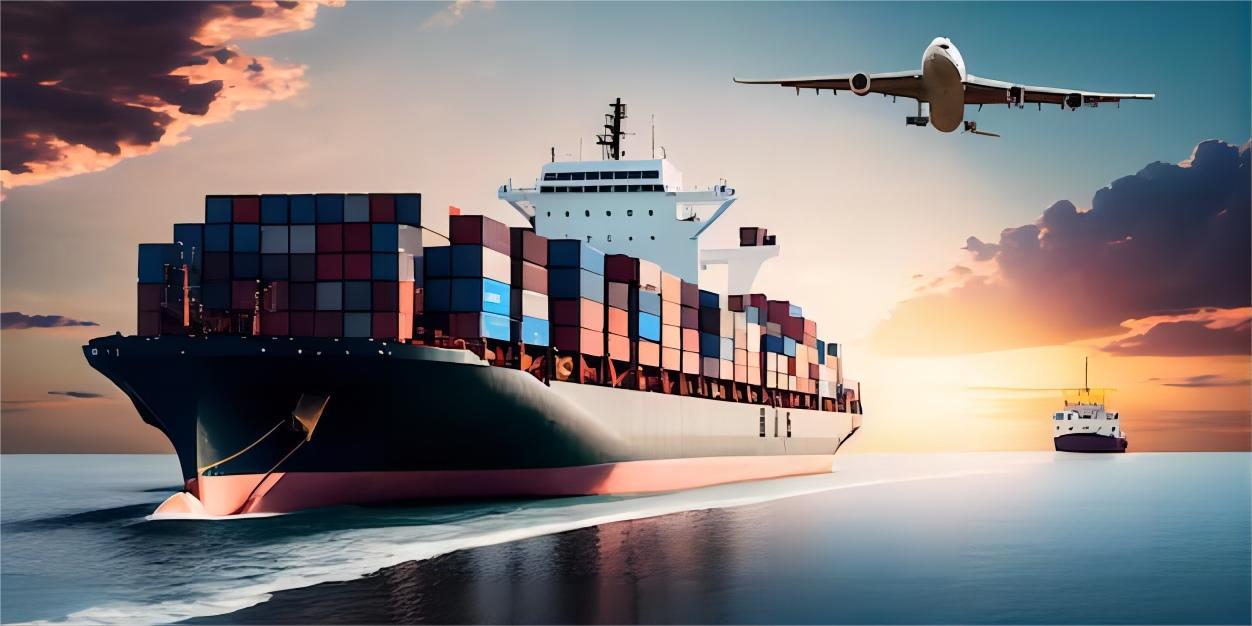
When evaluating sea freight as your primary transport method, you must weigh the lower costs against the longer transit times. For most bulk commodities and large volume orders, ocean transport remains the most economical solution for the China-Brazil route. However, the choice between Full Container Load (FCL) and Less than Container Load (LCL) depends heavily on your specific cargo volume and budget constraints.
In contrast, air freight offers unmatched speed but comes at a premium price point that may not suit low-margin products. Additionally, express services provide door-to-door convenience for urgent samples or high-value electronics that cannot wait for the lengthy ocean voyage. Understanding these trade-offs is critical for developing a balanced logistics strategy that meets both customer expectations and financial targets.
To clarify the differences, we have provided a detailed comparison of the primary shipping methods used for this route in the table below. This analysis focuses on typical 2026 market rates and transit expectations for shipments originating from major Chinese ports like Shanghai or Ningbo.
| Shipping Method | Cost Range (USD) | Transit Time | Best For |
|---|---|---|---|
| Sea Freight (FCL) | $3,200 – $5,500 | 35 – 45 Days | Bulk goods and large volumes |
| Sea Freight (LCL) | $120 – $250 per CBM | 40 – 50 Days | Small to medium shipments |
| Air Freight | $6.50 – $12.00 per kg | 5 – 10 Days | High-value or urgent cargo |
| Express Service | $15.00 – $25.00 per kg | 3 – 6 Days | Samples and small parcels |

Which Option Should You Choose?
Deciding on the right shipping method requires a thorough analysis of your shipment’s urgency and physical characteristics. If your priority is minimizing shipping rates from china to brazil, then sea freight is almost always the superior choice for shipments exceeding 2 CBM in volume. Nevertheless, you must account for the inventory carrying costs associated with the 40-day transit time.
On the other hand, if you are launching a new product or replenishing low stock levels, the speed of air freight might justify the higher expense. For example, electronics manufacturers often use air transport to get the latest models to the Brazilian market before their competitors. Consequently, the increased shipping cost is offset by higher initial sales prices and market share gains.
We recommend a hybrid approach for many businesses operating in 2026. Specifically, you can ship the bulk of your inventory via ocean freight while sending a smaller ‘bridge’ shipment via air to ensure consistent availability. This strategy balances cost efficiency with supply chain resilience, protecting you against unforeseen delays in the maritime network.
Factors Influencing Shipping Rates from China to Brazil
Several external variables can cause shipping rates from china to brazil to fluctuate unexpectedly throughout the year. Notably, the price of low-sulfur fuel remains a primary driver of ocean freight surcharges in 2026. Furthermore, port labor negotiations and infrastructure projects in major Brazilian hubs like Santos can impact the speed and cost of cargo handling.
Additionally, the availability of empty containers in Chinese manufacturing hubs plays a significant role in determining FCL pricing. During periods of high export demand, container shortages can lead to premium ‘equipment guarantee’ fees that inflate your total quote. Therefore, maintaining strong relationships with freight forwarders can provide you with better access to equipment and space during peak seasons.
Currency fluctuations between the US Dollar, Chinese Yuan, and Brazilian Real also impact the final landed cost for importers. Since most international freight is quoted in USD, a weakening Real can make shipping significantly more expensive for Brazilian businesses. Accordingly, many savvy importers use hedging strategies or fixed-rate contracts to mitigate these financial risks over the long term.
| Container Type | Dimensions (L x W x H) | Max Payload | Typical 2026 Rate |
|---|---|---|---|
| 20ft GP | 5.9m x 2.35m x 2.39m | 28,000 kg | $3,200 – $3,800 |
| 40ft GP | 12.0m x 2.35m x 2.39m | 26,000 kg | $4,500 – $5,200 |
| 40ft HQ | 12.0m x 2.35m x 2.69m | 26,000 kg | $4,800 – $5,500 |
Real Case Studies: China to Brazil Logistics
Examining real-world scenarios helps importers visualize the actual costs and timelines involved in the 2026 trade environment. Below are two detailed case studies based on recent shipments managed for our clients. These examples illustrate the difference between large-scale industrial shipping and smaller commercial imports.
Case Study 1: Industrial Machinery from Shanghai to Santos. Route: Shanghai Port to Port of Santos. Cargo: CNC Machinery, 28 CBM, 12,000 kg. Container: 1 x 40GP. Shipping Details: Direct ocean service via major carrier. Ocean Freight: $4,950. Origin Charges: $450. Destination Charges: $850. Customs and Duties: $12,400. Total Landed Cost: $18,650. Timeline: Booking to loading 5 days, Sea transit 38 days, Customs clearance 7 days, Total 50 days. Key Insight: Early booking saved the client $600 compared to spot rates.
Case Study 2: Consumer Electronics from Shenzhen to Sao Paulo. Route: Shenzhen to GRU Airport. Cargo: Smartphone accessories, 1.5 CBM, 450 kg. Shipping Method: Air Freight. Cost Breakdown: Air Freight $3,825. Origin Charges: $200. Destination Charges: $400. Customs and Duties: $5,200. Total Landed Cost: $9,625. Timeline: Booking to loading 2 days, Air transit 3 days, Customs clearance 4 days, Total 9 days. Key Insight: Utilizing air freight allowed the client to meet a holiday sales deadline that sea freight would have missed.
Customs Clearance and Import Duties in Brazil
Professional customs brokerage is indispensable when shipping to Brazil due to the country’s rigorous inspection processes. Specifically, the Brazilian ‘Siscomex’ system requires detailed electronic declarations for every import, and errors can lead to the ‘Grey Channel’ inspection, which may delay goods for weeks. Moreover, you must understand the ‘Imposto de Importacao’ (II) and ‘IPI’ taxes that apply to your specific HS codes.
To ensure a smooth process, importers should verify that their Brazilian partners have a valid RADAR license. Without this authorization, goods cannot be cleared through customs and will likely be returned to China at the shipper’s expense. Furthermore, providing accurate technical descriptions of products is essential for correct tax classification and avoiding penalties from the Receita Federal.
Indeed, the complexity of Brazilian tax law means that the shipping rates from china to brazil are only one part of the financial equation. We recommend performing a full landed cost calculation before placing large orders to ensure the venture remains profitable. Consequently, many successful businesses hire local experts to audit their documentation before the vessel even leaves the Chinese port.
Optimizing Your Logistics with Door to Door Services
For many small and medium enterprises, door to door delivery offers the most convenient way to manage international trade. This service simplifies the process by combining ocean or air freight with local trucking and customs handling into a single per-kilo or per-CBM rate. As a result, you can focus on sales and marketing while your freight forwarder handles the operational minutiae.
In addition, door-to-door solutions provide better visibility into your supply chain through integrated tracking systems. You can monitor your cargo’s progress from a factory in Guangdong all the way to a warehouse in Curitiba. This transparency is vital for managing customer expectations and planning local distribution schedules effectively.
If you are shipping smaller volumes, express shipping might be the most efficient door-to-door option. While the unit cost is higher, the reduction in administrative overhead and faster transit time can provide a better return on investment for high-margin goods. Ultimately, the best choice depends on your business model and the specific needs of your Brazilian clientele.
Final Thoughts on Shipping to Brazil
To summarize, successfully managing shipping rates from china to brazil in 2026 involves more than just finding the lowest price. It requires a deep understanding of transport modes, customs regulations, and market trends that influence daily pricing. By selecting the right freight partner and planning ahead, you can navigate these challenges and build a resilient supply chain.
As the trade relationship between China and Brazil continues to grow, staying informed about logistics developments will remain a key competitive advantage. We encourage you to use the data and strategies provided in this guide to make informed decisions for your next shipment. Ultimately, the right logistics strategy will protect your margins and ensure your products reach the Brazilian market on time and within budget.
Need a tailored shipping solution?
Optimizing your shipping rates from china to brazil requires a combination of market expertise and strategic planning. Whether you need urgent air freight or cost-effective ocean containers, our team provides the reliable logistics support your business deserves. Visit Top China Freight today to request a customized quote and discover how we can streamline your South American trade operations. Visit: https://Top China Freight.com/