

40HQ FCL Shipping Cost for Electronics from China to Belgium: 2025 Guide
Navigating the complexities of international trade requires a clear understanding of logistics expenses. For businesses importing high-value goods, calculating the 40HQ FCL shipping cost for electronics from China to Belgium is a critical step in maintaining profitability. This guide explores the variables affecting rates, transit times, and the best practices for securing your supply chain. Whether you are a seasoned importer or new to the European market, understanding these costs is essential for success.

Understanding the 40HQ FCL Shipping Cost for Electronics from China to Belgium
Determining the exact 40HQ FCL shipping cost for electronics from China to Belgium involves looking at several shifting market factors. Currently, ocean freight rates for a 40-foot High Cube container typically range between $3,200 and $4,800 depending on the season and carrier availability.
Electronics represent a unique cargo category that demands high security and specific handling procedures. Consequently, freight forwarders often include surcharges for lithium batteries or sensitive components that require specialized monitoring during transit.
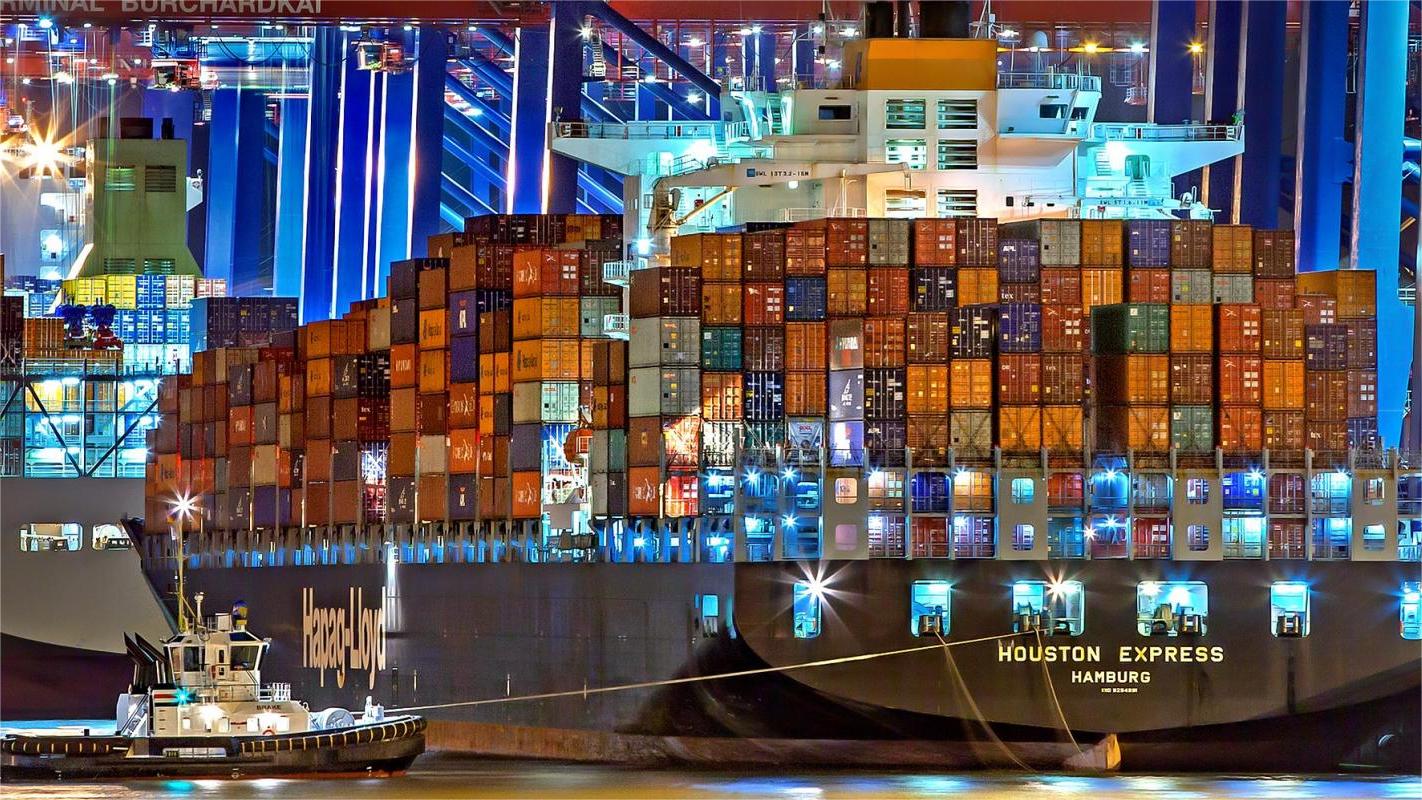
Belgium serves as a primary gateway for Western Europe, with the Port of Antwerp handling a significant portion of incoming Chinese electronics. Therefore, choosing sea freight remains the most cost-effective solution for large-scale shipments compared to air or rail alternatives.
Market conditions in early 2025 suggest that while rates have stabilized, fuel surcharges and port congestion can still cause weekly fluctuations. Importers should always request a comprehensive quote that includes all local charges at both origin and destination ports.
What Factors Influence Your Shipping Rates?
Several variables contribute to the final invoice you receive from your logistics provider. Fuel prices, officially known as the Bunker Adjustment Factor (BAF), remain one of the most volatile components of the shipping cost.
Seasonal demand plays a massive role in pricing, especially during the peak months leading up to the holiday season. Specifically, rates often spike between August and October as retailers stock up for Black Friday and Christmas sales.
Container availability at major Chinese hubs like Shenzhen, Ningbo, and Shanghai can also dictate the price. If there is a shortage of 40HQ units, carriers may increase rates or implement equipment imbalance surcharges.
Route selection is another critical factor, as direct shipments to Antwerp are generally more expensive than transshipment routes via Singapore or Colombo. However, direct routes offer better security for fragile electronics by reducing the number of times the container is handled.
How Does FCL Compare to Other Shipping Options?
Choosing the right shipping method depends on your budget, volume, and urgency. While FCL is ideal for large volumes, smaller shipments might benefit from LCL or air freight services.
Below is a comparison of the primary methods used to transport electronics from China to the Belgian market. This analysis helps you decide which strategy aligns best with your current supply chain requirements.
For shipments exceeding 15 cubic meters, 40HQ FCL usually offers the lowest cost per unit. On the other hand, if you are launching a new product and need it in Brussels within a week, air freight is the only viable option despite the higher cost.
| 40HQ FCL (Sea) | $3,200 – $4,800 | 32 – 42 Days | Bulk Electronics |
| Rail Freight | $4,500 – $6,500 | 18 – 25 Days | Mid-range Urgency |
| Air Freight | $18,000 – $28,000 | 5 – 9 Days | High-value / Urgent |
| LCL (Per CBM) | $90 – $160 | 35 – 45 Days | Small Inventories |

Transit Times and Route Analysis
Shipping from China to Belgium typically involves a long maritime journey through the South China Sea and the Suez Canal. Under normal circumstances, the sea transit time from Shanghai to Antwerp ranges from 30 to 35 days.
Total door-to-door time must also account for inland haulage, customs clearance, and port handling. Consequently, you should plan for a total timeline of 45 to 55 days when using door to door services from inland China.
Weather conditions and geopolitical events can occasionally disrupt these schedules, leading to delays at the Suez Canal or major European transshipment hubs. Therefore, maintaining a buffer in your inventory management is a wise strategy for any Belgian importer.
Customs and Documentation for Electronics in Belgium
Importing electronics into the European Union requires strict adherence to safety and environmental standards. You must ensure that all products carry the CE mark and comply with RoHS and REACH regulations to avoid seizure at the border.
Proper documentation is the backbone of a smooth import process. You will need a commercial invoice, a detailed packing list, a Bill of Lading, and a Certificate of Origin to satisfy Belgian customs authorities.
Utilizing a professional customs brokerage service can prevent costly delays and fines. These experts understand the specific HS codes for different electronic components and can help you minimize duty payments legally.
Belgium also requires specific declarations for products containing lithium batteries, which are classified as dangerous goods. Failure to declare these correctly can result in significant penalties and the rejection of your cargo by the carrier.
Alternative Shipping Strategies for Cost Savings
If the current 40HQ FCL shipping cost for electronics from China to Belgium is too high for your margins, consider alternative strategies. One popular method is using rail freight via the New Silk Road, which offers a balance between speed and cost.
Rail transit is roughly 15 days faster than sea freight and significantly cheaper than air transport. However, rail capacity is more limited, and it may not be suitable for very large volumes of heavy electronic equipment.
Another strategy is to ship via transshipment ports in Southern Europe, such as Piraeus or Valencia, and use rail or truck for the final leg to Belgium. This can sometimes bypass congestion in Northern European ports and offer competitive pricing during peak seasons.
Optimizing your packaging to fit more units into a single 40HQ container is a simple yet effective way to lower your landed cost per unit. Even a small increase in loading efficiency can save thousands of dollars over a year of high-volume shipping.
Real Case Studies: Shipping Electronics to Belgium
Reviewing real-world examples provides a clearer picture of what to expect during the shipping process. Below are two scenarios based on recent market data for shipments from China to Belgium.
Case Study 1: Smart Home Devices from Shenzhen to Antwerp. Cargo: 65 CBM of smart sensors and hubs. Container: 40HQ FCL. Carrier: COSCO. Port of Loading: Shenzhen. Port of Discharge: Antwerp. Ocean Freight: $3,650. Origin Charges: $450. Destination Charges: $580. Customs & Duties: $1,200. Total Landed Cost: $5,880. Sea Transit: 33 days. Total Door-to-Door: 46 days. Key Insight: Booking 3 weeks in advance secured a lower rate before a mid-month price hike.
Case Study 2: Industrial Computer Components from Shanghai to Zeebrugge. Cargo: 22,000 kg of motherboards and CPUs. Container: 40HQ FCL. Carrier: Maersk. Port of Loading: Shanghai. Port of Discharge: Zeebrugge. Ocean Freight: $4,100. Origin Charges: $520. Destination Charges: $610. Customs & Duties: $2,100. Total Landed Cost: $7,330. Sea Transit: 36 days. Total Door-to-Door: 50 days. Key Insight: Direct sailing to Zeebrugge avoided the heavier congestion reported in Antwerp during Q4 2024.
Note: Freight rates are subject to change based on fuel costs, carrier capacity, and seasonal demand. Contact us for a current quote tailored to your specific shipment.
Which Shipping Option Should You Choose?
Choosing between different modes of transport depends on your specific business priorities. If your primary goal is cost reduction and you have a steady supply chain, then shipping from China to Europe via 40HQ FCL is the gold standard.
Speed-oriented businesses should look toward air freight or rail freight for time-sensitive launches. While the cost is higher, the reduced transit time can help you capture market trends faster and reduce inventory holding costs.
Small businesses testing the Belgian market might find LCL (Less than Container Load) more appropriate initially. This allows you to ship smaller volumes without paying for the entire space of a 40HQ container until your demand grows.
Ultimately, a hybrid approach often works best for growing companies. You might ship your core inventory via sea freight while using air freight for urgent restocks or high-demand periods.
Final Thoughts on Shipping Electronics to Belgium
Managing the 40HQ FCL shipping cost for electronics from China to Belgium requires a proactive approach and a reliable logistics partner. By understanding the factors that influence freight rates and choosing the right shipping method, you can significantly enhance your bottom line.
Remember to stay informed about the latest customs regulations in Belgium and the European Union to ensure smooth clearance. With the right planning and execution, your electronics business can thrive in the competitive European market.
Whether you choose sea, rail, or air, the key is to maintain flexibility and transparency throughout the shipping process.
Ready to streamline your logistics?
Are you looking to optimize your logistics and reduce your 40HQ FCL shipping cost for electronics from China to Belgium? Our team provides tailored solutions to ensure your high-value cargo arrives safely and on time. Contact Top China Freight today for a customized quote and expert guidance on your next shipment.
Request Quote