


40HQ FCL Shipping Cost for Electronics From China to Europe: 2025 Guide
Calculating the 40HQ FCL shipping cost for electronics from China to Europe requires a deep understanding of current market dynamics and specific cargo requirements. Businesses must navigate fluctuating freight rates while ensuring their sensitive high-tech goods remain safe during transit. Partnering with a reliable provider like Top China Freight allows you to streamline this complex process and secure competitive pricing for your supply chain needs. This comprehensive guide explores every factor influencing your shipping budget and provides actionable insights for European importers.
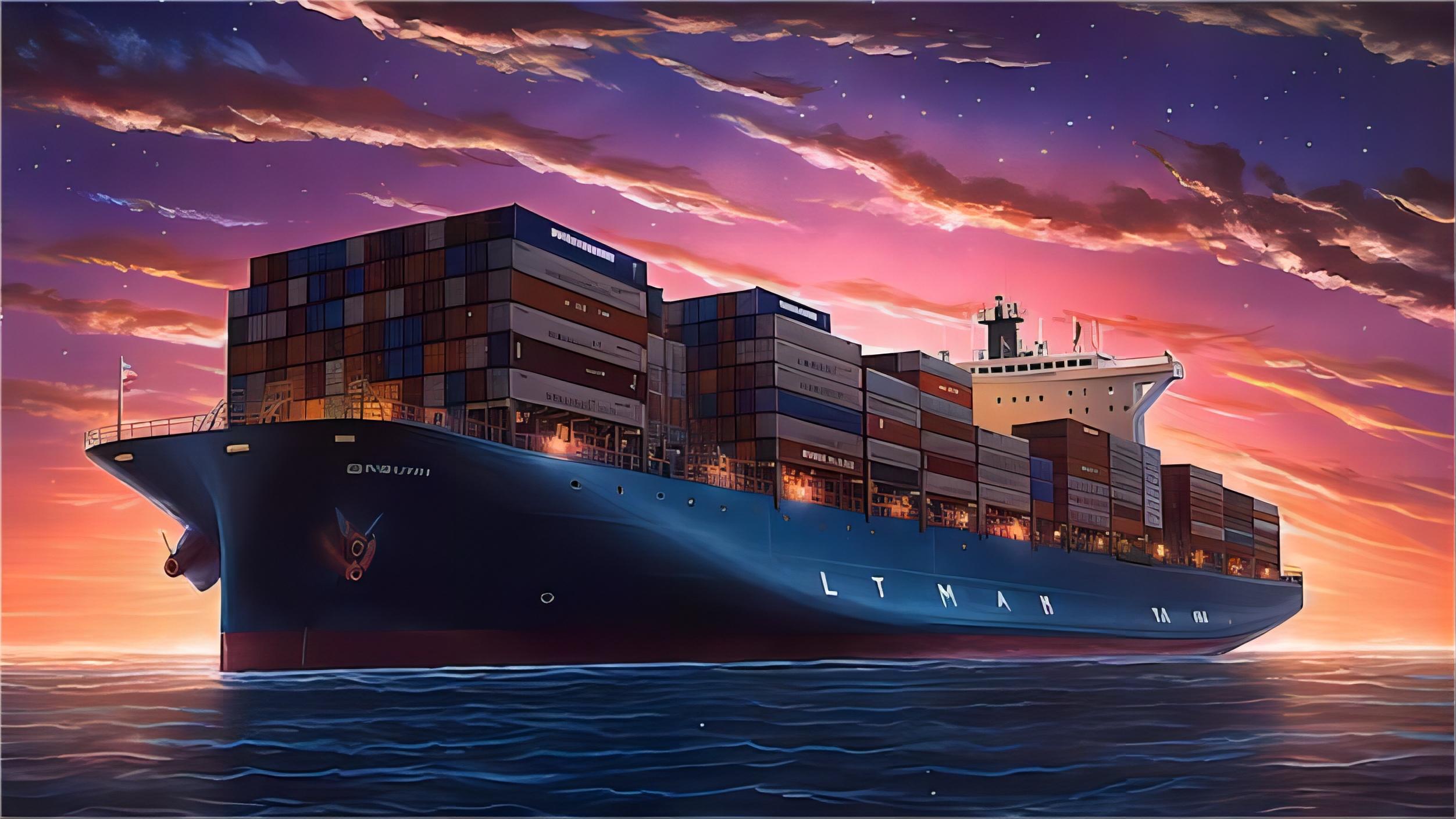
Understanding 40HQ FCL Shipping Cost for Electronics From China to Europe
Shipping electronics in a 40-foot High Cube (40HQ) container offers significant advantages for modern businesses. Specifically, the extra foot of height compared to standard containers allows for better pallet stacking and increased volume for lightweight tech products. However, the total 40HQ FCL shipping cost for electronics from China to Europe depends on several variables including fuel surcharges and seasonal demand peaks.
Furthermore, electronics often require specialized handling due to their fragile nature and high value. Consequently, shippers must account for additional costs such as premium packaging and comprehensive insurance coverage. Choosing Full Container Load (FCL) ensures that your goods are not mixed with other cargo, which significantly reduces the risk of damage or loss during the long journey from East to West.
Moreover, the logistics landscape between China and Europe is currently influenced by geopolitical shifts and route changes. Indeed, many carriers have adjusted their schedules to avoid certain maritime passages, which has led to longer transit times and higher operational expenses. Understanding these macro-level factors is essential for any company looking to optimize their international shipping budget effectively.
How 40HQ FCL Shipping Cost for Electronics From China to Europe is Calculated
Freight rates are generally divided into several components that make up the final invoice. First, the ocean freight rate itself is determined by the carrier based on current capacity and demand. Additionally, port charges at both the origin in China and the destination in Europe can add several hundred dollars to the total bill. Using sea freight remains the most cost-effective method for large volumes of electronics despite these various surcharges.
Secondly, the nature of the electronics being shipped plays a crucial role in pricing. For instance, items containing lithium batteries are classified as dangerous goods and require specific certifications and handling procedures. These requirements often result in higher freight rates and more stringent documentation checks by customs authorities in both regions.
Finally, the choice of shipping route affects the overall price significantly. Direct shipments to major hubs like Rotterdam or Hamburg are usually cheaper than routes requiring transshipment through secondary ports. Shippers should also consider the impact of the peak season, which typically runs from August to October, as rates can climb by 20 percent or more during this high-demand period.
How Does 40HQ FCL Compare to Other Shipping Options?
While FCL is the standard for large shipments, it is not always the only choice available to importers. For example, smaller shipments might benefit from Less than Container Load (LCL) services, although this increases the risk of handling damage for sensitive electronics. Alternatively, businesses with urgent deadlines often turn to Europe bound air services to meet market demands.
Comparing these methods involves looking at the balance between speed and cost. While a 40HQ container might cost between 3,000 and 4,500 USD, air freight for the same volume could easily exceed 20,000 USD. Therefore, strategic planning is required to determine which method aligns best with your specific inventory turnover and budget constraints.
Hybrid solutions have also gained popularity recently. Some companies use a mix of sea and rail to balance costs and delivery times. Below is a detailed comparison of the primary shipping methods used for electronics on this route.
| Shipping Method | Cost Range (USD) | Transit Time | Best For |
|---|---|---|---|
| 40HQ FCL Sea | $3,000 – $4,500 | 30 – 45 Days | High volume, low urgency |
| Rail Freight | $4,500 – $6,500 | 18 – 25 Days | Mid-range speed and cost |
| Air Freight | $15,000 – $25,000 | 5 – 8 Days | Urgent, high-value tech |
| LCL Sea | $50 – $150 per CBM | 35 – 50 Days | Small inventory batches |

The Role of Rail Freight as an Alternative
Rail transport has emerged as a powerful middle ground for electronics shippers. Specifically, rail freight offers a transit time that is roughly half that of sea freight while being much cheaper than air. This makes it an ideal choice for electronics like tablets or smartphones that have a shorter shelf life and need to reach European shelves quickly.
Nevertheless, rail capacity can be limited during certain times of the year. Additionally, the infrastructure passes through multiple borders, which requires precise documentation to avoid delays. Despite these challenges, the stability of rail pricing compared to the volatile ocean market makes it an attractive strategic option for many logistics managers.
Moreover, the environmental impact of rail is significantly lower than air freight. Companies focusing on sustainability are increasingly choosing the Iron Silk Road to reduce their carbon footprint while maintaining a reliable supply chain. This trend is expected to continue as European regulations on corporate environmental responsibility become more stringent.
Real-World Case Studies for Electronics Shipments
Case Study 1: High-End Laptop Distribution. Route: Shenzhen, China to Rotterdam, Netherlands. Cargo: 800 Laptops, 65 CBM, 12,000 kg. Container: 40HQ FCL. Shipping Details: Carrier: Major ocean line. Port of Loading: Shenzhen. Port of Discharge: Rotterdam. Route Type: Direct. Cost Breakdown: Ocean Freight: $3,850. Origin Charges: $450. Destination Charges: $600. Customs and Duties: $1,200. Total Landed Cost: $6,100. Timeline: Booking to Loading: 4 days. Sea Transit: 32 days. Customs Clearance: 2 days. Total Door-to-Door: 38 days. Key Insight: Using a 40HQ allowed for specialized padding that protected the high-value screens effectively.
Case Study 2: Smart Home Device Launch. Route: Ningbo, China to Hamburg, Germany. Cargo: Smart sensors and hubs, 58 CBM, 8,500 kg. Container: 40HQ FCL. Shipping Details: Carrier: Premium alliance. Port of Loading: Ningbo. Port of Discharge: Hamburg. Route Type: Transshipment via Singapore. Cost Breakdown: Ocean Freight: $3,200. Origin Charges: $400. Destination Charges: $550. Customs and Duties: $900. Total Landed Cost: $5,050. Timeline: Booking to Loading: 5 days. Sea Transit: 40 days. Customs Clearance: 3 days. Total Door-to-Door: 48 days. Key Insight: Planning 60 days in advance of the product launch date mitigated the risks of transshipment delays.
Note: Freight rates are subject to change based on fuel costs, carrier capacity, and seasonal demand. Contact us for a current quote tailored to your specific shipment.
Customs Brokerage and Compliance for Tech Goods
Navigating European customs is one of the most challenging aspects of shipping electronics. Each product category has specific HS codes that determine the applicable import duties and taxes. Therefore, employing a professional customs brokerage service is essential to ensure all paperwork is filed correctly and delays are minimized.
Furthermore, electronics must comply with EU safety standards such as CE marking and RoHS directives. If your goods arrive at a European port without the necessary certifications, they may be seized or returned at your expense. Consequently, verifying compliance before the 40HQ container leaves China is a critical step in the logistics process.
Additionally, the valuation of electronics is often scrutinized by customs officials. Inaccurate declarations can lead to heavy fines or audits that disrupt your entire supply chain. Maintaining transparent records and providing clear commercial invoices will help facilitate a smoother transition through the port of entry.

Which Option Should You Choose? Decision Framework
Choosing the right shipping strategy depends on your primary business goals. If your priority is minimizing the 40HQ FCL shipping cost for electronics from China to Europe, then sea freight is the clear winner. However, if you are launching a new product and need it in stores within three weeks, rail or air becomes necessary.
Consider the volume of your shipment as well. For batches exceeding 15 CBM, a 20GP container is viable, but once you surpass 30 CBM, the 40HQ becomes the most economical choice per unit. This threshold is particularly important for electronics manufacturers who produce high volumes of lightweight goods.
Lastly, evaluate the risk tolerance of your cargo. High-value electronics might justify the extra cost of faster, more secure routes to reduce the time spent in transit. Below is a quick decision guide based on common business scenarios.
| Priority | Recommended Method | Volume Threshold | Key Benefit |
|---|---|---|---|
| Lowest Cost | 40HQ Sea Freight | > 35 CBM | Maximum ROI |
| Fastest Delivery | Air Freight | Any volume | Market speed |
| Balanced Speed | Rail Freight | > 20 CBM | Predictable schedule |
| Small Inventory | LCL Sea Freight | < 15 CBM | Low entry cost |
Optimizing Your Door to Door Logistics Strategy
Managing the entire journey from the factory floor to the European warehouse requires a cohesive strategy. Many successful importers utilize door to door services to eliminate the hassle of coordinating multiple vendors. This approach provides a single point of contact and often results in better overall rates due to bundled services.
Specifically, door-to-door solutions include the trucking from the factory in China, the ocean or rail transit, and the final mile delivery in Europe. Meanwhile, this integrated model allows for better tracking and visibility, which is vital for managing inventory levels in real-time. Without a doubt, streamlining your logistics in this way reduces the administrative burden on your internal team.
Additionally, consider the benefits of cargo consolidation if you are sourcing from multiple suppliers in China. By combining different orders into a single 40HQ container, you can significantly lower the per-unit shipping cost. This strategy is particularly effective for electronics retailers who stock a wide variety of accessories and components from various manufacturers.
Final Thoughts on Electronics Shipping Costs
Mastering the 40HQ FCL shipping cost for electronics from China to Europe is a vital skill for any modern importer. By understanding the various factors that drive freight rates, from container types to customs compliance, you can make informed decisions that protect your profit margins. Remember that the cheapest option is not always the best if it results in delays or damaged goods. Consequently, balancing cost, speed, and reliability is the key to a successful international trade operation. As market conditions continue to evolve in 2025, staying informed and flexible will ensure your electronics business remains competitive in the European market.
Ready to streamline your logistics?
Ready to optimize your supply chain and reduce your 40HQ FCL shipping cost for electronics from China to Europe? Contact our expert team today for a personalized quote and professional logistics support tailored to your business needs. Send Inquiry: https://Top China Freight.com/
Request Quote