

5 Cheapest Ways to Ship Toys from China to Europe in 2025
Finding the cheapest way to ship toys from China to Europe is a top priority for businesses looking to maintain healthy profit margins in a competitive retail landscape. Navigating the complexities of international logistics requires a strategic approach to balancing transit times and freight expenses. Top China Freight provides tailored solutions that help importers minimize costs while ensuring their products arrive safely at European destinations.

Is Sea Freight the Cheapest Way to Ship Toys from China to Europe?
Ocean transportation remains the most economical method for moving large volumes of goods across the globe. Specifically, sea freight offers the lowest cost per unit for bulky items like plastic toys, plushies, and board games. Moreover, the ability to utilize Full Container Load (FCL) shipping allows businesses to maximize space and reduce the overall price per cubic meter.
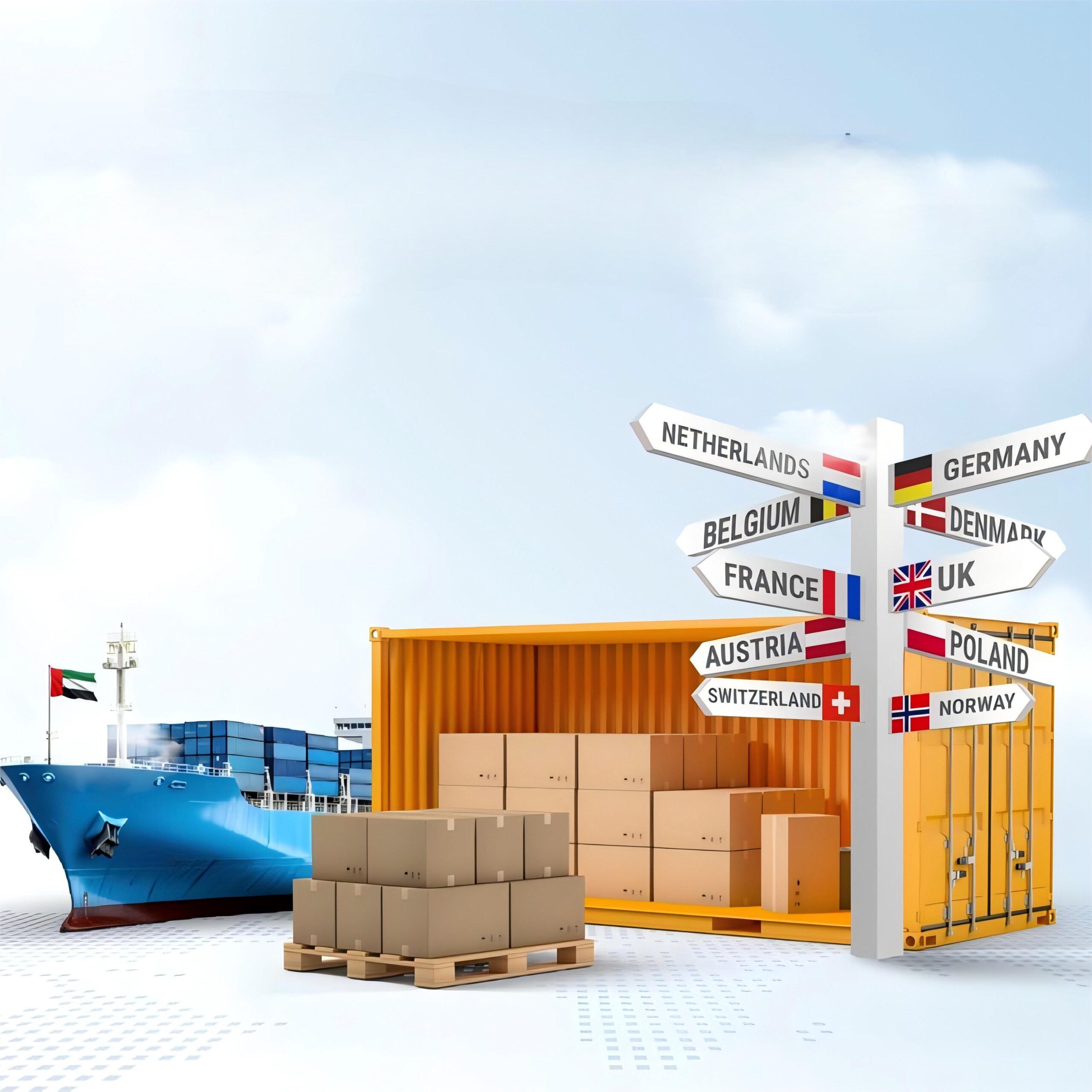
Importers often choose between FCL and Less than Container Load (LCL) based on their specific inventory needs. While LCL is suitable for smaller batches, FCL typically provides better security and faster handling at the port. Consequently, planning your inventory cycles around full container shipments can lead to significant long-term savings.
Freight rates for sea transport fluctuate based on seasonal demand and carrier capacity. During the peak season from August to October, prices often rise as retailers prepare for the holiday rush. Therefore, booking your shipments early or opting for off-peak windows can help you secure the most competitive rates available in the market.
Typical sea freight costs for a 40HQ container from major Chinese ports to Northern Europe currently range between $3,000 and $4,200. This pricing structure makes ocean transport significantly more affordable than air or express options for high-volume toy importers. Additionally, modern cargo ships offer reliable schedules that help businesses maintain consistent stock levels.
How Does Sea Freight Compare to Other Shipping Options?
Analyzing the differences between various transport modes is essential for making an informed logistics decision. While sea freight is the cheapest, it also has the longest transit times, often taking 30 to 45 days. In contrast, other methods offer speed at a much higher price point, which may be necessary for time-sensitive product launches.
Rail transport has emerged as a middle-ground solution for those who need faster delivery than sea but cannot afford air freight. Furthermore, shipping to Europe via the trans-continental rail network can cut transit times by half compared to ocean routes. This method is particularly popular for shipments destined for inland European countries like Poland, Germany, or the Czech Republic.
Air freight remains the most expensive choice, usually reserved for high-value toys or urgent restocks. Although it offers delivery within 3 to 7 days, the costs can be five to ten times higher than sea freight. Businesses must weigh the benefit of immediate market availability against the substantial impact on their profit margins.
| Shipping Method | Cost Range | Transit Time | Best For | Limitations |
|---|---|---|---|---|
| Sea Freight | $1,800 – $4,200 | 30 – 45 Days | Bulk Shipments | Slow Transit |
| Rail Freight | $3,000 – $5,500 | 15 – 22 Days | Mid-size Cargo | Limited Capacity |
| Air Freight | $5 – $12 per kg | 3 – 7 Days | Urgent Stock | High Expense |
| Express | $8 – $15 per kg | 2 – 5 Days | Samples | Highest Cost |
Which Option Should You Choose for Your Toy Business?
Selecting the right method depends heavily on your budget, volume, and required delivery speed. If your primary goal is to minimize expenses, sea freight is undoubtedly the superior choice for large shipments. However, if you are dealing with a trending product that needs to hit shelves quickly, rail freight might be the more strategic investment.
Small-scale importers often benefit from door to door services which simplify the entire process. These services bundle ocean or rail transport with local trucking and customs clearance, providing a single price for the entire journey. This approach reduces the administrative burden and helps avoid unexpected hidden fees at the destination.
Volume thresholds play a critical role in deciding between LCL and FCL. For shipments exceeding 15 cubic meters, booking a full 20-foot container is usually more cost-effective than paying for individual space in a shared container. Conversely, for very small toy samples, international express remains the most practical way to ensure quick arrival for quality inspection.
Navigating Customs Brokerage for Toy Imports
Compliance with European safety standards is a non-negotiable aspect of toy logistics. Every toy imported into the EU must carry the CE mark and comply with the EN71 safety directive. Failure to provide the correct documentation can lead to expensive delays at the border or even the seizure of your entire shipment.
Professional customs brokerage services are vital for navigating these complex regulatory requirements. Brokers ensure that all paperwork, including the Bill of Lading, Commercial Invoice, and Packing List, is perfectly aligned with local laws. Furthermore, they help classify your goods under the correct HS codes to ensure you pay the accurate amount of import duties.
Import duties for toys in Europe typically range from 0% to 4.7%, depending on the specific category of the product. Additionally, Value Added Tax (VAT) must be paid upon entry into the destination country, which varies across EU member states. Working with an experienced freight forwarder helps you calculate these landed costs accurately before you commit to a purchase.
Top Strategies to Reduce Your Toy Shipping Costs
Optimizing your packaging is one of the most effective ways to lower your logistics expenses. By reducing the size of individual toy boxes, you can fit more units into a single shipping container. Consequently, this lowers the freight cost per unit and improves your overall competitiveness in the European market.
Consolidating shipments from multiple suppliers in China into one container can also generate significant savings. Instead of paying for several small LCL shipments, you can have your forwarder collect all goods at a central warehouse. This strategy allows you to take advantage of FCL rates even if no single supplier fills a whole container.
Negotiating long-term contracts with freight forwarders can provide stability in an otherwise volatile market. While spot rates might occasionally be lower, a fixed contract protects you from sudden price spikes during peak seasons. Moreover, building a strong relationship with a logistics partner often leads to better service levels and priority space on departing vessels.
| Container Type | Capacity (CBM) | Max Weight (kg) | Best Use Case |
|---|---|---|---|
| 20GP Container | 33 CBM | 28,000 kg | Heavy or dense toys |
| 40GP Container | 67 CBM | 26,000 kg | Standard bulk loads |
| 40HQ Container | 76 CBM | 26,000 kg | Light, bulky toys |
Real-World Case Studies for Toy Logistics
Case Study 1: Large Scale Sea Freight. Route: Shantou, China to Felixstowe, UK. Cargo: Mixed plastic toys, 68 CBM. Container: 1 x 40HQ. Shipping Method: Sea Freight via major carrier. Port of Loading: Shenzhen. Port of Discharge: Felixstowe. Ocean Freight: $3,850. Origin Charges: $450. Destination Charges: $600. Customs and Duties: $1,200. Total Landed Cost: $6,100. Sea Transit: 34 days. Total Door-to-Door: 42 days. Key Insight: By using a 40HQ container, the importer reduced their per-unit shipping cost by 15 percent compared to previous LCL shipments.
Case Study 2: Urgent Rail Restock. Route: Ningbo, China to Warsaw, Poland. Cargo: Educational board games, 5 CBM. Container: LCL. Shipping Method: Rail Freight. Route Type: Trans-Siberian route. Ocean Freight (Rail Equivalent): $1,450. Origin Charges: $200. Destination Charges: $350. Customs and Duties: $400. Total Landed Cost: $2,400. Transit Time: 18 days. Total Door-to-Door: 25 days. Key Insight: Rail freight allowed the business to restock their warehouse two weeks faster than sea freight, preventing a stock-out during the mid-year sale period.
Case Study 3: Direct Sea Shipment. Route: Guangzhou, China to Rotterdam, Netherlands. Cargo: Plush toys, 28 CBM. Container: 1 x 20GP. Shipping Method: Sea Freight. Port of Loading: Nansha. Port of Discharge: Rotterdam. Ocean Freight: $2,100. Origin Charges: $350. Destination Charges: $500. Total Landed Cost: $2,950. Sea Transit: 31 days. Total Door-to-Door: 38 days. Key Insight: Direct routing to a major hub like Rotterdam minimized transshipment delays and kept the budget strictly within the importer’s target range.
Evaluating Rail Freight for Faster Toy Delivery
Rail transportation has become a game-changer for the China-Europe trade corridor over the last decade. Specifically, rail freight offers a consistent schedule that is less affected by weather conditions compared to ocean travel. This reliability makes it an excellent choice for businesses that operate on tight inventory timelines.
Cost-wise, rail is generally 50 to 70 percent more expensive than sea freight but significantly cheaper than air transport. Because toys often have a moderate value-to-weight ratio, they are ideally suited for the rail network. Furthermore, the environmental impact of rail is lower than air freight, appealing to brands focused on sustainability.
Security on the rail network is high, with containers being monitored throughout the journey across Central Asia. However, importers should be aware of potential delays at border crossings where track gauges change. Despite these minor hurdles, rail remains a robust alternative for those seeking a balance between speed and cost.
Mastering Toy Logistics from China to Europe
To summarize, finding the cheapest way to ship toys from China to Europe requires a deep understanding of different freight modes and market trends. Sea freight remains the undisputed leader for cost-conscious importers, while rail and air freight provide necessary flexibility for urgent needs. By focusing on container optimization, regulatory compliance, and strategic timing, businesses can significantly reduce their landed costs.
Ultimately, the success of your toy import business depends on choosing a reliable logistics partner. Whether you are shipping full containers or smaller LCL loads, careful planning is the key to maintaining a competitive edge. Start evaluating your shipping options today to ensure your toys reach the European market efficiently and affordably.
Ready to streamline your logistics?
Optimizing your logistics strategy is the best way to secure the cheapest way to ship toys from China to Europe. Our team of experts is ready to provide you with a customized quote that fits your budget and timeline. Contact us today to streamline your toy supply chain. Send Inquiry:
Request Quote