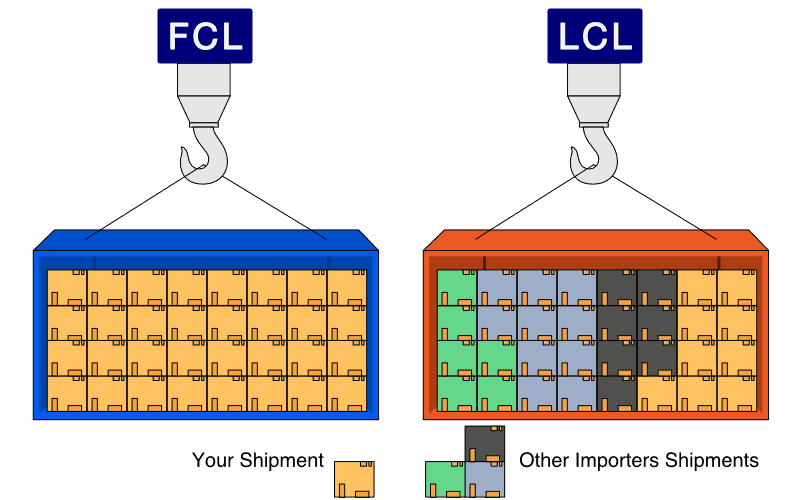
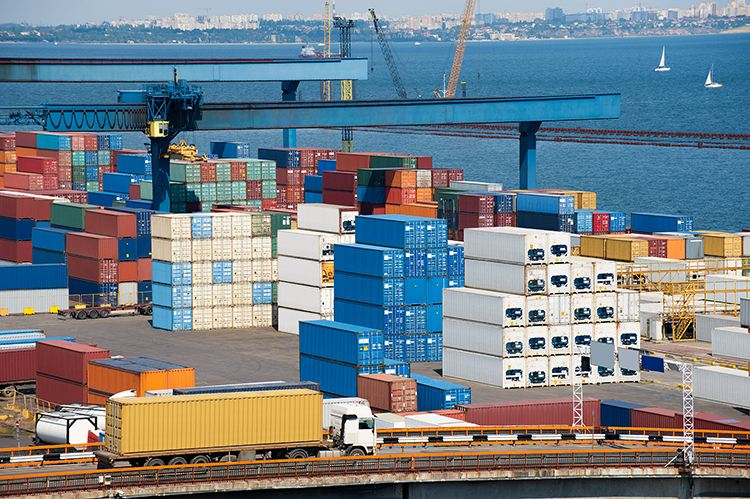
For global importers, bulk shipping from China remains the backbone of international trade. From 40ft containers of furniture to break bulk shipments of heavy machinery, bulk cargo is cost-efficient but complex. This guide explains shipping methods, costs, risks, and strategies to optimize your supply chain in 2025.
What is Bulk Shipping and Why It Matters
Bulk shipping involves moving large quantities of goods in full containers or specialized vessels. The larger the shipment, the lower the per-unit cost. Importers rely on bulk shipping to maximize margins while keeping logistics predictable.
Request quotes with cargo details (HS code, CBM, weight).
Confirm Incoterms (FOB, CIF, DDP).
Forwarder books container or space.
Cargo pickup from factory.
Export customs clearance in China.
International sea voyage.
Import customs at destination.
Trucking/delivery to final warehouse.
Cost Breakdown Examples
Case 1: Furniture Importer (20 CBM to Los Angeles)
Trucking Ningbo–Shanghai port: $300
LCL rate: $100/CBM × 20 = $2,000
Export customs: $120
Sea freight: Included in LCL
Import customs + duties: ~$1,800
Trucking LA port–warehouse: $600 👉 Total: ~$4,820
Case 2: Electronics Importer (40ft FCL to Johannesburg)
Factory pickup (Shenzhen): $450
Sea freight 40ft FCL: $3,200
Insurance: $180
Import duties + VAT: ~$2,400
Port handling + trucking: $800 👉 Total: ~$7,030
Risks in Bulk Shipping & How to Manage Them
Port Congestion: Avoid peak seasons, ship early.
Container Shortage: Pre-book with reliable forwarders.
Cargo Damage: Use pallets, reinforced packaging, marine insurance.
Customs Delays: Submit documents in advance.
Hidden Fees: Request DDP all-inclusive quotes.
Future Trends in Bulk Shipping
Green Logistics: IMO carbon emission rules may raise fuel surcharges.
Digital Tracking: Blockchain & IoT for real-time visibility.
China–Europe Rail Growth: Faster than sea, cheaper than air for bulk cargo.
Smart Ports: Automation in Shanghai & Shenzhen reducing dwell time.
Practical Checklist for Importers
✅Confirm Incoterms with supplier ✅ Request 2–3 forwarder quotes ✅ Check HS code + tariffs in destination country ✅ Prepare documents (Invoice, Packing List, COO, BL) ✅ Buy cargo insurance ✅ Inspect packaging before loading ✅ Track shipment online ✅ Arrange customs broker at destination
Conclusion
Bulk shipping from China is the most economical way for global businesses to move large volumes. With the right choice of FCL, LCL, or break bulk, plus risk management and experienced forwarders, importers can cut costs and reduce delays.