


China to Australia Shipping Singapore: The Ultimate Logistics Guide
Navigating the complexities of Top China Freight logistics requires a deep understanding of global trade routes. Specifically, china to australia shipping singapore remains a vital corridor for businesses seeking cost-effective transshipment options. This guide explores how to optimize your supply chain while managing transit times and regulatory requirements effectively. Consequently, you can reduce overhead costs and improve delivery reliability for your Australian customers.
How Does Sea Freight Compare to Other Shipping Options?
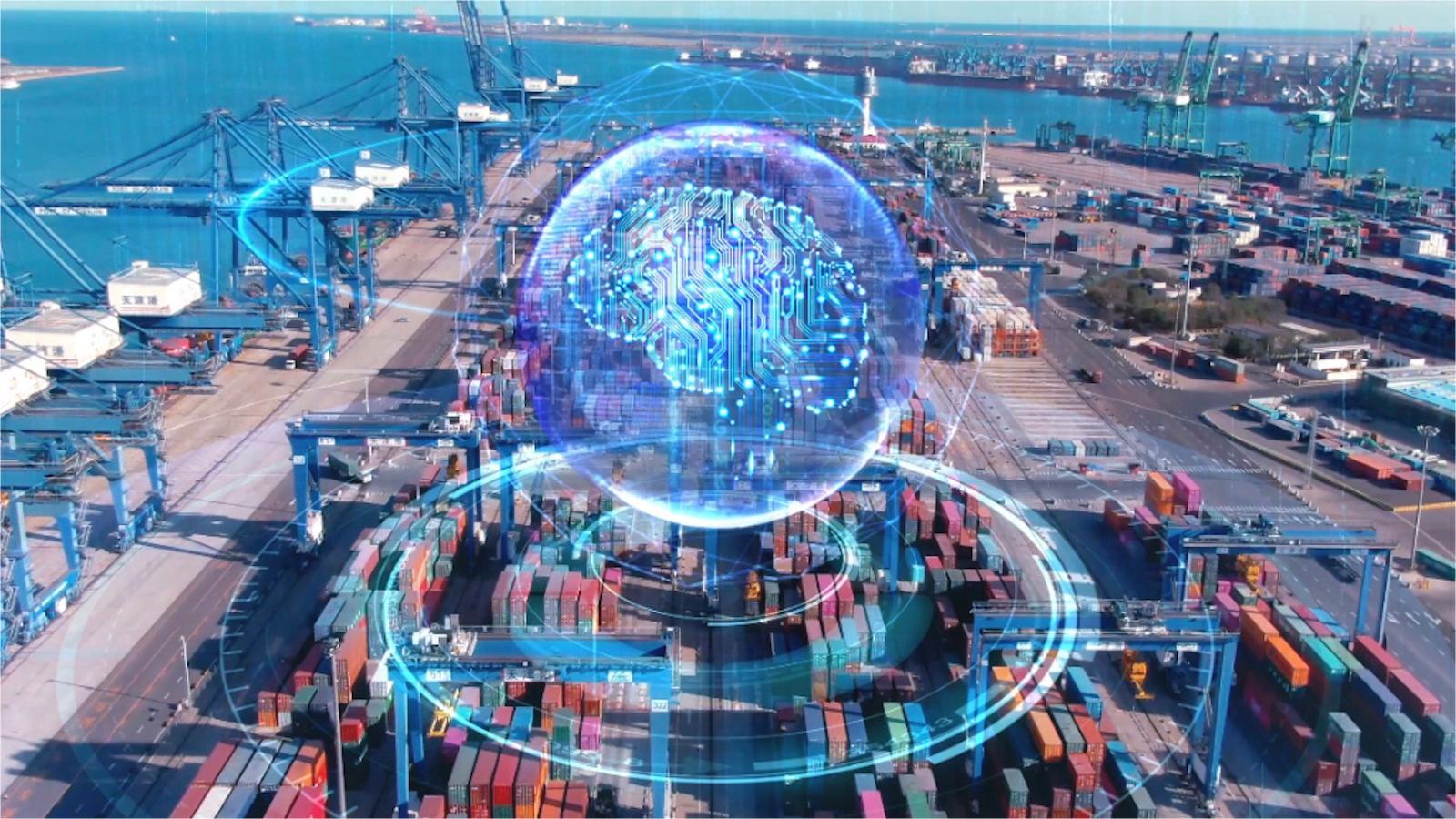
Choosing between sea freight and other modes depends heavily on your budget and timeline. While ocean transport offers the lowest cost per unit for high-volume shipments, it lacks the speed of premium services. Furthermore, businesses must evaluate the trade-off between transit time and freight expenditures. For instance, air freight can deliver goods within days but at a significantly higher price point.
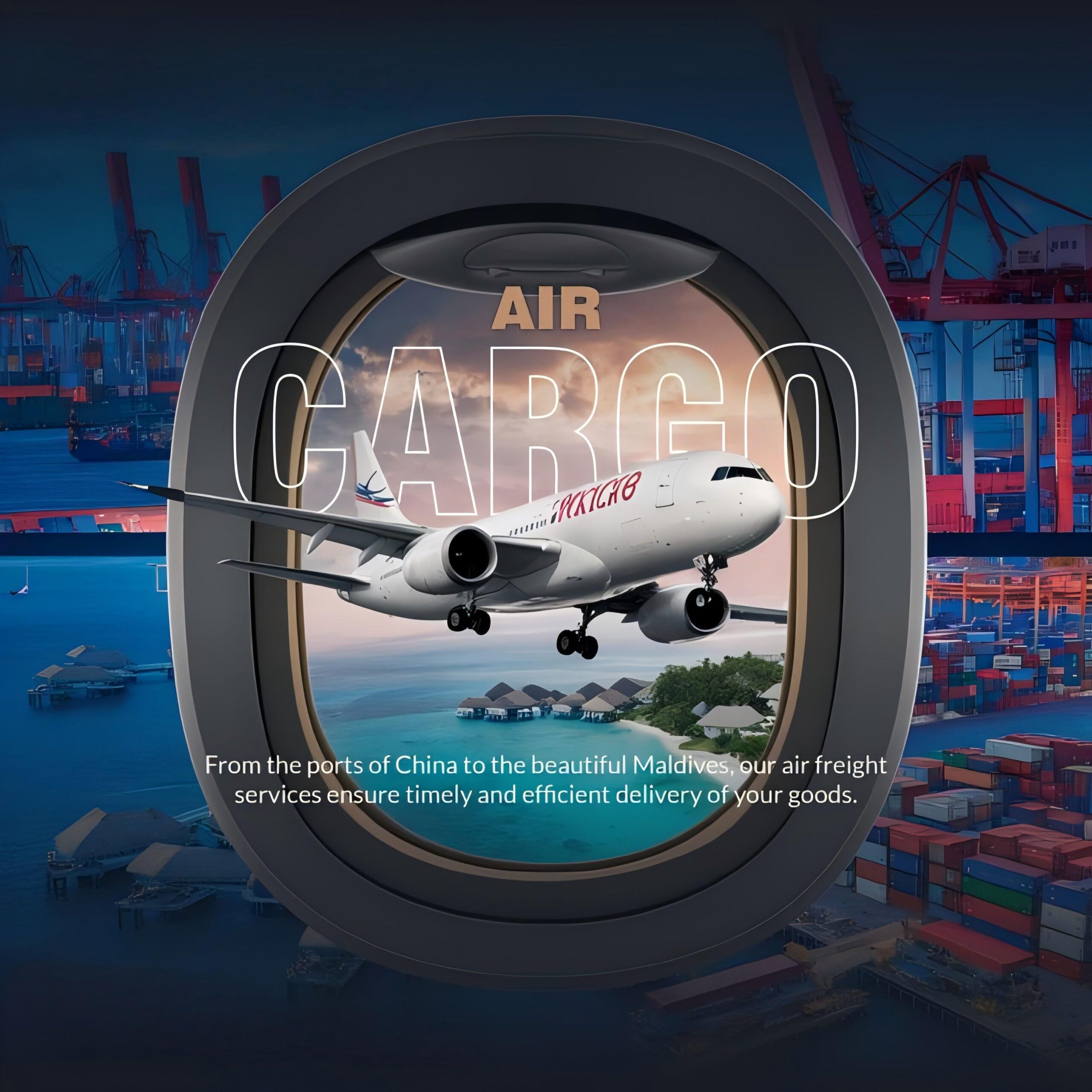
Hybrid solutions like sea-air combinations offer a middle ground for urgent yet cost-sensitive inventory. These services often utilize Singapore as a hub to transition from ocean vessels to cargo planes. Additionally, rail freight is not a viable option for this specific route due to geographic barriers between China and Australia. Therefore, ocean and air remain the primary methods for moving goods across this corridor.
Selecting the right method requires a clear understanding of your cargo volume and delivery deadlines. Small shipments often benefit from express services, while bulk commodities are better suited for containerized transport. Meanwhile, transshipment through Singapore provides a strategic advantage for those looking to consolidate cargo from multiple Asian origins.
| Shipping Method | Cost Range | Transit Time | Best For |
|---|---|---|---|
| Sea Freight FCL | $800 – $2,000 | 15-25 Days | Large volumes |
| Sea Freight LCL | $50 – $150/CBM | 18-30 Days | Small pallets |
| Air Freight | $4.50 – $8.00/kg | 3-7 Days | Urgent goods |
| Sea-Air Hybrid | $2.50 – $4.00/kg | 10-14 Days | Balanced needs |
Strategic Benefits of China to Australia Shipping Singapore Routes
Singapore serves as one of the world’s premier transshipment hubs due to its strategic location and world-class infrastructure. Consequently, many carriers route vessels through this port to consolidate cargo before heading to major Australian ports. This approach often provides more frequent sailing schedules compared to direct routes from smaller Chinese ports. Indeed, the efficiency of Singapore’s port operations minimizes the risk of significant delays during the transfer process.
Moreover, utilizing this hub allows for better inventory management and distribution strategies. Shippers can store goods in Singapore’s free trade zones before deciding on the final destination in Australia. This flexibility is particularly useful for businesses managing seasonal demand fluctuations. Additionally, the high volume of traffic through Singapore ensures competitive freight rates for the final leg of the journey.
Technological advancements in port management have further enhanced the appeal of transshipment. Real-time tracking systems allow importers to monitor their cargo as it moves through the Singaporean terminals. Consequently, transparency is maintained throughout the entire logistics cycle. Shippers also benefit from the extensive network of feeder vessels that connect various Asian manufacturing centers to the main Singapore hub.
What are the transit times for China to Australia shipping Singapore?
Transit times vary depending on the specific port of loading in China and the final destination in Australia. Typically, a shipment from Shanghai to Sydney via Singapore might take between 18 and 24 days. However, direct routes from Shenzhen to Brisbane can be faster, often arriving in as little as 12 to 14 days. Weather conditions and port congestion in both Singapore and Australian terminals also play a critical role.
Booking your shipment well in advance is essential to securing space on the fastest vessels. During peak seasons, such as the lead-up to the Chinese New Year, transit times can increase by several days. Furthermore, the time required for air freight is significantly shorter, usually ranging from 3 to 7 days. Choosing the right mode of transport requires balancing these time constraints against your overall logistics budget.
| Origin Port | Destination Port | Route Type | Est. Days |
|---|---|---|---|
| Shanghai | Sydney | Transshipment | 18-22 |
| Shenzhen | Melbourne | Direct | 14-18 |
| Ningbo | Brisbane | Transshipment | 20-25 |
| Xiamen | Perth | Direct | 16-20 |
Navigating Customs Brokerage and Compliance
Managing customs brokerage is a critical step in the international shipping process. Australia maintains strict biosecurity laws that require precise documentation for all incoming cargo. Furthermore, importers must ensure that all wooden packaging materials comply with ISPM 15 standards to avoid costly quarantine delays. Working with an experienced freight forwarder helps streamline this process and ensures all duties and taxes are calculated accurately.
Incorrect paperwork can lead to significant fines and prolonged storage fees at the port of discharge. Specifically, the Commercial Invoice and Packing List must match the physical contents of the shipment exactly. Additionally, understanding the Australia-China Free Trade Agreement (ChAFTA) can lead to substantial savings on import duties. Therefore, professional guidance is indispensable for navigating these complex regulatory environments.
Importers should also be aware of the Goods and Services Tax (GST) applicable to most imported items. This tax is generally 10% of the landed value of the goods, including freight and insurance. Consequently, calculating these costs beforehand is vital for maintaining accurate profit margins. Reliable logistics partners provide detailed cost breakdowns to help you plan your finances effectively.
Door to Door Shipping Solutions from China
Many businesses prefer door to door shipping because it simplifies the entire logistics chain. This service includes pickup from the manufacturer in China, ocean transport, and final delivery to the warehouse in Australia. Consequently, the importer does not need to manage multiple contractors or worry about the intricacies of local haulage. Indeed, this comprehensive approach reduces the administrative burden on your team.
Professional logistics providers handle every detail, including inland trucking and last-mile delivery. This ensures that your goods are handled with care from the moment they leave the factory floor. Furthermore, shipping to Australia becomes much more manageable when a single entity oversees the entire journey. This end-to-end visibility allows for better planning and more accurate delivery estimates for your customers.
Which Option Should You Choose? Decision Framework
Budget Priority
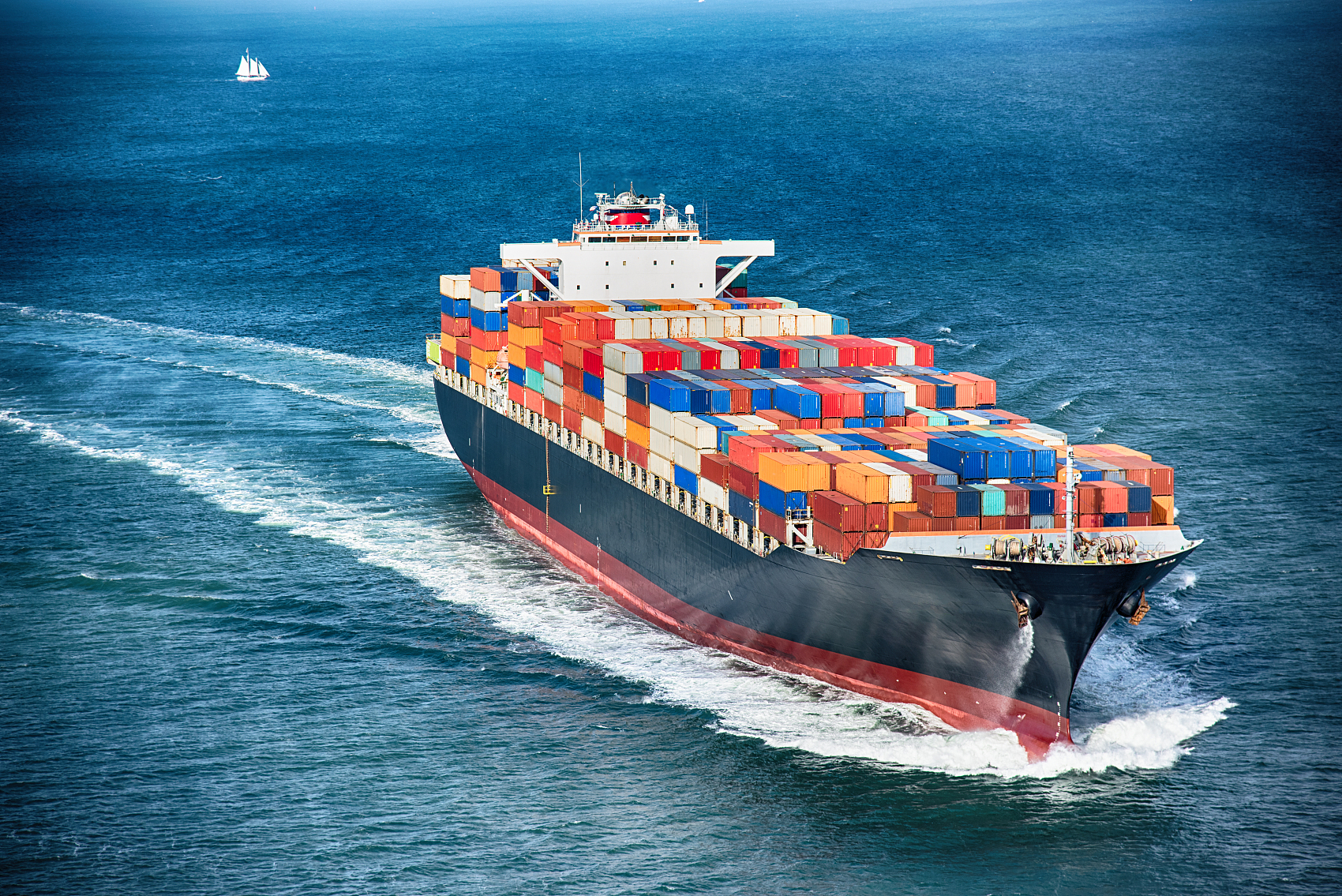
If your primary goal is to minimize costs, sea freight LCL or FCL is the recommended choice. For shipments over 15 CBM, a 20GP container offers the best value per unit. Conversely, smaller shipments should utilize LCL to avoid paying for unused space. This strategy ensures that your logistics spend remains within budget while still moving goods reliably.
Speed Priority
When deadlines are tight, air freight is the only viable solution to ensure timely arrival. For instance, seasonal products or emergency replacement parts must move via air to avoid lost sales. Although the cost is higher, the rapid transit time justifies the investment for high-margin or time-sensitive cargo. Always compare different carrier schedules to find the fastest available flight.
Realistic Case Studies for China to Australia Routes
Analyzing real-world examples helps clarify the costs and timelines involved in international trade. These cases reflect actual market conditions observed in late 2024 and early 2025. Note: Freight rates are subject to change based on fuel costs, carrier capacity, and seasonal demand. Contact us for a current quote tailored to your specific shipment.
Case Study 1: LCL Electronics Shipment. Route: Ningbo to Sydney via Singapore. Cargo: 5 CBM, 1200 kg. Cost Breakdown: Ocean $450, Origin $200, Destination $350, Total Landed $1,000. Timeline: 22 days door-to-door. Insight: Transshipment allowed for a cheaper rate than direct air freight while maintaining a reasonable schedule.
Case Study 2: FCL Furniture Import. Route: Shenzhen to Melbourne Direct. Cargo: 20GP Container. Cost Breakdown: Ocean $1,200, Origin $300, Destination $450, Total Landed $1,950. Timeline: 16 days total. Insight: Direct routing saved 6 days compared to transshipment, which was critical for a retail store opening.
Final Thoughts on Shipping from China to Australia
Successfully managing china to australia shipping singapore requires a combination of strategic planning and expert execution. By understanding the differences between sea and air freight, you can make informed decisions that benefit your bottom line. Furthermore, leveraging Singapore as a transshipment hub offers flexibility and cost savings for many importers.
Reliable logistics partners like Top China Freight ensure that your cargo moves smoothly through every stage of the journey. Whether you require FCL, LCL, or door-to-door services, having professional support is key to navigating customs and compliance. Start planning your next shipment today to ensure your goods arrive on time and within budget.
Ready to streamline your logistics?
Reach out to our professional team today to streamline your china to australia shipping singapore logistics. We provide transparent pricing and reliable schedules for all your freight needs. Visit Top China Freight to request your personalized quote and start optimizing your supply chain now.
Request Quote