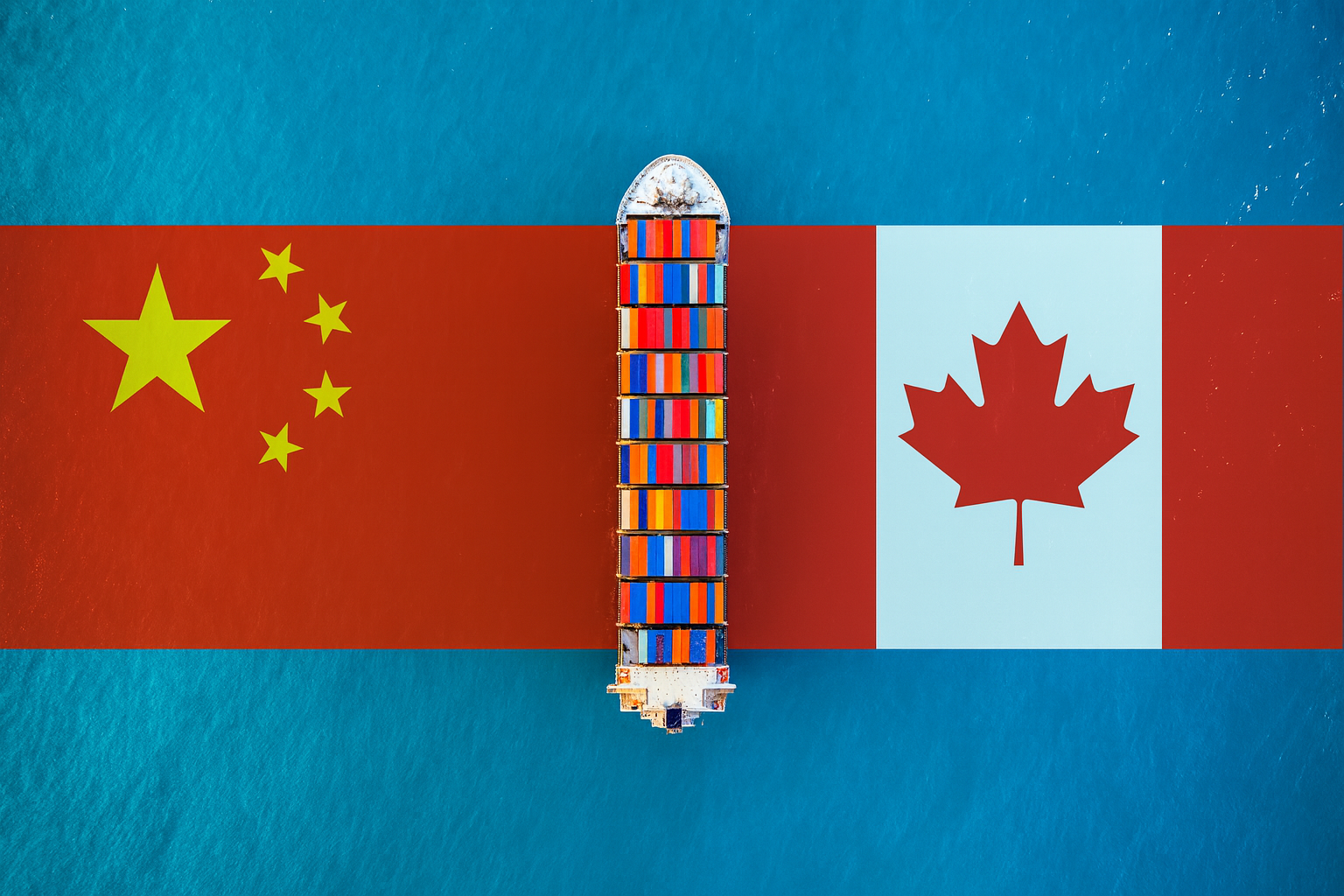
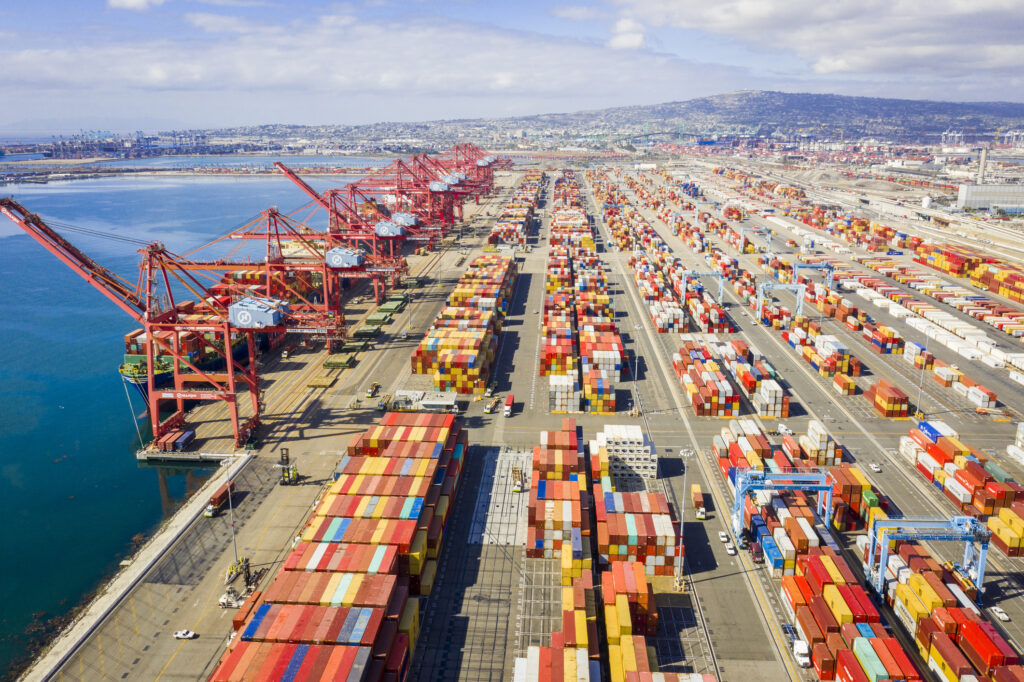
Managing sea freight China to Canada is crucial for importers handling bulk cargo. Shipping costs, container availability, and customs rules often fluctuate, making it essential to plan carefully. By understanding pricing, delivery times, and the right freight strategies, businesses can reduce expenses, avoid delays, and keep supply chains efficient.
What Determines Sea Freight China to Canada Costs?
Several elements directly influence pricing:
Container type: 20GP, 40GP, and 40HQ have different rates.
Origin port in China: Shanghai, Ningbo, Shenzhen, or Guangzhou.
Destination in Canada: Vancouver, Toronto, or Montreal.
Cargo type: Fragile, hazardous, or oversized goods require special handling.
Seasonality: Q4 and pre-Chinese New Year push prices higher.
Moreover, inland trucking, port handling, and customs clearance fees impact the overall shipping cost.
How Much Does Sea Freight from China to Canada Cost in 2025?
Container Size
Shanghai – Vancouver
Shenzhen – Toronto
Guangzhou – Montreal
Notes
20GP
$1,900 – $2,300
$2,200 – $2,600
$2,300 – $2,700
Cheapest on West Coast routes
40GP
$3,100 – $3,600
$3,500 – $4,000
$3,600 – $4,200
More cost-efficient per CBM
40HQ
$3,300 – $3,900
$3,700 – $4,300
$3,800 – $4,400
Preferred for high-volume shipments
These baseline costs exclude customs duties, insurance, and local delivery fees.
What Customs Documents Are Required for Sea Freight?
Document
Purpose
Commercial Invoice
Declares cargo value for customs clearance
Packing List
Lists cargo details and weights
Bill of Lading
Serves as transport contract with carrier
Certificate of Origin
Proves where goods were manufactured
Import License
Required for restricted items
Insurance Certificate
Provides coverage against cargo damage
Accurate documentation prevents clearance delays and storage charges.
How Can Importers Lower Sea Freight Costs?
Effective strategies include:
Booking early: Secure lower rates before peak season.
Consolidating cargo: Share container space to cut costs.
Negotiating with forwarders: Use forwarders with bulk contracts.
Choosing flexible ports: Alternate ports may offer cheaper rates.
Planning shipments outside peak season further reduces expenses.
Do Canadian Import Regulations Affect Sea Freight Costs?
Importers must follow Canadian Border Services Agency (CBSA) rules, which include:
Paying applicable duties and GST.
Complying with product-specific permits.
Providing accurate Harmonized System (HS) codes.
Delays in compliance increase storage and handling fees, raising overall costs.
What Trends Will Impact Sea Freight China to Canada?
Future logistics will be influenced by:
Green shipping initiatives: Carriers adding low-emission vessels.
Digital booking systems: Real-time tracking and transparent rate comparison.
Port automation: Faster turnaround at Vancouver and Montreal.
Shifts in demand: E-commerce growth driving container volume increases.
Adaptation to these changes ensures long-term competitiveness.
Conclusion
The sea freight China to Canada trade lane remains vital for bulk imports due to its cost efficiency. Although slower than air freight, sea freight allows businesses to ship large volumes at competitive rates. In conclusion, importers who plan shipments strategically, prepare proper documentation, and partner with reliable freight forwarders will minimize costs and ensure smooth logistics operations.
Consult TJ China Freight Forwarding for the lowest quote. They will provide you with reliable, cost-effective service.