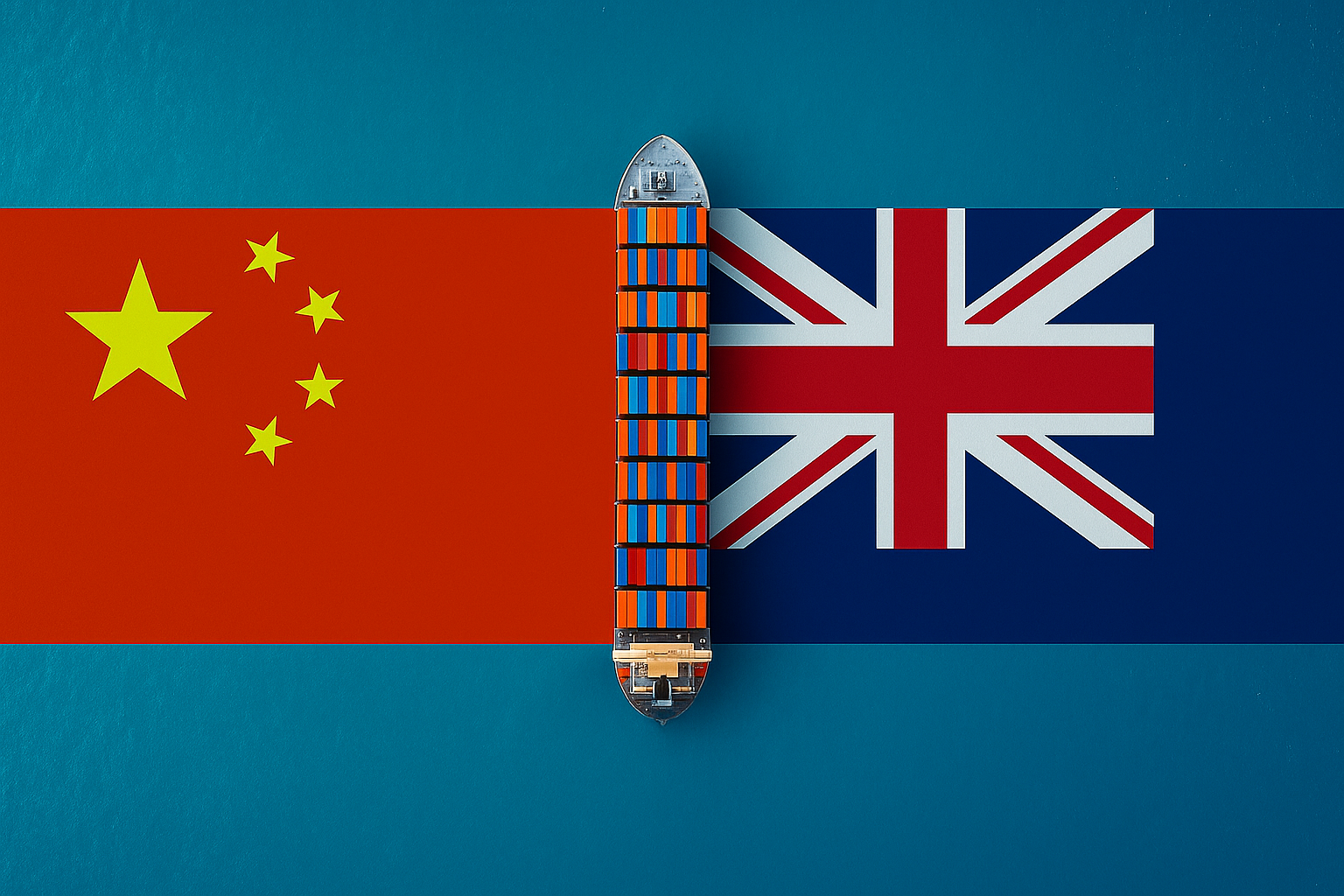
Managing sea freight China to UK is a critical task for businesses importing large volumes of goods. Although sea freight is slower than air, it remains the most cost-effective method for bulky shipments. By understanding costs, delivery schedules, and customs requirements, importers can streamline their logistics, cut expenses, and maintain consistent supply chains.
What Determines Sea Freight China to UK Costs?
Several variables influence container shipping prices:
Container size and type: 20GP, 40GP, and 40HQ rates differ significantly.
Port of origin: Shanghai, Ningbo, Shenzhen, and Guangzhou have varied rates.
Destination port: Felixstowe, Southampton, and London Gateway handle most imports.
Cargo type: Fragile, hazardous, or oversized cargo requires special handling.
Seasonality: Q4 and pre-Chinese New Year push rates up by 20–40%.
Fuel and surcharges: Adjusted monthly by carriers.
Additionally, inland trucking, warehousing, and customs clearance fees affect the overall shipping bill.
How Much Does Sea Freight from China to UK Cost in 2025?
Container Size
Shanghai – Felixstowe
Ningbo – Southampton
Shenzhen – London Gateway
Notes
20GP
$1,700 – $2,100
$1,800 – $2,200
$1,900 – $2,300
Cheapest per trip but higher per CBM
40GP
$2,900 – $3,400
$3,000 – $3,500
$3,100 – $3,600
More efficient for larger cargo volume
40HQ
$3,100 – $3,700
$3,200 – $3,800
$3,300 – $3,900
Ideal for high-volume retail shipments
These estimates exclude customs duties, VAT, and insurance.
Costs differ due to distance, congestion, and port handling charges. For example, Felixstowe often offers lower rates than London Gateway, albeit with more congestion. On the other hand, Southampton benefits from shorter inland routes to the Midlands.
Case Studies: Real Shipments from China to UK
Case 1: Ningbo to Felixstowe (Furniture)
Cargo: 1 × 40HQ container, 28 tons.
Mode: FCL.
Cost: $3,400.
Transit Time: 31 days.
Case 2: Shenzhen to Southampton (Electronics)
Cargo: 2 × 20GP containers, 20 tons.
Mode: FCL.
Cost: $4,600.
Transit Time: 34 days.
How Long Does Sea Freight China to UK Take?
Origin Port
Destination Port
Average Transit Time
Remarks
Shanghai
Felixstowe
28–32 days
Direct, frequent sailings
Ningbo
Southampton
30–34 days
Stable route, moderate congestion
Shenzhen
London Gateway
32–36 days
Longer distance, higher surcharge
Guangzhou
Liverpool
35–40 days
Less frequent, longer transshipment
Transit times may extend due to weather, port delays, or customs inspections.
Should Importers Choose FCL or LCL?
Mode
Best For
Cost Efficiency
Handling Risk
Clearance Time
FCL
Large shipments
High
Lower
Faster
LCL
Small consignments
Moderate
Higher
Slower
FCL offers greater reliability and reduced risk, while LCL provides flexibility for businesses shipping smaller loads.
What Future Trends Will Impact Sea Freight China to UK?
Key developments include:
Green shipping: New eco-vessels and environmental surcharges.
Digital booking systems: Real-time tracking and transparent rates.
Port automation: Faster turnaround at Felixstowe and Southampton.
E-commerce growth: Higher container demand from Chinese suppliers.
Importers that adapt early to these trends will remain competitive.
Conclusion
The sea freight China to UK trade lane is vital for global commerce. Although slower than air transport, sea freight remains the most affordable and reliable option for bulk shipments. In conclusion, companies that plan ahead, prepare proper documents, and partner with trusted forwarders will achieve smoother operations, lower costs, and secure long-term supply chain stability.
Consult TJ China Freight Forwarding for the lowest quote. They will provide you with reliable, cost-effective service.