

Logistics Service China to Middle East: Your Ultimate Shipping Guide
Navigating the complexities of logistics service from China to the Middle East demands expertise and reliability. Businesses often face challenges like varying customs regulations, extended transit times, and fluctuating freight costs. This comprehensive guide provides insights into optimizing your shipping strategy, ensuring efficient and cost-effective delivery of your goods.
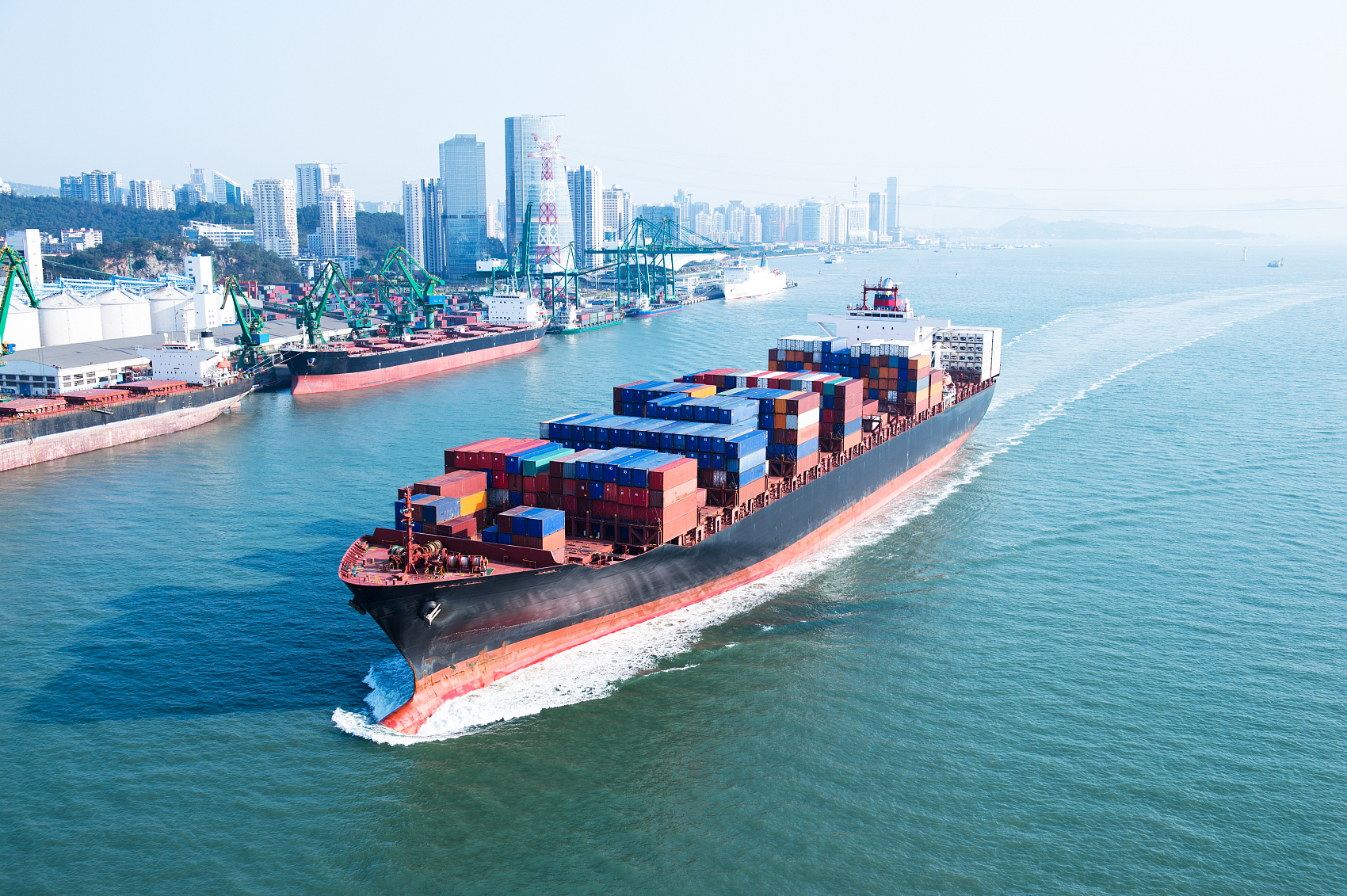
Understanding the China-Middle East Trade Lane
The trade relationship between China and the Middle East has grown significantly, fostering a dynamic environment for international commerce. This route is crucial for various industries, from electronics and machinery to textiles and consumer goods. Consequently, efficient logistics service China to Middle East is more vital than ever for businesses.
Indeed, the region’s strategic location and burgeoning economies make it a key destination for Chinese exports. Understanding the nuances of these trade routes is the first step towards successful international shipping. Therefore, a robust logistics plan is essential for capitalizing on these opportunities.
What are the Primary Shipping Methods from China to the Middle East?
When considering logistics service China to Middle East, two main transportation methods dominate: sea freight and air freight. Each offers distinct advantages depending on your cargo’s characteristics, urgency, and budget. Choosing the right method significantly impacts your supply chain efficiency and overall costs.
For instance, sea freight remains the most economical option for bulk goods and large volumes. Conversely, air freight is preferred for time-sensitive or high-value shipments requiring rapid delivery. Moreover, understanding the trade-offs between these methods is critical for informed decision-making.
| Shipping Method | Cost Range (per kg/CBM) | Transit Time | Best For | Limitations |
|---|---|---|---|---|
| Sea Freight (FCL) | $0.05 – $0.15/kg | 20-35 days | Large volumes, heavy goods, non-urgent shipments | Longer transit, potential port delays |
| Sea Freight (LCL) | $50 – $120/CBM | 25-40 days | Smaller volumes, multiple suppliers, cost-sensitive | Slower, more handling, complex tracking |
| Air Freight | $3 – $8/kg | 3-8 days | Time-sensitive goods, high-value items, perishables | High cost, volume/weight restrictions, fuel surcharges |
| Express Service | $7 – $15/kg | 2-5 days | Small packages, urgent documents, e-commerce samples | Very high cost, strict weight/size limits |

Navigating Customs and Documentation for Middle East Imports
Proper customs clearance is a cornerstone of effective logistics service China to Middle East. Inaccurate documentation can lead to significant delays, fines, and even cargo confiscation. Therefore, meticulous attention to detail is paramount for smooth international trade.
Each Middle Eastern country has specific import regulations and requirements. Collaborating with an experienced customs brokerage service is highly recommended. This ensures compliance with local laws and expedites the clearance process, preventing costly disruptions to your delivery schedule.
| Document Type | Purpose | Required For | Notes |
|---|---|---|---|
| Commercial Invoice | Details of goods, value, seller, buyer | All shipments | Must match packing list and bill of lading |
| Packing List | Itemized list of goods, packaging | All shipments | Essential for customs inspection |
| Bill of Lading (B/L) / Air Waybill (AWB) | Contract of carriage, title to goods | All shipments | B/L for sea, AWB for air |
| Certificate of Origin | Proves goods’ country of manufacture | Preferential tariffs, some goods | May be required for specific trade agreements |
| Import License | Authorization to import specific goods | Restricted goods (e.g., medical, certain chemicals) | Varies by Middle Eastern country |
| Inspection Certificate | Confirms quality/safety standards | Specific goods (e.g., food, electronics) | Issued by approved third-party agencies |
| Insurance Certificate | Proof of cargo insurance coverage | High-value goods, buyer/seller protection | Recommended for all shipments |
Optimizing Your Supply Chain for Logistics Service China to Middle East
Effective supply chain management is crucial for businesses engaged in international trade, particularly for the China to Middle East route. Strategic planning can significantly reduce shipping costs and transit time. Furthermore, proactive measures can mitigate risks and enhance overall efficiency.
Consider consolidating smaller shipments to maximize container utilization, if applicable. Additionally, choosing appropriate Incoterms can clarify responsibilities and costs between buyer and seller. Opting for door-to-door delivery services simplifies the entire process, providing end-to-end solutions and peace of mind.
Real-World Examples: Successful Logistics Service China to Middle East
Reviewing actual case studies provides valuable insights into the practical application of logistics strategies. These examples highlight how different shipping methods and meticulous planning contribute to successful cargo handling. They also demonstrate the diverse needs of businesses operating on the China-Middle East trade lane.
Case Study 1: Large Volume Sea Freight for Furniture Importer
A major furniture importer in Dubai needed to transport a large volume of flat-packed furniture from China. Given the cargo’s size and non-urgent nature, sea freight was the most cost-effective solution. Careful planning ensured optimal container loading and minimized shipping costs.
| Detail | Description |
|---|---|
| Route | Shanghai, China to Jebel Ali, UAE |
| Cargo | 25 tons of flat-packed furniture, 60 CBM |
| Container | 40HQ |
| Shipping Details | Carrier: MSC, POL: Shanghai, POD: Jebel Ali, Route Type: Direct |
| Ocean Freight | $2,800 |
| Origin Charges | $450 |
| Destination Charges | $300 |
| Customs & Duties (estimated) | $850 (5% on $17,000 declared value) |
| Total Landed Cost | $4,400 |
| Booking to Loading | 5 days |
| Sea Transit | 22 days |
| Customs Clearance | 3 days |
| Total Door-to-Door | 30 days |
| Key Insight | Efficient planning for FCL shipments ensured cost-effectiveness for bulk goods. Typical rates as of Q1 2025. |

Case Study 2: Time-Sensitive Air Freight for Electronic Components
An electronics distributor in Riyadh, Saudi Arabia, required urgent delivery of critical components for an assembly line. Speed was the primary concern, making air freight the only viable option. Despite higher freight rates, the rapid transit time prevented significant production delays.
| Detail | Description |
|---|---|
| Route | Shenzhen, China to Riyadh, Saudi Arabia |
| Cargo | 500 kg of electronic components, 3 CBM |
| Container | Air cargo pallet |
| Shipping Details | Carrier: Emirates SkyCargo, POL: Shenzhen, POD: Riyadh, Route Type: Transshipment via Dubai |
| Air Freight | $2,500 |
| Origin Charges | $200 |
| Destination Charges | $150 |
| Customs & Duties (estimated) | $350 (5% on $7,000 declared value) |
| Total Landed Cost | $3,200 |
| Booking to Loading | 2 days |
| Air Transit | 4 days |
| Customs Clearance | 2 days |
| Total Door-to-Door | 8 days |
| Key Insight | Prioritizing speed for high-value, time-critical components justified the higher air freight cost. Based on Q4 2024 market rates. |
Case Study 3: LCL Consolidation for Small Retail Goods
A small e-commerce business in Doha, Qatar, regularly imports mixed retail goods from various suppliers in Ningbo. Consolidating these smaller shipments into Less than Container Load (LCL) was the most economical approach. This strategy allowed them to manage inventory effectively without committing to full container costs.
| Detail | Description |
|---|---|
| Route | Ningbo, China to Hamad Port, Doha, Qatar |
| Cargo | 3.5 tons of mixed retail goods, 10 CBM |
| Container | LCL (part of a 20GP) |
| Shipping Details | Carrier: COSCO (consolidated), POL: Ningbo, POD: Hamad Port, Route Type: Direct |
| Ocean Freight (LCL) | $800 (at $80/CBM) |
| Origin Charges | $250 |
| Destination Charges | $200 |
| Customs & Duties (estimated) | $400 (5% on $8,000 declared value) |
| Total Landed Cost | $1,650 |
| Booking to Loading | 7 days |
| Sea Transit | 25 days |
| Customs Clearance | 3 days |
| Total Door-to-Door | 35 days |
| Key Insight | LCL shipping provided a cost-effective solution for a smaller business without requiring a full container. Industry average for this route as of early 2025. |
How Does Sea Freight Compare to Other Shipping Options?
While sea freight is often the default for large-volume logistics service China to Middle East, it is essential to consider its alternatives. Each method offers a unique balance of cost, speed, and capacity. Therefore, a thorough understanding of these trade-offs is crucial for strategic decision-making.
For instance, air freight offers significantly faster transit times but at a much higher cost. Alternatively, express service provides even quicker delivery for smaller, urgent parcels, albeit at a premium price point. Considering hybrid solutions, such as sea-air combinations for certain routes, can also optimize your supply chain.
| Shipping Method | Cost Range | Transit Time | Best For | Limitations |
|---|---|---|---|---|
| Sea Freight (FCL) | $1,800-$4,000 for 20GP/40HQ | 20-35 days | Bulk cargo, heavy machinery, non-perishables | Slowest, susceptible to port congestion |
| Sea Freight (LCL) | $50-$120/CBM | 25-40 days | Smaller shipments, multiple suppliers, budget-conscious | Longer handling times, less control over schedule |
| Air Freight | $3-$8/kg | 3-8 days | High-value goods, perishables, urgent deliveries | High cost, limited by cargo size and weight |
| Express Service | $7-$15/kg | 2-5 days | Documents, samples, small e-commerce packages | Highest cost, very strict size/weight restrictions |

Which Logistics Service China to Middle East Suits Your Needs?
Choosing the optimal logistics service China to Middle East depends heavily on your specific business priorities. Developing a clear decision framework helps align your shipping choices with your operational goals. Consider factors such as budget, urgency, and the nature of your cargo.
If budget is your primary concern, sea freight, particularly LCL for smaller volumes, offers the most economical solution. Conversely, if speed is paramount, air freight or express service will ensure the quickest delivery. Furthermore, cargo type considerations, like perishability or fragility, also dictate the most suitable shipping method and required handling.
Market Insights and Future Trends for China-Middle East Logistics
The landscape of logistics service China to Middle East is continuously evolving, influenced by global events and technological advancements. Staying informed about current market conditions is vital for effective supply chain planning. For example, recent geopolitical events have significantly impacted shipping routes and freight rates.
As of Q1 2025, freight rates from China to the Middle East have largely stabilized after the Red Sea disruptions, though some volatility persists. Moreover, industry trends indicate a growing adoption of digital solutions for cargo tracking and customs processing. Market data suggests increased demand for sustainable shipping practices, influencing carrier choices and route optimization strategies.
Navigating Your Logistics Service China to Middle East Successfully
In conclusion, mastering the logistics service China to Middle East route requires a deep understanding of shipping methods, customs procedures, and market dynamics. By leveraging strategic planning and reliable partnerships, businesses can achieve efficient and cost-effective delivery. Optimizing your logistics ensures your goods reach the Middle East smoothly and on time.
Note: Freight rates are subject to change based on fuel costs, carrier capacity, and seasonal demand. Contact us for a current quote tailored to your specific shipment.
Need a tailored shipping solution?
For tailored logistics service China to Middle East solutions, partnering with an experienced freight forwarder is crucial. Top China Freight offers comprehensive services designed to meet your specific shipping requirements. Contact us today to receive a personalized quote and streamline your supply chain.