

China Freight Reviews: Finding Reliable Shipping Solutions
Navigating international logistics can be complex, especially when sourcing products from China. Many businesses seek transparent China freight reviews to identify trustworthy partners. Understanding the nuances of shipping from China is crucial for efficient supply chain management and cost control.

What Are the Key Factors in China Freight Reviews?
When evaluating China freight forwarders, several critical factors come into play. Businesses primarily focus on reliability, cost-effectiveness, and communication efficiency. Consequently, a thorough review should cover these aspects comprehensively.
Moreover, understanding a freight company’s track record and customer service quality is paramount. Positive feedback often highlights seamless processes and proactive problem-solving. Conversely, negative reviews typically point to delays, hidden fees, or poor responsiveness.
How Do Shipping Methods Impact Your Freight Experience?
The choice of shipping method significantly influences both cost and transit time. Different options cater to varying cargo types and urgency levels. Therefore, selecting the right service is a fundamental step in optimizing your logistics.
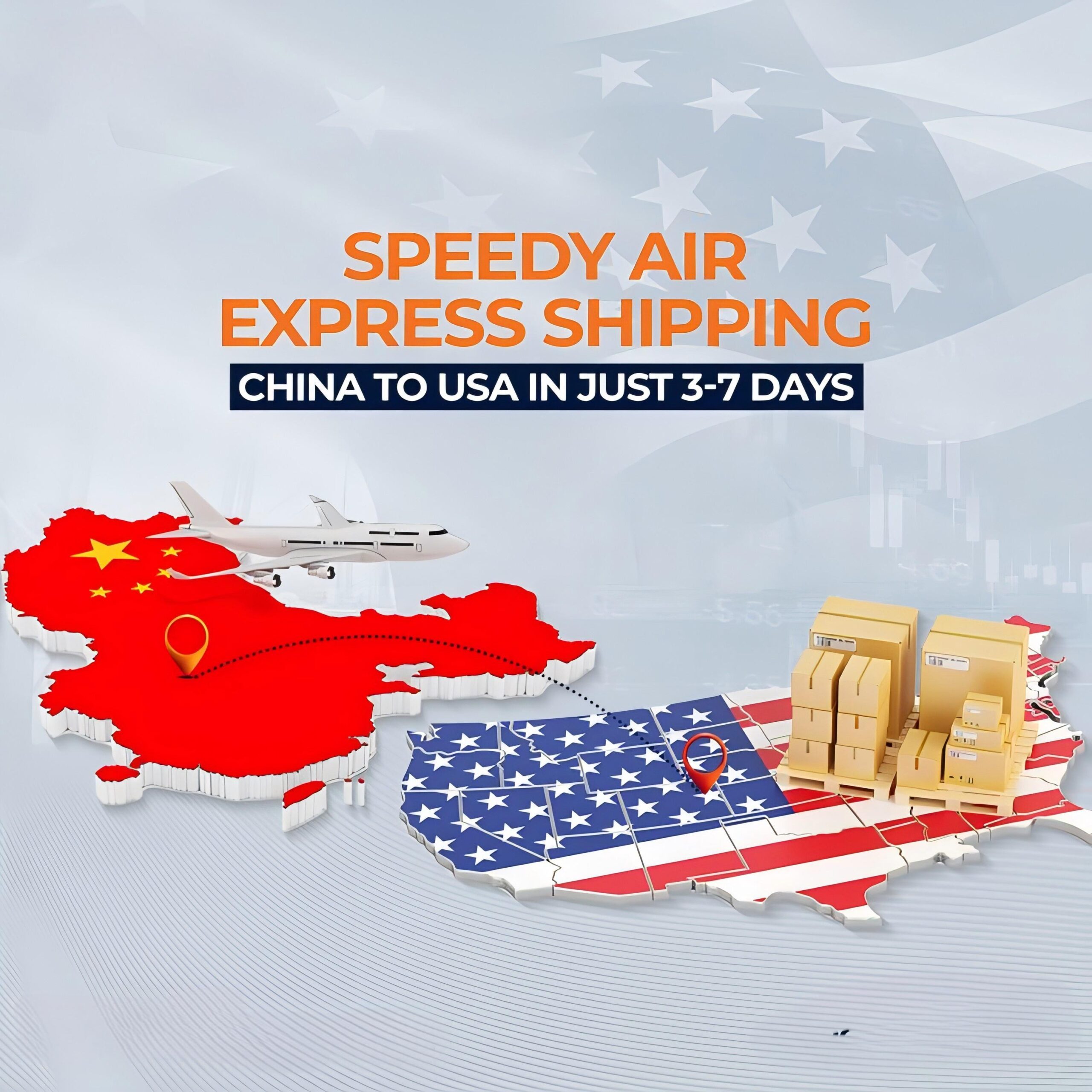
For instance, sea freight is generally the most economical for bulk goods, albeit with longer delivery schedules. Conversely, air freight offers speed but at a premium price. Your decision impacts your overall supply chain efficiency.
| Shipping Method | Cost Range | Transit Time | Best For | Limitations |
|---|---|---|---|---|
| Sea Freight (FCL/LCL) | Low to Moderate | 15-45 Days | Heavy, bulky, non-urgent goods | Slow, port-to-port only |
| Air Freight | High | 3-10 Days | Urgent, high-value, perishable goods | Expensive, weight/volume limits |
| Rail Freight | Moderate | 15-25 Days | Mid-size, time-sensitive goods to Europe | Limited routes, not for all destinations |
| Express Service | Very High | 1-5 Days | Small parcels, samples, documents | Very expensive for large items |
Navigating Costs: Understanding China Freight Shipping Rates
Freight rates from China are influenced by numerous variables, including fuel costs, seasonal demand, and geopolitical events. Consequently, getting a precise quote requires detailed shipment information. Transparency in pricing is a hallmark of reputable freight forwarders.
Furthermore, beyond the base freight rate, shippers must account for origin charges, destination charges, and potential customs duties. These additional costs can significantly impact the total landed cost of your goods. Always request an itemized quote to avoid surprises.
The Importance of Customs Clearance and Documentation
Proper customs clearance is a non-negotiable aspect of international shipping. Errors or omissions in documentation can lead to significant delays and penalties. Therefore, choosing a partner with strong customs brokerage expertise is vital.
Indeed, a good freight forwarder will guide you through the necessary paperwork, from commercial invoices to packing lists and certificates of origin. Their experience ensures compliance with both Chinese export regulations and your destination country’s import laws. This prevents costly hold-ups.
Evaluating Freight Forwarder Reliability: What Do Reviews Reveal?
Reliability is often the most cited concern in China freight reviews. Customers value consistent transit times and accurate tracking information. A dependable partner minimizes risks and keeps your supply chain moving smoothly.
Moreover, effective communication during transit is a key indicator of reliability. Forwarders who provide regular updates and promptly address concerns tend to receive higher ratings. Look for reviews that emphasize strong customer support and problem resolution capabilities.

How Does Door-to-Door Service Enhance Your Shipping Experience?
For many businesses, particularly those new to importing, door-to-door service offers unparalleled convenience. This comprehensive solution manages every stage of the shipping process, from supplier pickup to final delivery. It simplifies complex logistics.
Essentially, this service consolidates multiple steps, including local transport, customs formalities, and international transit, into a single, streamlined process. Consequently, it reduces the administrative burden and potential for errors on your part. It is especially beneficial for businesses without extensive logistics teams.
Real-World China Freight Reviews: Case Studies
Examining real-world scenarios provides valuable insights into what to expect from China freight services. These case studies highlight typical challenges and successful strategies. They illustrate the practical application of different shipping methods and services.
Based on Q3 2024 market rates, these examples show how various factors like cargo type, destination, and urgency influence shipping decisions. Understanding these examples can help you make informed choices for your own imports.
Case Study 1: Large Volume Apparel to Europe
A European fashion retailer needed to ship a large volume of seasonal apparel. They prioritized cost-efficiency over speed, choosing sea freight for their bulk order. This strategy allowed them to manage inventory effectively within their budget.
| Field | Value |
|---|---|
| Route | Shanghai, China -> Rotterdam, Netherlands |
| Cargo | Apparel (textiles), 58 CBM, 15,000 kg |
| Container | 1 x 40HQ |
| Shipping Details | Carrier: COSCO, Port of Loading: Shanghai, Port of Discharge: Rotterdam, Route Type: Direct |
| Cost Breakdown | Ocean Freight: $3,850, Origin Charges: $450, Destination Charges: $550, Customs & Duties (estimated): $1,200, Total Landed Cost: $6,050 |
| Timeline | Booking to Loading: 7 days, Sea Transit: 28 days, Customs Clearance: 3 days, Total Door-to-Door: 38 days |
| Key Insight | Cost-effective for high volume, non-urgent goods. Rates were stable in Q3 2024. |
Case Study 2: Electronics Components to USA West Coast
A US-based electronics manufacturer required a shipment of critical components. While not extremely urgent, they needed a balance of speed and cost. LCL sea freight was chosen to avoid the cost of a full container for their smaller volume.
| Field | Value |
|---|---|
| Route | Ningbo, China -> Los Angeles, USA |
| Cargo | Electronic components, 12 CBM, 2,500 kg |
| Container | LCL 12 CBM |
| Shipping Details | Carrier: Maersk (via FCL consolidation), Port of Loading: Ningbo, Port of Discharge: Los Angeles, Route Type: Direct |
| Cost Breakdown | Ocean Freight: $1,200, Origin Charges: $300, Destination Charges: $400, Customs & Duties (estimated): $500, Total Landed Cost: $2,400 |
| Timeline | Booking to Loading: 5 days, Sea Transit: 16 days, Customs Clearance: 2 days, Total Door-to-Door: 25 days |
| Key Insight | LCL is efficient for smaller volumes. Timely pre-clearance helped avoid port congestion delays common in early 2025. |
Case Study 3: Amazon FBA Inventory to Australia
An Amazon seller needed to replenish stock quickly for their Australian warehouse. Given the product type (consumer electronics) and urgency, Amazon FBA express air freight was the preferred method. This ensured fast delivery directly to the fulfillment center.
| Field | Value |
|---|---|
| Route | Shenzhen, China -> Sydney, Australia |
| Cargo | Consumer electronics, 2 CBM, 350 kg |
| Container | Air Cargo |
| Shipping Details | Carrier: FedEx Express, Port of Loading: Shenzhen, Port of Discharge: Sydney, Route Type: Direct Air |
| Cost Breakdown | Air Freight: $1,800, Origin Charges: $150, Destination Charges: $100, Customs & Duties (estimated): $250, Total Landed Cost: $2,300 |
| Timeline | Booking to Loading: 2 days, Air Transit: 4 days, Customs Clearance: 1 day, Total Door-to-Door: 9 days |
| Key Insight | Fastest option for urgent FBA replenishment. Higher cost but ensures quick market entry. Typical rates as of early 2025. |
Which Shipping Option Should You Choose?
Choosing the optimal shipping method depends entirely on your specific business needs and priorities. Consider your budget, the urgency of your shipment, and the nature of your cargo. Each factor plays a crucial role in the decision-making process.
Moreover, volume thresholds often dictate the most economical choice. For example, LCL sea freight is more suitable for shipments under 15 CBM than a full container. Conversely, if speed is paramount, air freight or express services are indispensable, despite their higher cost.
Budget Priority
If your primary concern is minimizing costs, sea freight is almost always the most economical choice. Consider LCL (Less than Container Load) for smaller shipments. FCL (Full Container Load) becomes cost-effective for larger volumes.
Speed Priority
For urgent deliveries, air freight or express services are the best options. These methods ensure the quickest transit times, which is vital for time-sensitive products or rapid inventory replenishment. The premium cost is justified by speed.
Cargo Type Considerations
Fragile, high-value, or perishable goods often benefit from air freight’s faster transit and reduced handling. However, hazardous materials or oversized cargo may have specific restrictions. Consult your freight forwarder for specialized handling requirements.
Market Trends and Their Impact on China Freight Reviews
Current market conditions significantly influence freight rates and service quality. As of Q1 2025, freight rates from China to Europe have stabilized after the 2024 Red Sea disruptions. However, rates typically increase 15-25% during August-October peak season.
Furthermore, global logistics trends, such as increased digitalization and demand for sustainable shipping, are shaping the industry. Forwarders adopting these innovations often receive more positive reviews. Staying informed about these trends helps in selecting a forwarder.
Final Thoughts on China Freight Reviews
Ultimately, successful importing from China hinges on choosing the right freight partner. Thoroughly analyzing China freight reviews provides invaluable insights into a company’s performance. Focus on factors like reliability, communication, cost transparency, and specialized services.
By doing your due diligence, you can secure efficient and cost-effective shipping solutions tailored to your business needs. This proactive approach ensures a smoother supply chain and contributes to your overall business success.
Need a tailored shipping solution?
Ready to streamline your imports from China? Get a personalized quote today and discover how reliable logistics can transform your supply chain. Contact us for competitive rates and expert service on your next shipment.