

China Freight Forwarding: Your Ultimate Guide to Global Shipping
Navigating the complexities of international trade, especially when importing from the world’s manufacturing hub, demands reliable china freight forwarding expertise. Consequently, businesses worldwide seek efficient and cost-effective solutions to move goods from China to their desired destinations. This comprehensive guide will illuminate the essential aspects of freight forwarding from China, helping you understand the processes, options, and critical considerations for successful global shipping. Moreover, we aim to equip you with the knowledge to optimize your supply chain.

What is China Freight Forwarding and Why Does it Matter?
Essentially, china freight forwarding involves the coordination and shipment of goods from China to an international destination. A freight forwarder acts as an intermediary between the shipper and various transportation services, including ocean liners, air cargo carriers, and trucking companies. Therefore, they manage the entire logistical process, ensuring your cargo reaches its destination efficiently and compliantly.
Moreover, this service is crucial for businesses engaged in international trade, as it simplifies complex customs procedures, optimizes shipping routes, and negotiates competitive freight rates. Without a professional freight forwarder, navigating the intricate world of global logistics from China can be overwhelming, leading to costly delays and potential compliance issues. Consequently, partnering with an experienced forwarder is a strategic decision for supply chain success.

Key Challenges in China Freight Forwarding and How Experts Help
The landscape of international shipping from China presents numerous challenges, ranging from fluctuating freight rates to complex regulatory frameworks. For instance, port congestion, especially at major hubs like Shanghai and Ningbo, can cause significant delays. Furthermore, managing documentation for customs clearance across different countries requires meticulous attention to detail and up-to-date knowledge of import/export laws.
However, an expert china freight forwarding partner mitigates these risks effectively. They leverage their vast network and experience to anticipate potential issues, streamline processes, and provide solutions. This includes optimizing transit time, securing cargo insurance, and ensuring all necessary permits and declarations are in order. Ultimately, their expertise safeguards your supply chain against common pitfalls.
Exploring Primary Shipping Methods for China Freight Forwarding
When shipping goods from China, selecting the right transportation method is paramount for balancing cost, speed, and cargo requirements. Each option offers distinct advantages, catering to different business needs and product types. Therefore, understanding these methods is key to making informed decisions for your international shipping strategy.
Furthermore, an experienced freight forwarder can advise on the most suitable method based on your specific cargo, budget, and delivery schedule. They consider factors like volume, urgency, and destination to recommend the optimal solution, thereby simplifying your logistics planning significantly.
Sea Freight: The Cost-Effective Choice
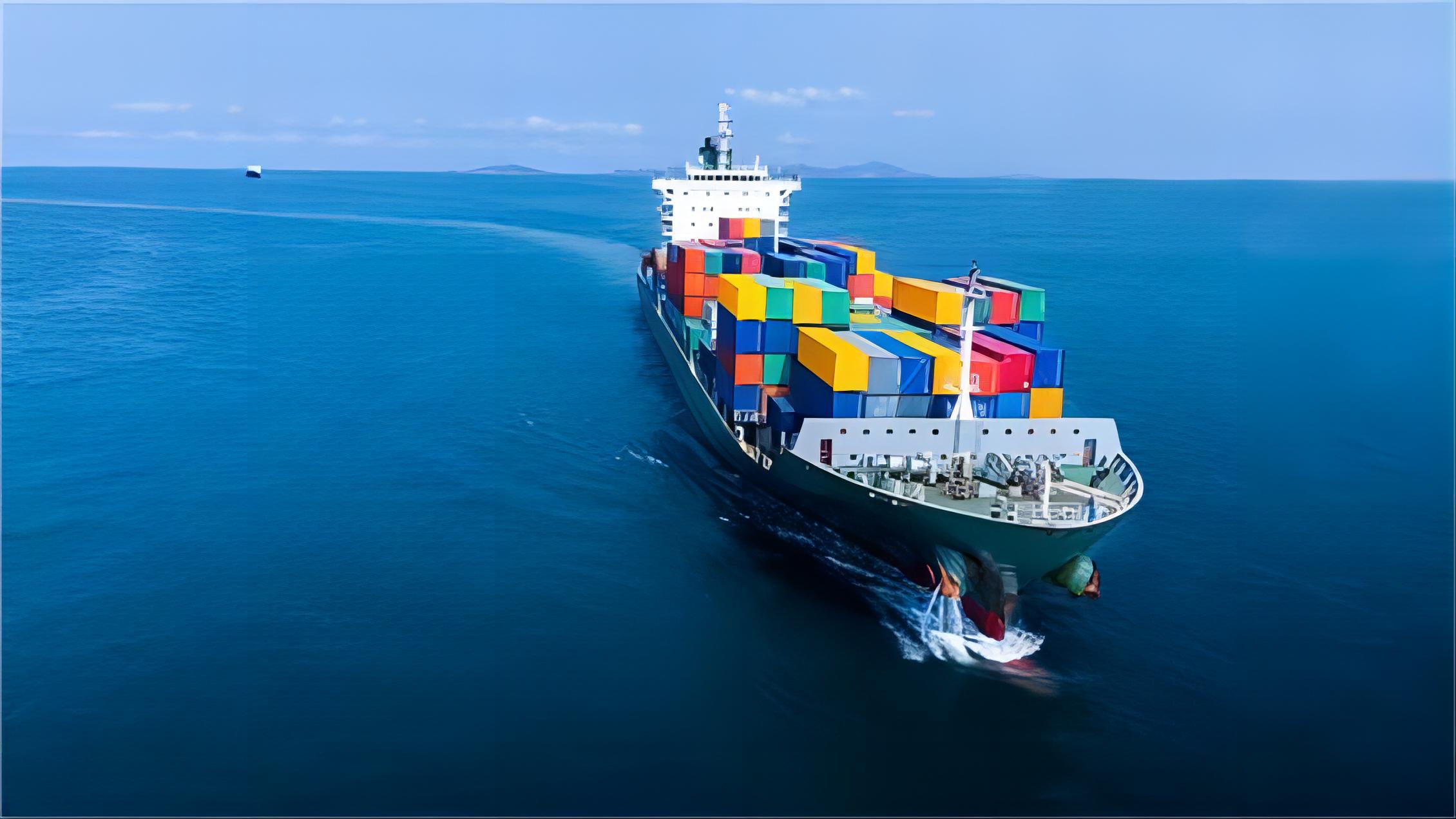
Undoubtedly, sea freight remains the most economical option for large, non-urgent shipments from China. It is ideal for bulk goods, heavy machinery, and products with long lead times. You can choose between Full Container Load (FCL) for exclusive container use or Less than Container Load (LCL) for smaller volumes, sharing container space with other shippers. This flexibility makes it a popular choice for many businesses.
However, sea freight involves longer transit times, typically ranging from 20 to 45 days, depending on the destination. Major Chinese ports like Shanghai, Shenzhen, and Ningbo handle vast volumes of cargo destined for North America, Europe, and Australia. Despite the longer duration, the significant cost savings often outweigh the wait for many importers.
Air Freight: Speed and Urgency
Conversely, air freight is the preferred method for urgent, high-value, or time-sensitive goods. It offers significantly faster transit times, typically 3-7 days, making it ideal for perishable items, fashion goods, and electronics. Consequently, businesses needing rapid inventory replenishment often opt for air cargo services.
However, air freight is considerably more expensive than sea freight, and its cost is calculated by chargeable weight. Major international airports in China, such as Shanghai Pudong (PVG), Beijing Capital (PEK), and Guangzhou Baiyun (CAN), serve as critical hubs for global air cargo. Therefore, careful consideration of cost versus speed is essential when choosing this option.
Rail Freight: The Balanced Option for Europe
For shipments between China and Europe, rail freight offers a compelling balance of speed and cost-effectiveness. It is faster than sea freight and more affordable than air freight, with transit times typically ranging from 15 to 25 days. This makes it an excellent choice for goods that are not extremely urgent but still require quicker delivery than ocean shipping.
Indeed, the ‘New Silk Road’ railway network connects numerous Chinese cities to destinations across Central Asia and Europe, such as Duisburg and Warsaw. This method is particularly beneficial for businesses looking to optimize their supply chain with a reliable middle-ground solution. Furthermore, it often provides more predictable schedules compared to sea freight, reducing potential delays.
Express Service: For Small, Time-Critical Shipments
Finally, express service, typically offered by integrators like DHL, FedEx, and UPS, is best suited for small parcels, documents, and highly time-critical samples. It provides door-to-door delivery within a few days, often with real-time tracking. Therefore, for urgent small packages, express is unmatched in speed and convenience.
Nevertheless, the cost per kilogram is much higher than other methods, making it unsuitable for large or heavy shipments. However, for businesses requiring immediate delivery of prototypes or critical components, the speed and reliability of express service are invaluable. It ensures that essential items reach their destination with minimal delay.
The Comprehensive Process of China Freight Forwarding
A successful china freight forwarding operation involves a series of coordinated steps, meticulously managed by your forwarder. This process begins long before your goods leave the factory floor and extends until they reach your final destination. Consequently, understanding each stage provides clarity and helps in planning your imports effectively.
From initial booking to final delivery, the forwarder handles all logistical intricacies, allowing you to focus on your core business. They ensure seamless transitions between different modes of transport and navigate complex regulatory environments. This end-to-end management is a hallmark of professional freight services.
Booking and Documentation
Initially, the process starts with booking your shipment and preparing essential documentation, such as the Commercial Invoice, Packing List, and Bill of Lading (for sea freight) or Air Waybill (for air freight). A professional freight forwarder assists in ensuring all documents are accurate and complete, preventing delays. This meticulous preparation is vital for smooth transit.
Moreover, they coordinate with suppliers, warehouses, and carriers to schedule pick-ups and confirm cargo readiness. Proper documentation is the backbone of international shipping, and any discrepancies can lead to significant issues. Therefore, expert guidance in this phase is indispensable.
Cargo Consolidation and Warehousing
For LCL shipments, cargo consolidation is a critical step where goods from multiple shippers are combined into one container to optimize space and reduce costs. Freight forwarders often have their own or partnered warehouses in China for this purpose. This practice is particularly beneficial for small to medium-sized businesses.
Additionally, warehousing services may include quality checks, repackaging, and labeling, ensuring your goods are prepared for international transit. This consolidation strategy helps to achieve more competitive shipping from China to Europe costs for smaller volumes. Consequently, it makes international trade more accessible.
Customs Clearance: Navigating Regulations
Without a doubt, customs brokerage is one of the most complex aspects of international shipping. Freight forwarders act as licensed customs brokers, preparing and submitting all required declarations and duties to both Chinese export customs and the destination country’s import customs. This expertise is essential for avoiding penalties and delays.
They stay updated on ever-changing trade regulations, tariffs, and compliance requirements, ensuring your goods clear customs smoothly. For example, they handle HS codes, valuations, and specific import licenses. Therefore, their role is indispensable in ensuring legal and efficient cross-border movement of goods.
| Document Type | Purpose | Issued By |
|---|---|---|
| Commercial Invoice | Details of goods, value, seller/buyer | Seller |
| Packing List | Details of contents, weight, dimensions | Seller |
| Bill of Lading (B/L) | Contract of carriage, title to goods (sea) | Carrier/Forwarder |
| Air Waybill (AWB) | Contract of carriage (air) | Carrier/Forwarder |
| Certificate of Origin | Confirms country of manufacture | Chamber of Commerce |
| Customs Declaration Form | For import/export customs clearance | Forwarder/Broker |
Transportation and Tracking
Once cleared, your cargo is loaded onto the chosen mode of transport, whether it’s a vessel, aircraft, or train. Throughout transit, freight forwarders provide tracking updates, allowing you to monitor your shipment’s progress. This transparency offers peace of mind and helps in planning for arrival. Consequently, you can manage your inventory more effectively.
They also manage any transshipments or transfers between different carriers or modes, ensuring continuity. Effective tracking is particularly important for optimizing your supply chain and managing customer expectations. Therefore, reliable communication throughout this stage is paramount.
Door-to-Door Delivery: Seamless Final Mile
Finally, upon arrival at the destination port or airport, the freight forwarder handles the import customs clearance, payment of duties and taxes, and arrangement of local delivery. Door-to-door service means your goods are delivered directly to your specified address, minimizing your involvement. This comprehensive service simplifies the entire import process.
This last-mile delivery is crucial for customer satisfaction and overall supply chain efficiency. Therefore, choosing a forwarder with robust local delivery capabilities is vital for a truly seamless experience. They ensure your products reach your warehouse or customer without additional hassle.
How Do Shipping Methods Compare for China Freight Forwarding?
Choosing the optimal shipping method from China is a strategic decision that directly impacts your budget and delivery timelines. Therefore, a clear understanding of the trade-offs between different options is essential. This comparison highlights the primary factors to consider when planning your international shipments, helping you select the best approach for your specific needs.
Based on current market rates and typical transit times as of early 2025, here’s a comprehensive overview. Note: Freight rates are subject to change based on fuel costs, carrier capacity, and seasonal demand. Contact us for a current quote tailored to your specific shipment.
| Shipping Method | Cost Range (per kg/CBM) | Transit Time (Avg.) | Best For | Limitations |
|---|---|---|---|---|
| Sea Freight (FCL) | $0.05 – $0.15/kg | 20-45 days | Large volumes, heavy goods, non-urgent | Slowest, port congestion risk |
| Sea Freight (LCL) | $50 – $120/CBM | 25-50 days | Smaller volumes (under 15 CBM), non-urgent | Slower than FCL, potential for delays |
| Air Freight | $4.00 – $8.00/kg | 3-7 days | Urgent, high-value, perishable goods | Most expensive, weight/volume restrictions |
| Rail Freight (China-Europe) | $0.80 – $1.50/kg | 15-25 days | Medium urgency, cost-sensitive, Europe-bound | Limited routes, capacity can be tight |
| Express Service | $8.00 – $15.00/kg | 2-5 days | Samples, documents, very urgent small parcels | Very expensive, small package only |
Which Option Should You Choose? A Decision Framework for China Freight Forwarding
Ultimately, the best shipping method depends on your specific priorities and cargo characteristics. Therefore, a structured approach helps in making an informed decision. Consider these factors to guide your choice for effective Amazon FBA shipping or other commercial imports.
For instance, budget constraints often dictate the initial choice, but speed and reliability can be equally important for customer satisfaction. Evaluating these trade-offs carefully ensures your supply chain remains robust and responsive to market demands.
Budget Priority
If cost is your primary concern, particularly for large volumes, sea freight (FCL or LCL) is almost always the most economical option. While transit times are longer, the savings on freight rates can be substantial. For example, a 40HQ container to Europe might cost $3,000-$4,200 by sea, whereas the equivalent by air could exceed $20,000. Therefore, plan well in advance to leverage these savings.
Speed Priority
For urgent shipments or products with short shelf lives, air freight or express service are indispensable. Although more expensive, they drastically reduce transit time, ensuring quick market entry or replenishment. For instance, air freight can deliver goods to North America in 3-5 days compared to 25-35 days by sea. Consequently, this speed can be critical for competitive advantage.
Cargo Type Considerations
The nature of your cargo also plays a significant role. Perishable goods, pharmaceuticals, or high-value electronics typically require the speed and security of air freight. Conversely, bulky raw materials, machinery, or consumer goods are well-suited for the capacity and cost-effectiveness of sea freight. Furthermore, hazardous materials have specific handling and transport requirements that limit options.
Volume Thresholds for Switching Methods
For smaller shipments (under 1-2 CBM or 100-200 kg), express service might be comparable in cost to LCL sea freight but offers much faster delivery. As volume increases (above 2-15 CBM), LCL sea freight becomes more cost-effective. Beyond 15-20 CBM, FCL sea freight typically offers the best value. However, for time-sensitive cargo, even larger volumes might justify air freight. Therefore, understanding these thresholds helps optimize your shipping from China to USA or other destinations.
Hybrid Solutions
Consider hybrid solutions for a blend of speed and cost. For example, a sea-air combination involves shipping goods by sea to a transshipment hub (e.g., Dubai) and then by air to the final destination. This can significantly reduce overall transit time compared to pure sea freight, while being more affordable than pure air freight. Consequently, it offers a flexible approach for optimizing your delivery schedule and spend.
Real-World Success: Case Studies in China Freight Forwarding
To illustrate the practical application of effective china freight forwarding, let’s examine a few real-world scenarios. These examples highlight how strategic choices in shipping methods and expert handling can lead to successful outcomes, even amidst common logistical challenges. Consequently, they offer valuable insights for your own import operations.
Based on Q3 2024 market rates and typical transit times, these case studies demonstrate the complexities and solutions in international logistics. Note: Freight rates are subject to change based on fuel costs, carrier capacity, and seasonal demand. Contact us for a current quote tailored to your specific shipment.
Case Study 1: Large Volume Textiles to Europe by Sea
This case involved a fashion retailer needing to import a large quantity of textile products. Given the substantial volume and non-urgent nature of the goods, sea freight was the most logical and cost-effective choice. The challenge was managing the peak season rush and ensuring timely booking. The freight forwarder secured space well in advance and managed all port logistics.
The successful delivery ensured the retailer met their seasonal inventory demands without incurring excessive shipping costs. This demonstrates the advantage of forward planning for large-scale imports. Effective communication and proactive problem-solving were key to this project’s success.
| Detail | Value |
|---|---|
| Route | Shanghai, China Hamburg, Germany |
| Cargo | Textile products, 55 CBM, 15,000 kg |
| Container | 1 x 40HQ |
| Shipping Details | Carrier: COSCO, Port of Loading: Shanghai, Port of Discharge: Hamburg, Route Type: Direct |
| Cost Breakdown | Ocean Freight: $3,800, Origin Charges: $450, Destination Charges: $550, Customs & Duties (estimated): $1,200, Total Landed Cost: $6,000 (Typical rates as of early 2025) |
| Timeline | Booking to Loading: 7 days, Sea Transit: 32 days, Customs Clearance: 3 days, Total Door-to-Door: 45 days |
| Key Insight | Securing space during peak season (Q3 2024) required early booking; direct route minimized transshipment risks and delays. |
Case Study 2: Urgent Electronics to USA West Coast by Air
A tech startup required a rapid shipment of a new electronics component to meet a critical product launch deadline in the USA. Speed was paramount, making air freight the only viable option despite the higher cost. The freight forwarder expedited customs clearance and selected a direct flight to minimize transit time. This ensured the components arrived well before the deadline.
This scenario highlights the critical role of air freight for time-sensitive, high-value goods where delays are unacceptable. The premium cost was justified by the need to avoid production halts and maintain launch schedules. Consequently, the project was a resounding success.
| Detail | Value |
|---|---|
| Route | Shenzhen, China Los Angeles, USA |
| Cargo | Electronics components, 3 CBM, 600 kg |
| Container | Air Cargo (Chargeable Weight: 750 kg) |
| Shipping Details | Carrier: Cathay Pacific Cargo, Port of Loading: Shenzhen (SZX), Port of Discharge: Los Angeles (LAX), Route Type: Direct |
| Cost Breakdown | Air Freight: $4,500, Origin Charges: $300, Destination Charges: $250, Customs & Duties (estimated): $700, Total Landed Cost: $5,750 (Based on Q3 2024 market rates) |
| Timeline | Booking to Loading: 2 days, Air Transit: 4 days, Customs Clearance: 1 day, Total Door-to-Door: 7 days |
| Key Insight | Rapid customs pre-clearance and direct flight selection were crucial for meeting the tight product launch deadline. |
Case Study 3: LCL Goods for Multiple Amazon FBA Warehouses
An e-commerce seller regularly imported various small batches of consumer goods from multiple suppliers in China. The challenge was consolidating these diverse items into cost-effective LCL shipments and distributing them to different Amazon FBA warehouses across the US. The freight forwarder managed consolidation in China, followed by LCL sea freight, and then domestic distribution. This multi-leg approach streamlined the entire process.
This case illustrates the efficiency of using LCL for smaller, disparate shipments combined with specialized last-mile services. It enabled the seller to maintain optimal inventory levels at various FBA locations without committing to full containers for each product line. Therefore, it’s an excellent strategy for growing e-commerce businesses.
| Detail | Value |
|---|---|
| Route | Ningbo, China Seattle, USA (via LCL) |
| Cargo | Consumer goods (toys, gadgets), 10 CBM, 2,500 kg |
| Container | LCL 10 CBM |
| Shipping Details | Carrier: Maersk (LCL Consolidation), Port of Loading: Ningbo, Port of Discharge: Seattle, Route Type: Transshipment via Busan |
| Cost Breakdown | Ocean Freight (LCL): $1,000, Origin Charges: $350, Destination Charges: $400, Customs & Duties (estimated): $500, Total Landed Cost: $2,250 (Typical rates as of early 2025) |
| Timeline | Booking to Loading: 5 days, Sea Transit: 18 days, Customs Clearance: 2 days, Total Door-to-Door: 28 days (including FBA delivery) |
| Key Insight | Efficient consolidation of multiple suppliers’ goods and seamless integration with Amazon FBA delivery network optimized costs and delivery to various warehouses. |
Optimizing Your Supply Chain: Advanced Tips for China Freight Forwarding
Beyond choosing the right shipping method, several advanced strategies can further enhance your china freight forwarding operations. Implementing these tips can lead to significant cost savings, improved efficiency, and greater resilience in your supply chain. Therefore, continuous optimization is key to long-term success.
Indeed, staying informed about logistics trends and proactively planning for potential disruptions can give your business a competitive edge. These strategies help streamline processes and reduce unexpected expenses, making your international shipping more predictable.
Early Planning and Forecasting
Without a doubt, planning your shipments well in advance, especially during peak seasons like Chinese New Year or Q4 holidays, is crucial. Accurate forecasting allows you to book space and containers early, often at better rates, and avoid surcharges. Consequently, this proactive approach minimizes last-minute stress and unexpected costs. Furthermore, it helps your freight forwarder secure optimal routing.
Consolidation Strategies
If you source from multiple suppliers in China, consider consolidating your cargo into a single LCL or FCL shipment. This reduces per-unit shipping costs and simplifies customs clearance. A good freight forwarder can manage this consolidation at their Chinese warehouses. Therefore, it’s a powerful strategy for small to medium-sized importers to achieve economies of scale.
Cargo Insurance
While an added cost, cargo insurance provides vital protection against loss, damage, or theft during transit. Given the long distances and multiple handling points in international shipping, this is a wise investment. It offers peace of mind and financial security against unforeseen events. Consequently, always discuss insurance options with your forwarder.
Understanding Incoterms
Familiarize yourself with Incoterms (International Commercial Terms), which define the responsibilities of buyers and sellers for the delivery of goods. Choosing the right Incoterm can significantly impact your shipping costs, risk allocation, and overall control over the logistics process. For instance, FOB (Free On Board) is common for sea freight, placing more responsibility on the buyer for main carriage. Therefore, clarity on Incoterms prevents disputes and clarifies obligations.
Leveraging Technology and Data
Modern freight forwarders utilize advanced logistics software for tracking, data analysis, and supply chain visibility. Leveraging these tools can provide real-time insights into your shipments, identify bottlenecks, and inform future decisions. Consequently, data-driven optimization leads to more efficient and resilient operations. Furthermore, it enhances transparency across your entire shipping pipeline.
Navigating Global Trade with Expert China Freight Forwarding
In conclusion, successful international trade from China hinges on effective <a href=”https://Top China Freight.com/”>china freight forwarding</a>. By understanding the various shipping methods, the comprehensive logistical process, and implementing strategic optimization tips, businesses can navigate the complexities of global supply chains with confidence. Choosing a reliable freight forwarder is not merely a service selection; it is a partnership that drives efficiency, reduces costs, and ensures your goods reach their destination seamlessly.
Ultimately, whether you prioritize speed, cost, or specific cargo handling, the right freight forwarding strategy from China is vital for your business’s growth and profitability. Consequently, investing in expert logistics support is an investment in your company’s future success.
Get Your Shipping Quote Today
Ready to streamline your international shipping from China? Contact Top China Freight today for a personalized quote and expert guidance on your next shipment. Our team is dedicated to providing efficient and reliable china freight forwarding solutions tailored to your unique business needs.
Request Quote