

Overland Freight China to Australia: Your Shipping Guide
Shipping goods from China to Australia involves navigating complex logistics and choosing the right transportation methods. Many businesses initially consider ‘overland freight china to australia’ for various routes; however, due to Australia’s geographical nature as an island continent, traditional overland shipping from China is not a viable option. Instead, successful import strategies rely heavily on robust sea and air freight solutions. Understanding these options is crucial for efficient and cost-effective delivery. Top China Freight offers comprehensive services to streamline your supply chain.
✦
Is Overland Freight from China to Australia Possible?
Many businesses inquire about overland freight from China to Australia, seeking direct routes for their cargo. However, it is fundamentally impossible to transport goods via traditional overland methods like road or rail between these two countries. Australia is a large island continent, separated by vast oceans from the Asian mainland.
Consequently, when planning to ship goods, the focus must shift entirely to sea freight or air freight. Understanding this geographical reality is the first step in developing an effective logistics strategy. We will explore the viable and most efficient methods for shipping from China to Australia.

Main Shipping Methods from China to Australia
Given the geographical constraints, businesses primarily rely on two main shipping methods to transport goods from China to Australia. Each method offers distinct advantages and disadvantages concerning cost, speed, and cargo capacity. Selecting the appropriate method depends significantly on your specific business needs and product characteristics.
Considering your budget and urgency is paramount when making this decision. Furthermore, the type and volume of goods also play a critical role in determining the most suitable logistics solution.
Sea Freight: The Cost-Effective Choice
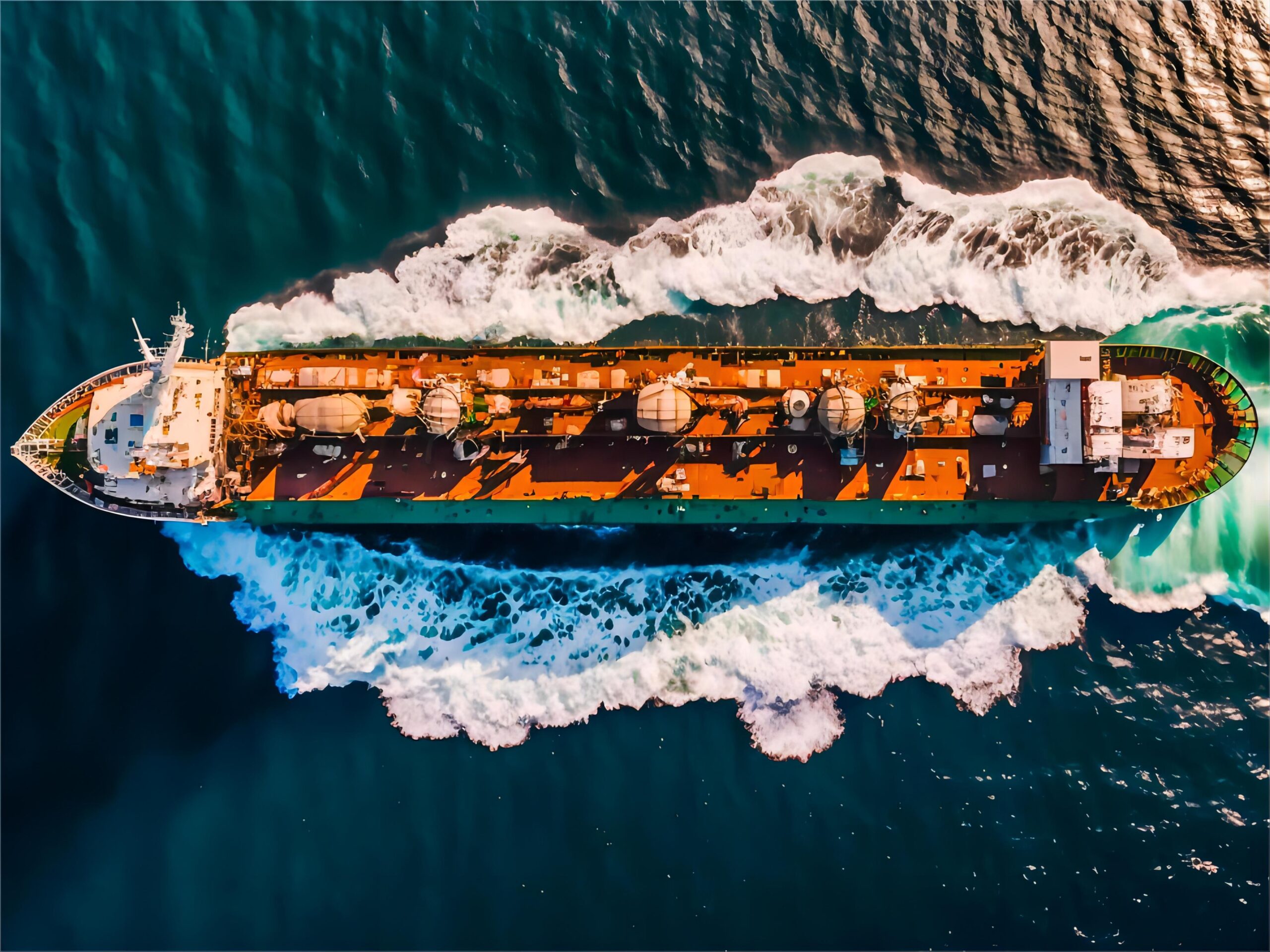
For large volumes and non-urgent shipments, sea freight stands out as the most economical option. Cargo is typically loaded into containers (FCL – Full Container Load) or consolidated with other shipments (LCL – Less than Container Load) onto large vessels. This method is ideal for bulk goods, heavy machinery, and products where cost savings outweigh speed requirements.
However, sea freight involves longer transit times, typically ranging from 12 to 30 days, depending on the specific ports and service routes. Despite the extended delivery schedule, the cost efficiency makes it a preferred choice for many importers. Major ports include Shanghai, Ningbo, Shenzhen in China, and Sydney, Melbourne, Brisbane, Fremantle in Australia.
Air Freight: The Fastest Solution
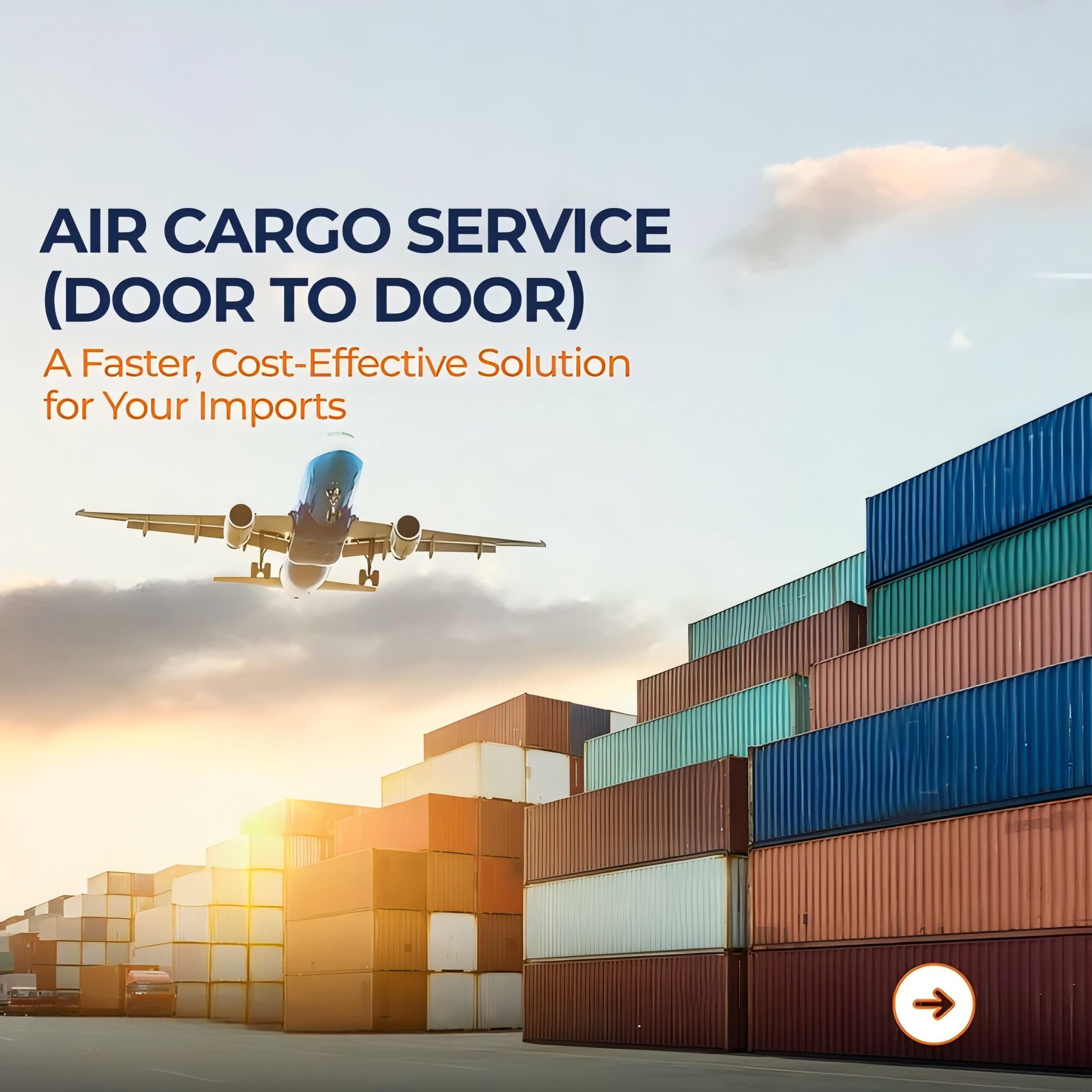
When speed is the priority, air freight offers the quickest transit times for shipping from China to Australia. This method is perfect for high-value goods, perishable items, or urgent deliveries where delays could result in significant financial losses. While significantly faster, air freight is also considerably more expensive than sea freight.
Transit times for air cargo usually range from 3 to 7 days, including customs clearance. Key airports in China include Shanghai Pudong (PVG), Beijing Capital (PEK), and Guangzhou Baiyun (CAN). In Australia, major hubs are Sydney (SYD), Melbourne (MEL), and Brisbane (BNE). Choosing air freight can greatly reduce your lead times.
How Does Shipping from China to Australia Work?
The process of shipping goods from China to Australia involves several crucial steps, from origin to final destination. Initially, you must choose a reliable freight forwarder to manage the complexities of international logistics. This partner will help you select the best shipping method, handle documentation, and coordinate transportation.
Understanding the entire supply chain, including pickup, consolidation, main transportation, customs clearance, and final delivery, is vital. A smooth process ensures your goods arrive on time and without unexpected issues.
Key Steps in the Shipping Process
First, your goods are picked up from the supplier in China and transported to a consolidation warehouse or port/airport. There, they are prepared for export, which includes packaging, labeling, and necessary documentation. Subsequently, the cargo undergoes export customs clearance in China before being loaded onto a vessel or aircraft.
Upon arrival in Australia, the goods go through import customs clearance, where duties and taxes are assessed. Finally, after clearance, the cargo is transported to its final destination within Australia, often facilitated by a door-to-door service. This comprehensive approach simplifies the import process for many businesses.
Essential Customs Documentation
Proper documentation is critical for smooth customs clearance in both China and Australia. Incorrect or incomplete paperwork can lead to significant delays and additional costs. Therefore, preparing all necessary documents accurately and in advance is essential.
This checklist ensures compliance with import regulations.
| Document Type | Purpose | Required By | Notes |
|---|---|---|---|
| Commercial Invoice | Details of goods, value, seller/buyer | Customs | For duty/tax assessment |
| Packing List | Itemized list of goods, packaging | Customs, Carriers | For cargo handling & inspection |
| Bill of Lading (B/L) / Air Waybill (AWB) | Contract of carriage, title to goods | Carrier, Receiver | Proof of shipment |
| Certificate of Origin | Confirms country of manufacture | Customs | May affect duty rates |
| Import Permit (if applicable) | For restricted or regulated goods | Australian Authorities | Specific product types |
| Customs Value Declaration | Declares value for duty calculation | Australian Customs | Ensures correct assessment |
Understanding Shipping Costs and Transit Times
Determining the total cost and expected transit time for shipping from China to Australia is crucial for budgeting and inventory management. Several factors influence freight rates, including the chosen shipping method, cargo volume, weight, origin and destination points, and current market conditions. Fuel surcharges and peak season demand can significantly impact pricing.
Moreover, transit times vary widely between sea and air freight. Therefore, a clear understanding of these variables helps businesses make informed decisions.
| Shipping Method | Cost Range (per kg/CBM) | Transit Time | Best For | Limitations |
|---|---|---|---|---|
| Sea Freight (FCL) | $50-80/CBM (excl. local charges) | 12-25 Days | Large volumes, bulk goods, heavy items | Slow, susceptible to port delays |
| Sea Freight (LCL) | $80-120/CBM (excl. local charges) | 18-30 Days | Smaller shipments (1-15 CBM), non-urgent | Longer transit, potential for damage |
| Air Freight | $5-10/kg (excl. local charges) | 3-7 Days | Urgent, high-value, perishable goods | High cost, weight/volume restrictions |
| Express Service | $10-15/kg (all-inclusive) | 2-5 Days | Small packages, samples, e-commerce | Very high cost for larger shipments |
Cost Components to Consider
Beyond the base freight rate, importers must account for various additional charges. These include origin charges (e.g., terminal handling, documentation fees, trucking to port), destination charges (e.g., port congestion, customs clearance fees, local delivery), and potential duties and taxes levied by Australian customs. A comprehensive quote from a reputable freight forwarder will itemize these costs.
Consequently, always request an all-inclusive quote to avoid unexpected expenses. This transparency is vital for accurate financial planning.
Real-World Shipping Scenarios: Case Studies
Understanding theoretical options is one thing; seeing how they apply in real-world situations provides invaluable insight. These case studies illustrate practical shipping solutions from China to Australia, highlighting various considerations like cargo type, urgency, and budget. Each example demonstrates how different methods and strategies can be optimized for specific import needs.
These scenarios offer a glimpse into the complexities and successful outcomes of international freight. They underscore the importance of tailored logistics planning.
Case Study 1: Importing E-commerce Goods via LCL Sea Freight
A small e-commerce business in Sydney needed to import 8 CBM of clothing and accessories from Guangzhou. Their priority was cost-effectiveness over speed, as inventory was managed with a longer lead time.
The solution involved consolidating their goods with other shipments, leveraging sea freight LCL. This approach minimized per-unit shipping costs significantly.
| Detail | Description |
|---|---|
| Route | Guangzhou, China -> Sydney, Australia |
| Cargo | Clothing and accessories, 8 CBM, 1200 kg |
| Container | LCL 8 CBM |
| Shipping Method | Sea Freight (LCL) |
| Carrier/Service | Major carrier service via Singapore |
| Port of Loading | Huangpu, Guangzhou |
| Port of Discharge | Port Botany, Sydney |
| Route Type | Transshipment via Singapore |
| Ocean Freight | $720 (8 CBM x $90/CBM) |
| Origin Charges | $250 (THC, documentation, trucking) |
| Destination Charges | $350 (Port charges, customs clearance fee) |
| Customs & Duties (estimated) | $400 |
| Total Landed Cost | $1720 |
| Booking to Loading | 5 days |
| Sea Transit | 22 days |
| Customs Clearance | 3 days |
| Total Door-to-Door | 30 days |
| Key Insight | LCL sea freight provided a balance of cost-effectiveness and acceptable transit time for non-urgent e-commerce inventory. Based on Q3 2024 market rates. |
Case Study 2: Urgent Spare Parts via Air Freight
An industrial client in Melbourne required urgent spare parts (250 kg, 1.5 CBM) from Shanghai. Production lines faced potential shutdown, making speed the absolute priority, regardless of higher costs.
Air freight was the obvious choice to minimize downtime. The quick transit time ensured minimal disruption to their operations.
| Detail | Description |
|---|---|
| Route | Shanghai, China -> Melbourne, Australia |
| Cargo | Industrial spare parts, 1.5 CBM, 250 kg |
| Container | Air Cargo (General) |
| Shipping Method | Air Freight |
| Carrier/Service | Major airline (e.g., Cathay Pacific Cargo) |
| Port of Loading | Shanghai Pudong (PVG) |
| Port of Discharge | Melbourne Airport (MEL) |
| Route Type | Direct flight |
| Air Freight | $1750 (250 kg x $7/kg) |
| Origin Charges | $180 (Air terminal handling, documentation) |
| Destination Charges | $220 (Terminal charges, customs clearance fee) |
| Customs & Duties (estimated) | $150 |
| Total Landed Cost | $2300 |
| Booking to Loading | 1 day |
| Air Transit | 1 day |
| Customs Clearance | 2 days |
| Total Door-to-Door | 4 days |
| Key Insight | Air freight proved indispensable for time-critical shipments, preventing costly production halts. Typical rates as of early 2025. |
Case Study 3: Large Volume FCL Shipment for a Retailer
A large retail chain in Brisbane needed to import a 40-foot container of seasonal home goods from Ningbo. Their supply chain required consistent stock levels, making reliable, cost-effective full container load (FCL) shipping essential.
Choosing FCL sea freight provided the best balance of cost efficiency and capacity for their substantial order. This method ensured their stores were well-stocked for the upcoming season.
| Detail | Description |
|---|---|
| Route | Ningbo, China -> Brisbane, Australia |
| Cargo | Seasonal home goods, 55 CBM, 8000 kg |
| Container | 40GP FCL |
| Shipping Method | Sea Freight (FCL) |
| Carrier/Service | COSCO |
| Port of Loading | Ningbo |
| Port of Discharge | Port of Brisbane |
| Route Type | Direct service |
| Ocean Freight | $1600 |
| Origin Charges | $300 (THC, documentation, trucking) |
| Destination Charges | $450 (Port charges, local delivery to warehouse) |
| Customs & Duties (estimated) | $700 |
| Total Landed Cost | $3050 |
| Booking to Loading | 3 days |
| Sea Transit | 18 days |
| Customs Clearance | 2 days |
| Total Door-to-Door | 23 days |
| Key Insight | FCL sea freight offered the most cost-effective solution for large-volume, regular imports, supporting consistent retail inventory. Based on Q4 2024 market rates, before peak season surcharges. |
Choosing the Right Shipping Solution for Your Business
Selecting the optimal shipping method for your imports from China to Australia involves evaluating several key factors. There is no single “best” option; instead, the ideal choice aligns with your specific business priorities and cargo characteristics. Consider your budget, the urgency of the shipment, and the nature of the goods being transported.
This decision framework helps streamline your logistics planning.
Decision Framework for Shipping Methods
If budget is your primary concern and transit time is flexible, sea freight (especially LCL for smaller volumes or FCL for larger) is generally the most economical choice. Conversely, if speed is paramount for urgent deliveries or high-value items, air freight becomes the preferred option, despite its higher cost. For very small, time-sensitive packages, an express service might be suitable.
Consider also the volume and weight thresholds; LCL is cost-effective up to about 15 CBM, beyond which FCL often offers better value. Freight rates fluctuate seasonally.
Hybrid and Alternative Approaches
Sometimes, a hybrid approach can offer a balanced solution. For example, a sea-air combination might involve shipping goods by sea to a hub like Singapore, then by air to Australia. This can be faster than pure sea freight but less costly than direct air freight. However, for the China-Australia route, direct sea or air freight are typically the most straightforward options.
Always discuss potential alternative strategies with your freight forwarder. They can advise on the most efficient and cost-effective solutions for your unique supply chain challenges.
Navigating Australian Import Regulations and Customs
Importing goods into Australia requires a thorough understanding of local regulations and customs procedures. Australia has strict biosecurity laws and specific import requirements for various product categories. Non-compliance can lead to significant delays, fines, or even the confiscation of goods. Therefore, meticulous preparation is essential.
Partnering with a knowledgeable customs brokerage service is highly recommended to ensure a smooth clearance process.
Key Considerations for Australian Imports
Importers must ensure their goods comply with Australian standards, including labeling, safety, and environmental regulations. Certain items may require specific permits or licenses before importation. Furthermore, accurate valuation of goods for customs purposes is critical to avoid penalties and ensure correct duty and GST assessment.
Staying informed about the latest import regulations helps prevent unforeseen complications. Industry average for this route requires diligent adherence to these rules.
Duty, GST, and Other Taxes
Upon arrival in Australia, imported goods are typically subject to customs duty and Goods and Services Tax (GST). Duty rates vary widely depending on the type of product and its country of origin. GST is generally 10% of the combined value of the goods, international transport, insurance, and any customs duty.
Understanding these financial obligations upfront is crucial for accurate landed cost calculations. Market data suggests these taxes form a significant part of the total import cost.
Why Partner with a Trusted Freight Forwarder for your China to Australia Shipping?
Managing international shipping from China to Australia can be complex, involving multiple carriers, customs procedures, and potential delays. A professional freight forwarder acts as your logistics partner, streamlining the entire process. They leverage their expertise and network to secure competitive freight rates, manage documentation, and ensure timely delivery.
This partnership is especially valuable for businesses looking to optimize their supply chain and reduce operational burdens.
Benefits of Using a Freight Forwarder
A reliable freight forwarder, like Top China Freight, offers numerous benefits. They provide expert guidance on import regulations, optimize shipping routes, and handle all necessary paperwork. Furthermore, they can consolidate shipments, manage warehousing, and offer Amazon FBA prep services, if applicable, ensuring a seamless experience from factory to customer.
Ultimately, partnering with an experienced forwarder saves time, reduces costs, and minimizes risks associated with international trade. They are crucial for successful cargo handling.
Navigating Shipping from China to Australia Effectively
While ‘overland freight china to australia’ is geographically impossible, efficient and reliable shipping solutions are readily available via sea and air. Understanding the nuances of each method, managing customs documentation, and planning for costs and transit times are paramount for successful imports. By carefully evaluating your needs and leveraging expert guidance, you can optimize your logistics strategy.
Partnering with a seasoned freight forwarder is invaluable for navigating the complexities of international trade. They ensure your goods reach Australia smoothly and cost-effectively, strengthening your business operations.