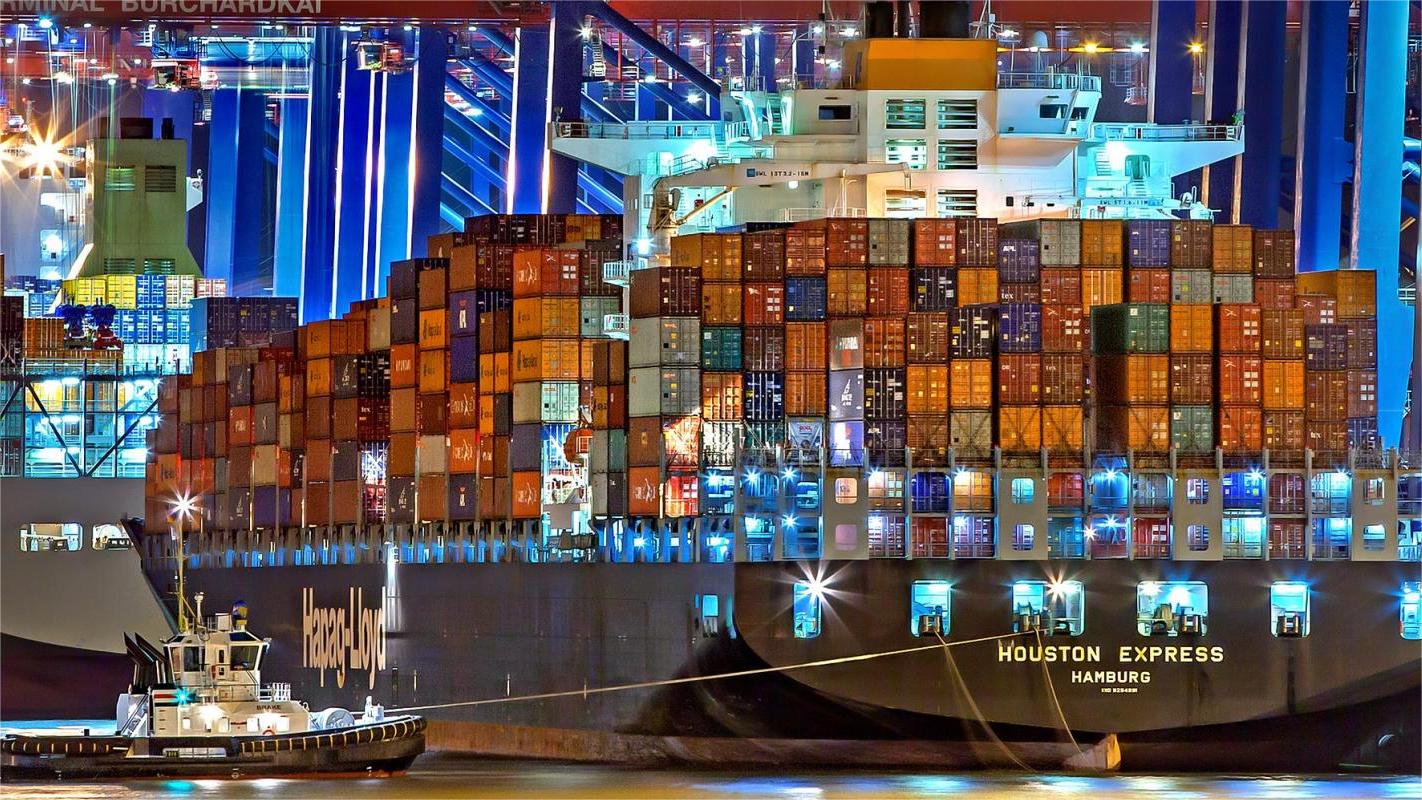
China FCL Port to Port to Texas: The Complete Shipping Guide
Shipping goods via China FCL port to port to Texas is a vital strategy for businesses aiming to optimize their transpacific supply chain. Many importers struggle with fluctuating ocean freight rates and complex documentation requirements during the transit process. Choosing a reliable partner like Top China Freight ensures your cargo moves efficiently from major Chinese hubs to the heart of the American South. This guide explores everything from container selection to customs clearance to help you streamline your operations.

Understanding China FCL Port to Port to Texas Logistics
Full Container Load or FCL refers to shipments where a single importer occupies the entire space of a 20-foot or 40-foot container. This method offers superior security and faster handling compared to shared container options. Consequently, businesses with high-volume cargo prefer FCL for its cost-effectiveness and reduced risk of damage.
Major Chinese ports like Shanghai, Ningbo, and Shenzhen serve as the primary departure points for these routes. Meanwhile, the Port of Houston acts as the main gateway for Texas-bound sea freight. Understanding the specific capabilities of these ports helps in planning efficient loading and unloading schedules.
Moreover, selecting the right container size is crucial for maximizing your shipping budget. A 40HQ container provides significantly more volume than a standard 20GP for only a marginal increase in price. Therefore, analyzing your cargo dimensions before booking is a necessary step in the logistics process.
How Does Sea Freight Compare to Other Shipping Options?
Evaluating different transport modes is essential for balancing speed and expenditure. While sea freight remains the most economical choice for heavy goods, it requires longer lead times. Businesses must decide if the cost savings justify the 30 to 40-day transit period.
Air freight offers a much faster alternative but comes with a significantly higher price tag. For example, shipping a 40HQ volume via air could cost ten times more than ocean transport. Consequently, air is usually reserved for urgent restocks or high-value electronics that cannot wait for sea transit.
Rail freight is not a viable option for this specific transpacific route due to geographic constraints. However, multi-modal solutions involving sea and domestic trucking are common. The following table provides a clear comparison of the primary shipping methods available for this route.
| Shipping Method | Cost Range (USD) | Transit Time | Best For |
|---|---|---|---|
| FCL Sea Freight | $3,000 – $5,500 | 30 – 40 Days | Bulk Goods / Large Volume |
| LCL Sea Freight | $50 – $150 / CBM | 35 – 45 Days | Small Shipments |
| Air Freight | $5 – $12 / KG | 5 – 9 Days | Urgent / High Value |
| Express Service | $8 – $15 / KG | 3 – 6 Days | Samples / Documents |

Navigating the China FCL Port to Port to Texas Transit Schedule
Transit times for China FCL port to port to Texas shipments depend heavily on the specific departure port and the carrier route. Most vessels traveling to the US Gulf Coast pass through the Panama Canal. This route is generally longer than the route to the US West Coast but avoids the high cost of cross-country trucking.
Direct services are available from major hubs like Shanghai and Yantian. These direct routes typically save about 5 to 7 days compared to transshipment options via Busan or Panama. Nevertheless, transshipment can sometimes offer lower rates during off-peak seasons.
Weather conditions and seasonal congestion also play a significant role in the delivery schedule. For instance, the hurricane season in the Gulf of Mexico can occasionally cause delays at the Port of Houston. Therefore, building a buffer into your supply chain timeline is a wise strategic move.
| Origin Port | Destination Port | Average Transit | Route Type |
|---|---|---|---|
| Shanghai | Houston | 32 – 36 Days | Direct / Panama Canal |
| Shenzhen | Houston | 30 – 34 Days | Direct / Panama Canal |
| Ningbo | Freeport | 35 – 40 Days | Transshipment |
| Qingdao | Houston | 38 – 42 Days | Transshipment |
How Much Does China FCL Port to Port to Texas Cost?
Ocean freight rates are subject to constant fluctuation based on fuel prices and global demand. In early 2025, market data suggests that rates have stabilized but remain sensitive to canal transit fees. Additionally, port to port pricing only covers the sea leg of the journey.
Importers must also account for origin and destination charges. These include Terminal Handling Charges (THC), documentation fees, and security surcharges. Furthermore, working with a professional customs brokerage is essential to avoid unexpected fines or storage fees at the port.
Note: Freight rates are subject to change based on fuel costs, carrier capacity, and seasonal demand. Contact us for a current quote tailored to your specific shipment. Market intelligence indicates that booking 3 to 4 weeks in advance can help secure more competitive pricing.

Essential Documentation for Importing to Texas
Successful importing requires meticulous attention to paperwork to ensure smooth customs clearance. The most critical document is the Bill of Lading, which serves as both a receipt and a contract for the carriage of goods. Without an accurate Bill of Lading, your cargo cannot be released at the Texas port.
Commercial invoices and packing lists must provide detailed descriptions of the goods, including their value and HS codes. This information determines the import duties and taxes applied by US Customs and Border Protection. Consequently, any discrepancies in these documents can lead to lengthy inspections and costly delays.
Shipping to North America also requires an Importer Security Filing (ISF). This must be submitted at least 24 hours before the vessel departs from the Chinese port. Failure to comply with ISF regulations often results in significant penalties for the importer.
| Document Name | Required By | Purpose | Timing |
|---|---|---|---|
| Bill of Lading | Carrier / Customs | Title of Goods | At Loading |
| Commercial Invoice | Customs | Duty Assessment | Before Arrival |
| Packing List | Port / Customs | Cargo Verification | Before Arrival |
| ISF (10+2) | US Customs | Security Screening | 24h Pre-Loading |
Realistic Case Studies for Texas Routes
Analyzing real-world examples provides valuable insight into the actual costs and timelines involved in China FCL port to port to Texas shipping. These cases reflect typical scenarios encountered by businesses in the current market environment. They highlight the importance of proper planning and carrier selection.
Case Study 1: Electronics from Shenzhen to Houston. +———————————————————+ | Route: Shenzhen, China to Houston, USA | Cargo: Consumer Electronics, 65 CBM, 12,000 kg | Container: 40HQ | Shipping Details: | – Carrier: Major transpacific carrier | – Port of Loading: Yantian | – Port of Discharge: Houston | – Route Type: Direct via Panama Canal | Cost Breakdown: | – Ocean Freight: $4,850 | – Origin Charges: $450 | – Destination Charges: $600 | – Customs and Duties: $1,200 | – Total Landed Cost: $7,100 | Timeline: | – Booking to Loading: 5 days | – Sea Transit: 32 days | – Customs Clearance: 3 days | – Total: 40 days | Key Insight: Direct booking saved 6 days compared to transshipment. +———————————————————+
Case Study 2: Furniture from Ningbo to Houston. +———————————————————+ | Route: Ningbo, China to Houston, USA | Cargo: Office Furniture, 28 CBM, 8,500 kg | Container: 20GP | Shipping Details: | – Carrier: Global logistics provider | – Port of Loading: Ningbo | – Port of Discharge: Houston | – Route Type: Transshipment via Busan | Cost Breakdown: | – Ocean Freight: $3,200 | – Origin Charges: $380 | – Destination Charges: $550 | – Customs and Duties: $900 | – Total Landed Cost: $5,030 | Timeline: | – Booking to Loading: 7 days | – Sea Transit: 38 days | – Customs Clearance: 4 days | – Total: 49 days | Key Insight: Transshipment was $400 cheaper than direct options. +———————————————————+
Which Option Should You Choose?
Choosing the right shipping strategy depends on your specific business priorities and cargo characteristics. If your primary goal is cost reduction and you have high-volume cargo, FCL sea freight is undeniably the best choice. This method provides the lowest cost per unit for large inventories.
Speed priority dictates a move toward air freight or express services, despite the higher costs. For shipments that are too large for air but too small for FCL, LCL might be a consideration. However, for most Texas-bound commercial shipments, FCL remains the gold standard for efficiency.
Cargo type also influences the decision, as fragile or high-value items benefit from the reduced handling of FCL. You might also consider door to door services if you prefer a hands-off approach to logistics management. This comprehensive solution handles everything from the Chinese factory to your Texas warehouse.
Final Thoughts on Shipping to Texas
In summary, managing China FCL port to port to Texas logistics requires a deep understanding of routes, costs, and documentation. By choosing the right container size and departure port, you can significantly reduce your overhead and improve delivery reliability. Moreover, staying informed about market trends and customs regulations ensures your business remains competitive in the global trade arena.
Effective planning and partnering with experienced professionals will help you overcome common shipping hurdles. Whether you are importing electronics, furniture, or industrial machinery, the Texas market offers immense opportunities for those with a robust logistics strategy. Start optimizing your China FCL port to port to Texas shipments now to ensure long-term success.
Ready to streamline your logistics?
Streamline your supply chain today by requesting a custom quote for China FCL port to port to Texas shipping. Our experts are ready to help you navigate the complexities of international logistics and find the most cost-effective route for your cargo. Visit our inquiry page to get started with your next shipment.