

Navigating Overland Freight China to Canada
Shipping goods from China to Canada involves complex logistics, especially regarding overland freight. Businesses seek efficient solutions for transit times, costs, and customs. Top China Freight offers tailored services to streamline your supply chain.
✦
What Does ‘Overland Freight’ Mean for China to Canada?
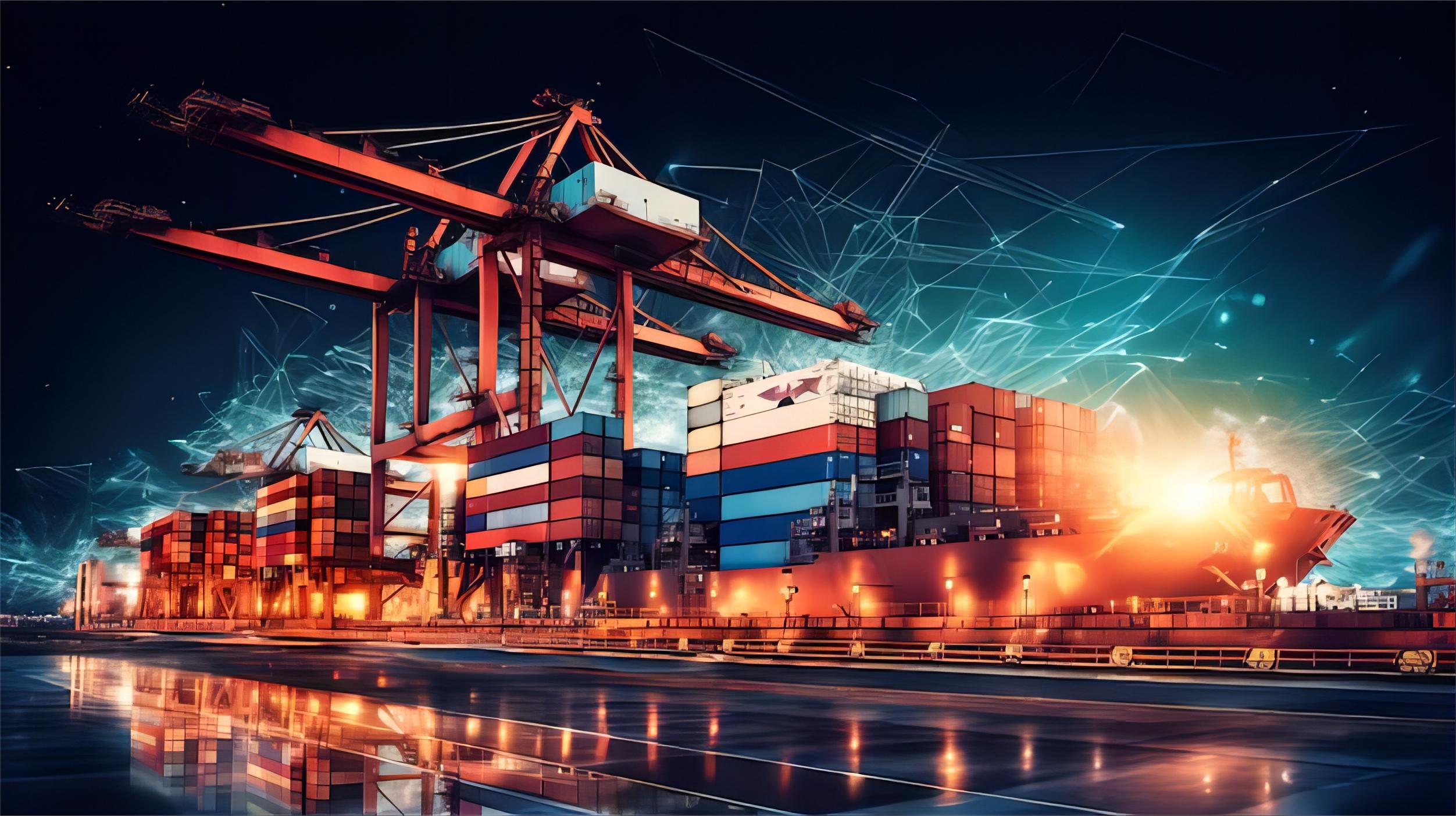
For China to Canada, ‘overland freight’ primarily means multimodal transport. This combines sea freight across the Pacific with subsequent rail or truck services across Canada.
This approach integrates ocean shipping with efficient domestic land transport. It ensures cost-effective and timely delivery to final destinations.
How Do Shipping Methods Compare for China-Canada?
Choosing the right shipping method is vital for optimizing your supply chain. Factors include shipping costs, transit time, and cargo characteristics. Each option has distinct advantages.

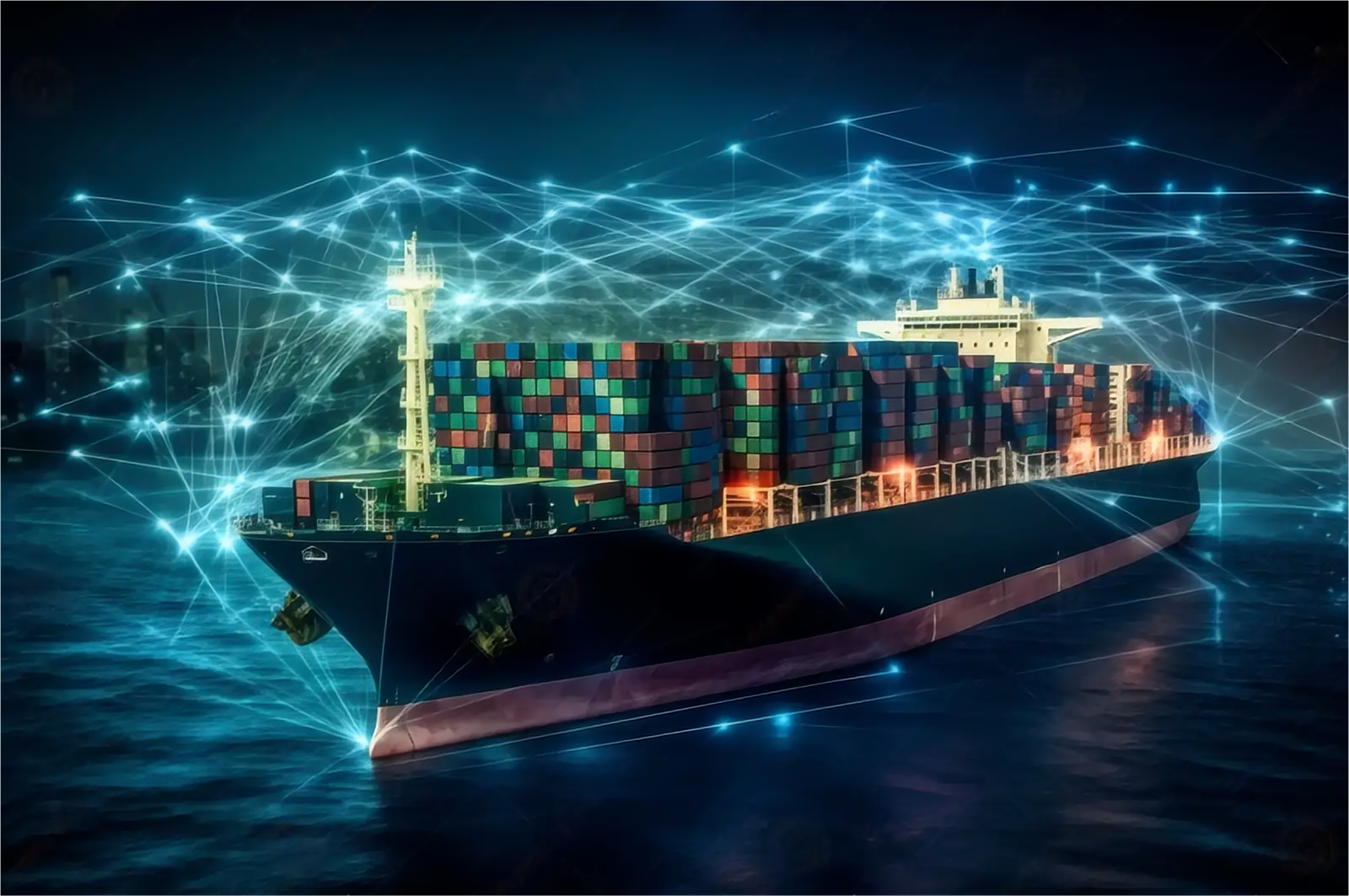
Understanding these differences helps in informed decisions about freight rates. Sea freight is economical for large volumes, while air freight provides speed.
| Method | Cost Range | Transit Time | Best For | Limitations |
|---|---|---|---|---|
| Sea (FCL) | $3k – $4.5k (40’HQ) | 25-40 days | Large, heavy, cost-sensitive | Slowest, port risks |
| Sea (LCL) | $70 – $120/CBM | 30-45 days | Smaller, less urgent, cost-effective | Longer transit, consolidation delays |
| Air | $6 – $12/kg | 5-10 days | Urgent, high-value, perishables | Most expensive, size limits |
| Sea+Rail | $3.5k – $5.5k (40’HQ) | 30-50 days | Inland destinations, balanced cost/speed | Multiple transfers, potential delays |
Optimizing Costs and Transit for Your Shipments
Effective import/export operations require strategies for cost savings and improved delivery schedules. Consolidating smaller shipments or utilizing Amazon FBA solutions can reduce per-unit costs.
Furthermore, door-to-door services simplify logistics by managing the entire journey. This approach mitigates unforeseen expenses and streamlines the supply chain.
Navigating Customs and Regulations
Canadian customs procedures are critical for overland freight from China to Canada. Proper documentation and adherence to regulations are essential to avoid delays. Engaging a professional customs brokerage service is highly recommended.
They ensure all duties, taxes, and import requirements are met accurately. This expertise is invaluable for smooth cargo clearance and compliance, protecting your supply chain.
Real-World Overland Freight Scenarios
Real-world case studies offer insights into applying overland freight solutions. These examples highlight typical costs, transit times, and key considerations for cargo from China to Canada.
Based on Q3 2024 market rates, these scenarios demonstrate practical applications for various shipment types.
Case Study 1: Electronics to Vancouver
An electronics distributor needed efficient import of consumer electronics to Vancouver, prioritizing cost-effectiveness and timely delivery.
| Detail | Value |
|---|---|
| Route | Shanghai, China -> Vancouver, Canada |
| Cargo | Electronics, 28 CBM, 9,500 kg |
| Container | 40HQ (FCL) |
| Shipping Details | Major carrier, Direct service |
| Cost Breakdown | Ocean Freight: $3,800; Origin/Dest. Charges: $1,000; Customs & Duties: $1,200; Total: $6,000 |
| Timeline | Sea Transit: 16 days; Total Door-to-Door: 23 days |
| Key Insight | FCL offered optimal cost efficiency and direct transit for high-volume cargo to a port city. |
Case Study 2: Apparel to Toronto via Rail
A Toronto fashion boutique required regular apparel supply, balancing cost and speed for their inland destination, utilizing intermodal transport.
| Detail | Value |
|---|---|
| Route | Shenzhen, China -> Toronto, Canada |
| Cargo | Apparel, 8 CBM, 2,500 kg |
| Container | LCL (8 CBM) |
| Shipping Details | Major carrier, Sea to Vancouver, then Rail to Toronto |
| Cost Breakdown | Ocean Freight: $720 (LCL); Origin/Dest. Charges: $500; Rail: $450; Customs & Duties: $500; Total: $2,170 |
| Timeline | Sea Transit: 18 days; Rail Transit: 5 days; Total Door-to-Door: 33 days |
| Key Insight | LCL combined with intermodal rail was cost-effective for smaller, time-flexible shipments to an inland city. |
Which Shipping Option is Best for Your Business?
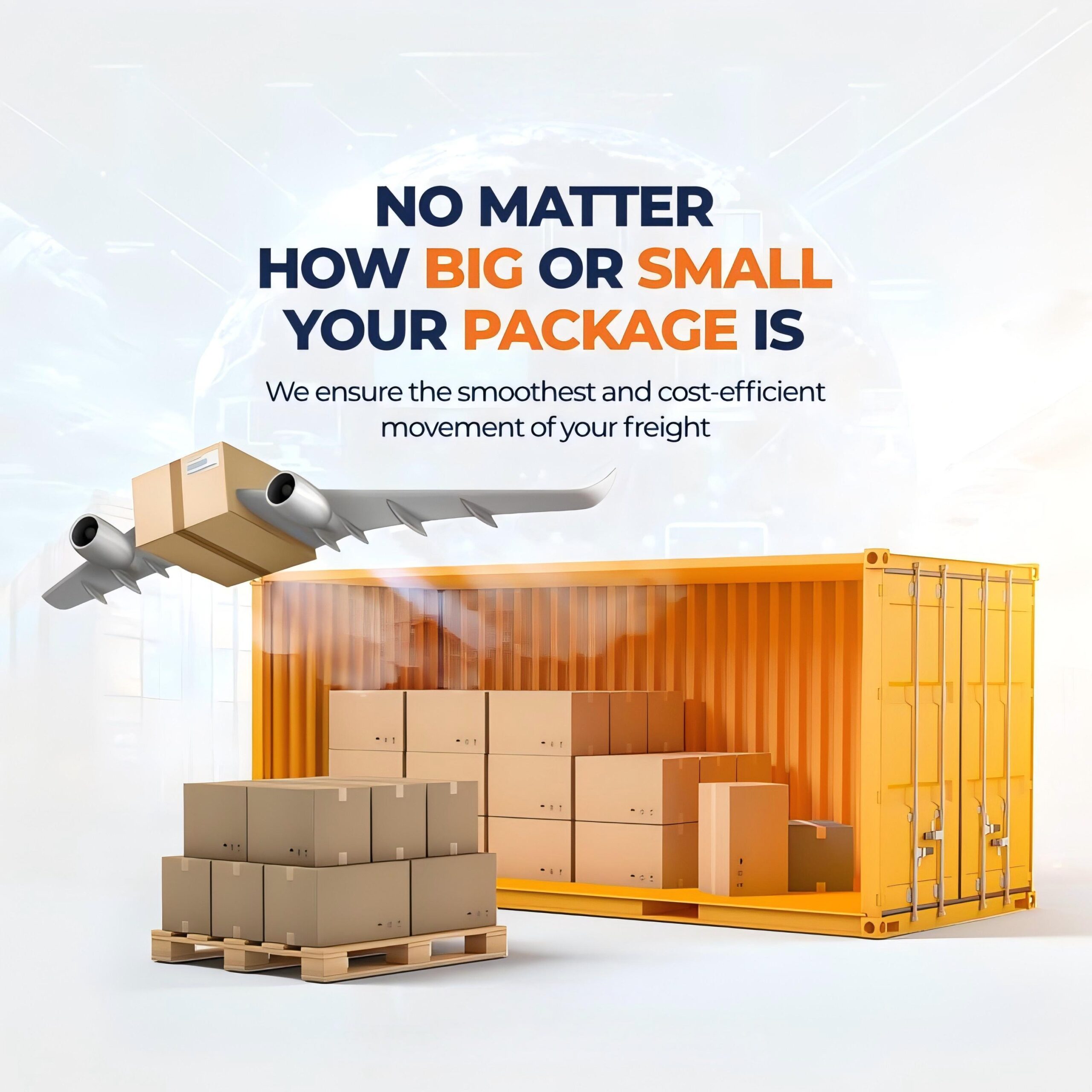
Selecting the ideal freight solution for your overland freight from China to Canada depends on specific business priorities. Consider your budget, urgency, cargo type, and volume. This decision framework guides your choice.
Budget-focused businesses favor sea freight (LCL/FCL). Speed-priority demands air freight. For inland destinations, sea-rail intermodal solutions balance cost and transit time, aligning with efficient logistics trends.
Conclusion
In summary, successful overland freight from China to Canada requires careful planning and expert execution. Partnering with a reliable freight forwarder ensures efficient and cost-effective shipping. <a href=”https://Top China Freight.com/”>Top China Freight</a> simplifies your logistics journey.
Note: Freight rates are subject to change based on fuel costs, carrier capacity, and seasonal demand. Contact us for a current quote tailored to your specific shipment.