

Ocean Freight China to Canada: Your Ultimate Shipping Guide
Shipping goods from China to Canada involves navigating complex logistics, often presenting challenges for businesses. Understanding the intricacies of international freight is crucial for efficient supply chain management. This comprehensive guide details everything you need to know about Top China Freight and ocean freight from China to Canada, ensuring your cargo arrives safely and on time.
Understanding Ocean Freight China to Canada
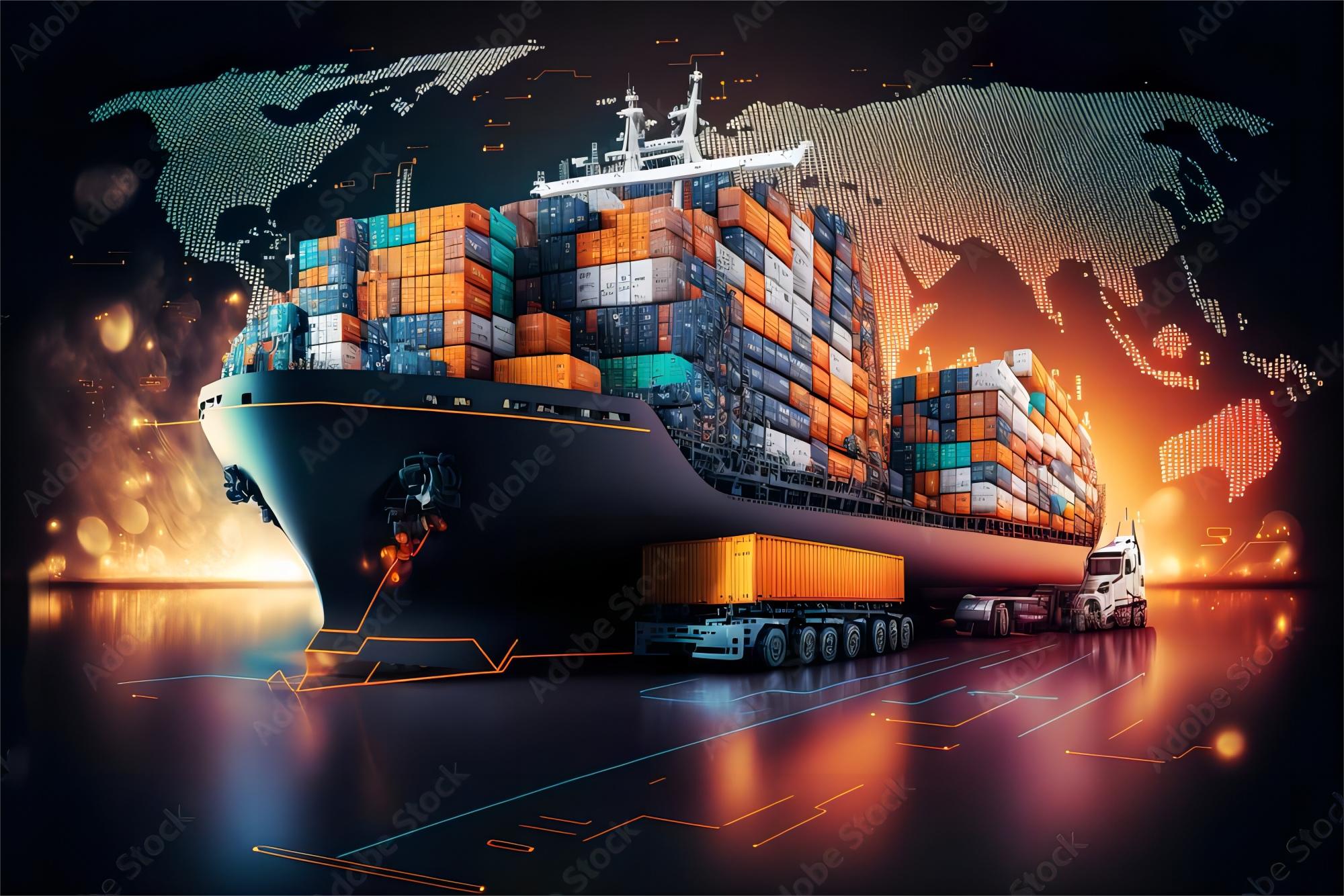
Ocean freight remains the most cost-effective solution for shipping large volumes of goods across continents. Specifically, the route from China to Canada handles immense trade, supporting various industries. Consequently, optimizing this shipping lane is vital for many businesses.
This method is particularly suitable for non-urgent, heavy, or bulky cargo, offering significant savings compared to air freight. Furthermore, it provides the capacity to transport virtually any type of commodity. Therefore, choosing ocean freight requires careful planning and execution.
Key Factors Influencing Ocean Freight Costs
Several variables determine the final cost of ocean freight from China to Canada. Understanding these factors helps businesses budget effectively and avoid unexpected expenses. Initially, the freight rate itself is a primary component.
Moreover, fuel surcharges, port charges, and destination fees significantly contribute to the total. Customs duties and taxes, alongside any special handling requirements, also impact the overall expenditure. Ultimately, seasonal demand and carrier capacity can cause fluctuations in freight rates.
As of Q1 2025, freight rates from major Chinese ports to Canada have stabilized after recent global supply chain disruptions. However, rates typically increase 15-25% during the August-October peak season. Therefore, planning shipments outside these periods can offer cost advantages.
| Cost Component | Description | Impact on Total Cost | Typical Range |
|---|---|---|---|
| Base Freight Rate | Cost for transporting cargo by sea | High | Varies by container type & route |
| Fuel Surcharge (BAF) | Fluctuating charge based on fuel prices | Medium | 5-15% of base rate |
| Port Charges (THC, Terminal Handling) | Fees at origin and destination ports | Medium | $150-$400 per container |
| Customs Duties & Taxes | Government levies on imported goods | High | Varies by product & value |
| Documentation Fees | Costs for Bill of Lading, customs declarations | Low | $50-$150 per shipment |
| Insurance | Protection against cargo loss or damage | Low | 0.3-0.5% of cargo value |
Navigating Transit Times and Routes
Transit times for ocean freight from China to Canada vary significantly based on the chosen route and destination port. Generally, shipments to Canada’s West Coast (Vancouver, Prince Rupert) are faster than those to the East Coast (Montreal, Halifax). Consequently, businesses must factor these durations into their supply chain planning.
Direct routes offer quicker passage but might be slightly more expensive. Conversely, transshipment routes, often via ports like Busan or Singapore, can extend transit times by several days or even weeks. However, they might present cost-saving opportunities. Therefore, selecting the optimal route depends on a balance of speed and budget.
Typical rates as of early 2025 indicate that sea transit to Vancouver usually ranges from 12-20 days, while to Montreal, it can be 25-35 days. These figures represent port-to-port times; door-to-door delivery will add further days for customs clearance and inland transportation. Accordingly, realistic expectations are vital.
| Origin Port (China) | Destination Port (Canada) | Typical Sea Transit Time | Route Type |
|---|---|---|---|
| Shanghai | Vancouver | 14-18 days | Direct |
| Ningbo | Prince Rupert | 12-16 days | Direct |
| Shenzhen | Montreal | 28-32 days | Transshipment via Vancouver |
| Qingdao | Halifax | 30-35 days | Transshipment via Montreal |
| Xiamen | Toronto (via Montreal) | 28-33 days | Transshipment |
Container Options: FCL vs. LCL Shipments
When shipping by ocean, businesses typically choose between Full Container Load (FCL) and Less than Container Load (LCL). Your cargo volume and urgency will primarily dictate this decision. Indeed, each option presents distinct advantages and disadvantages.
**Full Container Load (FCL)** means your goods occupy an entire container, such as a 20GP, 40GP, or 40HQ. This option is ideal for larger shipments, offering faster transit times and reduced handling risks. Furthermore, FCL generally provides a lower per-unit cost for high volumes. Consequently, it’s often preferred for substantial commercial orders.
**Less than Container Load (LCL)** involves sharing container space with other shippers’ cargo. This method is cost-effective for smaller shipments that don’t fill a full container. However, LCL shipments usually have longer transit times due to consolidation and deconsolidation processes at ports. Therefore, while economical, it requires more patience.
Choosing the Right Option
To illustrate, if your shipment is 15 CBM or more, FCL is often more economical. For instance, a 20GP container holds approximately 28-30 CBM. Conversely, if your cargo is less than 15 CBM, LCL at $60-90/CBM might be more suitable. Ultimately, a detailed cost analysis is essential for making the best choice for your specific needs.
Customs Clearance and Documentation for Canada Imports
Successful import into Canada hinges on meticulous customs clearance and accurate documentation. Any discrepancies can lead to significant delays and penalties. Therefore, understanding the requirements is paramount for smooth operations.
Essential documents include the Commercial Invoice, Packing List, and Bill of Lading. Additionally, certain goods may require permits, licenses, or certificates of origin. Proper classification of goods using HS codes is also critical for determining applicable duties and taxes. Without a doubt, accuracy in these details prevents complications.
Engaging a professional customs brokerage service is highly recommended. These experts ensure compliance with Canadian Border Services Agency (CBSA) regulations, manage paperwork, and facilitate prompt clearance. Their expertise minimizes risks and streamlines the entire import process. Consequently, this investment often saves time and money.
How Does Ocean Freight Compare to Other Shipping Options?
While ocean freight is a cornerstone for China-Canada shipping, it’s essential to consider alternatives. Comparing ocean freight with other methods like air freight or hybrid solutions helps businesses make informed decisions based on their specific needs. Ultimately, each method offers a unique balance of cost, speed, and capacity.
Ocean Freight vs. Air Freight
Ocean freight is significantly more affordable for large volumes, often costing 5-10 times less than air freight for similar cargo. However, its transit times are considerably longer, typically 2-5 weeks compared to 3-7 days for air freight. Therefore, air freight is reserved for urgent, high-value, or time-sensitive shipments. For instance, electronics or fashion items often move by air.
Conversely, products like machinery, raw materials, or consumer goods with longer lead times are perfect for ocean shipping. Market data suggests that while ocean freight costs $3,500-4,500 for a 40GP container from China to Canada, air freight for the same volume (if feasible) would cost $20,000-30,000. Hence, the cost difference is substantial.
| Shipping Method | Cost Range (40GP/1000kg) | Transit Time | Best For | Limitations |
|---|---|---|---|---|
| Ocean Freight (FCL) | $3,500-$4,500 | 12-35 days | Large, heavy, non-urgent goods | Slow transit, port congestion |
| Ocean Freight (LCL) | $60-$90/CBM | 18-40 days | Small, non-urgent shipments | Slower, more handling |
| Air Freight | $6-$12/kg | 3-7 days | Urgent, high-value, perishable goods | High cost, volume/weight limits |
Alternative Shipping Strategies
For situations requiring a balance between speed and cost, hybrid solutions like Sea-Air can be viable. This involves shipping goods by sea to a transshipment hub (e.g., Dubai or Incheon) and then by air to Canada. This method offers a middle ground, reducing transit time compared to pure ocean freight while being more economical than direct air freight. Accordingly, it’s suitable for moderately urgent shipments.
Furthermore, for extremely urgent small parcels or samples, an express service is unparalleled. These services, usually door-to-door, provide rapid delivery but at a premium price. Therefore, they are not suitable for bulk commercial shipments. Always consider the trade-offs between speed, cost, and cargo characteristics.
Which Option Should You Choose?
Your shipping decision framework should prioritize key business objectives. If **budget is the primary concern**, ocean freight (especially LCL for smaller volumes or FCL for larger ones) is undoubtedly the best choice. This method offers the lowest per-unit cost.
Conversely, if **speed is paramount**, air freight is the undisputed winner, despite its higher cost. For **cargo type considerations**, fragile or high-value items might benefit from the reduced handling of FCL ocean freight or the speed of air freight. Meanwhile, general merchandise is well-suited for standard ocean services.
Finally, **volume thresholds** are crucial. Shipments under 2 CBM might even find express courier services competitive. From 2-15 CBM, LCL is typically the most efficient. Above 15 CBM, FCL becomes increasingly cost-effective. Hence, a clear understanding of your shipment’s characteristics is essential.
Streamlining Your Supply Chain: Value-Added Services
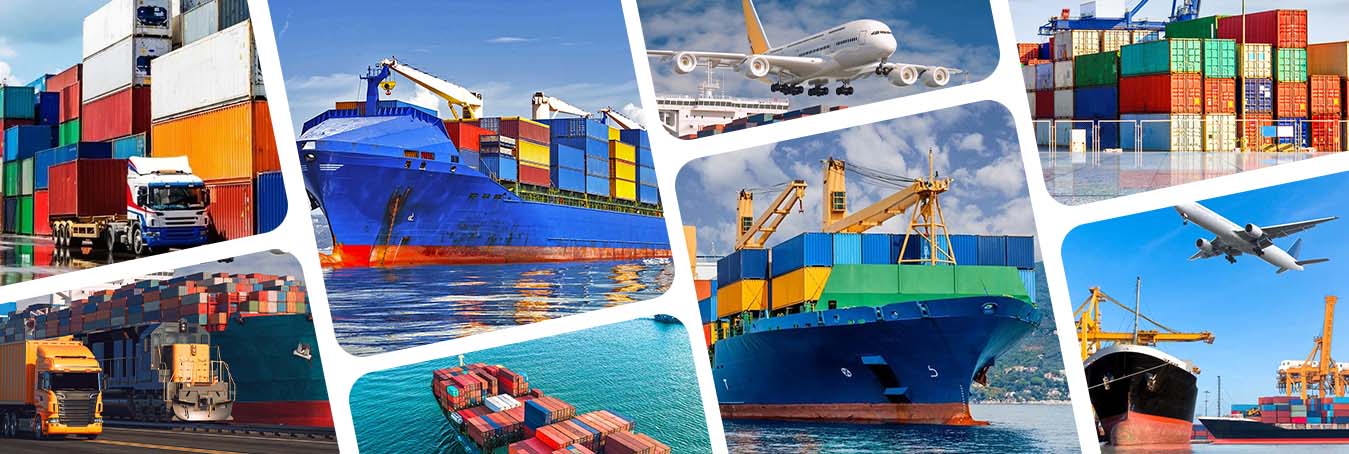
Beyond basic ocean transport, professional freight forwarders offer a range of value-added services that can significantly streamline your supply chain. These services help manage complexities and ensure a seamless shipping experience. Indeed, they extend the reach and convenience of your logistics operations.
One such service is door-to-door delivery. This comprehensive solution handles every step from pickup at the supplier’s factory in China to final delivery at your Canadian warehouse. Consequently, it reduces your administrative burden and coordination efforts. This integrated approach ensures consistent oversight throughout the journey.
Moreover, for e-commerce businesses, specialized Amazon FBA preparation services are invaluable. These include labeling, palletizing, and direct delivery to Amazon fulfillment centers in Canada. Such services ensure compliance with Amazon’s stringent requirements, preventing costly delays and rejections. Therefore, they are critical for maintaining inventory flow.
Real-World Shipping Scenarios: China to Canada
To further illustrate the practical aspects of ocean freight from China to Canada, let’s examine a few real-world scenarios. These examples provide insights into typical costs, transit times, and potential challenges. Based on Q3 2024 market rates, these cases reflect common shipping experiences.
It’s important to note that specific rates fluctuate based on fuel costs, carrier capacity, and seasonal demand. Always contact us for a current quote tailored to your specific shipment. These examples serve as a realistic benchmark for planning purposes.
Case Study 1: Large Volume FCL Shipment to Vancouver
This scenario showcases a substantial import for a retail chain, prioritizing cost-efficiency for bulk goods. Managing a full container load requires precise coordination from origin to destination. The direct route to Canada’s West Coast offers the best balance of speed and economy for such a large volume.
The key insight here was leveraging FCL for optimal unit cost and utilizing a direct service to minimize transit time to the nearest major port. Careful documentation and pre-clearance ensured a smooth customs process upon arrival. This strategy prevented potential delays and storage fees.
| Detail | Description |
|---|---|
| Route | Shanghai, China -> Vancouver, Canada |
| Cargo | Assorted consumer electronics, 45 CBM, 8,000 kg |
| Container | 1 x 40HQ |
| Shipping Details | Carrier: COSCO, Port of Loading: Shanghai, Port of Discharge: Vancouver, Route Type: Direct |
| Cost Breakdown – Ocean Freight | $4,200 |
| Cost Breakdown – Origin Charges | $350 (THC, documentation) |
| Cost Breakdown – Destination Charges | $400 (DTHC, chassis) |
| Cost Breakdown – Customs & Duties (estimated) | $1,500 |
| Cost Breakdown – Total Landed Cost | $6,450 |
| Timeline – Booking to Loading | 5 days |
| Timeline – Sea Transit | 16 days |
| Timeline – Customs Clearance | 3 days |
| Timeline – Total Door-to-Door | 24 days |
| Key Insight | Direct FCL service maximized cost-effectiveness and minimized transit for bulk retail goods. |
Case Study 2: LCL Shipment for E-commerce to Toronto
An online fashion boutique required a regular supply of garments but in smaller, manageable batches. LCL was the ideal choice, offering flexibility without the commitment of a full container. The challenge was managing the slightly longer transit time and multiple handling points.
The key insight involved meticulous packing and clear labeling to prevent damage during consolidation and deconsolidation. Utilizing an experienced freight forwarder who managed the transshipment via Montreal ensured all customs and inland logistics were handled efficiently. This approach allowed the boutique to maintain a lean inventory.
This shipment demonstrates the viability of LCL for growing e-commerce businesses needing consistent, smaller volume imports. Careful planning for the extended transit time is crucial for inventory management. Therefore, choosing the right logistics partner significantly mitigates risks.
| Detail | Description |
|---|---|
| Route | Guangzhou, China -> Toronto, Canada (via Montreal) |
| Cargo | Fashion apparel, 8 CBM, 1,200 kg |
| Container | LCL (Less than Container Load) |
| Shipping Details | Carrier: Major carrier, Port of Loading: Shenzhen, Port of Discharge: Montreal, Route Type: Transshipment |
| Cost Breakdown – Ocean Freight | $640 (8 CBM x $80/CBM) |
| Cost Breakdown – Origin Charges | $120 (THC, documentation) |
| Cost Breakdown – Destination Charges | $250 (CFS, DTHC) |
| Cost Breakdown – Customs & Duties (estimated) | $400 |
| Cost Breakdown – Total Landed Cost | $1,410 |
| Timeline – Booking to Loading | 7 days |
| Timeline – Sea Transit | 30 days |
| Timeline – Customs Clearance | 4 days |
| Timeline – Total Door-to-Door | 45 days |
| Key Insight | LCL provided cost-effective solution for smaller, regular e-commerce inventory, despite longer transit. |
Case Study 3: Urgent Small Batch via Sea-Air to Montreal
A manufacturer needed a critical component urgently to avoid production downtime, but standard air freight was too expensive. A sea-air hybrid solution was chosen, balancing speed with cost. This approach is particularly effective when air freight is prohibitive.
The key insight was the strategic use of a Sea-Air hub in Incheon, South Korea. This reduced the overall transit time significantly compared to pure ocean freight, while still being more economical than direct air freight from China. Effective coordination between sea and air segments was critical.
This case highlights the flexibility and problem-solving capabilities of modern logistics. When time is a factor but budget constraints exist, hybrid solutions offer a practical compromise. Moreover, it underscores the importance of a freight forwarder’s ability to adapt to specific client needs.
| Detail | Description |
|---|---|
| Route | Ningbo, China -> Montreal, Canada (via Incheon Sea-Air) |
| Cargo | Industrial parts, 3 CBM, 500 kg |
| Container | LCL (Sea portion), Air Cargo (Air portion) |
| Shipping Details | Carrier: Major carrier, Port of Loading: Ningbo, Transshipment Hub: Incheon (South Korea), Port of Discharge: Montreal, Route Type: Sea-Air Hybrid |
| Cost Breakdown – Ocean Freight (Ningbo-Incheon) | $150 |
| Cost Breakdown – Air Freight (Incheon-Montreal) | $1,800 (500kg x $3.6/kg) |
| Cost Breakdown – Origin/Hub Charges | $200 |
| Cost Breakdown – Destination Charges | $180 |
| Cost Breakdown – Customs & Duties (estimated) | $250 |
| Cost Breakdown – Total Landed Cost | $2,580 |
| Timeline – Booking to Loading | 4 days |
| Timeline – Sea Transit (to Incheon) | 5 days |
| Timeline – Air Transit (from Incheon) | 4 days |
| Timeline – Customs Clearance | 2 days |
| Timeline – Total Door-to-Door | 15 days |
| Key Insight | Sea-Air hybrid provided a faster, cost-effective solution for urgent, mid-sized cargo compared to direct air freight. |
Tips for a Smooth Ocean Freight Experience
Ensuring a smooth ocean freight experience from China to Canada requires proactive planning and attention to detail. Following best practices can significantly reduce stress and potential issues. Therefore, adopting these tips will enhance your shipping efficiency.
First, **plan ahead** by booking your shipments well in advance, especially during peak seasons. This secures space and potentially better rates. Second, meticulously prepare **accurate documentation** to avoid customs delays. Double-check all details before submission. Consequently, this prevents costly errors.
Third, **choose a reliable freight forwarder** with extensive experience on the China-Canada route. Their expertise is invaluable for navigating complex regulations and logistics. Finally, consider **cargo insurance** to protect against unforeseen loss or damage during transit. This small investment provides significant peace of mind. Overall, these steps contribute to a successful import.
Market Insights and Future Trends
The landscape of ocean freight from China to Canada is constantly evolving, influenced by global economic conditions and geopolitical events. As of Q1 2025, market data suggests a period of relative stability in freight rates, following the volatility of previous years. However, challenges such as potential port congestion and container availability still persist occasionally. Therefore, staying informed about these trends is crucial for businesses.
Industry benchmarks indicate a growing demand for sustainable shipping solutions. Consequently, carriers are investing in greener vessels and optimizing routes to reduce carbon footprints. Additionally, digitalization continues to transform logistics, with advanced tracking and data analytics offering greater transparency and efficiency. Ultimately, adapting to these trends will be key for future supply chain resilience.
Conclusion: Navigating Ocean Freight China to Canada with Confidence
Shipping goods via ocean freight from China to Canada is a complex yet highly effective method for international trade. By understanding the key factors influencing costs, transit times, and customs procedures, businesses can make informed decisions. Moreover, leveraging the right container options and value-added services further optimizes the process.
Partnering with an experienced freight forwarder is paramount for a smooth and efficient supply chain. They provide the expertise needed to navigate regulations and mitigate risks, ultimately ensuring your cargo reaches Canada successfully. With careful planning and professional support, your ocean freight China to Canada journey can be seamless and cost-effective.
Need a tailored shipping solution?
Ready to optimize your ocean freight from China to Canada? Contact our experts today for a personalized consultation and a competitive quote. We are here to simplify your international shipping needs. Visit Top China Freight to learn more.