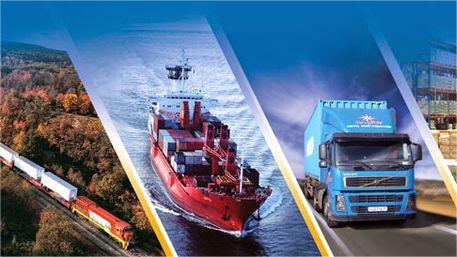
Train Cargo China to France: Your Ultimate Logistics Guide
The global supply chain demands efficiency and reliability, especially for cross-continental shipping. Navigating the complexities of international freight from China to Europe requires careful planning and the right partners. Therefore, understanding the best methods for shipping, including the increasingly popular train cargo China to France route, is essential for businesses seeking a competitive edge. This article explores the benefits, challenges, and practicalities of rail freight, offering insights to optimize your logistics strategy.

Why Choose Train Cargo China to France?
Businesses frequently seek reliable and efficient methods to transport goods across vast distances. The route for train cargo China to France has emerged as a compelling alternative to traditional sea and air freight options. It offers a unique balance of speed, cost, and environmental benefits that are increasingly attractive to modern supply chains.
Furthermore, this mode of transport leverages extensive rail networks, connecting key manufacturing hubs in China directly to major distribution centers in Europe. Consequently, it supports tighter inventory management and faster market entry for various products. Understanding these advantages is crucial for optimizing your logistics strategy.
Speed and Efficiency
Rail freight significantly reduces transit times compared to ocean shipping. Typically, train cargo from China to France can arrive in 15-20 days, which is roughly half the time of sea freight. This speed is invaluable for time-sensitive goods and for maintaining lean inventory levels.
Moreover, rail schedules are generally more predictable and less affected by weather conditions than sea routes. This consistency contributes to greater supply chain reliability, allowing businesses to plan with higher accuracy. Ultimately, efficient delivery translates into improved customer satisfaction and operational fluidity.
Cost-Effectiveness
While faster than sea freight, rail cargo China to France remains considerably more affordable than air freight. This cost advantage makes it an ideal middle-ground solution for many businesses. Freight rates for rail are often 30-50% lower than air cargo, providing substantial savings for bulk shipments.
Additionally, the consolidated nature of rail transport can lead to reduced handling costs and fewer transshipment points. Therefore, businesses can achieve a better balance between budget constraints and delivery speed, enhancing overall profitability. This makes rail a strategic choice for many importers.
Environmental Advantages
The environmental impact of logistics is a growing concern for global businesses and consumers alike. Rail transport is widely recognized as a more eco-friendly option compared to both air and sea freight. It produces significantly fewer carbon emissions per ton-kilometer.
Specifically, choosing train cargo China to France helps companies reduce their carbon footprint and meet sustainability goals. This commitment to greener logistics can also enhance a brand’s reputation and appeal to environmentally conscious customers. Many firms are now prioritizing this aspect of their supply chain.
Understanding the China-Europe Rail Network
The success of train cargo China to France relies heavily on the robust China-Europe railway network. This extensive infrastructure project, often referred to as the ‘New Silk Road,’ has revolutionized continental freight. It provides direct and efficient connections between Asian and European markets.
Furthermore, multiple routes traverse various countries, offering flexibility and resilience against potential disruptions. Understanding the key hubs and operational mechanisms of this network is essential for leveraging its full potential. This network is continuously expanding and improving its capabilities.
The New Silk Road Initiative
The Belt and Road Initiative, or New Silk Road, has significantly boosted rail connectivity between China and Europe. This ambitious project involves developing infrastructure and trade routes, making train cargo a viable and competitive option. It has opened up new possibilities for international trade.
Consequently, the frequency and capacity of trains on these routes have steadily increased. This growth ensures more reliable shipping schedules and greater availability for businesses. The initiative has fundamentally reshaped global logistics trends, offering diverse routes to destinations like France.
Major Hubs and Terminals
Key rail hubs in China include cities like Chongqing, Chengdu, Xi’an, and Zhengzhou, which serve as primary departure points. These cities are strategically located to consolidate cargo from various manufacturing regions. From there, trains embark on their journey westward.
Upon reaching Europe, major rail terminals such as Duisburg and Hamburg in Germany, and Malaszewicze in Poland, act as critical gateways. From these points, cargo is often transshipped to its final destination in France via road or regional rail networks. This intricate system ensures comprehensive coverage across the continent.
How Does Rail Cargo Compare to Other Shipping Options?
When planning international shipments, businesses must weigh the pros and cons of various transport methods. For the China to France route, the primary alternatives to rail cargo are sea freight and air freight. Each option presents different trade-offs in terms of cost, speed, and capacity.
Evaluating these alternatives helps in making informed decisions that align with specific business needs, cargo types, and delivery schedules. Therefore, a comprehensive comparison is essential for optimizing your supply chain and achieving desired logistics outcomes. Let’s explore each method in detail.
| Shipping Method | Cost Range (40ft Container) | Transit Time (China to France) | Best For | Limitations |
|---|---|---|---|---|
| Sea Freight | $3,000 – $4,500 | 28-35 days | Large volumes, heavy goods, non-urgent, lowest cost | Slowest transit, potential port delays |
| Rail Freight | $6,000 – $9,000 | 15-20 days | Medium-high value, time-sensitive but not urgent, balanced cost/speed | Less capacity than sea, more expensive than sea |
| Air Freight | $15,000 – $25,000+ | 3-7 days | Urgent, high-value, small volume, perishable goods | Highest cost, strict size/weight limits, higher emissions |
Sea Freight
Sea freight remains the most economical option for shipping large volumes of goods. It offers unparalleled capacity, making it suitable for heavy, bulky, or non-time-sensitive cargo. Ocean shipping from China to France typically takes 28-35 days.
However, its main drawback is the extended transit time. Port congestion and potential delays can also impact delivery schedules. Despite these factors, sea freight is often chosen for its low shipping costs, especially for full container loads (FCL) or large less-than-container-load (LCL) shipments.
Air Freight
For urgent shipments and high-value, low-volume goods, air freight is the fastest option. Air cargo from China to France can arrive in just 3-7 days. This speed is critical for perishable items, fashion goods, or emergency components.
On the other hand, air freight is significantly more expensive than both rail and sea transport. It also has stricter limitations on cargo size and weight. Consequently, businesses must carefully consider the trade-off between speed and cost when opting for air cargo.
Hybrid Solutions and Trade-offs
Sometimes, a single mode of transport isn’t sufficient, leading to hybrid solutions. For example, a sea-rail combination might involve shipping goods by sea to a European port, then by rail to an inland French destination. This approach can offer a balance of cost and speed.
Moreover, decisions often involve trade-offs: prioritizing budget means longer transit, while prioritizing speed increases costs. Companies must assess their specific cargo type, inventory carrying costs, and customer expectations. This allows for the selection of the most appropriate logistics strategy.
Key Factors Influencing Train Cargo China to France Costs and Transit Times
Several critical factors impact the overall shipping costs and delivery schedule for train cargo China to France. Understanding these variables is essential for accurate budgeting and effective supply chain planning. Freight rates are dynamic and subject to various market forces.
Therefore, businesses need to stay informed about current market conditions and seasonal fluctuations. This proactive approach helps in mitigating unexpected expenses and delays, ensuring a smoother shipping process. Let’s delve into the primary determinants.
Freight Rates Calculation
Rail freight rates are typically calculated based on cargo weight, volume, and the specific route taken. Fuel surcharges, terminal handling charges (THC), and customs brokerage fees also contribute to the total cost. These components vary depending on the service provider and origin/destination.
Additionally, the type of service, such as FCL (Full Container Load) or LCL (Less than Container Load), significantly influences pricing. For instance, LCL rates are often quoted per cubic meter (CBM) or per 100 kg, while FCL rates are per container. Always seek a detailed quote for clarity.
Transit Time Variables
While rail freight offers predictable transit times, several factors can influence the final delivery schedule. These include the specific departure and arrival terminals, customs clearance efficiency at border crossings, and potential rail network congestion. Direct routes are generally faster than those with multiple transshipment points.
Moreover, the time required for pre-carriage in China and on-carriage in France (from rail terminal to final destination) must be factored in. This includes loading, unloading, and local delivery. A comprehensive door-to-door service can help manage these stages efficiently.
Seasonal Demand and Market Conditions
Freight rates and transit times are also influenced by seasonal demand and broader market conditions. For example, peak shipping seasons, such as before major holidays like Chinese New Year or during the Q4 retail rush, can lead to higher prices and potential capacity shortages. As of Q1 2025, freight rates from China to Europe have stabilized after the 2024 Red Sea disruptions, but vigilance is still advised.
Industry data suggests rates typically increase 15-25% during August-October peak season. Geopolitical events or unforeseen disruptions can similarly impact the rail network. Therefore, booking in advance and having flexible logistics plans are crucial for mitigating risks. Note: Freight rates are subject to change based on fuel costs, carrier capacity, and seasonal demand. Contact us for a current quote tailored to your specific shipment.
Navigating Customs and Documentation for Rail Shipments
Successful international shipping, especially for train cargo China to France, depends heavily on meticulous customs and documentation processes. Failure to comply with regulations can lead to significant delays, fines, and increased costs. Proper preparation is paramount for smooth transit.
Therefore, understanding the required paperwork and the clearance procedures at both origin and destination is critical. This ensures your goods move seamlessly across borders without unnecessary complications. Partnering with a knowledgeable customs brokerage service is highly recommended.
Essential Documents
A range of documents is required for rail freight from China to France. Key paperwork includes the Bill of Lading (or rail waybill), commercial invoice, packing list, and customs declaration forms. Accurate and complete documentation prevents delays at border crossings.
Furthermore, depending on the cargo type, additional permits, licenses, or certificates (e.g., for health, safety, or origin) may be necessary. For instance, certain electronics or food products have specific import requirements. Always verify the exact documentation needed for your specific goods.
| Document Type | Purpose | Required By | Notes |
|---|---|---|---|
| Rail Waybill (CIM/SMGS) | Contract of carriage, title to goods | Carrier, Customs | Equivalent to Bill of Lading for rail |
| Commercial Invoice | Details of goods, value, seller/buyer | Customs, Buyer | Used for customs valuation and duties |
| Packing List | Contents of each package/container | Customs, Receiver | Aids inspection and inventory check |
| Customs Declaration | Formal declaration to authorities | Customs | Mandatory for import/export clearance |
Customs Clearance Process
The customs clearance process involves submitting all required documents to the relevant authorities in both China and France. In China, export clearance must be completed before the train departs. Similarly, import clearance is necessary upon arrival in the European Union.
Moreover, goods entering the EU through a non-EU member state (e.g., Poland) will undergo initial customs checks there, with final clearance often occurring in France. An experienced freight forwarder can manage this complex process, ensuring compliance and minimizing potential issues. This expertise is invaluable for avoiding costly errors.
Optimizing Your Rail Freight Strategy: Tips for Importers
To maximize the benefits of train cargo China to France, importers should adopt strategic approaches. Effective planning and execution are key to achieving cost savings, faster delivery, and greater reliability. These tips help navigate the complexities of international logistics.
Furthermore, implementing best practices ensures that your goods arrive safely and on schedule, enhancing overall supply chain performance. Consider these recommendations to refine your rail freight operations. A well-optimized strategy can yield significant competitive advantages.
Choosing the Right Service Provider
Selecting a reputable and experienced freight forwarder is perhaps the most crucial step. A good provider will have established relationships with rail operators and customs authorities. They can offer tailored solutions for your specific cargo and route.
Look for providers like Top China Freight who specialize in rail freight from China to Europe. They should offer comprehensive services, including customs handling, warehousing, and local distribution. Their expertise can prevent common shipping pitfalls and ensure efficiency.
Cargo Preparation and Packaging
Proper cargo preparation and packaging are vital for protecting goods during transit. Ensure items are securely packed, labeled correctly, and comply with international shipping standards. This minimizes the risk of damage or loss.
Additionally, consider the specific requirements for rail transport, such as container loading techniques for FCL shipments or consolidation strategies for LCL cargo. Robust packaging not only safeguards your products but also facilitates smoother handling and inspection. This attention to detail can save significant costs.
Insurance and Risk Management
Despite the reliability of rail transport, unforeseen events can occur. Therefore, securing adequate cargo insurance is a prudent risk management strategy. This protects your investment against potential damage, theft, or loss during transit.
Discuss insurance options with your freight forwarder to understand coverage limits and exclusions. Furthermore, having contingency plans in place for potential delays or disruptions can help mitigate their impact. Proactive risk assessment is a cornerstone of effective logistics.
Real-World Success: Train Cargo China to France Case Studies
Examining real-world examples provides valuable insights into the practical application and benefits of train cargo China to France. These case studies illustrate how businesses leverage rail freight to overcome logistical challenges. They showcase diverse cargo types and shipping scenarios.
These examples highlight the efficiency, cost-effectiveness, and reliability that rail transport offers for various industries. Each scenario demonstrates strategic choices made to optimize the supply chain. Based on Q3 2024 market rates, these examples reflect typical outcomes.
Case Study 1: High-Value Electronics from Shenzhen to Paris
A French electronics retailer needed to replenish stock quickly for a new product launch, balancing speed with budget. Air freight was too expensive, and sea freight too slow. Train cargo offered the ideal solution for their high-value, medium-volume shipment.
This approach allowed them to meet market demand effectively and reduce inventory holding costs. The predictability of rail transit was a key factor in their decision. They achieved a competitive advantage by optimizing their delivery schedule.
| Detail | Description | Value |
|---|---|---|
| Route | Shenzhen, China -> Paris, France | |
| Cargo | Consumer electronics (laptops, accessories) | 8 CBM, 2,500 kg |
| Container | LCL (Less than Container Load) | |
| Shipping Details | Carrier/Service: Major rail freight operator; Port of Loading: Xi’an (via truck from Shenzhen); Port of Discharge: Duisburg (Germany), then rail/truck to Paris; Route Type: Transshipment via Poland/Germany | |
| Cost Breakdown | Rail Freight: $2,800; Origin Charges: $350; Destination Charges: $450; Customs & Duties (estimated): $600; Total Landed Cost: $4,200 | |
| Timeline | Booking to Loading: 3 days; Rail Transit: 17 days; Customs Clearance: 2 days; Total Door-to-Door: 22 days | |
| Key Insight | Rail provided a perfect balance between speed and cost, enabling rapid market entry for new products without excessive air freight expenses. Typical rates as of early 2025. |

Case Study 2: Automotive Parts from Chongqing to Lyon
An automotive manufacturer in France required a steady supply of components from their Chinese factory to maintain production lines. They sought a reliable, regular service with consistent transit times. Train cargo from Chongqing directly met these requirements.
The volume justified an FCL shipment, ensuring dedicated space and security. This strategy minimized production downtime and optimized their inventory management system. It demonstrated the efficacy of rail for industrial supply chains.
This consistent flow of goods prevented costly interruptions. The rail solution proved to be a cornerstone of their operational efficiency. It highlights the strategic importance of reliable logistics partners.
| Detail | Description | Value |
|---|---|---|
| Route | Chongqing, China -> Lyon, France | |
| Cargo | Automotive parts (engines, chassis components) | 40 HQ, 20,000 kg |
| Container | 40HQ (Full Container Load) | |
| Shipping Details | Carrier/Service: China Railway Express; Port of Loading: Chongqing; Port of Discharge: Hamburg (Germany), then rail/truck to Lyon; Route Type: Direct to Europe hub | |
| Cost Breakdown | Rail Freight: $7,800; Origin Charges: $400; Destination Charges: $550; Customs & Duties (estimated): $1,200; Total Landed Cost: $9,950 | |
| Timeline | Booking to Loading: 5 days; Rail Transit: 16 days; Customs Clearance: 3 days; Total Door-to-Door: 24 days | |
| Key Insight | FCL rail freight provided excellent value for high-volume, regular shipments, ensuring supply chain continuity and cost predictability for critical parts. Based on Q4 2024 market rates. |
Reliable Door-to-Door Service for Your China to France Rail Cargo
Managing the entire logistics chain from China to France can be a complex undertaking for any business. From factory pick-up to final delivery, numerous steps are involved, each requiring careful coordination. This is where a comprehensive door-to-door service becomes invaluable.
Top China Freight specializes in providing seamless solutions for your train cargo China to France needs. We handle every aspect, including pre-carriage, main rail transport, customs clearance, and last-mile delivery. Our expertise ensures a hassle-free experience for our clients.
Furthermore, our dedicated team monitors your shipment every step of the way, providing real-time updates and proactive communication. This holistic approach minimizes risks and streamlines your supply chain, allowing you to focus on your core business. Trust us for reliable and efficient logistics.
Enhancing Your Supply Chain with China to France Rail Cargo
In conclusion, utilizing train cargo from China to France offers a compelling balance of speed, cost, and environmental responsibility for modern businesses. It stands as a robust alternative to purely sea or air freight, bridging the gap between them. The extensive New Silk Road network provides a reliable backbone for this increasingly popular shipping method.
By understanding the network, comparing options, and partnering with experienced logistics providers, companies can significantly enhance their supply chain efficiency. This strategic choice helps in managing transit times, optimizing freight rates, and navigating complex customs procedures. Ultimately, investing in well-managed train cargo China to France logistics is a smart move for sustainable growth. We encourage you to reach out and discover how this service can benefit your operations.
Ready to streamline your logistics?
Ready to streamline your supply chain and explore efficient train cargo China to France solutions? Contact Top China Freight today for a personalized quote and expert guidance. Our dedicated team is prepared to assist with all your rail freight needs, ensuring a smooth and reliable shipping experience.
Request Quote