Import Customs China to Italy: Your Complete Shipping Guide
Importing goods from China to Italy involves complex customs procedures and logistical challenges. Navigating these intricacies can be daunting, but with the right guidance, you can ensure a smooth and cost-effective process. Discover how Top China Freight can simplify your international shipping needs.

Understanding Import Customs from China to Italy
Importing from China to Italy requires a thorough understanding of both Chinese export regulations and Italian import laws. Consequently, businesses must prepare for various legal and logistical hurdles.
Indeed, neglecting proper customs procedures can lead to significant delays, unexpected costs, and even seizure of goods. Therefore, a strategic approach to your supply chain is absolutely essential for seamless trade.
Moreover, the European Union’s harmonized customs code applies to Italy, adding another layer of complexity. Therefore, detailed knowledge of EU regulations is crucial for successful customs brokerage.
Key Documents for Importing from China to Italy
Proper documentation is the bedrock of efficient customs clearance. Missing or incorrect paperwork can cause substantial delays and penalties.
Therefore, ensure all necessary documents are accurately prepared and submitted in a timely manner. Below is a checklist of critical documents typically required for importing goods.
Furthermore, always double-check the specific requirements for your cargo type and destination port. This proactive measure prevents common pitfalls in the import process.
| Document | Purpose | Issuing Party | Notes |
|---|---|---|---|
| Commercial Invoice | Details goods, value, seller, buyer | Exporter | Must match packing list and bill of lading |
| Packing List | Details contents, quantity, weight, dimensions | Exporter | Essential for physical inspection and cargo handling |
| Bill of Lading (B/L) / Air Waybill (AWB) | Contract of carriage, title to goods | Carrier | Originals often required for release of goods |
| Certificate of Origin | Proves country of manufacture | Exporter/Chamber of Commerce | May be required for preferential tariffs |
| Import License/Permit | Required for restricted goods | Italian Authorities | Specific to certain product categories (e.g., food, medical) |
| Customs Declaration (DUA) | Official declaration to Italian customs | Importer/Broker | Submitted electronically, details duties and taxes |
| Insurance Certificate | Proof of cargo insurance | Insurer | Protects against loss or damage during transit |
Choosing the Right Shipping Method
Selecting the appropriate shipping method is pivotal for balancing cost, speed, and cargo safety. Your choice significantly impacts the overall transit time and your budget.
Indeed, different methods cater to various needs, from urgent small parcels to large industrial equipment. Therefore, consider your specific requirements carefully.
Furthermore, market conditions, such as freight rates and carrier capacity, can influence the best option at any given time.
Sea Freight: Cost-Effective for Bulk
For large volumes and non-urgent shipments, sea freight remains the most economical option. It is ideal for bulk goods, heavy machinery, or full container loads (FCL).
However, transit times are considerably longer, typically ranging from 28 to 35 days from major Chinese ports to Italy. Consequently, careful planning is required to avoid supply chain disruptions.
Moreover, LCL (Less than Container Load) options are available for smaller shipments, allowing you to share container space and further reduce costs.
Air Freight: Speed for Urgent Shipments
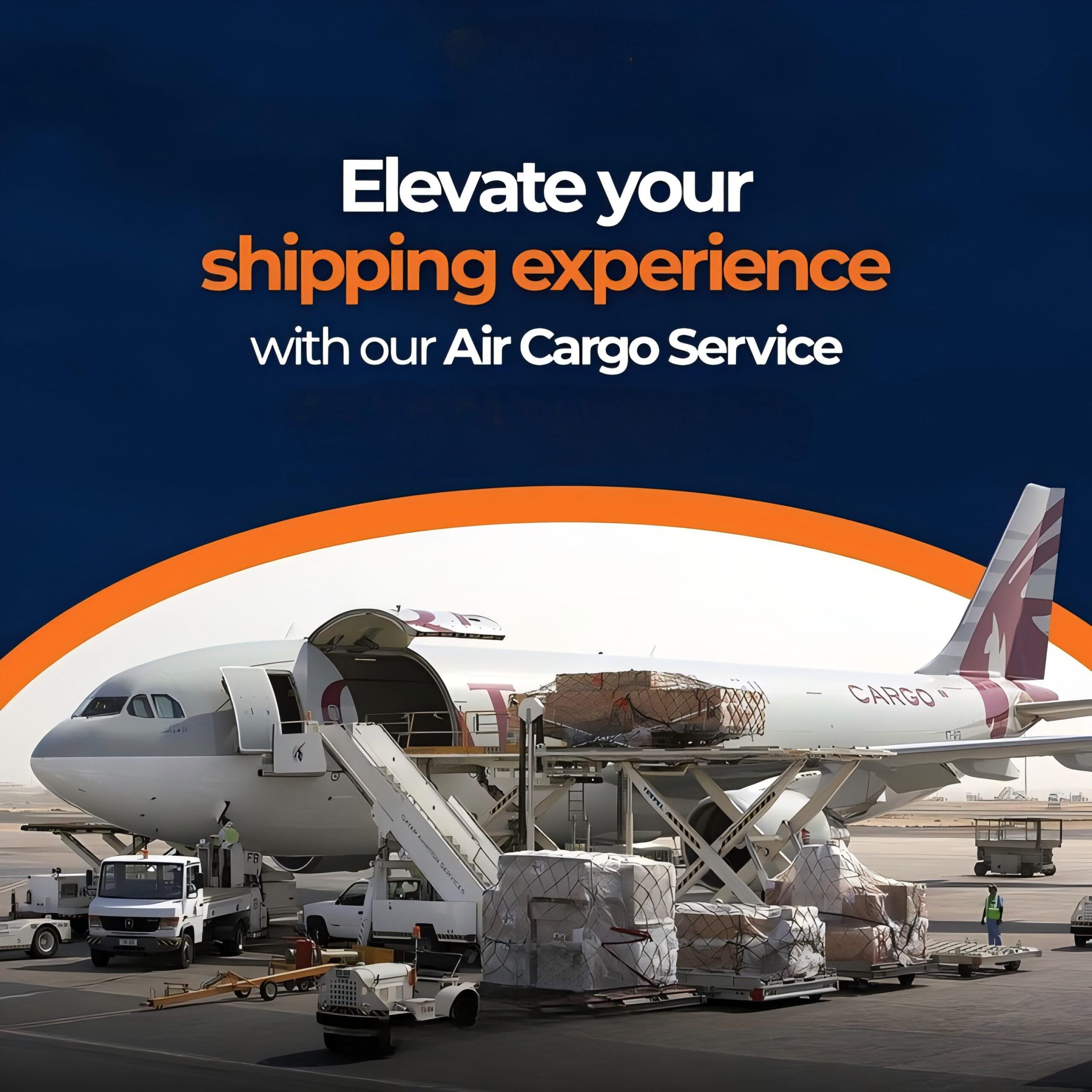
When speed is paramount, air freight offers the fastest transit times, usually 3-7 days. This method is perfect for high-value, time-sensitive, or perishable goods.
Nonetheless, air freight is significantly more expensive than sea or rail. Therefore, it is generally reserved for urgent deliveries or lighter, smaller cargo.
Additionally, air cargo is subject to strict size and weight restrictions, and its carbon footprint is higher, which some businesses consider.
Rail Freight: A Balanced Alternative
The China-Europe Railway Express provides a compelling middle-ground between sea and air freight. Rail freight offers faster transit times than sea (15-20 days) at a lower cost than air.
This option is increasingly popular for goods that are too urgent for sea but not critical enough for air. It offers a reliable and often more environmentally friendly solution.
Furthermore, rail freight is particularly effective for inland destinations in Europe, providing direct access to key industrial zones in Italy, such as Milan and Verona.
How Does Shipping from China to Italy Compare?
Understanding the trade-offs between different shipping methods is crucial for optimizing your import customs China to Italy strategy. Each option presents distinct advantages and limitations.
Indeed, a comprehensive comparison helps businesses make informed decisions based on their budget, urgency, and cargo characteristics. Consider the following table for a quick overview.
Moreover, hybrid solutions, such as sea-rail combinations, can sometimes offer unique benefits, blending cost-effectiveness with improved transit times.
| Shipping Method | Cost Range (per kg/CBM) | Transit Time (days) | Best For | Limitations |
|---|---|---|---|---|
| Sea Freight (FCL) | $0.05-0.10/kg ($3000-4200/40HQ) | 28-35 | Large volumes, heavy goods, non-urgent shipments | Slowest, potential port congestion |
| Sea Freight (LCL) | $50-90/CBM | 30-40 | Smaller shipments (under 15 CBM), non-urgent | Longer transit, potential for delays due to consolidation |
| Air Freight | $5-8/kg | 3-7 | Urgent, high-value, perishable, small/light cargo | Most expensive, size/weight restrictions |
| Rail Freight | $0.8-1.2/kg ($200-300/CBM) | 15-20 | Medium urgency, cost-sensitive, inland destinations | Less flexible routes than sea, capacity can be limited |
Which Option Should You Choose?
Your decision hinges on several factors. Firstly, budget priority usually points towards sea freight, especially for FCL shipments, offering the lowest per-unit cost.
Secondly, if speed is your top priority, air freight is the undeniable choice for rapid delivery. However, be prepared for significantly higher shipping costs.
Thirdly, for a balance of speed and cost, or for goods with medium urgency, rail freight stands out. It’s also excellent for cargo that benefits from direct inland connections.
Finally, cargo type considerations also play a role; perishable goods require speed, while durable bulk items are suited for slower, cheaper transport. Volume thresholds for switching methods are also critical, with LCL sea often being cheaper than rail for very small volumes, but FCL sea being far more cost-effective for large volumes.
Navigating Italian Customs Clearance
Once your goods arrive in Italy, they must undergo customs clearance. This process involves verifying documentation, assessing duties, and ensuring compliance with Italian and EU regulations.
Indeed, a local customs broker is invaluable here, acting as an intermediary between the importer and customs authorities. They handle declarations and resolve any issues efficiently.
Furthermore, understanding Incoterms (International Commercial Terms) used in your contract is vital. They define responsibilities and costs between buyer and seller, impacting who manages customs clearance.
Therefore, consider a door-to-door service to streamline this complex stage, as it often includes customs brokerage.
Calculating Import Duties and Taxes
Importing goods to Italy involves paying various duties and taxes. These typically include customs duties, VAT (Value Added Tax), and sometimes excise duties for specific products.
Customs duties are calculated based on the Harmonized System (HS) code of your product, its declared value, and the country of origin. The EU Common Customs Tariff applies to imports from China.
Meanwhile, Italian VAT is generally 22% on the combined value of the goods, duties, and shipping costs. However, reduced rates apply to certain products, such as food or medical supplies.
Therefore, accurate classification of your goods is critical to ensure correct duty assessment and avoid overpayment or penalties. Always verify the HS code before shipping.
Case Studies: Real-World Import Scenarios
Examining actual import scenarios can provide practical insights into the complexities and solutions involved in shipping from China to Italy. These examples highlight different strategies and outcomes.
Based on Q3 2024 market rates, these case studies illustrate typical challenges and successful approaches. Freight rates are subject to change based on fuel costs, carrier capacity, and seasonal demand. Contact us for a current quote tailored to your specific shipment.
Case Study 1: Large Volume Textiles by Sea
| Detail | Value |
|---|---|
| Route | Shanghai, China -> Genoa, Italy |
| Cargo | Apparel & Textiles, 55 CBM, 15,000 kg |
| Container | 40HQ |
| Shipping Details | Carrier: COSCO, Port of Loading: Shanghai, Port of Discharge: Genoa, Route Type: Direct |
| Cost Breakdown – Ocean Freight | $3,800 |
| Cost Breakdown – Origin Charges | $450 |
| Cost Breakdown – Destination Charges | $550 |
| Cost Breakdown – Customs & Duties (est.) | $2,500 |
| Cost Breakdown – Total Landed Cost | $7,300 |
| Timeline – Booking to Loading | 5 days |
| Timeline – Sea Transit | 32 days |
| Timeline – Customs Clearance | 3 days |
| Timeline – Total Door-to-Door | 40 days |
| Key Insight | Choosing a direct service minimized transit time despite peak season demand for textiles. |
Case Study 2: Urgent Electronics by Air
| Detail | Value |
|---|---|
| Route | Shenzhen, China -> Milan (MXP), Italy |
| Cargo | Consumer Electronics, 1.5 CBM, 300 kg |
| Container | Air Cargo (LCL) |
| Shipping Details | Carrier: Lufthansa Cargo, Port of Loading: Shenzhen (SZX), Port of Discharge: Milan (MXP), Route Type: Direct |
| Cost Breakdown – Air Freight | $1,800 |
| Cost Breakdown – Origin Charges | $150 |
| Cost Breakdown – Destination Charges | $200 |
| Cost Breakdown – Customs & Duties (est.) | $400 |
| Cost Breakdown – Total Landed Cost | $2,550 |
| Timeline – Booking to Loading | 2 days |
| Timeline – Air Transit | 3 days |
| Timeline – Customs Clearance | 1 day |
| Timeline – Total Door-to-Door | 7 days |
| Key Insight | Air freight was crucial for meeting tight product launch deadlines, despite higher per-kg cost. |
Case Study 3: Specialized Machinery by Rail
| Detail | Value |
|---|---|
| Route | Xi’an, China -> Milan, Italy |
| Cargo | Small Industrial Machine, 8 CBM, 2,500 kg |
| Container | LCL Rail Cargo |
| Shipping Details | Carrier: China-Europe Railway Express, Terminal of Loading: Xi’an, Terminal of Discharge: Milan (Melzo), Route Type: Direct |
| Cost Breakdown – Rail Freight | $2,000 |
| Cost Breakdown – Origin Charges | $200 |
| Cost Breakdown – Destination Charges | $300 |
| Cost Breakdown – Customs & Duties (est.) | $600 |
| Cost Breakdown – Total Landed Cost | $3,100 |
| Timeline – Booking to Loading | 4 days |
| Timeline – Rail Transit | 18 days |
| Timeline – Customs Clearance | 2 days |
| Timeline – Total Door-to-Door | 26 days |
| Key Insight | Rail offered a good balance of cost and speed for valuable, time-sensitive industrial goods, avoiding port congestion. |
Optimizing Your Import Strategy
To further streamline your import customs China to Italy process, consider several optimization strategies. Firstly, consolidate shipments whenever possible to reduce per-unit shipping costs.
Secondly, invest in robust cargo insurance to protect against unforeseen events during transit. This small cost can prevent significant financial losses.
Additionally, partner with an experienced freight forwarder who understands both Chinese export and Italian import regulations. Their expertise can save you time and money.
Moreover, staying informed about global logistics trends and potential disruptions, like those seen in the Red Sea in early 2024, allows for proactive planning and alternative routing.
Conclusion: Mastering Import Customs China to Italy
Successfully importing goods from China to Italy demands careful planning, accurate documentation, and strategic decision-making regarding shipping methods. While the process can be complex, understanding key regulations and leveraging expert support makes it manageable.
Therefore, by focusing on compliance, optimizing costs, and choosing the right partners, businesses can ensure efficient and reliable delivery of their cargo. Ultimately, a well-executed import strategy strengthens your supply chain and supports business growth.
Need a tailored shipping solution?
Ready to simplify your import customs from China to Italy? Our team of experts is here to provide tailored solutions for your unique shipping needs. Contact us today for a personalized quote and seamless logistics support.