

Auto Parts Freight from China: The Ultimate Logistics Guide for 2025
Navigating the complexities of auto parts freight from China requires a strategic approach to ensure timely delivery and cost-efficiency for your business. Many importers struggle with rising logistics costs and complex customs regulations when moving automotive components across borders. By partnering with Top China Freight, you can streamline your supply chain and focus on growing your market share in the competitive automotive industry.

What Are the Primary Modes for Auto Parts Freight from China?
Selecting the right transportation mode is the first critical decision in managing your automotive supply chain effectively. Most businesses choose between ocean, air, and rail transport depending on their specific budget and urgency requirements. Consequently, understanding the strengths of each method allows for better inventory planning and cost control.

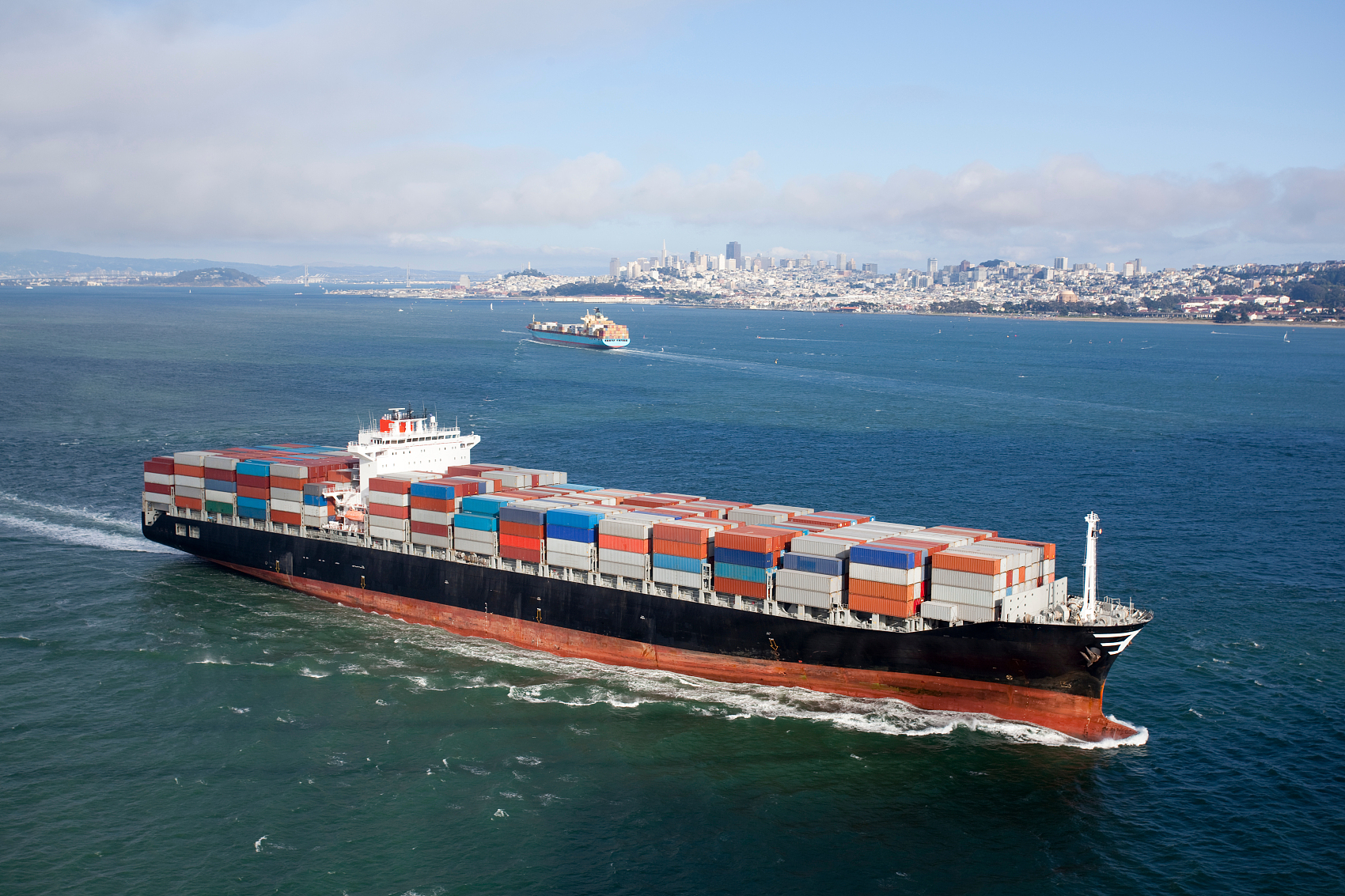
Ocean transport remains the most popular choice for bulk orders and heavy components like engines or body panels. You should consider sea freight when your priority is minimizing the landed cost per unit. This method offers the highest capacity and is ideal for FCL or LCL shipments that are not time-sensitive.
Moreover, air transport provides a vital solution for high-value electronics or urgent repair parts needed to prevent production line stoppages. While air freight involves higher costs, the speed of delivery often justifies the investment for critical components. Typical transit times for air cargo range from three to seven days depending on the service level selected.
Additionally, rail transport has emerged as a reliable middle ground for shipments destined for Europe and Central Asia. Choosing rail freight offers a faster alternative to sea transport while remaining significantly cheaper than air options. It is particularly effective for heavy automotive parts that require a balance between speed and budget.
How Does Auto Parts Freight from China Compare to Other Shipping Options?
Evaluating different shipping methods requires a clear understanding of the trade-offs between cost, speed, and reliability. For instance, while sea freight is economical, it exposes your cargo to longer transit times and potential port congestion. On the other hand, express services provide door-to-door convenience but at a premium price point.
Furthermore, businesses must weigh the benefits of Full Container Load (FCL) versus Less than Container Load (LCL) shipping. FCL is generally safer for fragile car parts as the container is not shared with other shippers, reducing handling risks. However, LCL is an excellent cost-saving strategy for smaller batches of components that do not fill an entire container.
In addition to traditional methods, hybrid solutions like sea-air combinations can offer unique advantages for global logistics. These strategies involve shipping by sea to a hub like Dubai and then flying the cargo to the final destination. This approach can save up to 40 percent in costs compared to pure air freight while being much faster than sea transport alone.
| Shipping Method | Cost Range | Transit Time | Best For | Limitations |
|---|---|---|---|---|
| Sea Freight | $1,500 – $4,500 | 25-45 Days | Bulk orders/Heavy parts | Slowest transit time |
| Air Freight | $5.00 – $12.00/kg | 3-7 Days | Urgent/High-value | Very expensive |
| Rail Freight | $2,000 – $5,500 | 15-22 Days | Mid-range urgency | Limited to Eurasia |
| Express | $8.00 – $15.00/kg | 2-5 Days | Samples/Small parts | Highest cost |
Which Option Should You Choose for Your Auto Parts?
Determining the best logistics strategy depends on your specific business objectives and the nature of the automotive components. If your primary goal is budget priority, we recommend utilizing sea freight with FCL containers for maximum volume efficiency. This is usually the best path for established retailers who can forecast demand several months in advance.
If speed priority is your main concern, air freight or express services are the only viable options to meet tight deadlines. For example, if a vehicle manufacturer needs a specific sensor to resume production, the cost of air freight is negligible compared to the cost of a halted assembly line. In these scenarios, the reliability of the carrier becomes the most important factor.
Cargo type considerations also play a major role in the decision-making process for auto parts freight from China. Heavy items like transmissions or engines are almost always better suited for sea or rail transport due to weight-based pricing in air cargo. Conversely, lightweight but expensive components like ECU units or high-end infotainment systems are perfect candidates for air transport.
Understanding Shipping Costs and Market Trends in 2025
Current market data suggests that freight rates from China have stabilized in early 2025 following previous global disruptions. However, seasonal fluctuations still occur, with rates typically increasing by 15 to 25 percent during the peak season from August to October. Consequently, booking your shipments at least three to four weeks in advance can help secure better pricing and guaranteed space.
According to industry benchmarks, the cost of shipping a 40HQ container from China to the US West Coast currently ranges between $2,500 and $3,500. Meanwhile, shipments to Europe are seeing slightly higher rates due to longer routes and fuel surcharges. It is essential to factor in these variables when calculating your total landed cost for automotive components.
Indeed, fuel costs and carrier capacity remain the primary drivers of price volatility in the international shipping market. For instance, any significant change in global oil prices will lead to immediate adjustments in Bunker Adjustment Factors (BAF). To mitigate these risks, many savvy importers are signing long-term contracts with freight forwarders to lock in stable rates for the fiscal year.
| Route | 20GP Container | 40HQ Container | Transit Time |
|---|---|---|---|
| China to USA (West) | $1,800 – $2,400 | $2,800 – $3,800 | 14-18 Days |
| China to Europe | $2,000 – $2,700 | $3,200 – $4,500 | 30-38 Days |
| China to Australia | $900 – $1,300 | $1,500 – $2,200 | 12-20 Days |
| China to UK | $2,100 – $2,900 | $3,500 – $4,800 | 32-40 Days |
Managing Customs and Documentation for Automotive Imports
Navigating the legal requirements for importing car parts is often the most challenging aspect of the logistics process. Each country has specific safety standards and environmental regulations that automotive components must meet before they can enter the market. Therefore, working with a professional customs brokerage is highly recommended to avoid costly delays or seizures.
Accurate documentation is the foundation of a smooth customs clearance process for any auto parts freight from China shipment. You must ensure that your commercial invoice, packing list, and bill of lading clearly describe the parts and their HS codes. For example, using the wrong tariff classification can lead to overpaying duties or facing penalties from customs authorities.
Furthermore, some automotive parts may require additional certifications, such as DOT for the United States or E-Mark for Europe. Without these documents, your shipment could be stuck at the port of entry for weeks, incurring high demurrage and storage fees. As a result, verifying all compliance requirements before the cargo leaves China is a critical step in your shipping strategy.
Case Studies: Successful Auto Parts Shipments
Reviewing real-world examples can provide valuable insights into the practical application of different shipping strategies. These cases illustrate how various businesses have optimized their auto parts freight from China to achieve better outcomes. By analyzing these scenarios, you can identify similar opportunities for improvement within your own logistics operations.
+———————————————————+ | Case Study 1: Large Scale Engine Component Distribution | +———————————————————+ | Route: Ningbo, China to Los Angeles, USA | | Cargo: Engine Blocks and Heads, 58 CBM, 18,500 kg | | Container: 1 x 40HQ | | | | Shipping Details: | | – Carrier/Service: Major trans-Pacific carrier | | – Port of Loading: Ningbo | | – Port of Discharge: Los Angeles | | – Route Type: Direct | | | | Cost Breakdown: | | – Ocean Freight: $3,150 | | – Origin Charges: $450 | | – Destination Charges: $680 | | – Customs & Duties (est): $4,200 | | – Total Landed Cost: $8,480 | | | | Timeline: | | – Booking to Loading: 5 days | | – Sea Transit: 16 days | | – Customs Clearance: 3 days | | – Total Door-to-Door: 24 days | | | | Key Insight: Direct shipping saved 6 days compared to | | transshipment, avoiding Q4 congestion. | +———————————————————+
+———————————————————+ | Case Study 2: Urgent Spare Parts for European Retailer | +———————————————————+ | Route: Shanghai, China to Hamburg, Germany | | Cargo: Brake Discs and Pads, 8 CBM, 2,400 kg | | Container: LCL (Less than Container Load) | | | | Shipping Details: | | – Carrier/Service: LCL Consolidation Service | | – Port of Loading: Shanghai | | – Port of Discharge: Hamburg | | – Route Type: Direct | | | | Cost Breakdown: | | – Ocean Freight: $720 ($90/CBM) | | – Origin Charges: $210 | | – Destination Charges: $340 | | – Customs & Duties (est): $1,100 | | – Total Landed Cost: $2,370 | | | | Timeline: | | – Booking to Loading: 4 days | | – Sea Transit: 34 days | | – Customs Clearance: 2 days | | – Total Door-to-Door: 40 days | | | | Key Insight: LCL was 70% cheaper than air freight for | | this weight, despite the longer transit time. | +———————————————————+
Note: Freight rates are subject to change based on fuel costs, carrier capacity, and seasonal demand. Contact us for a current quote tailored to your specific shipment.
Strategic Tips to Reduce Your Freight Expenses
Implementing cost-saving measures can significantly improve your profit margins when importing automotive components. One effective strategy is to consolidate multiple small orders into a single FCL shipment to reduce the cost per cubic meter. Moreover, optimizing your packaging to minimize wasted space inside the container can lead to substantial savings over time.
Another approach involves negotiating better terms with your suppliers in China, such as moving from CIF to FOB terms. This allows you to have more control over the shipping process and choose your own freight forwarder, often resulting in lower rates. Additionally, choosing a door to door service can simplify your logistics and reduce hidden administrative costs.
Finally, staying informed about global trade policies and tariff changes is essential for long-term success. For instance, some countries offer duty drawback programs or free trade agreements that can reduce the financial burden of importing auto parts. By proactively managing these factors, you can maintain a competitive edge in the global automotive market.
Final Thoughts on Automotive Logistics
Successfully managing auto parts freight from China requires a combination of strategic planning, market knowledge, and reliable partnerships. Whether you choose sea, air, or rail transport, understanding the nuances of each method is key to maintaining a healthy supply chain. By prioritizing documentation accuracy and cost-saving strategies, you can overcome the challenges of international shipping.
As the automotive industry continues to evolve, staying adaptable to market trends and logistics innovations will be crucial. Remember that the cheapest shipping option is not always the most efficient if it leads to delays or damaged goods. Focus on building a resilient logistics network that can support your business growth for years to come.
Ready to streamline your logistics?
Maximize your business potential by optimizing your auto parts freight from China today. Our team of logistics experts is ready to provide you with a customized shipping solution that meets your specific needs and budget. Visit our website to request a free quote and discover how we can streamline your automotive supply chain. Send Inquiry:
Request Quote