


Medical Equipment Sea Freight China to UK: 2025 Logistics Guide
Navigating medical equipment sea freight China to UK requires a partner who understands the delicate nature of healthcare logistics and regulatory compliance. Top China Freight offers specialized solutions to ensure your sensitive diagnostic tools and hospital supplies arrive safely at their destination. This guide explores everything from fluctuating shipping costs to complex customs requirements for UK medical imports.

Why Choose Sea Freight for Medical Gear?
Choosing the right transport method is critical for maintaining the integrity of high-value healthcare assets. Sea freight remains the most cost-effective solution for transporting bulky items like hospital beds, MRI machines, and large quantities of PPE.

Furthermore, modern ocean carriers provide advanced climate-controlled options to protect temperature-sensitive diagnostic reagents during the long journey. Consequently, businesses can significantly reduce their overhead by opting for maritime transport over expensive air alternatives.
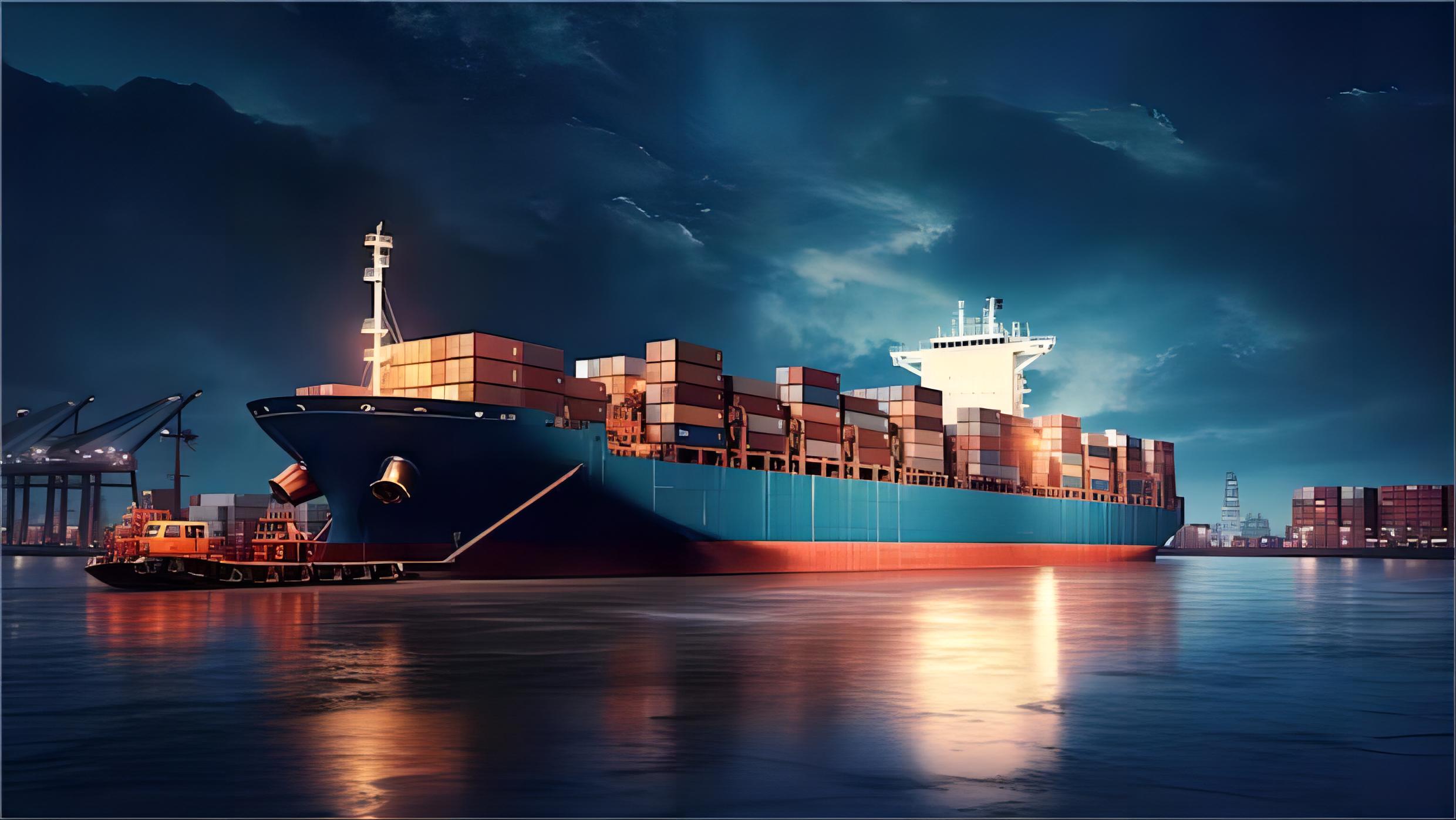
Reliability in the supply chain is bolstered by the massive capacity of container ships, which can accommodate entire hospital fit-outs in a single shipment. International trade between China and the UK relies heavily on these established ocean routes to maintain steady inventory levels.
How Does Sea Freight Compare to Other Shipping Options?
Understanding the trade-offs between different transport modes is essential for making an informed logistics decision. While sea freight offers the lowest price per cubic meter, it requires much longer lead times than other methods.
Moreover, the environmental impact of ocean shipping is considerably lower than air transport, aligning with many corporate sustainability goals. However, for urgent medical supplies or life-saving equipment, the speed of air freight might justify the significantly higher investment.
In addition, rail freight serves as a middle ground for those shipping to mainland Europe, though it is less common for direct UK deliveries due to the English Channel crossing. Selecting the best method depends on your specific budget, volume, and urgency requirements.
| Shipping Method | Cost Range | Transit Time | Best For |
|---|---|---|---|
| Sea Freight | $2,200 – $4,500 (40HQ) | 30-40 Days | Bulk equipment, furniture |
| Air Freight | $5.50 – $9.00 / kg | 3-7 Days | Urgent meds, small parts |
| Rail Freight | $3,500 – $5,500 (40HQ) | 18-25 Days | High-value bulk goods |
| Express Service | $8.00 – $12.00 / kg | 2-5 Days | Samples and documents |
Understanding Shipping Costs and Transit Times
Shipping costs for medical equipment sea freight China to UK are influenced by seasonal demand and fuel surcharges. Typically, rates increase during the peak season from August to October as retailers prepare for the holiday rush.
Additionally, the port of origin in China plays a role in determining the final price and delivery schedule. Major hubs like Shanghai, Shenzhen, and Ningbo offer the most competitive rates and frequent departures to the UK.
Transit times usually range between 30 and 40 days, depending on whether the vessel takes a direct route or involves transshipment. Indeed, choosing a direct service to ports like Felixstowe or Southampton can save several days of transit time.
| Origin Port | Destination Port | Transit Time | Frequency |
|---|---|---|---|
| Shanghai | Felixstowe | 32-35 Days | Daily |
| Shenzhen | Southampton | 28-32 Days | Weekly |
| Ningbo | London Gateway | 33-36 Days | Bi-weekly |
| Qingdao | Liverpool | 38-42 Days | Weekly |
Essential Documentation for UK Customs Clearance
Navigating the regulatory landscape is the most challenging aspect of importing medical devices into the United Kingdom. Importers must ensure all products comply with MHRA regulations and carry the appropriate UKCA or CE markings.
Moreover, a professional customs brokerage service is vital for avoiding costly delays at the border. You will need a comprehensive set of documents, including the Commercial Invoice, Packing List, and Bill of Lading.
Consequently, failing to provide a Certificate of Conformity or an Import License for specific medical categories can result in cargo seizure. Without a doubt, meticulous preparation of paperwork is the key to a smooth customs clearance process.
Which Option Should You Choose?
Budget priority dictates that sea freight is the superior choice for non-urgent, high-volume shipments. If your facility requires hundreds of hospital beds or thousands of PPE kits, the cost savings are substantial.
Speed priority suggests that air freight should be used for critical medical components or time-sensitive laboratory reagents. Meanwhile, hybrid solutions like sea-air can offer a balance between cost and delivery speed for mid-range needs.
Cargo type considerations are also paramount, as heavy machinery like X-ray equipment requires the stability and space only a shipping container can provide. Selecting door to door service further simplifies the process by handling every step from the factory to the hospital.
Case Studies: Successful Medical Shipments
Real-world examples illustrate how strategic planning leads to successful logistics outcomes for healthcare providers. These cases reflect actual market conditions and common challenges faced by importers.
Note: Freight rates are subject to change based on fuel costs, carrier capacity, and seasonal demand. Contact us for a current quote tailored to your specific shipment.
Case Study 1: Diagnostic Imaging Equipment
Route: Shanghai, China to Felixstowe, UK. Cargo: MRI components, 28 CBM, 4,500 kg. Container: 1 x 40HQ. Shipping Details: Direct service via Maersk. Cost Breakdown: Ocean Freight $4,100, Origin Charges $450, Destination Charges $600, Total Landed Cost (excluding duties) $5,150. Timeline: Booking to Loading 5 days, Sea Transit 34 days, Customs Clearance 3 days, Total Door-to-Door 42 days. Key Insight: Using a 40HQ provided extra height for specialized packing frames, ensuring zero damage.
Case Study 2: Bulk PPE and Surgical Masks
Route: Shenzhen, China to Southampton, UK. Cargo: Surgical masks and gowns, 15 CBM, 1,200 kg. Container: LCL (Less than Container Load). Shipping Details: Transshipment via Singapore. Cost Breakdown: Ocean Freight $1,150, Origin Charges $250, Destination Charges $400, Total Landed Cost $1,800. Timeline: Booking to Loading 4 days, Sea Transit 38 days, Customs Clearance 2 days, Total Door-to-Door 44 days. Key Insight: LCL was 40% cheaper than a dedicated 20GP for this volume, based on Q4 2024 rates.
Mastering Medical Logistics
Successfully managing medical equipment sea freight China to UK requires balancing cost, speed, and strict regulatory compliance. By understanding the nuances of container shipping and customs documentation, importers can ensure a steady supply of vital healthcare tools.
Partnering with a dedicated logistics provider allows you to focus on patient care while experts handle the complexities of international transport. Whether you are shipping diagnostic machinery or bulk consumables, sea freight remains a foundational pillar of the global medical supply chain.
Ready to streamline your logistics?
Ready to streamline your medical equipment sea freight China to UK? Contact Top China Freight today for a customized quote and expert guidance on your next healthcare shipment. Send Inquiry
Request Quote